
Singapore Mahjong vs Malaysian Mahjong: Key Rules and Differences
Last updated: Nov 23, 2026
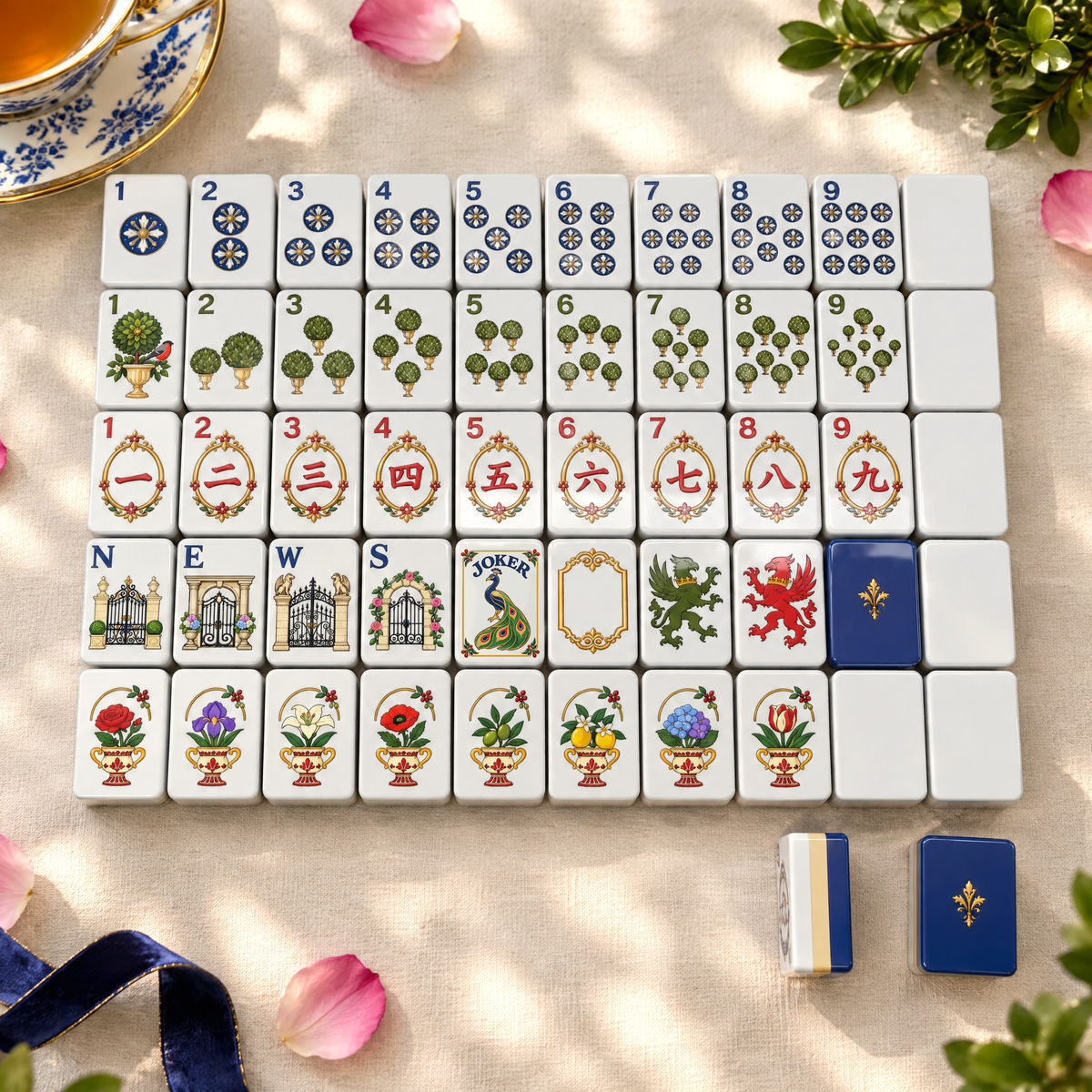
Singapore mahjong typically uses 144 tiles with no jokers in the base set, plays faster, and emphasizes keeping your hand completely hidden until you declare a win. Malaysian mahjong often uses 152 tiles with jokers included, allows earlier exposure of melds (pungs, kongs, and sometimes sequences depending on house rules), and features regional scoring systems that reward concealment bonuses and specific bonus tile combinations. Both games use the same three suits (Bams, Craks, Dots), winds (North, East, South, West), and dragons (Red, Green, White), but the strategic tension differs: Singapore rewards patience and deception; Malaysia rewards adaptability and tactical exposure.
How many tiles does each game use?
Singapore mahjong plays with exactly 144 tiles: three suits × nine ranks × four copies each (108 tiles) plus 16 winds and 12 dragons. Malaysian mahjong typically plays with 152 tiles (the same 144-tile core plus 8 jokers), though some regional clubs may use 144-tile sets. The joker count matters because it changes hand difficulty and play speed; Malaysian games tend to be longer due to more tile options. If you're learning both, ask your group upfront which tile count they use—it determines which set to buy and changes your odds of completing specific hands.

What hands are legal in Singapore versus Malaysia?
Singapore mahjong follows published hand lists that prioritize closed melds only—pungs and kongs stay in your hand until you go out. Standard hands emphasize seven pairs, all pungs, or three pung-kong combinations with honor tiles. Malaysian mahjong typically allows exposure of pungs and kongs during play, meaning you can lay down a triple or quad on the table, add jokers to it, and continue playing. This structural difference changes the entire feel: Singapore games feel like poker (hidden information), while Malaysian games feel more open and tactical. Both may include special winning combinations (e.g., all one suit, all terminals), but the hand lists differ by region—always check your table's card or scoresheet first.
Aspect | Singapore | Malaysia |
Base tile count | 144 tiles | 152 tiles (with jokers) |
Exposed melds during play | Rare or forbidden | Common |
Strategic focus | Concealment, deception | Tactical exposure, joker use |
Typical hand style | All pungs/kongs, pairs | Mixed; allows sequences in some variants |
Game pace | Faster (fewer jokers) | Slower (more flexibility) |
Bonus scoring | Minimal | Often includes concealment, flower bonuses |
🀄 Shop best-selling mahjong sets →
Do jokers work the same way in both games?
Singapore's standard 144-tile format uses no jokers, so the entire strategy revolves around natural tile draw luck and strategic retention. Malaysian mahjong includes jokers (typically 8 in a 152-tile set) that act as wildcards—you can add a joker to an exposed pung or kong to complete or extend it, or substitute a joker for a missing tile when you go out. This single difference ripples through play: Malaysian games feel more forgiving because a joker can rescue a near-winning hand, while Singapore games demand tighter tile management and reading. If you're hosting both variants on different weeks, remind players that jokers are forbidden in Singapore play and active wildcards in Malaysia; switching gears mid-evening causes real confusion at the table.

How is scoring different between the two games?
Singapore mahjong scoring typically awards points for hand type, difficulty, and concealment (a payout varies by hand rarity). Malaysian scoring often layered—you earn base points for going out, plus bonuses for concealment (if your winning hand was completely hidden), special tile combinations (like all dragons), and sometimes flower or bonus tile combinations. Malaysian tables sometimes use a multiplier system where concealment doubles or triples your base payout, creating intense pressure to keep melds private. Singapore scores tend to be simpler and faster to calculate, which speeds up play; Malaysian scoring can take 30 seconds per hand due to bonus verification. If you're new to either game, ask the scorekeeper to walk through one complete hand payout before money changes hands—regional variations exist even within Singapore or Malaysia, and misunderstanding the scoring system ruins tables fast.
Which variant should you host at home?
Choose Singapore mahjong if your group enjoys strategy and bluffing—hidden hands mean you're reading opponents and managing uncertainty, similar to Texas Hold'em. It's faster, plays well with all four players engaged equally, and requires less space since melds stay in hand. Choose Malaysian mahjong if your group prefers tactical flexibility and drama—exposed melds, joker swaps, and bonus calculations create more dynamic turns and allow newer players to "see" the board state and learn faster. Malaysian games run longer, which suits Friday-night social play; Singapore suits a quick evening session. Consider your table's experience too: beginners often enjoy Malaysia's transparency, while experienced players gravitate toward Singapore's hidden tension.
When you host, set the house rules upfront in writing: clarify tile count, whether jokers substitute or add only, which hand list you're using, and the exact scoring method. Print a one-page scoresheet and tape it to the table so there's no confusion mid-game. Our best-selling mahjong sets come in 160-tile configurations—that's compatible with either variant since 160 tiles = 152 playing tiles plus spares; you simply use 144 or 152 depending on your game choice.
🎁 See our most-loved mahjong sets & accessories →
How do you transition between the two games at the same table?
The biggest pitfall is playing Singapore rules with a 152-tile set or vice versa. If your set includes jokers, physically remove them and set them aside before Singapore play to avoid the temptation to use them mid-hand. If you're playing Malaysia, make sure everyone sees the joker pile and agrees on how many are in play that session. Write the active rule (e.g., "Singapore: 144 tiles, no jokers, closed hands only") on a piece of tape and stick it to your mat or scoresheet. Designate one player as "rules keeper" for that session—not to boss others around, but to gently reset expectations when someone slips into the other variant's logic.
Confusion happens most during discard selection: a Malaysia player might say "throw a joker"; a Singapore player will look baffled because jokers don't exist in their game. If someone makes an illegal move (e.g., laying down a pung in Singapore), stop, acknowledge it happened because we're switching games, reset that player's tiles, and continue. This is normal. After one full round (4 hands) under one variant, muscle memory kicks in.
✨ Find your Mahstead set — free US shipping →
What to check before you buy
Tile count on the box: Look for 144, 152, or 160 tiles. A 160-tile set gives you 152 playing tiles plus spares—enough for either game.
Joker inclusion: If the set lists jokers, confirm the count matches your chosen game.
Hand card or scoresheet: Ask whether your set includes a printed hand list or scoring guide for Singapore or Malaysian play. If not, research your regional variant online and print a copy.
Set construction: Confirm tiles are durable (acrylic or bone/bamboo), racks are comfortable for long sessions, and the carrying bag fits your travel needs.
House rules document: Before your first session, download or write a one-page house rules sheet specifying tile count, joker use, and scoring. Share it with all players 24 hours ahead.

FAQ
Can I use the same tile set for both Singapore and Malaysian mahjong?
Yes—a 160-tile set contains 152 playing tiles plus spares, so you simply don't use the extra jokers when playing Singapore (144 tiles). Store jokers separately and only add them for Malaysian play.
Why is Singapore mahjong faster than Malaysian?
Fewer jokers means fewer tile options, so draws resolve quicker and hands are harder to complete. Malaysian jokers extend play because wildcards open more winning paths.
Are sequences (1-2-3, 4-5-6) allowed in either game?
Most Singapore variants prohibit sequences entirely; melds must be identical-rank sets (pungs/kongs). Malaysian regional play sometimes permits sequences, but check your local hand card first—this varies widely by club and year.
Do I need a special mat or rack to play Singapore versus Malaysian?
No—the same mahjong mat and racks with pushers work for both. The difference is purely tile count and house rules, not equipment.
How long does a typical Singapore game last compared to Malaysian?
Singapore games (144 tiles, fewer jokers) typically finish 4 hands in 45 minutes to 1 hour. Malaysian games often run 4 hands in 75–90 minutes due to increased tile options and longer hand calculations.
What if my group mixes up the rules mid-game?
Stop, reset that hand, and restart with the correct rules written down and visible. It's normal during the learning phase—designate a rules keeper to gently remind players, and after one full round the variant feels automatic.
Can beginners play either variant, or is one easier to learn?
Malaysian is often easier for beginners because exposed melds let learners "see" the board state and understand hand-building logic. Singapore demands hidden-hand strategy that takes a few sessions to grasp—better for intermediate players.


View More
View More
View More
