
Retirement Mahjong Party Ideas: Host the Perfect Game Night
Last updated: Nov 23, 2026
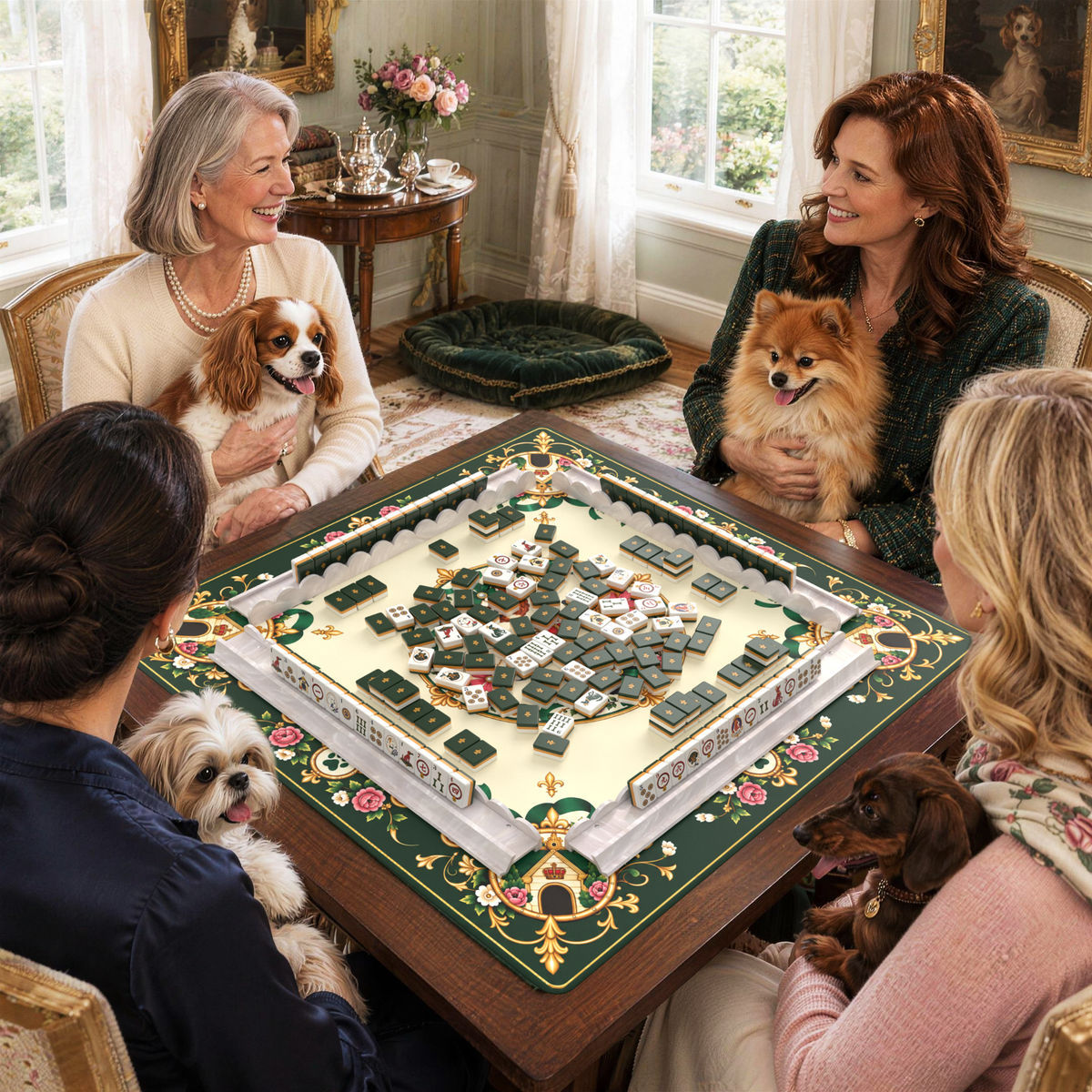
A retirement mahjong party centers on 4 players (or 2–3 variants), a best-selling American mahjong set, snacks, and a mat for easy tile handling. Plan 2–3 hours; players sit around a table, perform the Charleston tile exchange, then play hands drawn from the current year's National Mah Jongg League card. You'll need a 160-tile acrylic set, a mat to protect the table and organize tiles, racks with pushers to keep hands tidy, and refreshments. Retire the shuffling chaos by using a mat—it makes the game flow faster and keeps everyone comfortable. Skip overcrowding the table; four players with breathing room beat six crammed players every time. Cost per person is minimal since everyone brings the same mahjong set. Mahstead's engraved sets let you personalize the moment with a name or retirement year etched into the case.
What size table and how many people should I invite?
Four players is the standard American mahjong setup—one at each wind (North, East, South, West). A 4–5 foot round or square table works well; each player needs 12–15 inches of elbow room for their rack, tiles, and drink. If you want casual spectators, add two chairs behind the table. Avoid more than four active players; adding a fifth forces you into 2–3 player variant rules, which most retirees find jarring if they've played standard four-person for years.
How do I set up the space so nobody gets confused?
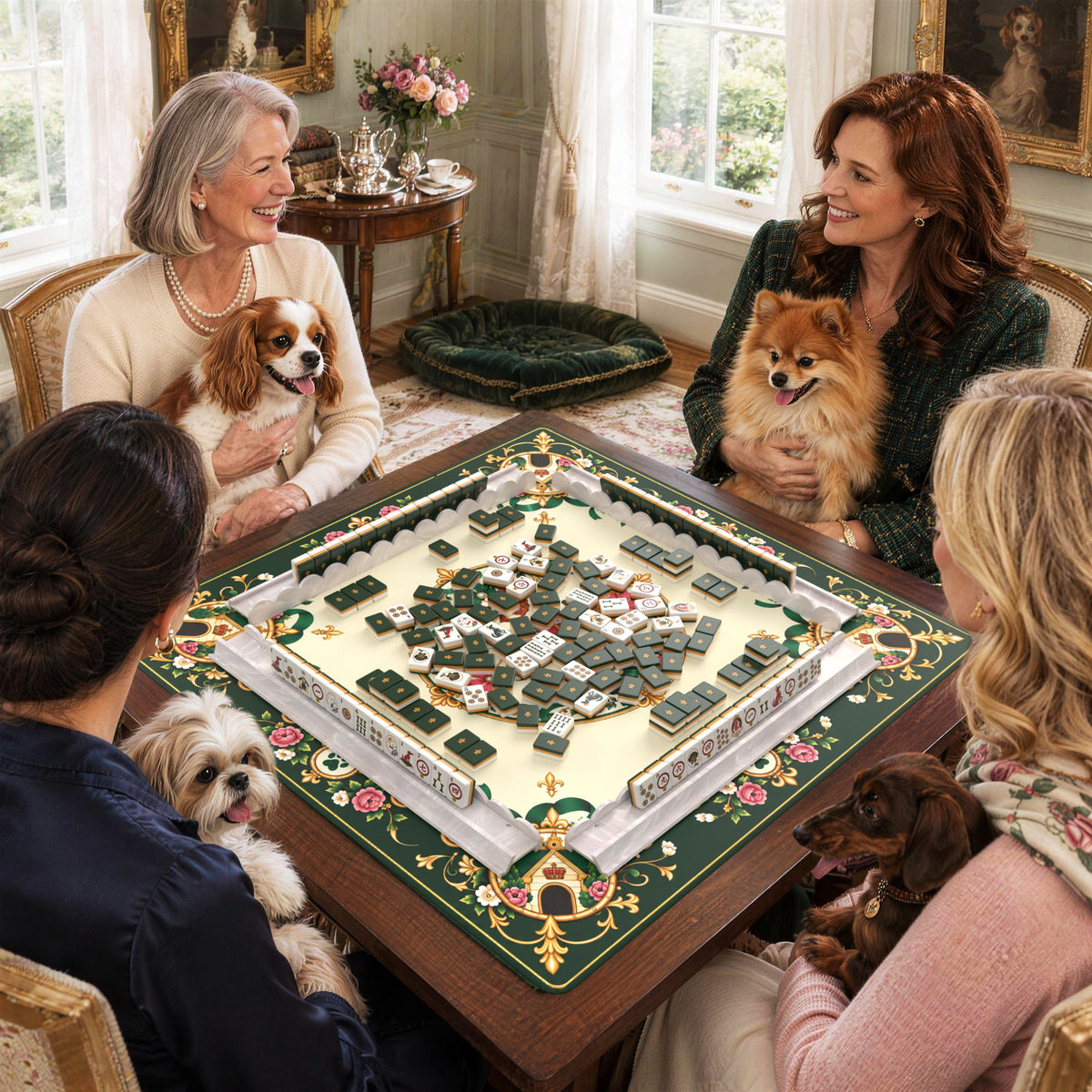
Lay your mat on the table first—it defines the play zone and saves your furniture from tile marks. Sit players comfortably, place a mahjong rack with pushers at each seat for holding 14 tiles upright, and put the discard area in the center. Print a current year's National Mah Jongg League card and place one face-up at each seat so no one has to squint. Keep the official card handy—it's your rules bible. Dim harsh overhead lights; use a side lamp or window light so tiles are easy to read without glare. Label the wind seats (N, E, S, W) with small cards if your guests are newer to the game.
Which set design works best for a retirement gift or party centerpiece?
Engraved American mahjong sets turn a game night into a keepsake—etch the retiree's name, "Class of 1965," or a short motto on the case. Acrylic sets look modern and are durable across hundreds of games. Avoid all-plastic or very lightweight sets; they feel cheap and tiles can warp. Look for sets with clearly printed suit symbols (Bams, Craks, Dots) and large numbers so aging eyes read tiles quickly. If the retiree loves a specific color or theme, pick a set from our newest arrivals or Christmas-themed collections—even in off-season, themed sets keep the mood festive.
🀄 Shop best-selling mahjong sets →
What's the timing and flow of a typical game?
Start 15 minutes before official play: guests arrive, chat, grab snacks. Spend the first 5–10 minutes teaching or refreshing the Charleston (the tile-passing ritual before each hand begins). One round of hands—four or five discards before someone wins—takes 10–15 minutes. A typical retirement party session is 2–2.5 hours of play (six to eight hands), with a snack break halfway through. Newcomers and casual players appreciate shorter sessions; seasoned players might want to play longer. Set a clear end time so nobody feels rushed or stuck.
What snacks and drinks pair well with mahjong?
Avoid greasy or sticky foods; they soil tiles and racks. Offer nuts, cheese, crackers, fruit, and cookies. Drinks should be in cups with lids or held away from the play zone—water spilled on tiles ruins them instantly. Coffee and tea in mugs work; red wine in open glasses next to tiles is a risk. Many longtime players appreciate a no-alcohol rule or a designated drink zone two feet away from the table. Some groups enjoy a simple lunch beforehand so no one plays hungry and distracted.
What to provide | Why it matters | Caution |
Printed mahjong card (current year) | Players read hands hands; no guessing. | Bring two copies so all four can see. |
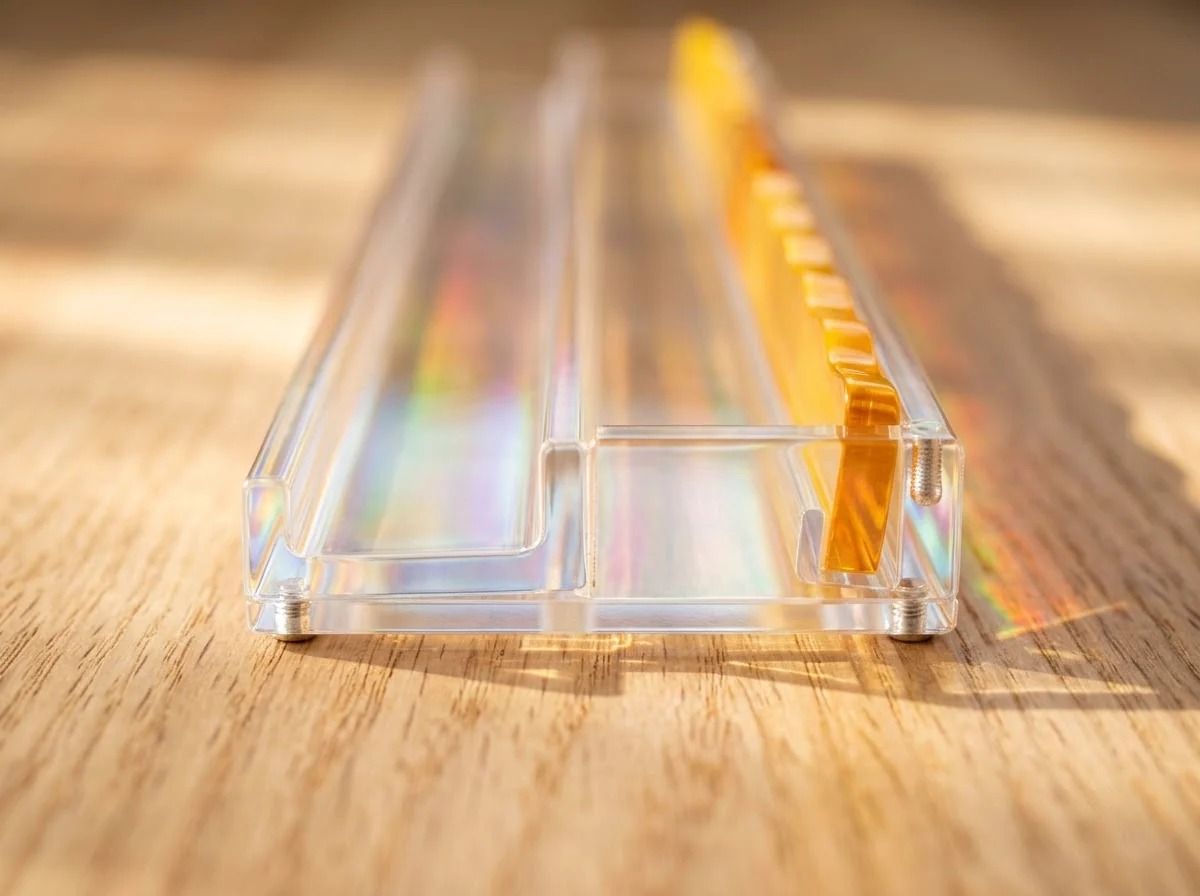
Rack with pushers (one per player) | Keeps 14 tiles organized & hidden. | Check that pushers slide smoothly before guests arrive. |
Protective mat | Shields table; tiles arranged, centered play. | Non-slip mat prevents tiles sliding mid-game. |
Notepad + pen (score sheet) | Tracks winners and rounds clearly. | American mahjong uses unique scoring; print a simple reference. |
Water in a lid cup (away from tiles) | Hydration for 2-hour session. | No open cups near play zone. |
Snacks (nuts, cheese, fruit) | Energy; no interruptions to play. | Avoid sticky or greasy items that soil tiles. |
🎁 See our most-loved mahjong sets & accessories →
How do I make sure the tiles and equipment don't get lost or damaged?
Use a mahjong bag or case designed for transport and storage. A dedicated case keeps all 160 tiles, the mat, racks, and pushers together. After each game, sort tiles back into the case immediately—a loose tile left on a table gets stepped on. Inspect tiles for chips or cracks before storing; acrylic tiles are sturdy but a dropped set or heavy pressure can crack one. If hosting multiple retirement parties, a case with dividers prevents tiles from rolling loose in the car. Label your case so no one accidentally takes it home.
A simple retirement mahjong party checklist
Two weeks before: Confirm guest count (max four active players). Reserve or clear a table.
One week before: Get or borrow a best-selling mahjong set, a protective mat, and racks with pushers. Print the current year's card.
Three days before: Test that all tiles are present and no pushers are stuck. Plan snacks and drinks.
One day before: Set the table, lay the mat, and place racks at each seat. Confirm guests know the start time.
Day of: Arrive early. Set out cards, snacks, and water. Walk through the Charleston with any first-timers before official play starts.
✨ Find your Mahstead set — free US shipping →
What to check before you buy
Tile count: A standard American game uses exactly 152 tiles (no blanks). Sets sold as 160-tile include spare jokers for replacements; that's normal.
Clarity: Can you read the suit symbols and numbers without squinting? Acrylic tiles hold printed graphics longer than bone or bamboo.
Rack fit: Your tiles should rest upright in the rack's slots without tipping or jamming. Test with a few tiles if you can.
Case: Does it close securely and fit in your car or closet? A loose case leads to lost tiles.
Engraving (optional): If personalizing, confirm the name or text fits the case size and is readable.

FAQ
Can I host a retirement mahjong party if nobody's played before?
Yes, but add an extra hour for learning the Charleston and hand basics. Print two copies of the current year's National Mah Jongg League card and ask an experienced friend to teach. Stick to simpler hands for the first session so nobody feels lost.
How many sets do I need to host one party?
One standard 160-tile American mahjong set. All four players share it and take turns drawing, discarding, and winning. You don't need a set for each player.
What's the difference between a mahjong mat and a table cover?
A mat is a felt or rubber-backed surface with marked play zones; it protects the table and organizes tile positions. A table cover is a full cloth drape. For a game, a mat is better—it keeps tiles from sliding and defines the center discard pile clearly.
Should I use jokers in a retirement party game?
Yes. American mahjong includes eight jokers (wild tiles). Players use them to complete exposed pungs, kongs, or hands per the National Mah Jongg League card. Jokers cannot be used for the pair in a winning hand or stand alone.
What if someone in my party has mobility issues?
A rack with pushers lets players organize tiles without bending or straining their hands. Position the rack close to them, and consider a higher chair or cushion so they sit at elbow height with the table.
How long do acrylic mahjong tiles last?
Acrylic tiles last hundreds of games if stored in a case and handled normally. Chips and cracks happen from drops or pressure; they don't affect play unless a tile breaks in half. One or two damaged tiles in a 160-tile set are replaceable spare jokers.
Can I mix tiles from two different mahjong sets?
Not recommended for a single game. Sets vary in tile size, weight, and symbol style; mixed sets cause confusion and disrupt rhythm. Keep each set separate and consistent.
What do I do if we finish early?
Play more hands or switch to a variant rule. Try 2–3 player rules for a round if someone wants to sit out. Or teach the group a faster Chinese variant if anyone knows it. Always keep snacks and water flowing so the party mood stays light.


View More
View More
View More
