
Singapore Mahjong Tips: Tile Play & Hand Reading Rules
Last updated: Nov 23, 2026
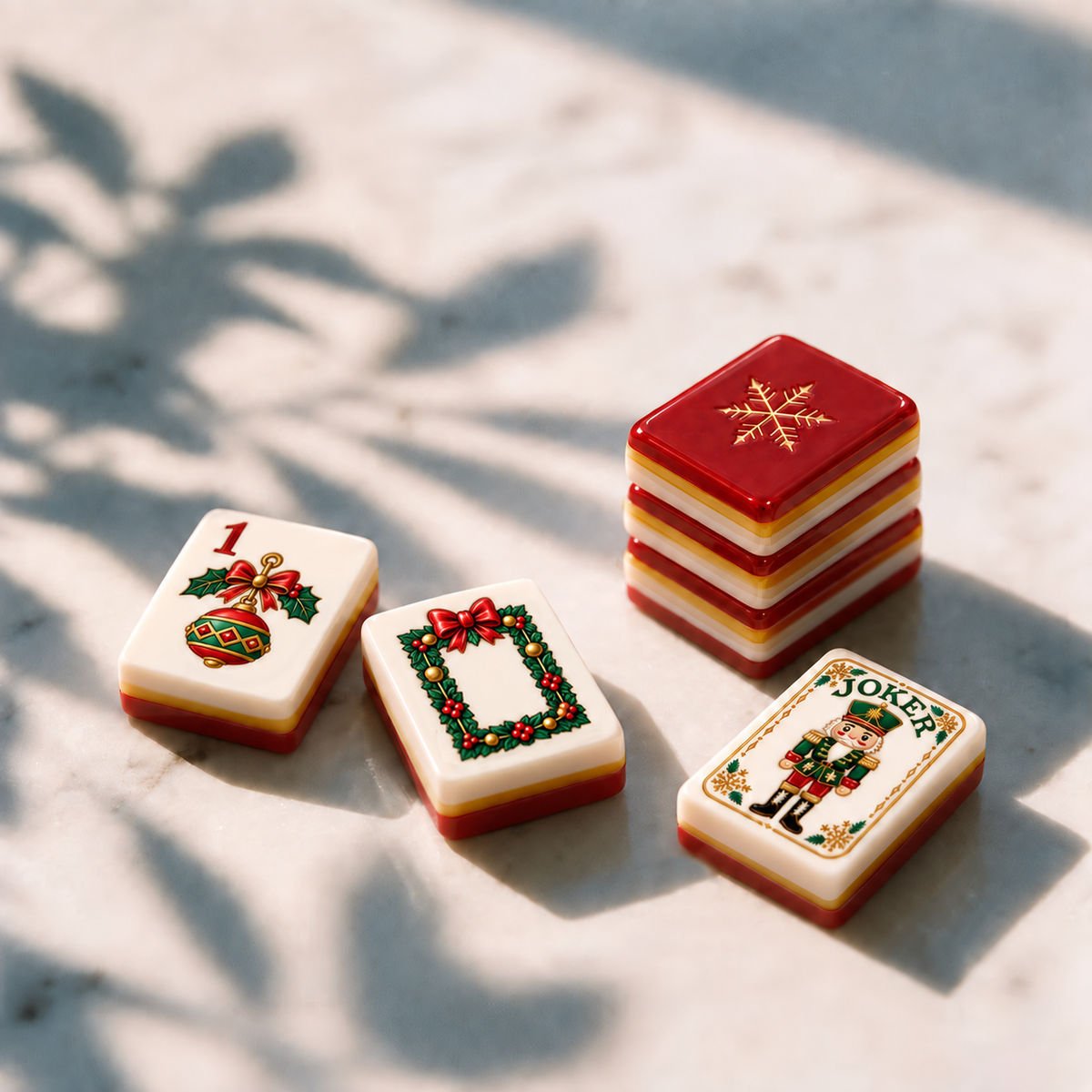
Singapore mahjong (also called Cantonese or Hong Kong style in Singapore) uses 144 tiles across three suits, winds, dragons, and flowers, where players draw and discard rapidly in a single round before winning a hand. Unlike American mahjong, which uses a yearly card and only plays hands from that licensed list, Singapore mahjong allows any winning combination of runs (chows: 1-2-3), sets of three identical tiles (pungs), and sets of four identical tiles (kongs), making hand-building more flexible. A game lasts typically 4 rounds (one for each wind position), 15–30 minutes per round. You'll need a set of 144 tiles, wind indicators, and scoring chips; many local clubs in Singapore use standard Chinese-manufactured sets from community suppliers. The key difference: there is no Charleston, no jokers, and claiming discard calls happen instantly and competitively.
How does Singapore mahjong differ from American mahjong?
American mahjong locks hands to an annual National League card, forbids chows (runs), allows 152 tiles plus 8 jokers, and requires a Charleston passing ritual. Singapore mahjong uses 144 tiles, permits chows and kongs freely, has no jokers, and plays hands entirely from draw-and-discard cycles. American hands are mostly matching sets and patterns; Singapore hands blend sequences with honor tiles, making strategy faster and less predictable. Both games require memorizing tile values and recognizing winning shapes, but the rule sets are fundamentally separate.
What hand types can you build in Singapore mahjong?
Singapore mahjong winning hands combine three types of tile groups: chows (three consecutive number tiles in one suit, e.g., 2–3–4 Bams), pungs (three identical tiles), and kongs (four identical tiles). A winning hand is always four groups plus a pair. For example: 2–3–4 Bams (chow) + 5–5–5 Craks (pung) + 1–1–1–1 Dots (kong) + East–East–East (pung) + White–White (pair). Unlike American mahjong, there are no special "card hands"—any logical combination of groups and a pair wins. Recognizing these patterns at speed is essential; practice sorting your hand into suspected groups immediately after drawing each tile.
🀄 Shop best-selling mahjong sets →

How do you read tile rankings and honors in Singapore play?
Number tiles (1–9 in three suits: Bams, Craks, Dots) rank by their numeric value; winds (East, South, West, North) and dragons (Red, Green, White) count as honors and hold equal value. White Dragon (often called Soap) is treated as a zero in sequences but also functions as a dragon honor tile in sets. Flower tiles vary: some regional variants score bonus points for holding matching flower sets. The key: memorize the suits visually (Bams show circles or bamboo sticks; Craks show cracks or coins; Dots show dots), learn wind positions clockwise from East, and practice calling numbers and suits aloud in Cantonese if playing in Singapore clubs—speed depends on instant recognition.
What's the discard strategy and claiming sequence in Singapore?
Each player draws one tile, then immediately discards one—the discard pile grows in the center. Opponents watch the discard pile constantly; if your discard matches a waiting hand, anyone can call it instantly (not just the next player), creating competitive claiming. A called tile is removed from play and added to the caller's exposed group. The first player to complete a winning hand (four groups and a pair) calls "mahjong" and ends the round. Strategy: discard honor tiles early (fewer other players collect them), keep number sequences flexible until forced to commit, and watch which suits opponents are gathering. If you see three copies of a tile already discarded, never hold the fourth—it's dead.
🎁 See our most-loved mahjong sets & accessories →
How does Singapore scoring work compared to other variants?
Singapore uses point multipliers (fan) based on hand type and purity (e.g., all one suit scores higher than mixed suits). Base score is calculated per hand type, then multiplied by the number of fans earned. Winning from a discard versus self-draw carries different values. Losers split the payment among themselves or pay only the winner—house rules vary by region. American mahjong uses a fixed table of hands and assigned point values, making scoring simpler but less adaptive. Hong Kong and Taiwan variants also use fan systems but differ in what hand types score highest. Before playing in a Singapore club, ask the scorekeeper to show you their scoring sheet or fan chart—many clubs publish simplified versions online or in Telegram groups.
Variant | Tiles | Chows allowed? | Jokers? | Charleston | Hand source | Scoring basis |
Singapore (Cantonese) | 144 | Yes | No | No | Free build | Fan multipliers |
American | 152 + 8 jokers | No | Yes | Yes | Annual card | Fixed table |
Hong Kong | 144 | Yes | No | No | Free build | Fan multipliers |
Riichi (Japanese) | 136 | Yes | No | No | Free build | Point system + limit hands |

What common mistakes do new Singapore players make?
Holding too many honor tiles: beginners keep East or Red Dragon hoping to pair them; experienced players discard them by move 5. Discarding tiles already visible: never throw a tile when three copies sit in the discard pile. Calling prematurely: wait until your hand is truly one tile away from winning before calling for a discard—early calls waste your holding. Misreading chows: a chow must be consecutive (2–3–4, not 1–3–5); mixing this up will cost the hand. Ignoring the wall count: when few tiles remain in the wall, players are more likely holding near-complete hands—discard safer honor tiles. Not watching discards: the discard pile tells you which tiles are dead and which suits opponents favor; ignoring it costs you hands. Play slowly at first, narrate your groups aloud, and ask the player to your left to confirm your hand shape before calling.
What equipment do you need to start playing Singapore mahjong?
A 144-tile set (no jokers, no blanks), a mat to organize tiles and protect the table, scoring chips or pencil and paper, wind indicators (or a die to determine starting wind), and ideally racks to hold and display tiles upright. Many players in Singapore use compact mat-and-rack combos to save table space in home games. Unlike American mahjong, you do not need a yearly card or jokers. If you're traveling to Singapore or hosting players from there, our best-selling acrylic mahjong sets can be ordered with 152 tiles and will work after removing 8 tiles to reach 144-tile play—though purchasing a dedicated 144-tile set locally in Singapore is often cheaper and faster.
✨ Find your Mahstead set — free US shipping →
What to check before you buy or play
Set composition: confirm the set includes 144 tiles (or 152 that you can adjust), not the American 152+jokers count.
Tile thickness and size: Asian-made tiles tend to be slightly thinner than American; check your mat clearance if stacking racks.
Suit labels: ensure Bam, Crak, and Dot suits are clearly marked; some sets use pinyin or Cantonese characters only.
Flower tiles: verify the set includes 8 flowers (not 4); regional play varies, so confirm house rules before joining a club.
Rack fit: if buying racks, test them with sample tiles or check dimensions against your set's tile width.

FAQ
Can I use an American mahjong set to play Singapore rules?
Not directly. American sets include 8 jokers and 152 tiles; Singapore uses 144 with no jokers. You can remove 8 jokers and 4 blanks if your set has extras, but hand-building follows different logic. Buy a 144-tile set designed for Cantonese play to avoid confusion.
Is Singapore mahjong faster or slower than American mahjong?
Singapore is typically faster. Rounds last 15–30 minutes, and discards are claimed instantly by any player. American rounds can stretch 45–60 minutes because draws and claims are more limited per the card. Discard speed in Singapore rewards quick tile recognition.
Do I need to learn Cantonese to play in a Singapore club?
No, but learning tile names and hand calls in Cantonese helps. Most international players and younger Singapore players speak English; ask your host club if they offer English-language score sheets. Tile ranks are visual and universal—practice recognizing suits and numbers first.
Can I play Singapore and American mahjong with the same group?
Yes, if everyone agrees and has the right equipment. But the strategy, hand logic, and claiming rules are so different that mixing games mid-session causes confusion. Designate one variant per evening and switch only between rounds.
What's the best way to learn Singapore mahjong strategy?
Start by watching 3–4 recorded games or YouTube tutorials focusing on discard safety and chow recognition. Play 2–3 casual rounds with patient players before joining a club. Join a local Singapore club (search community centers, Chinese associations, or Telegram groups in your city) and ask to observe before sitting in; experienced players often welcome learners.
How do I find a Singapore mahjong club in my area?
Check community centers, Chinese cultural associations, senior centers, temples, and country clubs in your area. Search local Meetup or Facebook groups for "Singapore mahjong" or "Cantonese mahjong." If none exist nearby, you can start a casual home game—many players appreciate easy access over club formality.


View More
View More
View More
