
Retro Mahjong Travel Bag: What to Know Before You Buy
Last updated: Nov 23, 2026
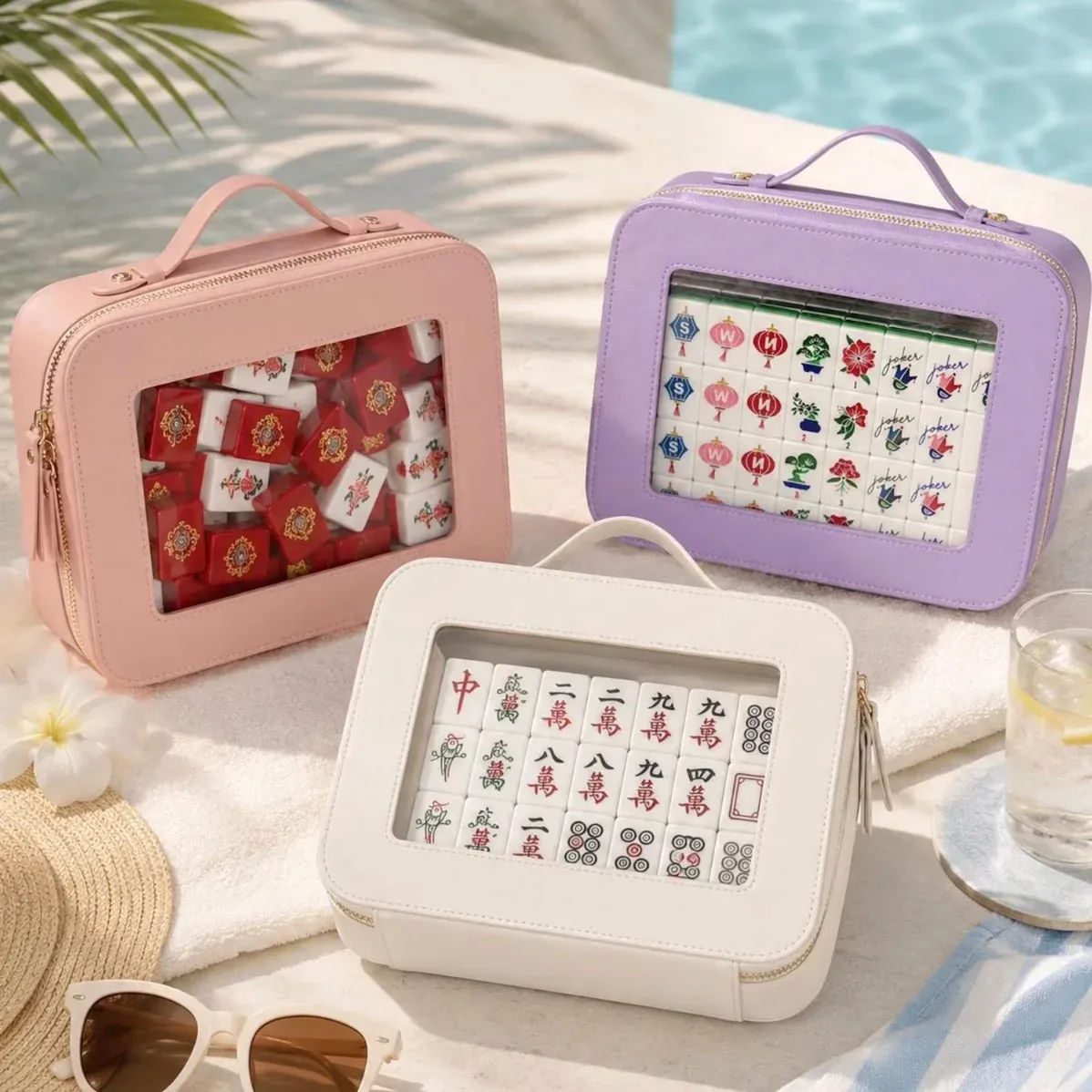
A retro mahjong travel bag combines vintage aesthetics with practical tile protection for players who want their set to look as good as it plays. Most retro styles mimic 1950s–1970s designs—think fabric patterns, metal frames, or worn leather effects—and hold a full 160-tile American mahjong set plus racks, dice, and jokers. Capacity ranges from snug single-set cases to roomy totes that fit two sets or include a mat. Protection levels vary: padded interior fabrics shield tiles from pressure, while zippered closures and reinforced seams prevent spills during travel. Retro bags work best for players hosting weekly games who need durability without modern minimalism, or as gifts for longtime players who grew up with vintage sets. Mahstead offers retro designs across travel bags and cases in multiple colorways and storage configurations. Before ordering, check interior dimensions against your set's footprint, confirm zipper quality for repeated opens, and verify whether the bag includes padding or requires a separate mat for tile protection.
What does "retro" mean in a mahjong bag?
Retro mahjong bags echo 1950s–1970s design language—classic fabric prints, brass-style hardware, structured silhouettes, or faux-leather finishes. The look signals heritage and nostalgia without compromising modern durability. These bags appeal to players who learned mahjong in that era or love period aesthetics, making them conversation starters at game night. A true retro bag trades sleek minimalism for warmth and character.
🀄 Shop best-selling mahjong sets →

How much protection does a retro travel bag actually provide?
Protection depends on three factors: padding thickness, compartment design, and closure security. Bags with quarter-inch foam interiors absorb shocks that would crack tiles during car travel or stair tumbles. Divided compartments separate racks, pushers, and tile stacks so nothing shifts mid-journey. Magnetic or heavy-duty zippers hold under repeated use; cheaper slides fail after five to ten opens, risking contents spilling. We test bags by tossing them gently from waist height—tiles inside should make zero rattle. Retro designs with interior padding and reinforced seams pass that test reliably; canvas-only totes do not.
Should you choose a structured case or a soft tote?
Structured case = hard exterior, molded compartments, locks or latches. Best for: frequent travelers, car storage, protection priority. Downside: less flexible, harder to store when empty, heavier. Soft tote = fabric sides, flexible shape, zipper closure. Best for: weekly game nights, apartment living, lightweight carry. Downside: less tile protection, can wrinkle in a closet. If your group meets at the same table every week, a soft retro tote is plenty; if you're driving between homes or hosting rotating venues, a structured case with padding justifies the extra weight. Mahstead's travel bag collection includes both types in retro finishes so you can compare handling.
Style | Who it's for | Durability | Portability | Tile protection |
Structured case | Road trips, multi-venue players | Excellent | Moderate | Excellent |
Soft padded tote | Weekly home games | Good | Excellent | Good |
Canvas-only tote | Display/decoration | Fair | Excellent | Fair |
Hard-sided retro case | Collectors, frequent movers | Excellent | Moderate | Excellent |
🎁 See our most-loved mahjong sets & accessories →
Can a retro bag fit a mat, or just the tiles?
Interior volume matters. A compact retro case holds one 160-tile set, racks, pushers, and dice comfortably; adding a mat requires choosing a slim-fold mat or a separate bag. Larger retro totes—roughly 16×12×6 inches—fit a set plus an unfolded mat flat, though tiles sit closer to the fabric, reducing padding benefit. If you carry both set and mat weekly, measure your preferred mat's folded dimensions before ordering. Many players store the mat at their regular game venue and transport only the tile set—simpler and lighter. Mahstead's mahjong mats fold to a fraction of their play size, so you can test whether a specific retro bag will hold both without crushing the set.

What's the realistic lifespan of a retro travel bag?
A well-made padded retro bag lasts five to seven years of weekly use before zippers weaken or interior padding compresses. Canvas-only totes show wear faster—fabric thinning, seams fraying after three to four years. Hard-sided retro cases outlast soft bags by two to three years if plastic hinges don't crack. Zippered seams are the first failure point; if a bag feels flimsy when you unzip it on arrival, the interior construction is probably thin. Mahstead bags are packed and shipped to arrive in intact condition; inspect your bag on delivery—test the zipper smoothness, press the padding, ensure no loose threads. A strong initial unbox predicts longer life on the table.
What should you actually check before ordering?
Interior dimensions: Measure your set's perimeter (length + width) and compare to bag specs. A 160-tile set in a standard acrylic case is roughly 9×7 inches; confirm the bag interior matches. Padding: Ask whether the lining is foam or simple fabric. Quarter-inch closed-cell foam beats thin padding or none. Zippers: Verify the model has metal or reinforced plastic sliders, not standard coil zippers. Strap options: For weekly players, padded handles or shoulder straps beat hard plastic loops. Seam tape: Quality bags have seams sealed with bias tape or stitched twice; single-stitch fails sooner. Ventilation: Avoid completely sealed bags if you live in humid climates—moisture traps inside encourage mold on tile edges.
✨ Find your Mahstead set — free US shipping →
Where does retro style come from in mahjong culture?
American mahjong peaked in social popularity during the 1950s–1960s, when mahogany tables, bakelite tiles, and structured clutch bags were status symbols in clubs and living rooms. Today, retro designs echo that era, signaling heritage and authenticity to longtime players. Modern reproductions combine that nostalgic look with durable acrylic tiles and synthetic fabrics that last through thousands of plays. Choosing a retro bag connects you to that history—not pretending to own an actual 1960s piece, but honoring the game's visual language. Our engraved American mahjong sets pair well with retro bags, creating a cohesive vintage aesthetic without sacrificing modern reliability.
Comparing retro bags to other options
If you're torn between a retro bag and a modern minimalist case, consider your game's identity. Retro feels warm, conversational, and playful—people touch the bag, comment on its design, remember which set is yours. Modern cases prioritize efficiency and less-is-more aesthetics; they disappear into a closet after game night. Neither choice affects tile protection if padding is equal. Retro works for home games, holiday gatherings, and casual play groups; minimalist suits league play or serious competition environments. Since most American players gather for fun and friendship, not tournaments, retro usually fits the room better. Check Mahstead's latest new arrival collection for retro designs that just landed—we refresh styles seasonally.
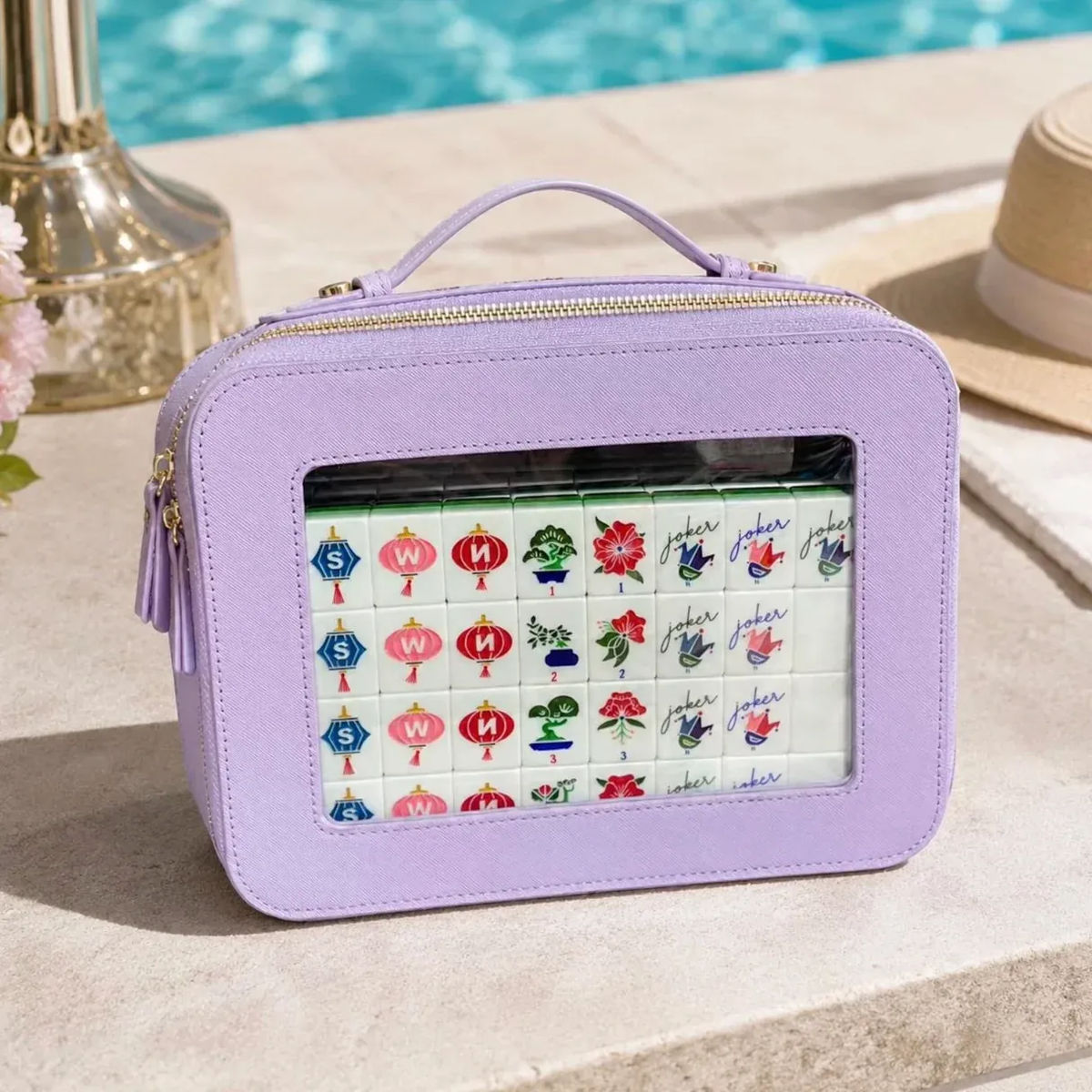
FAQ
Will a retro bag protect my tiles as well as a hard plastic case?
Yes, if padding is at least quarter-inch foam. Soft retro bags with quality padding absorb the same shocks as plastic cases during normal travel; the difference shows only in extreme drops or compression. Inspect the lining before ordering—thick padding beats thin.
Can I fit two full mahjong sets in one retro travel bag?
Only in large retro totes (16×12×6 inches or bigger). A standard 160-tile set occupies about 500 cubic inches; two sets need 1000+. Most retro bags hold one set comfortably. Confirm interior dimensions against your sets before ordering.
What's the best way to store a retro bag between game nights?
Keep it upright in a closet or on a shelf, away from sunlight and humidity. Avoid stacking heavy items on top—compressed padding takes months to recover. A breathable cloth dust cover beats plastic, which traps moisture and dulls fabric colors over time.
Do retro bags come with shoulder straps, or just handles?
That varies by design. Some retro styles include removable shoulder straps; others have only top handles. Check product photos and descriptions before ordering. Shoulder straps are helpful for weekly players carrying sets between homes; handles work fine for single-venue games.
How do I know if a retro bag's zipper will hold up after dozens of opens?
Feel the zipper slide when you inspect the bag on delivery. Metal sliders move smoothly with almost no resistance; cheap plastic ones feel sticky or rough. Test opening and closing five times—smooth action now predicts years of reliable use. If it catches or binds, contact support about replacement.
Can I safely throw a retro bag into a car trunk with groceries on top?
Not recommended. Even padded retro bags compress under weight, which eventually flattens the foam. Tiles survive, but prolonged compression reduces the bag's shock absorption. Store the bag upright or at an angle, never flat under pressure. For frequent road trips, a structured hard case is worth the extra investment.


View More
View More
View More
