
Singapore Mahjong Cheat Sheet: Rules, Tiles & Quick Reference
Last updated: Nov 23, 2026
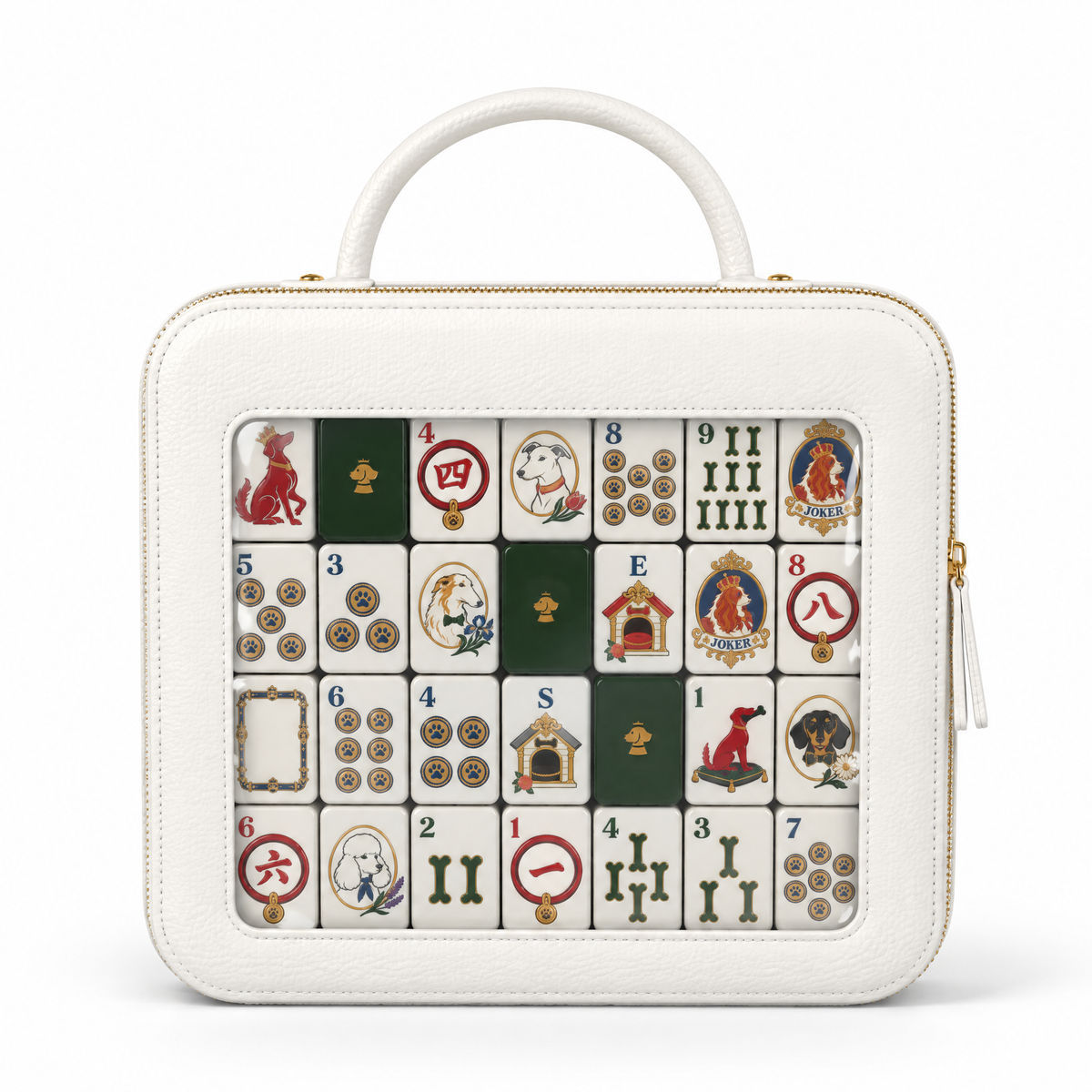
Singapore mahjong uses 136 tiles (one suit each of Bams, Craks, Dots numbered 1–9 in fours, plus 16 winds, 12 dragons, and 8 flowers). Unlike American mahjong, Singapore hands allow chows (sequences like 1–2–3 Dots), melds can be called or exposed, and scoring is simpler—winning pays set values based on hand type, not point multiplication. Play flows with a live wall, dead wall, and flower/bonus tile rules. A complete game averages 15–20 minutes per hand. Most players consult a hand reference card during play; we recommend carrying a laminated cheat sheet or keeping one on your mat so you learn patterns without slowing the table. Jokers don't exist in traditional Singapore mahjong, but bonus tiles and lucky draws reward timing and luck equally. If you're moving from American mahjong, expect looser patterns, faster decisions, and fewer rule lookups once you memorize the seven winning hand types.
Singapore mahjong combines Cantonese roots with unique local scoring and hand patterns. Unlike American mahjong, Singapore hands allow chows (sequences like 1–2–3 Dots), melds can be called or exposed, and scoring is simpler—winning pays set values based on hand type, not point multiplication. Play flows with a live wall, dead wall, and flower/bonus tile rules. A complete game averages 15–20 minutes per hand. Most players consult a hand reference card during play; we recommend carrying a laminated cheat sheet or keeping one on your mat so you learn patterns without slowing the table. Jokers don't exist in traditional Singapore mahjong, but bonus tiles and lucky draws reward timing and luck equally. If you're moving from American mahjong, expect looser patterns, faster decisions, and fewer rule lookups once you memorize the seven winning hand types.
🀄 Shop best-selling mahjong sets →
How many tiles does Singapore mahjong use and what are they?
Singapore mahjong plays with 136 tiles total: 108 suited tiles (Bams, Craks, Dots—each 1–9 numbered four times), 16 winds (four each: North, East, South, West), 12 dragons (four each: Red, Green, White), and 8 flowers (one through eight, each appearing once). The White dragon often functions as a wild card in certain regional variants. Unlike American sets, Singapore mahjong never uses jokers; the hand is complete at 136 tiles. If you're shopping for a set to learn Singapore play, look for a design labeled "Cantonese" or "Hong Kong," since these regions share core rules and tile counts with Singapore. American mahjong sets (with 152 tiles and jokers) won't work for authentic Singapore play without house rule modifications.

What are the seven winning hand types in Singapore mahjong?
The core winning hands in Singapore mahjong are: Standard Hand (two pairs plus one sequence), Pung Hand (all three-of-a-kind groups), Kong Hand (all four-of-a-kind groups), Chow Hand (all sequences), Mixed Hand (both pungs and chows), All Pairs (seven identical pairs), and All Sequences (five or six chows plus a pair). Each has a base point value; bonus multipliers apply if you win on a draw, complete a hand via the dead wall, or draw a bonus tile. Winners score set amounts against each opponent—East usually pays or receives double—making math faster than American mahjong. Many Singapore players keep a folded reference card in their rack or on the mat; we've found laminated quick-guides tucked beside the best-selling mahjong sets save time during your first dozen games.
🎁 See our most-loved mahjong sets & accessories →
How does Singapore mahjong scoring differ from American mahjong?
Singapore mahjong uses fixed point values assigned to each winning hand type, not multiplied calculations. A Standard Hand wins a baseline amount (often 1 point or chip per opponent); a Pung Hand pays double or more. East wind pays or receives at a set multiplier (usually 2×). American mahjong, by contrast, multiplies base points by fans (limit, all pairs, like hand, etc.) to reach double-digit or triple-digit payouts. Singapore's flat-payment model keeps games shorter and mental math simpler—a typical round settles in minutes without consulting scoring reference sheets. If you're teaching someone who knows American rules, emphasize: no fans, no multipliers, one payout per hand type. Regional house rules vary; some tables add bonuses for self-drawn wins or consecutive East hands. Always clarify payment structure before you sit down, since a "friendly" game in one neighborhood may play entirely different bonus rules than another.
Aspect | Singapore Mahjong | American Mahjong |
Tile count | 136 tiles | 152 tiles (+ 8 jokers) |
Jokers | None | Yes—can substitute in sets or sequences |
Chows allowed | Yes (1–2–3, etc.) | No—impossible to call or expose |
Melds | Can be exposed or called live | Only specific melds exposed; jokers never in singles |
Scoring | Fixed points per hand type | Points multiplied by fan count |
Winning hands | 7 main types + regional variants | Hundreds on the National League card each year |
Hand reference | One laminated page suffices | Requires full card or app lookup |
Game length | 15–20 min per hand | 20–30 min per hand |
What tiles do you need to memorize for fast Singapore play?
Focus first on the suit numbers and honors: Bams 1–9 (1 Bam has a bird), Craks 1–9, Dots 1–9, all appearing exactly four times. Then learn the winds (North, East, South, West—called "winds" in scoring), dragons (Red, Green, White), and flowers (1–8). The flower rule is unique: when you draw or receive a flower tile during the initial deal or mid-game, you replace it immediately from the dead wall and draw a replacement. This keeps your hand at 13 or 14 tiles depending on whose turn it is. Many players struggle with flower timing on their first few games; write "draw a flower → draw dead wall tile → continue" on a sticky note and tape it to your mat. Memorizing the hand shapes—"Pung is three of the same, Chow is 1–2–3 in order, Kong is four of the same"—takes practice, but a pocket-size reference card eliminates hesitation once you sit at the table.

How does the wall draw and dead wall work in Singapore play?
Singapore mahjong begins with the live wall: 136 tiles arranged in pairs (called a "wall" of 68 pairs). East deals by drawing 16 tiles (8 pairs), then each player in turn draws 12 (six pairs), leaving 16 pairs in the live wall. After the deal, tiles are drawn one at a time from the live wall in clockwise order until the wall shrinks to the dead wall (the last 16 tiles). The dead wall is used only for replacing flowers, bonus tiles, or certain draws in scoring situations; it is never entered for normal play. If the live wall empties before anyone wins, the game is a "draw" and East deals again. Beginners often confuse the dead wall with the American concept of the loose tile pile; in Singapore, the dead wall is untouchable until a specific rule (like drawing a flower) triggers its use. Many tables avoid confusion by leaving the dead wall tiles face-down in a neat stack at the wall's end, with a clear marker or tape.
What's the quickest way to learn Singapore mahjong if you know American rules?
Start by printing or memorizing the seven winning hand types (Standard, Pung, Kong, Chow, Mixed, All Pairs, All Sequences). Next, accept that chows are allowed and common, unlike American play. Then drill the tile count (136, no jokers) and flower draw rule until it becomes automatic. The biggest mental shift: stop looking for the National Mah Jongg League card—it doesn't exist in Singapore play. Instead, a single laminated cheat sheet with the seven hands, point values, and an example of each hand type covers 95% of your questions. Sit as a non-playing observer (or play for fun with no real stakes) in your first game, track which tiles get called, and notice when players declare a win; you'll absorb patterns faster by watching than by re-reading rules. Once you've seen three complete hands played, you'll instinctively understand the flow. Many of us keep a how to choose a mahjong mat that has printed hand reference on its edge—invaluable for learning sessions.
✨ Find your Mahstead set — free US shipping →
What to check before you buy a Singapore mahjong set
Tile count: Confirm the set has exactly 136 tiles for authentic Singapore play. American sets (152 tiles) require removing 16 tiles before each game, which is awkward.
Material: Acrylic tiles are durable, won't chip like bamboo after heavy play, and shuffle quietly—better for home game tables than dense resin.
Carrying case: If you're learning at someone else's table weekly, a sturdy mahjong travel bag protects tiles and prevents loss mid-game.
Tile clarity: Ensure honors (winds, dragons, flowers) are clearly marked and easy to read in indoor light. Cheap sets blur the Red dragon under glare.
Rack and pusher compatibility: If you order a set with racks, confirm the pushers fit your tile size; oversized pushers jam fine tiles and slow play.
Regional variant clarity: Ask your local group which house rules they use (East payment, flower bonuses, etc.) before buying. One set works for all groups, but hand values may differ.

FAQ
Can I play Singapore mahjong with an American mahjong set?
No—American sets have 152 tiles plus 8 jokers; Singapore uses 136 tiles with no jokers. You'd have to remove 16 tiles and ignore joker rules, disrupting the game. Buy a dedicated 136-tile set labeled Cantonese or Hong Kong mahjong.
What is a "flower" tile and when do I draw from the dead wall?
Flowers (numbered 1–8, one copy each) are bonus tiles. When you draw or receive one during the initial deal or active play, you immediately exchange it for a tile from the dead wall, then continue your turn as if the swap never happened. This keeps hand size correct.
Do Singapore mahjong rules change by city or neighborhood?
Yes. Base hand types and tile counts are universal, but payment multipliers, East wind premiums, and bonus tile rules vary widely. Always ask your table "What house rules are we playing?" before the first hand to avoid confusion on payouts.
How long does one complete Singapore mahjong game take?
One hand (win or draw) typically lasts 15–20 minutes once players are familiar with the rules. A full session of four or eight hands takes 1–3 hours depending on table speed and house rule complexity.
Is Singapore mahjong easier to learn than American mahjong?
Easier in some ways (fixed scoring, fewer hand types to memorize, shorter games), harder in others (chows require pattern recognition, flower swap rule adds steps, and house rule variation means less standardization). Most players learn the basics in two to three full games.
Where can I find people to play Singapore mahjong near me?
Check community centers, libraries, and cultural centers in neighborhoods with large Southeast Asian populations. Many offer open mahjong sessions or can refer you to clubs. Online forums and neighborhood apps often list weekly games; ask locals which variant they play before attending.


View More
View More
View More
