
Girls Night Mahjong Party Decorations: Themes & Table Setup
Last updated: Nov 23, 2026
Mahjong party decorations work best when they reinforce the game itself rather than compete with it. Start with an engraved acrylic set in a color or custom design that reflects your group's humor or aesthetic—our best-selling collection includes sets with witty titles, jewel tones, and metallic accents. Layer in a coordinating mat (which frames the play area and defines the table visually), quality racks with pushers in matching materials, and a dedicated storage bag so the set becomes a keepsake. Ambient lighting (string lights or candles), a small centerpiece off the mat, name cards for seats, and snacks displayed in low bowls complete the scene without cluttering the play zone. The real decoration is the game itself—beautiful tiles and a clean, intentional table let the tiles and conversation shine.
A girls night mahjong party succeeds not by drowning the table in glitter, but by choosing pieces that celebrate the game and give your crew something beautiful to reach for week after week. We've hosted hundreds of games in living rooms, patios, and dining rooms, and the parties that feel most special are the ones where every object—the tiles, the mat, the rack—was chosen deliberately. That intention is itself the decoration.
Why do tiles become the centerpiece of party décor?
Mahjong tiles are inherently beautiful. They're tactile, colorful, and immediately recognizable. Unlike generic game pieces, tiles carry visual weight and cultural resonance. When you choose an engraved American mahjong set with custom lettering or a set in a saturated jewel tone, you're not decorating around the game—you're decorating with it. The tiles themselves become the focal point. A set with a witty title (like a pun, the year, or a group name) transforms from equipment into a shared memory object. Your guests will photograph it. They'll talk about it. It sits on the table whether anyone is playing or not.
🀄 Shop best-selling mahjong sets →

What role does the mat play in setting the party mood?
A mahjong mat serves two jobs: it protects the tiles and defines the table's visual boundary. But it's also the largest surface in the play zone. A coordinating mat in a complementary color or pattern—whether understated or bold—ties the whole scene together. A rich emerald mat paired with gold-accented tiles feels luxe. A neutral linen mat lets colorful tiles pop. The mat also signals to guests: this is the mahjong space. Without it, the table can feel scattered. With it, even a small, casual game looks intentional and hosted. Choose a mat size and thickness that feels stable under your usual playing group (typically four players per table).
How do racks and pushers enhance the tablescape?
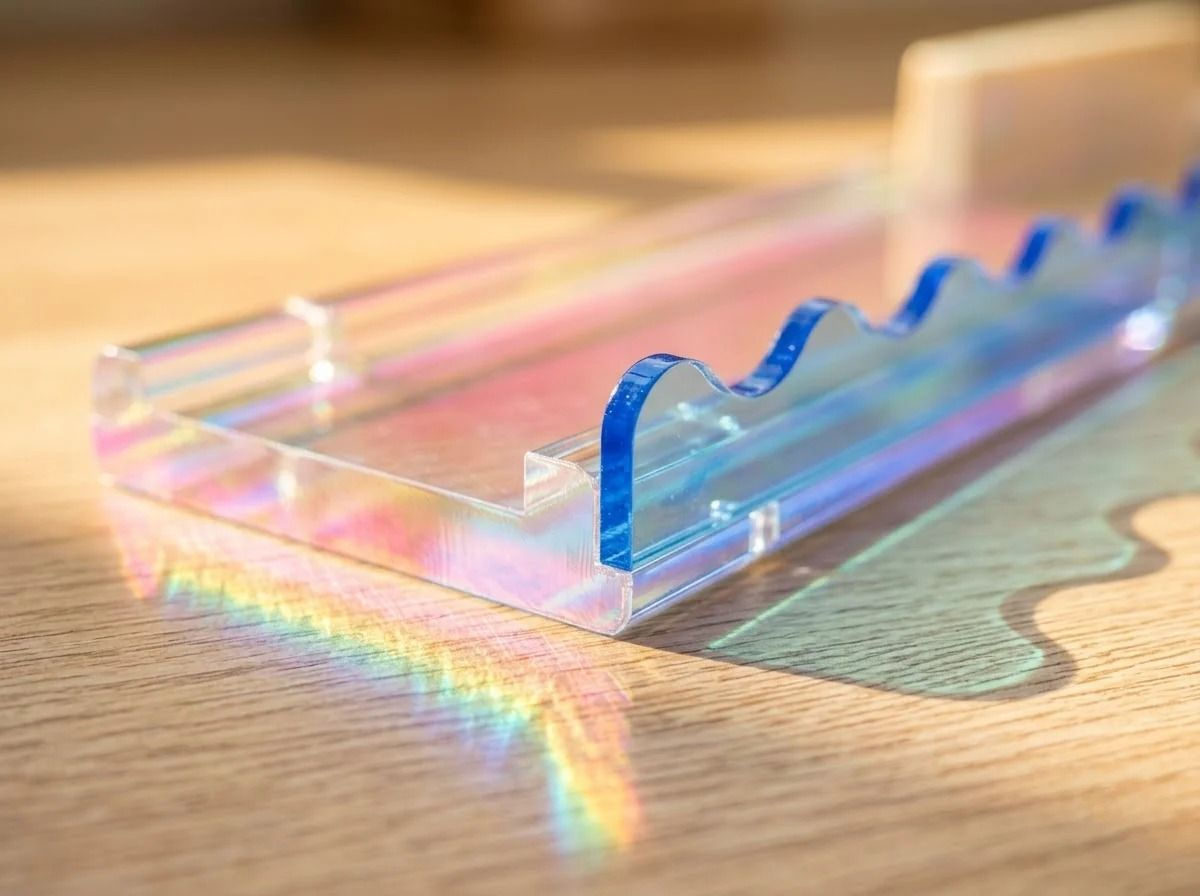
Quality racks with pushers in acrylic or wood—especially if they match your set's aesthetic—elevate the entire visual. They're not hidden equipment; they sit in front of each player and become part of the table's geometry. A set of uniform, well-made racks creates visual symmetry and signals care. Players hold their hands more comfortably, tiles don't tumble, and the table looks polished. Mismatched or flimsy racks, by contrast, make even a beautiful set feel chaotic. Racks are the unsung decorators of mahjong tables.
What's the decoration strategy for small spaces or casual setups?
If you're playing in a tight space (a coffee table, a card table, a patio side table), skip the side décor and let the game fill the room. Use a mat, a high-quality set in a color that pops against your walls, and quality racks. Skip the centerpiece, keep snacks minimal, and let the tiles do the work. A single votive candle or a string of small battery-powered lights above the table (not on it) adds mood without clutter. In tight quarters, simplicity reads as elegance.
How do you layer decoration without overwhelming the play zone?
Decoration should happen outside the mat's edges. Place name cards at each seat (even if everyone knows their spot—it's a hospitality gesture). Set snacks and drinks on a side table or bar cart, never crowding the playing surface. Use low, narrow centerpieces (a bud vase, a small wooden box) that sit at the table's center if you must have one—nothing taller than 8 inches that blocks sightlines. Ambient lighting (overhead dimmed, small lamps, candles on the perimeter) sets mood without heat or distraction. Patterned or themed napkins and small plates honor the occasion without cluttering hands. The rule: if it's not on the mat and it doesn't block play or conversation, it's fair game.
Decoration Element | Best For | Why It Works | What to Avoid |
Engraved or witty set | All parties | Becomes a keepsake & conversation starter | Generic, plain acrylic without character |
Coordinating mat | All parties | Frames the game & unifies the visual | Bare table or clashing mat colors |
Quality racks & pushers | All parties | Completes the aesthetic + improves play | Mismatched or wobbly racks |
Side lighting | Evening games | Sets mood without interfering | Candles or lamps directly on the mat |
Name cards or placeholders | Formal or first-time groups | Signals intentionality | Unnamed seats (feels casual, not hosted) |
Themed snacks display | Themed parties | Extends the visual story off-table | Snacks piled on playing surface |
Fresh flowers or greenery | Spring/summer games | Adds color without kitsch | Overstuffed arrangements blocking sight lines |

What's the difference between a themed mahjong party and a standard girls night?
A themed party (decade night, seasonal, color-based) gives you a framework for choices. If you're doing a "green and gold" night, choose a set with those tones, a coordinating mat, and use green stemware and gold napkins. For a retro or vintage vibe, look for sets with classic aesthetics or wooden elements. For a contemporary or minimalist party, choose clean lines and jewel tones. The best-selling collection includes designs across all these sensibilities. A non-themed night simply means you choose what feels personal: your group's inside jokes, favorite colors, or a set that's been on your wish list. Either way, the intention matters more than the theme.
🎁 See our most-loved mahjong sets & accessories →
How do you store the decorated set so it stays party-ready?
After the night ends, a beautiful set deserves a home. A quality mahjong bag or case protects tiles from dust, damage, and fading. It also means your set is ready to grab for the next game without unpacking and repacking. Many of our players keep their sets in a dedicated bag that sits visibly on a shelf—the bag itself becomes part of the décor because it signals: we play here. A well-stored set lasts for years and looks fresh every time you pull it out.
What if you're hosting mahjong for beginners on girls night?
If your group is new to mahjong, the visual setup actually helps teach. A beautiful mat defines the play space. Clear racks with pushers make it easier for players to see their hands. A set with clear numbering and suit symbols (especially if you choose acrylic over resin) helps beginners recognize tiles faster. The goal is to remove friction so the game feels fun, not stressful. Decoration serves learning when it's organized and minimal.
✨ Find your Mahstead set — free US shipping →
What to check before you buy:
Set aesthetic: Does the color, title, or design align with your group's humor or your party's vibe? Look at photos in daylight and indoor lighting.
Mat size and material: Measure your table. Choose a mat thickness that feels stable (typically 0.25–0.5 inches). Check that the material is wipeable if spills are likely.
Rack compatibility: Ensure racks fit your hands comfortably. Acrylic racks are lightweight and sleek; wood adds warmth. Both should feel sturdy.
Storage plan: Before the party, confirm you have a bag or case. A beautiful set stored in a plastic box reads differently than one stored in a dedicated carrier.
Lighting: Test your party lighting (string lights, candles, overhead dimmed) in advance to see how it plays with your tile colors.
Guest count: Standard American mahjong is four players. If you're running multiple tables or hosting rotations, plan for mats and racks per table, not one centerpiece set.

FAQ
Do I need to match the mat color to the mahjong set?
No, but coordination reads as intentional. A neutral mat (ivory, gray, black) works with any set. If your set has a dominant color (emerald, coral), a matching mat or a complementary tone (like gold or cream) creates visual flow. Clashing colors aren't wrong—they're just noticed.
Can I decorate the table surface beyond the mat?
Yes. Keep décor outside the mat's perimeter: candles at table corners, name cards at each seat, a low centerpiece, snacks on a side table. Never place anything on the mat itself except the tiles, racks, and dice during play.
What size mahjong set should I buy for a typical girls night?
The standard American mahjong set is 160 tiles (152 tiles in play plus spares). One set serves four players. If you regularly host more than four, buy one set per table, not one shared set.
How do engraved sets differ from plain sets in terms of party appeal?
An engraved set (custom titles, year, group name, witty slogans) becomes a keepsake and conversation starter. It's a visual signal that this game matters to your group. Plain sets are classic and versatile but less memorable as objects.
Are wooden racks and plastic/acrylic racks equally functional?
Yes. Wooden racks feel warm and traditional; acrylic racks look modern and sleek. Choose based on your table's aesthetic. Both should feel stable and fit your hands comfortably—test if possible before buying.
What's the best lighting for a mahjong party table?
Overhead lighting dimmed to 50–70%, with supplemental ambient light (candles, string lights) around the table's perimeter. Avoid harsh overhead-only light, which creates glare on tiles. Never place a heat source (candle, lamp) directly on the mat.
Can I use a mahjong party set as an everyday playing set, or should I save it?
Use it. A beautiful set is meant to be played with. Regular play is the best form of appreciation. Just store it carefully between games in a dedicated bag or case to keep it fresh.


View More
View More
View More
