
Sichuan Mahjong for Beginners: Rules, Tiles & Setup
Last updated: Nov 23, 2026
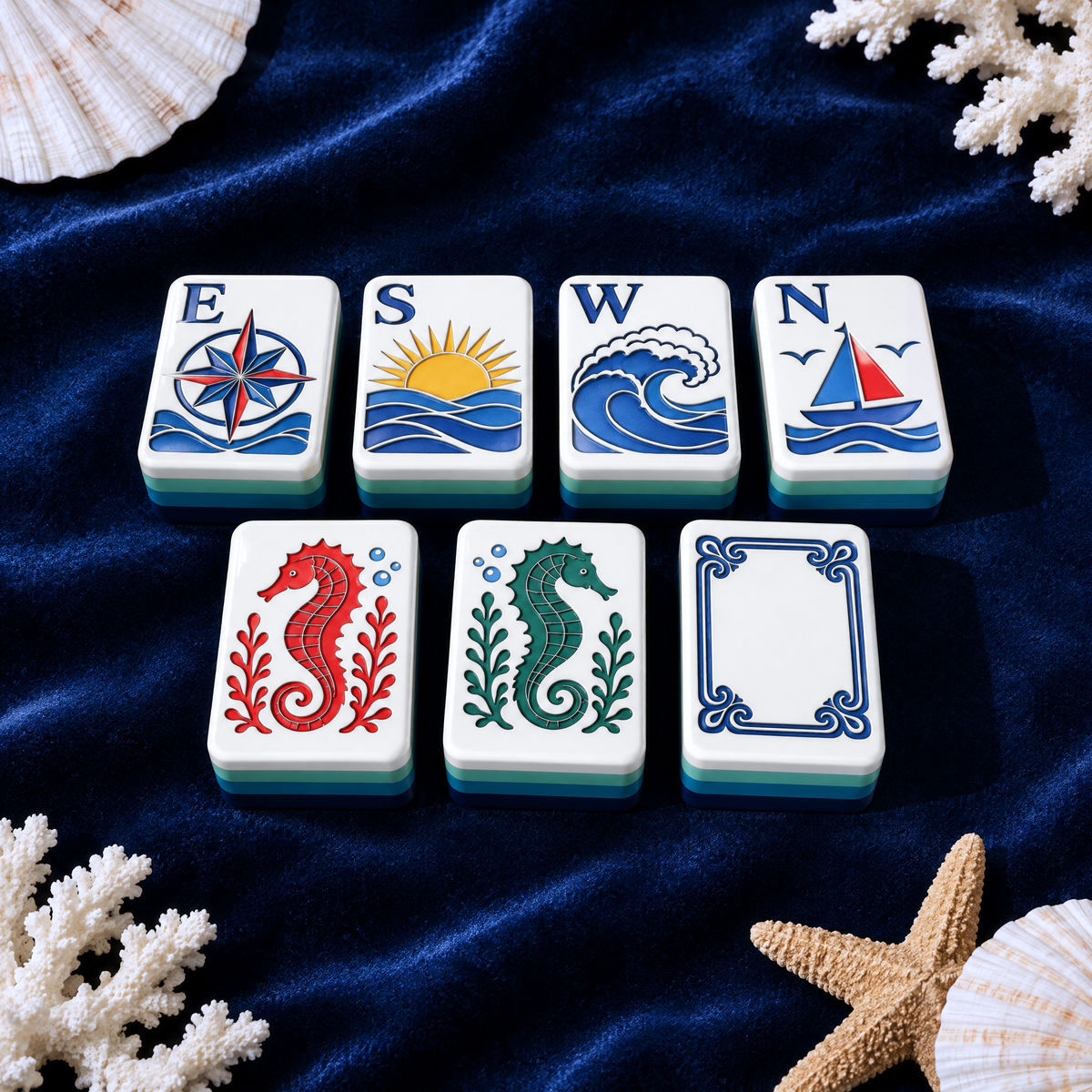
Sichuan mahjong is a Chinese regional variant using 136 tiles—four each of numbers 1–9 in three suits (Bamboo, Character, Dot), 16 wind tiles, 12 dragon tiles, and 8 flower tiles. Games are typically 4-player, last 15–40 minutes per round, and use a completely different hand-completion system than American mahjong: players draw and discard to form melds (chows of three consecutive numbers, pungs of three identical tiles), win by declaring a complete 14-tile hand, and score based on the hand type and tile combinations. Sichuan rules allow chows (sequences), let any player call discards, and use rapid betting rounds. Unlike American play, there is no annual hand card, no Charleston tile pass, and no jokers. Beginners should start with a standard Chinese mahjong set and learn the four hand melds, discard strategy, and calling protocol before hosting.
🀄 Shop best-selling mahjong sets →
How is Sichuan mahjong different from American mahjong?
The two games use completely separate rule systems. American mahjong uses 152 tiles and 8 jokers, requires matching hands from an annual card, forbids chows, and allows exposed melds of three to six identical tiles or higher multiples. Sichuan uses 136 tiles, allows players to form chows (1–2–3, 5–6–7, etc.), lets any player call a discarded tile instantly, scores by hand type and multipliers, and has no jokers or annual hand card. An American round takes 20–30 minutes; a Sichuan round is often 10–15. If you play American weekly and want to explore Chinese variants, expect to unlearn the "no chows" rule first—that's the biggest conceptual shift. Sichuan also uses real-money betting in many communities, though beginner groups often play for fun or points only.

What tiles are in a Sichuan mahjong set?
A standard Sichuan set contains 136 tiles. Four each of:
Suit tiles (108): Numbers 1–9 in Bamboo (竹), Character (万), and Dot (筒) — 36 tiles per suit, four copies each
Wind tiles (16): Four each of North, East, South, West
Dragon tiles (12): Four each of Red (中), Green (發), and White (白)
Flower tiles (8): Often numbered 1–4 with two copies each, or unique designs; flowers are typically drawn at game start and replaced by the wall
Many Sichuan sets also include one or two blank tiles for replacement. Unlike American sets with engraved tiles and acrylic designs, Chinese Sichuan tiles are usually plastic or bone with embossed characters, smaller than American tiles, and often sold with bamboo racks and pushers. The tiles stack in a wall four tiles high and 17 tiles wide per player; the wall is then broken and dealt into hands of 13 tiles each, with one additional tile drawn on the first turn.
How do you win a hand in Sichuan mahjong?
A winning hand always has 14 tiles arranged in four melds plus one pair (the eye). The four melds can be:
Chow (顺): Three consecutive numbers in the same suit (e.g., 3–4–5 Bamboo)
Pung (刻): Three identical tiles (e.g., three East Winds)
Kong (杠): Four identical tiles
Pair (将): Two identical tiles (the eye)
Example winning hand: 1–2–3 Bamboo (chow), 4–4–4 Dot (pung), East–East–East (pung), 7–8–9 Character (chow), plus Red–Red (pair) = 14 tiles, declared as a win. You declare "hu" (胡) or "win" and reveal your hand. Speed matters: the player who completes and calls first wins the pot. Unlike American mahjong, you can form winning hands by calling a discarded tile (even if another player just threw it), drawing from the wall, or—in some Sichuan variants—pulling from the dead wall or robbing a kong. Points are scored by hand type (common hand vs. special hand patterns), suit mix, and whether you won from a discard or draw.

What are the key rules for calling and discarding?
In Sichuan mahjong, turn order is strict but calling (claiming a discarded tile) is fast and free-for-all. Each player draws one tile, melds as needed (or holds the tile), and discards one tile face-up onto the table in the center. Any player can claim that discard to complete a chow, pung, kong, or winning hand—if multiple players claim the same tile, winning has priority over melds, and the player seated closest to the discarder in turn order wins the claim. If no one claims the tile, it stays in the pool and the next player draws from the wall. Discards are never called back or modified. Common mistakes: discarding too early (experienced players read the wall and opponent strategy before throwing), calling out of turn (in some venues this forfeits your claim), and forgetting to declare your melds aloud (called "露" or "expose"). Beginners often overthink the discard—pick a tile that doesn't match your suit or a high terminal that no one is chasing. Keep discards in a neat row so players can trace the history of the hand.
Rule Element | Sichuan Mahjong | American Mahjong | Why It Matters |
Tile count | 136 | 152 + 8 jokers | Sichuan wall is smaller, hands form faster |
Chows allowed | Yes (1–2–3, etc.) | No | Completely changes meld strategy |
Calling | Any player, any time, free | Specific melds only, structured | Sichuan is competitive, reactive; American is planned |
Jokers | None | 8 (wild in American melds) | Sichuan requires exact tiles; no wildcards |
Hand source | Player-built, many patterns | Annual NMJL card only | Sichuan has infinite hand types; American is limited |
Betting | Often real money, per round | Usually points or no money | Know your group's stakes before sitting |
Round time | 10–15 minutes | 20–30 minutes | Sichuan is faster, more turns per session |
What should you know before hosting your first Sichuan game?
Before inviting three players to the table, check these essentials. First, confirm which Sichuan variant your group plays—there are regional differences in hand scoring, special melds, and whether robbing a kong is allowed; the most common beginner version is "Blood Dragon" (血流). Second, agree on stakes upfront: are you playing for fun (no money), points only, or actual cash? Third, use a durable mat designed for frequent play to protect tiles and reduce noise—Sichuan tiles are smaller and can slide; a mat with clearly marked positions helps beginners place melds correctly. Fourth, ensure everyone knows the wall-breaking ritual: the South player rolls two dice, counts off seats, and that player breaks the wall; this determines deal order. Fifth, keep score visible on paper or a scoring app, especially for your first two sessions. Finally, announce melds as you lay them down—don't rely on players spotting a hidden chow. Most beginner mistakes come from unclear communication, not from rule misunderstanding. Host a pre-game 10-minute walkthrough: explain that all chows must be consecutive, all pungs must be identical, and everyone wins when they reach 14 tiles in the correct pattern.
🎁 See our most-loved mahjong sets & accessories →
What to check before you buy
Tile material: Plastic Sichuan tiles are lightweight, affordable, and quiet; bone or bamboo tiles feel premium but are heavier and louder. Choose based on noise tolerance and durability—if you play weekly, bone lasts longer.
Tile size: Standard Sichuan tiles are 20–22 mm wide (smaller than American tiles). Verify dimensions on the product page if you have hand strength concerns or vision limits.
Set completeness: Confirm the set includes bamboo racks, pushers, and a carrying bag. Some budget sets omit racks; you'll need them for hand organization.
Scoring tool: Sichuan hand scoring is complex. Consider a scoring chart or app so you don't derail the game with disputes. Many groups use a paper scorecard or a smartphone calculator.
✨ Find your Mahstead set — free US shipping →

FAQ
Can I play Sichuan mahjong with only three players?
Yes, but rules change significantly. Many Sichuan groups remove the lowest-ranking tile (often White dragon) and play with 119 tiles, dealing fewer initial tiles. Some variants skip the flower round. Check with your group first—3-player Sichuan is regional and house rules vary widely. If you're starting out, begin with a full 4-player game to learn the standard rules, then experiment with variant player counts.
How much does a Sichuan mahjong set cost, and what's included?
Prices vary by material and vendor; see the product page for current pricing. Most entry-level sets include 136 tiles, four bamboo racks with pushers, and a carrying bag. Premium sets add bone or jade tiles, felt mats, and decorative cases. For beginner groups, a basic plastic set with racks and a bag is sufficient; upgrade if your group plays weekly for months.
What's the fastest way to learn Sichuan hand patterns?
Memorize the four meld types (chow, pung, kong, pair) and practice forming one complete hand (14 tiles) at a time. Play practice hands with open tiles for your first 3–4 sessions; this lets you see all possible patterns without shame. Write down three winning hands you saw and recreate them later. Most players internalize patterns after 10 live rounds—speed comes from repetition, not study.
Do I need an annual card like American mahjong uses?
No. Sichuan mahjong has no official hand card. Instead, learn the hand patterns your group recognizes (common vs. special hands, bonus multipliers for certain tile combinations). Ask an experienced player to write down the five most common winning patterns in your group's rules, and refer to that list until the patterns stick. Different regions score hands differently; ask before sitting down.
How is betting handled in Sichuan mahjong?
This depends entirely on your group. Many casual or family groups play for points only and settle the score (e.g., loser buys coffee). Some groups use a fixed bet per round (e.g., $1 per winning hand). Money games often use a "base unit" system where special hands multiply the pot. Before your first game, ask: "Are we playing for money, points, or fun?" and agree on amounts. Never assume; mismatched stakes create tension.
Can I use an American mahjong set for Sichuan?
Not easily. American sets have 152 tiles plus jokers and include flowers and dragons formatted for American hands; the tiles are larger and include wind/dragon multiples that don't match Sichuan wall structure. You need exactly 136 tiles in the Sichuan tile order, plus bamboo racks. Buy a proper Sichuan set—they're affordable and widely available in Dallas and online with free shipping.


View More
View More
View More
