
Pool Mahjong Cookies: What They Are & Where to Find Them
Last updated: Nov 23, 2026
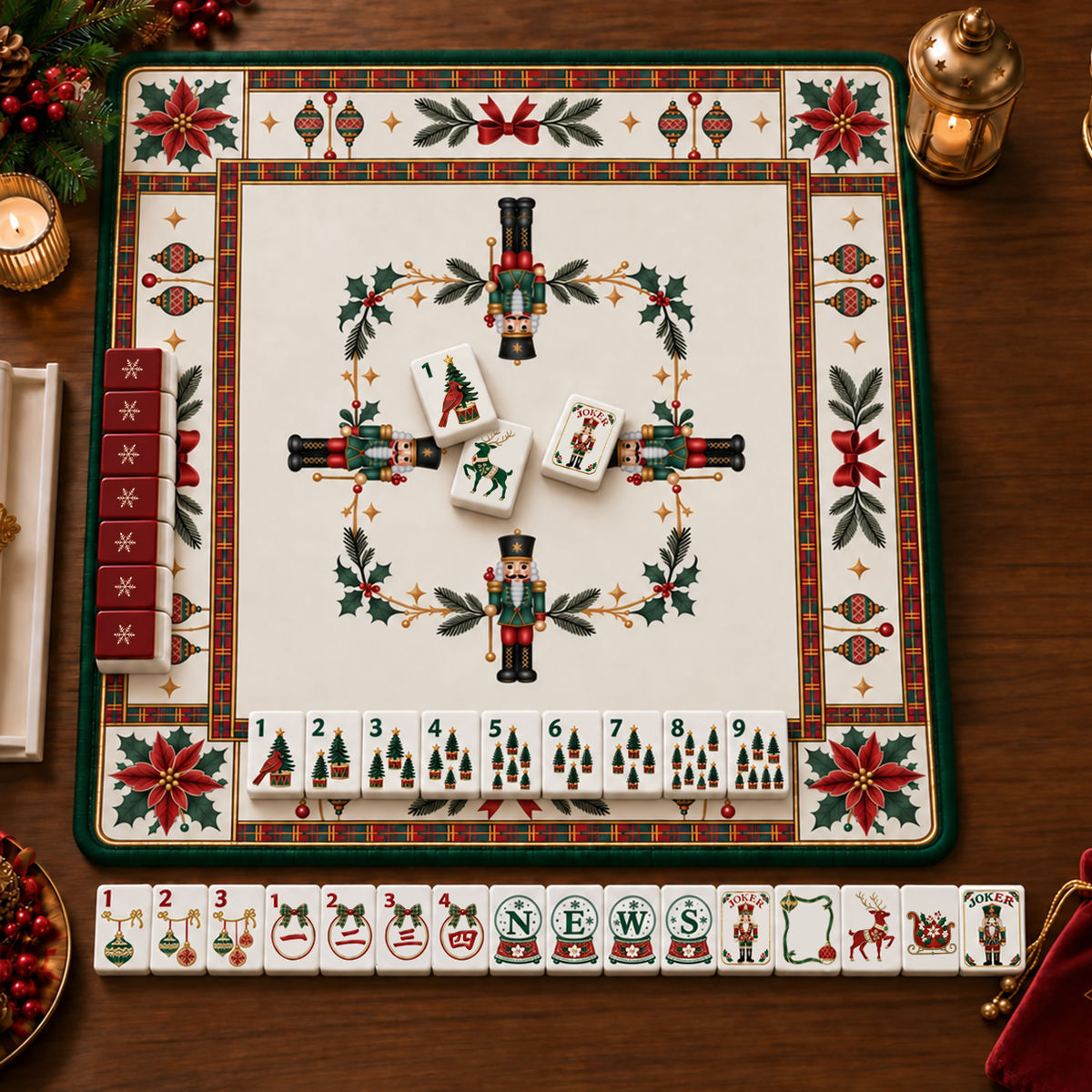
Pool mahjong cookies are round or square betting tokens used in American mahjong to track and settle monetary wagers during play. Players use them to pay out winners based on the hand score and their initial bet. Most sets include tokens in denominations like 1¢, 5¢, 10¢, and 25¢, though some use alternative values (1, 5, 10, 25 points). They're typically made from plastic, clay composite, or acrylic and come in sets of 100–200 pieces. Cost varies by material and quantity; clay-composite tokens cost more than plastic. American mahjong cookies are purely optional—many players track scores on paper or with a calculator instead. To avoid disputes, all four players must agree on denominations and total pot amounts before the Charleston begins.
Are pool mahjong cookies required, or can we just keep score on paper?
Cookies are entirely optional. Many players, especially beginners or casual groups, score wins and losses in a notebook or spreadsheet throughout the game. However, physical tokens make betting faster, prevent math errors mid-hand, and add a tactile element that many players enjoy. If your group plays for money regularly, cookies eliminate arguments about who owes what. If you play for fun or only occasionally, skip them—pen and paper work perfectly fine.
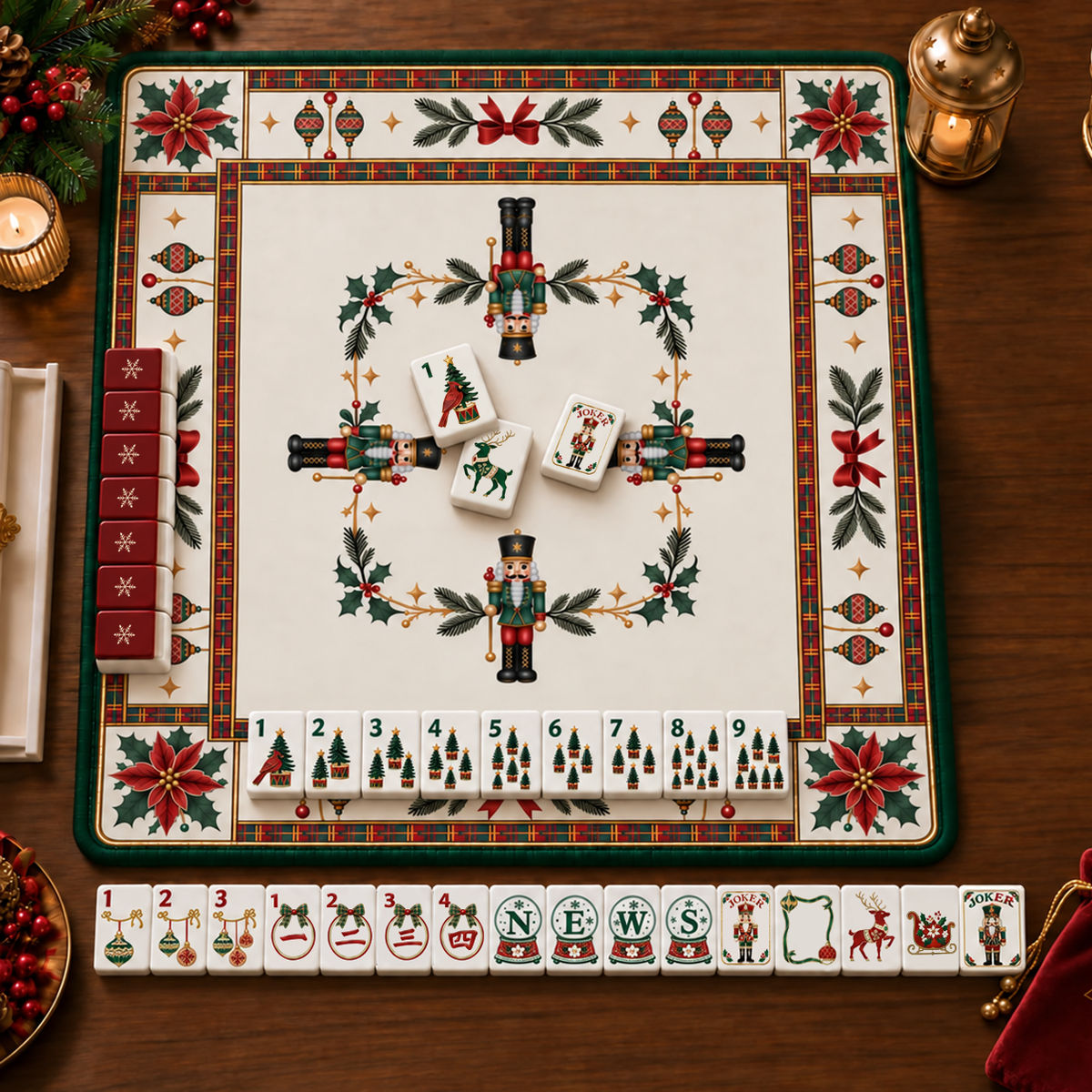
How do the denominations work during a game?
Each token represents a fixed cash value: 1¢, 5¢, 10¢, or 25¢ per unit (though you can use any currency or points system). When you win a hand, you calculate your score from the mahjong card and multiply by the agreed per-point rate. For example, if you win a 30-point hand and the rate is 5¢ per point, you collect 150¢ (six 25¢ tokens, or equivalent). Before play, all four players agree on: (1) the per-point rate, (2) whether winners collect from all three players equally or in other proportions, and (3) a default minimum pot. Write these rules down so there's no confusion after round one.
🀄 Shop best-selling mahjong sets →
What's the difference between plastic, clay, and acrylic cookies?
Material | Weight | Durability | Stacking | Feel | Best for |
Plastic | Light | 2–3 years | Fair | Hollow, thin | Budget groups, casual play |
Clay composite | Medium | 5+ years | Excellent | Weighty, quiet | Regular players, serious games |
Acrylic | Light to medium | 3–5 years | Good | Smooth, modern | Decorative sets, gift play |
Plastic cookies are cheap and portable but feel insubstantial and wear quickly. Clay-composite tokens have the heft and slide of real casino chips; they're worth the higher cost if you play weekly. Acrylic tokens offer a middle ground—they're durable, can be engraved or custom-printed, and feel upscale. Choose based on how often you play and whether you want cookies to match a mahjong set with personalized tiles or engravings.
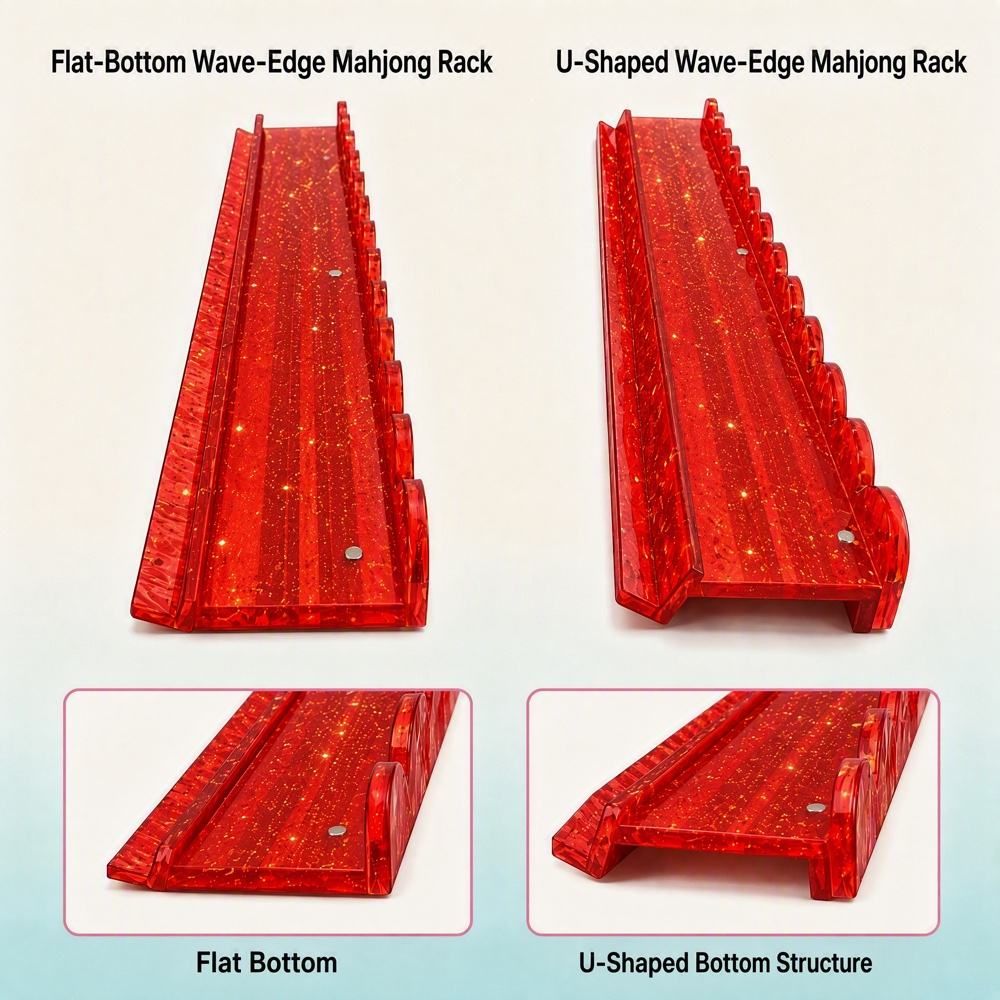
Can you customize or engrave mahjong cookies?
Yes, many acrylic and wood-blend tokens can be engraved with player initials, a group logo, or the year. Customized cookies are popular as gifts for mahjong clubs or milestone groups—for example, "Dallas Thursday Night 2026" or a player's initials on each denomination. Engraving typically costs more than plain tokens and takes 1–2 weeks. Plain cookies arrive faster. If you're planning a special game or celebrating a milestone, start the order early.
What's the honest take on storing and organizing your cookie set?
Pool cookies live longest in a small drawstring bag or compartmented organizer—loose tokens in a shoebox scratch and mix denominations. Use a dice-sized container to keep each value separated during play so you don't grab the wrong chip mid-hand. If you play with the same group weekly, label or color-code each denomination (e.g., red for 1¢, white for 5¢) so new players spot the value instantly. Many players store cookies in the same case or bag as their American mahjong set, so everything travels together. Check your tokens before each game—missing a handful of 25¢ chips mid-season is easy to overlook and creates billing headaches.
🎁 See our most-loved mahjong sets & accessories →
Do online or tournament players use cookies differently?
No. Online mahjong platforms use digital wallets or point systems instead of physical tokens. Live tournaments (American Mahjong League events, regional playoffs) typically forbid cash wagering, so players don't use cookies in the formal sense; instead, they play for placement and prizes, or players agree to friendly side bets using tokens after the match ends, handled privately. Casual tournament groups sometimes keep cookies handy for friendly pots on the side table. If you're entering a league event, check the rules—most don't permit betting during the official game. Cookies are designed for home games and casual weekly play among friends.
What to check before you buy
Quantity: A standard set has 100–200 tokens. For four players meeting weekly, 100–150 chips per denomination suffice. If you host larger games or want spares, buy 200+.
Denominations: Confirm the four values (1¢, 5¢, 10¢, 25¢, or equivalent). Some sets only include three denominations; plan accordingly.
Material: Plastic works for occasional use; clay composite or acrylic suit regular play.
Storage: Ensure your chosen set includes a bag or organizer, or buy one separately to keep tokens sorted.
Customization timeline: If engraving is on your wish list, order 2–3 weeks before your first game to avoid delays.
✨ Find your Mahstead set — free US shipping →

FAQ
Do American mahjong rules officially require cookies?
No. The National Mah Jongg League rules and American mahjong gameplay do not mandate cookies. They are a wagering convenience for players who choose to bet. Many groups play purely for points or bragging rights and never use them.
Can I use poker chips instead of mahjong cookies?
Yes. Poker chips work identically—denominations, stacking, and storage are the same. The term "mahjong cookies" is colloquial and refers to any betting token. Some players prefer poker chips because they're cheaper and more widely available.
How much money typically changes hands in a home game?
This varies widely. Some groups play for pennies per point (a single hand might net $1–$5 per winner); others use 5¢ or 10¢ per point (pots of $10–$50 per hand). Agree on the rate before the Charleston to avoid discomfort. Many casual groups play for no money at all.
What if someone runs out of cookies mid-game?
Before the game starts, ensure every player has enough tokens to cover potential losses. If someone runs short during play, pause and rebalance (e.g., "cash out" their tokens for equal value and continue). Most groups agree on a maximum pot size or check balances between rounds.
Can I order cookies that match my custom mahjong set?
Some acrylic token sets can be engraved to coordinate with engraved mahjong tile sets or personalized mats. This creates a matching, cohesive game experience. Contact the supplier with your design idea and allow extra lead time.
Are there rules about who collects the pool if someone goes out early?
No. The pool winner is determined by whoever forms a winning hand on that deal, following the standard mahjong scoring rules for that year's card. If you're wagering, only the hand winner collects—all players pay into a common pot, and the winner takes it according to their hand's point value.


View More
View More
View More
