
Siamese Mahjong Cheat Sheet: Rules, Tiles & Quick Setup
Last updated: Nov 23, 2026
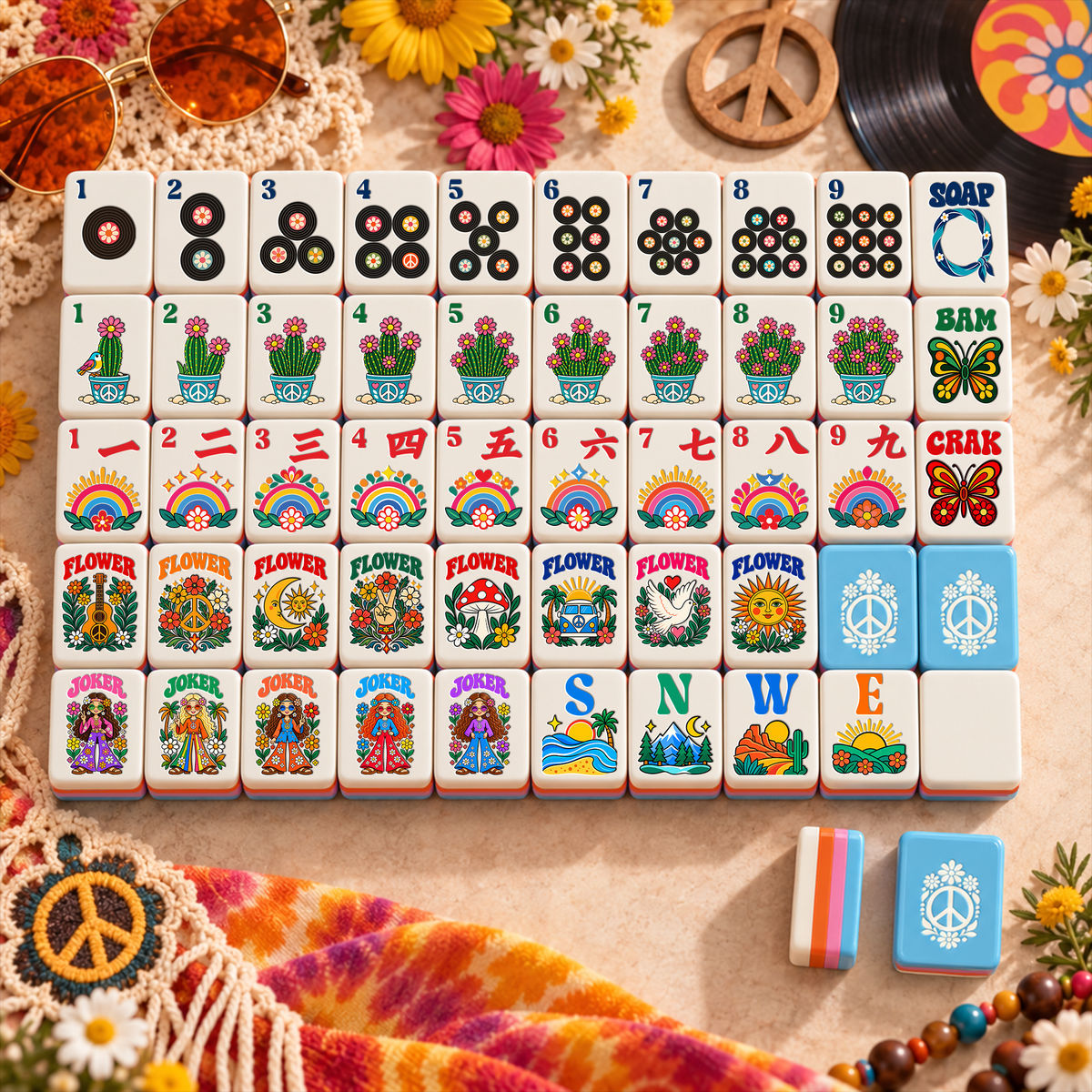
Siamese mahjong is a 144-tile variant played across Thailand, Laos, and Cambodia. It uses three suits (Bams, Craks, Dots numbered 1–9, four copies each), 16 winds, 12 dragons, and no flowers or jokers. Hands are built from fixed patterns on a game card, drawn fresh each season. Like American mahjong, you cannot use sequences (chows); only pungs (3), kongs (4), quints (5), and sextets (6) are exposed melds. The game plays in roughly 15–20 minutes per hand, with four players drawing and discarding one tile per turn. Setup requires a best-selling mahjong set and the current year's official Siamese card. You'll avoid expensive mistakes by understanding which melds are legal before you shuffle.
How many tiles does Siamese mahjong really use—and why not 152 like American?
Siamese mahjong plays with exactly 144 tiles: 108 number tiles (Bams, Craks, Dots 1–9, four copies each), 16 winds (four cardinal directions, four copies), and 12 dragons (four each of Red, Green, White). There are no flowers, no jokers, and no extra blanks. The 144-tile total makes the pool tighter and forces harder discarding decisions than American mahjong's 152-tile game. This difference affects winning odds: hands close faster, and defensive play matters more. Every tile that leaves your rack influences the remaining pool for the next three players, so counting and memory are sharper skills in Siamese play.

What's the core difference between Siamese and American mahjong hand structure?
Both use fixed hand cards—never freestyle patterns. The main split: Siamese cards show patterns using only pungs, kongs, quints, and sextets; chows are illegal. American mahjong also forbids chows, so that's identical. But Siamese hands often emphasize flowers and dragons more heavily in single patterns, whereas American sets commonly mix number suits and wind-dragon combinations. Siamese hand cards are reissued yearly, and winning hands must match exactly a printed pattern. If your rack shows a pung of 5 Craks in a position where the card requires a quint, you cannot meld or win—even if your melds are otherwise legal. Read the card left-to-right and line-by-line before shuffling.
Can you expose melds like a pung or kong during play?
Yes. When you draw a tile, if it completes a pung (three identical tiles), you may expose it face-up on the table and claim it from the discard pile or your own rack. The same applies to kongs (four identical), quints (five), and sextets (six). Once exposed, the meld is locked—you cannot move tiles in or out. Unlike some Chinese variants, you cannot steal a discard to add to an exposed meld; once a meld is on the table, only your own draws can modify your hand. This rule keeps the game tighter and prevents one player from dominating through theft. Always announce your melds aloud so the table agrees the tile count is correct.
How does winning work—and what makes a hand "complete"?
A complete Siamese hand matches a pattern on the current year's game card exactly. You must have all melds (pungs, kongs, quints, sextets) accounted for, with one pair (two identical tiles) at the end. The pair completes the hand—that tile is called the "winning tile." You cannot win on a pair alone; the pair must close the pattern. When you believe you have a winning hand, you declare "Mahjong!" and reveal your melds and pair to the table for verification. If your hand matches the card, you win the hand and claim points. If it does not match, you are penalized (penalties vary by house rules but usually cost you points or sit out a round). Verify your card match before declaring—it prevents embarrassment and saves your score.

What tiles should beginners always count before shuffling?
Before the first hand of a new game, physically lay out and count: 36 Bam tiles (four sets of 1–9), 36 Crak tiles (same), 36 Dot tiles (same), 16 winds, and 12 dragons. That's 144 total. If you're short even one tile, the game breaks down—a discard may repeat, melds may double-count, and draws may collide. Use a small notepad: tick off each suit and type in groups of four. If you play with mahjong racks with pushers, count tiles on the rack before inserting them; a bent or stuck tile can hide in a deep rack pocket and throw you off mid-game. Many new groups skip the count and live to regret it after four hands of confusion. This one-minute check prevents hours of argument.
Siamese vs. American: Key Setup Differences | Siamese | American | Why It Matters |
Total tiles | 144 | 152 | Smaller pool = tighter endgame |
Jokers in play | None | 8 | Siamese has no wildcards |
Flowers | None | 8 | Siamese reduces tile types |
Melds only | Pungs, kongs, quints, sextets | Same, plus exposed chows (rare) | Siamese is simpler; American allows chow exposure (varies by house) |
Draw & discard speed | Slightly faster | Standard | Siamese endgames compress quickly |
Hand card refresh | Yearly | Yearly | Both use current official card |
🀄 Shop best-selling mahjong sets →
How do you handle a dead tile or a counting error mid-game?
If a tile is bent, faded, or unreadable, remove it immediately and set it aside as a spare (if your set contains extras). If no spare of that type exists, stop play and restart the hand with a fresh shuffle—do not jury-rig a replacement. If you discover mid-game that the pool is short one tile (e.g., a discard is missing), backtrack by reviewing the last five turns and checking all exposed melds for duplicates. If the error cannot be resolved, that hand is void; reshuffle and replay. Always reset your rack tiles to their starting positions before each new hand—loose stacks invite counting errors. Many clubs use mahjong mats with grid lines to keep tiles orderly and visible; that discipline cuts mid-game errors by half.
What should you memorize before your first Siamese game?
Wind and Dragon names: North, East, South, West; Red, Green, White. Know them fast so you spot them in your rack without hesitation.
The hand card layout: Most Siamese cards are organized left-to-right by hand number. Scan all patterns quickly before shuffling so you know what's possible.
The point values on your card (if shown): Hands may differ in points—some are rarer or harder to complete, so higher value. Knowing the spread helps you prioritize draws.
Your house rules for penalties: Does a false win cost you a point, or do you sit out a hand? Ask before you play.
Who deals first: Many Siamese games rotate the dealer each hand; confirm the rule at your table.
Write these five items on a sticky note and tape it to your rack the first few games. You'll absorb them faster than you expect.
🎁 See our most-loved mahjong sets & accessories →
What to check before you buy a set for Siamese mahjong
Tile count: Confirm the set is labeled 144 tiles (or 144-tile core, not 152 or 160). Some vendors mix up counts.
Suit clarity: Ensure Bam, Crak, and Dot suits are printed boldly so you read them fast under table lights. Worn tiles slow the game.
Dragon & wind legibility: Red, Green, and White dragons and the four winds must be instantly recognizable. Faded dragons cost you time.
Rack depth: If you use racks, make sure they hold 144 tiles comfortably and the pusher slides smoothly. A stuck pusher interrupts turns.
Bag or case included: Check if your set ships with a travel-friendly mahjong bag for between-game storage. Loose tiles scatter and tile counts become nightmares.
Game card currency: Verify the seller includes the current year Siamese card. Last year's card may have different patterns and point values—using it wastes your setup time.
✨ Find your Mahstead set — free US shipping →

FAQ
Is Siamese mahjong harder than American mahjong for beginners?
Not harder—different. Siamese uses fewer tile types (no flowers or jokers), so the hand card is easier to memorize. But the smaller 144-tile pool means draws close faster and mistakes compound quickly. If you've played American mahjong, Siamese feels tighter but familiar. Start with one slow game to calibrate your instincts.
Can I use an American mahjong set to play Siamese mahjong?
Technically yes, if you remove the flowers, jokers, and blanks and play with 144 tiles. But American sets are designed and priced for 152 tiles. It's awkward, and you'll lose clarity on whether your count is right. Buy or borrow a proper 144-tile set so you trust the math.
What if I draw a tile and realize I have no valid melds—am I stuck?
No. On your turn, you draw one tile, look at your hand, and discard one tile (usually the least useful). You don't have to meld or declare anything. Keep passing draws and discards until someone completes a hand or the pool runs out (dead hand). Melding is optional and strategic—hold tiles longer if the hand is uncertain.
Are Siamese hand cards sold in English, or only Thai?
Both. Many international clubs and online retailers sell English-language Siamese hand cards. Confirm the card includes English suit labels and a legend before you buy. If your group plays in Thai, ask a native player to transliterate key terms so you don't second-guess yourself mid-game.
How long does a typical Siamese mahjong game session last?
One hand plays in 12–20 minutes depending on table speed and how quickly players meld. A casual session of four to eight hands takes one to two hours. Competitive or teaching sessions may add time for rule questions. Always set a session time limit before shuffling so players know the commitment.
Can I shuffle tiles on the table, or must I use a shuffling tray?
Both are fine. Most Siamese players shuffle on the table in a loose pile, then form the wall in front of each player. If you have a shuffling tray (sometimes included with mats), it contains the noise and prevents tiles from falling on laps. Either way, count the pile before forming the wall to catch missing tiles early.


View More
View More
View More
