
Sanma Mahjong Rules: Three-Player Game Guide
Last updated: Nov 23, 2026
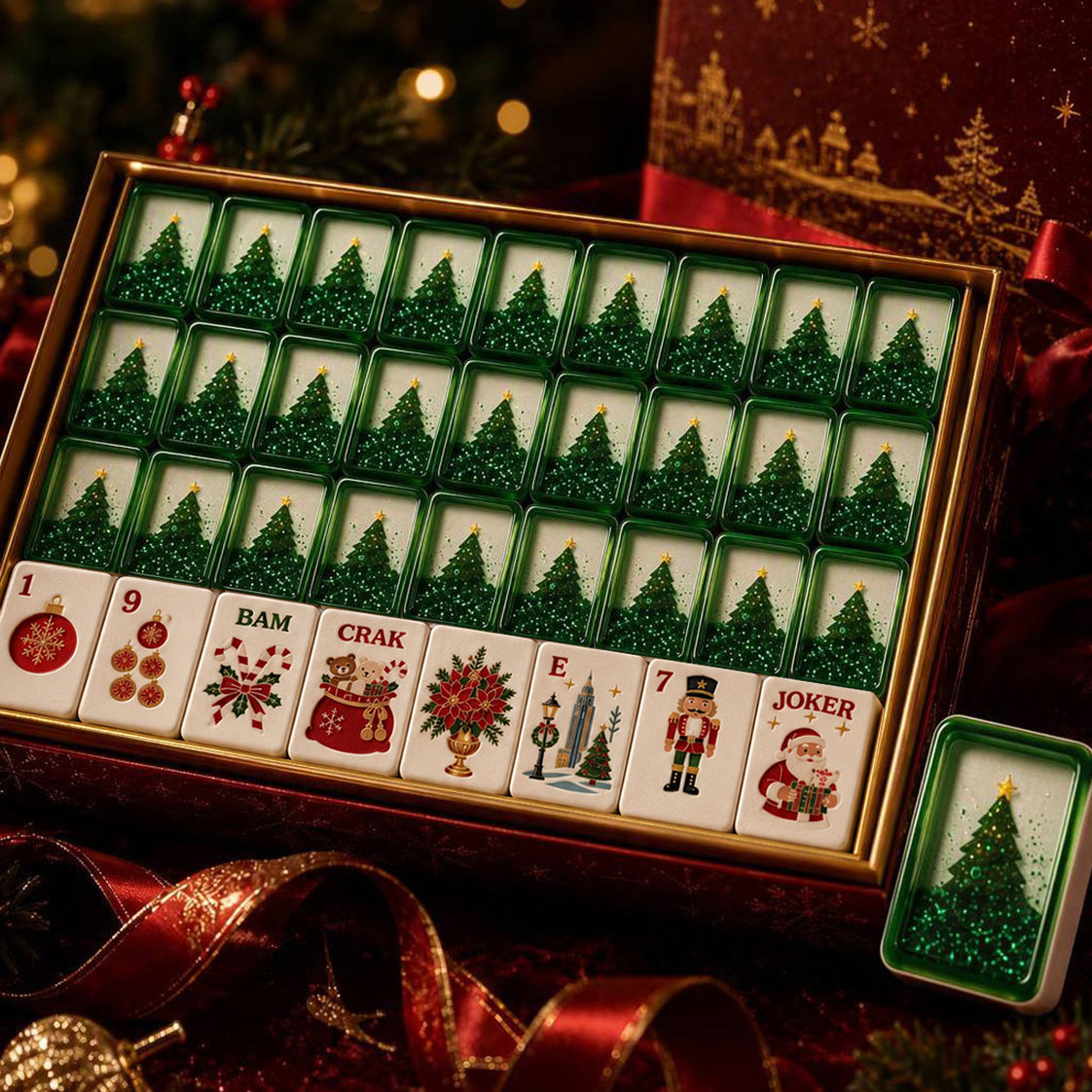
Sanma is a Japanese three-player mahjong variant played with 108 tiles (one suit of Bams, Craks, and Dots numbered 1–9, four copies each; all honour tiles and flowers removed). Each player draws 14 tiles at the start; the dealer discards first. Turns rotate: draw, discard, or claim another player's discard to complete a pung, kong, or quint. The game ends when someone declares a winning hand or runs out of tiles (draw). Scoring uses simplified point tables based on hand type and who paid. Sanma plays faster than four-player American mahjong (30–45 minutes per game), suits smaller groups, and works well for casual play or learning tile mechanics without the complexity of winds and jokers.
Sanma removes the elements that slow four-player mahjong down. Instead of 152 tiles, you use 108. No winds, no dragons, no flowers—just the three numbered suits. This makes hand-building faster, discards easier to read, and winning hands simpler to recognize. If you've played how to play American mahjong, sanma feels like mahjong distilled to its core: draw, claim, discard, win.
How many tiles do you play with in sanma, and why?
Sanma uses 108 tiles: Bams 1–9 (four copies), Craks 1–9 (four copies), Dots 1–9 (four copies). Remove all winds, dragons, flowers, and jokers. Three players × 14 starting tiles = 42 tiles dealt. The wall holds 66 tiles. Because no honours are in play, hand patterns rely only on number sequences and pungs, making math and probability transparent. This constraint sharpens tile-reading and forces tighter discarding strategy than four-player games.

What is the deal and Charleston in sanma?
The dealer (typically East) shuffles all 108 tiles face-down and builds a wall. Each player draws 14 tiles in turn (dealer first). No Charleston occurs in sanma—the game starts immediately after the deal. The dealer then discards one tile face-up, and play moves clockwise. If you're used to the Charleston explained in American four-player games, sanma skips this step to speed up setup and start play faster.
How do you claim tiles and build your hand in sanma?
On your turn, draw the next wall tile. If your hand is incomplete, discard one tile face-up in the centre. Other players can call your discard if it completes a pung (three identical tiles), kong (four identical), or quint (five identical). Jokers do not exist in sanma, so only matching numbers work. Chows (sequences like 3-4-5 Bams) are not valid claims; you can only expose pungs, kongs, and quints. If no one calls your discard, play passes to the next player. Continue until someone wins or the wall empties (draw). The key difference from American four-player: no jokers means zero wild cards and zero sequence melds—pure tile logic.
🀄 Shop best-selling mahjong sets →
What hands win in sanma, and how do you score?
Sanma winning hands follow a simplified system. A hand must contain one pair and melds that fill the remaining 12 tiles (typically three or four pungs/kongs/quints). Scoring depends on hand difficulty, who won (self-draw vs. claim), and who paid (the discarding player or all three players). A basic win by self-draw (draw from the wall) pays more than a win by claim. Honours removed, scoring is lower overall—a typical win ranges from 2 to 8 points per player, not the 30–40 often seen in American four-player games. Scoring rules vary by region and house rules; establish your table's point system before dealing.
How does sanma differ from American mahjong and four-player variants?
Aspect | Sanma (3-Player) | American 4-Player |
Tiles | 108 (numbers only) | 152 (numbers + honours + jokers) |
Suits | 3 (Bam, Crak, Dot) | 3 (Bam, Crak, Dot) |
Winds | None | 4 (N, E, W, S) |
Dragons | None | 3 (Red, Green, White) |
Flowers | None | 8 (optional) |
Jokers | None | 8 |
Starting hand | 14 tiles | 13 tiles |
Sequences (chows) | Not claimable | Not claimable |
Setup time | ~2 min | ~5 min (Charleston) |
Hand patterns | Simpler, fewer combos | Complex, 1000+ combos per year card |
Typical game length | 30–45 min | 45–90 min |
The core rule both share: no chows or sequences can ever be called or exposed. Sanma strips away honours and jokers to lower complexity and speed play—ideal for learning or casual three-player evenings.
🎁 See our most-loved mahjong sets & accessories →

What setup mistakes do new sanma players make?
Tile count error: Including winds or dragons by habit. Count to 108 before dealing; lay out 36 tiles per suit in the wall. Chow confusion: Calling a discard on a sequence (e.g., trying to claim a 5 Crak as part of 4-5-6). Sanma allows only pungs, kongs, and quints. Starting hand size: Each player draws 14, not 13. The 108-tile count supports this exactly. Scoring mix-up: Forgetting that no honours exist, so no bonus points for winds or dragons. Dead wall: With 108 tiles and three players, the wall empties faster than in four-player games—this is normal and not a mistake. Play to the end or declare a draw (no winner, no payment).
Which equipment works best for sanma, and why?
Standard best-selling mahjong sets contain 152 tiles, so you'll use only 108 and set aside 44 tiles (all winds, dragons, flowers, and jokers). If you host sanma regularly, a dedicated 108-tile set (if available from suppliers) eliminates confusion—but any 152-tile set works. You'll need mahjong racks with pushers for each of three players to organize tiles and hide your hand. A mahjong mat sized for three players (typically 36–40 inches per side) keeps the game contained and speeds discards. A travel bag carries the set and racks for games at friends' homes or community spaces. Three sets of dice (not always included) help track dealer and player order across multiple games.
✨ Find your Mahstead set — free US shipping →
What to check before you buy for sanma
Tile material and durability: Acrylic tiles withstand heavy play and hand-shuffling. Ensure tiles are engraved (not printed) so numbers and suits stay legible over years of use.
Rack fit: Verify racks hold at least 14 tiles comfortably per player without crowding.
Mat size for three: A three-player mat should have a dedicated wall zone and discard areas for all three players—usually 36–40 inches per side.
Complete set count: Confirm you have all 108 tiles (3 suits × 1–9 × 4 copies each). Count before first play.
Spare jokers and tiles: Many sets include extra jokers and blank tiles for replacements—not needed for sanma, but useful if tiles crack.
Common sanma house rules and variations
Many sanma groups adopt local tweaks. Some award bonus points for three pungs (triplets) or four kongs. Others allow a "loose hand" (winning without a pair, just four melds). A few regional variants add one suit (Honors) with simplified point values. Establish your table's rules at the start and stick to them for the session. Write them down if hosting new players. Consistency beats authenticity—house rules are what make sanma feel like your game, not someone else's.

FAQ
Can I use a standard 152-tile American mahjong set to play sanma?
Yes. Use only the three number suits (108 tiles) and set aside winds, dragons, flowers, and jokers. Count to 108 before dealing. Mark or store the unused tiles separately to avoid mixing them in.
Is sanma faster than four-player American mahjong?
Yes. With fewer tiles, simpler hands, and no Charleston, a sanma game typically runs 30–45 minutes versus 45–90 minutes for American four-player. Play speeds up further as players learn hand patterns.
Do I need three racks with pushers for sanma?
Not strictly, but racks make play cleaner and faster. They keep your 14 tiles organized, hidden from opponents, and easy to rearrange as you draw and discard. For casual play, hand-holding works; for regular games, racks improve the experience.
What if we run out of tiles before anyone wins (a draw)?
That's a valid draw outcome. No one scores. Rotate the dealer role and deal the next game. In sanma, draws are more common than in four-player mahjong due to the smaller tile pool.
How do I teach sanma to players who know American mahjong?
Emphasize: no winds or dragons, no chows ever claimable, no jokers, 108 tiles total, 14-tile starting hand, no Charleston. The core mechanic—draw, claim, discard, win—is identical. The removal of honours and jokers makes hands simpler and play faster.
Can I play sanma with the National Mah Jongg League card?
No. The League card is for four-player American mahjong only and includes hand patterns requiring winds, dragons, and jokers. Sanma uses a separate, simplified hand list (if any formal one exists) or house-rule patterns based on number combinations alone.


View More
View More
View More
