
Roll Up Mahjong Mat: Choosing Portable vs. Compact Play Surfaces
Last updated: Nov 23, 2026
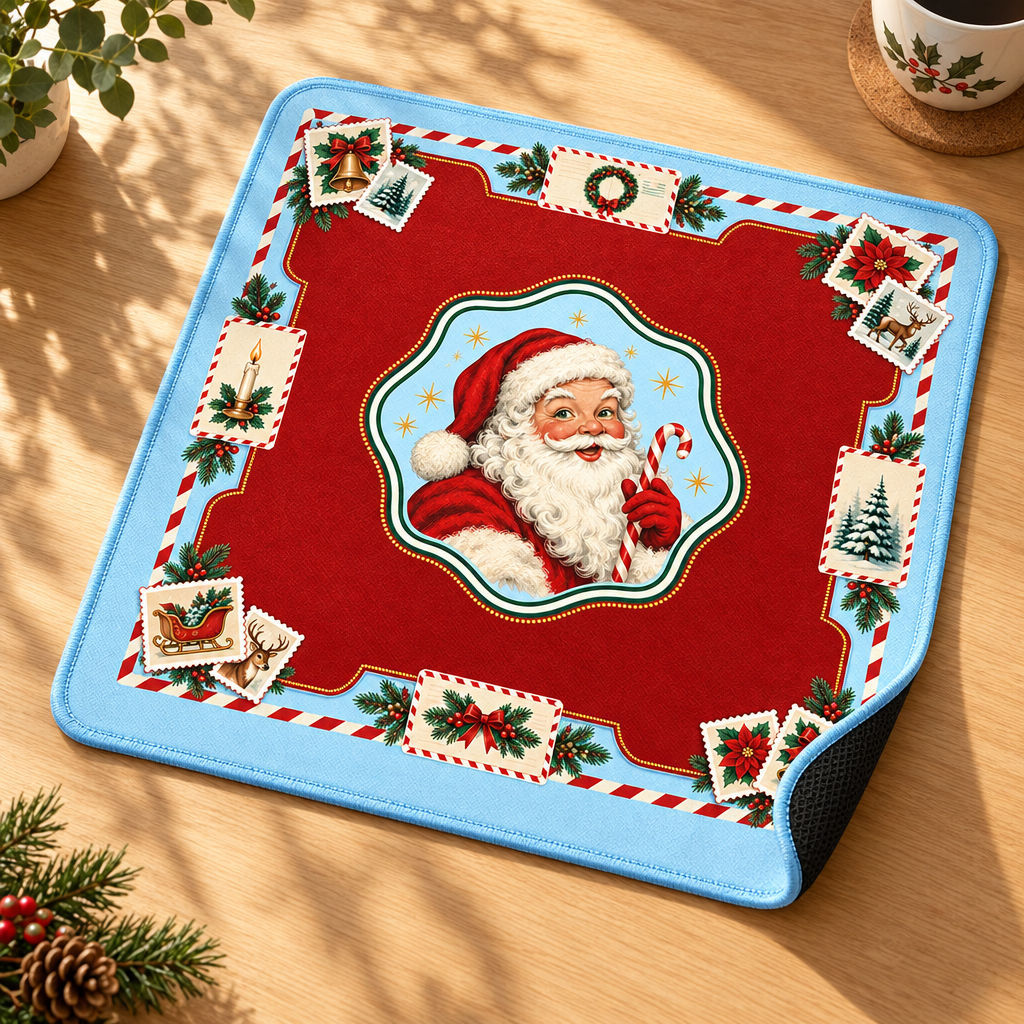
A roll-up mahjong mat is a fabric surface (typically 72"–84" square) that collapses into a compact bundle for storage or transport. Unlike a permanent table cover, it's designed to lie flat or wrap around itself, then unfold for play. Most roll-up mats from our best-selling mahjong sets collection come with tie straps or a carrying case. They range from lightweight bamboo-backed nylon (easiest to move) to heavier felt-lined versions (better grip and noise dampening). Cost varies by material and engraving; check the mat product page for current price. Avoid overstuffing a rolled mat in a tight case—creases can set permanently—and never fold it; always roll from one edge. Most players prefer mats with corner markers and a grid texture to keep tiles stable during tile drawing and building.
What size roll-up mat do I actually need for four players?
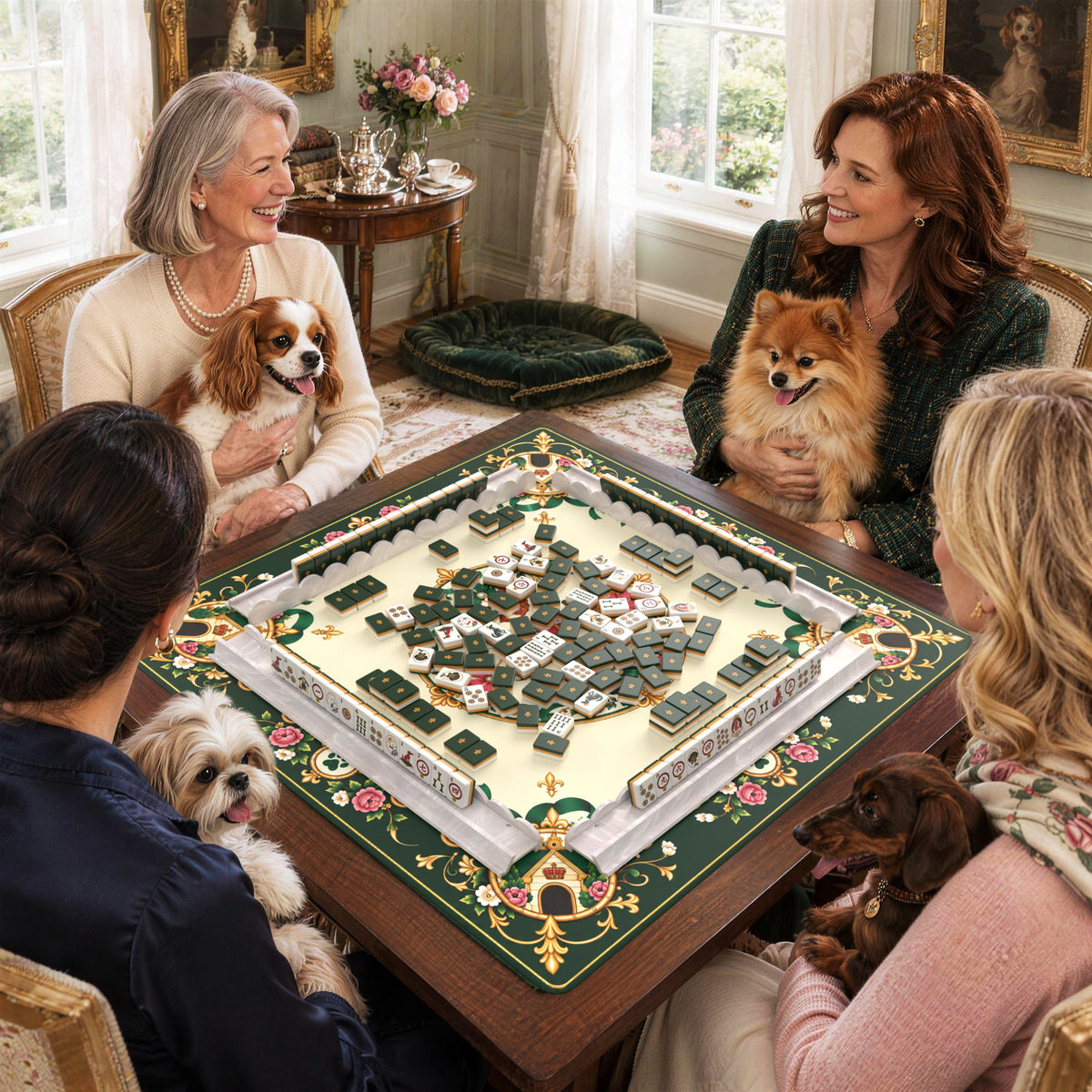
The standard American mahjong game requires table space for four players seated on sides plus a central tile wall. A 72-inch square mat accommodates this layout comfortably; 84 inches gives breathing room for racks, dice, and score sheets. If you play with elbows touching, 72 inches works. If you want each player's rack zone clearly marked and room for a joker pile, go 84 inches. Many of us measure our regular table first—if it seats four mahjong players easily now, note its width and buy a mat that matches it. Smaller mats (60 inches or under) suit 2–3 player games or confined spaces.
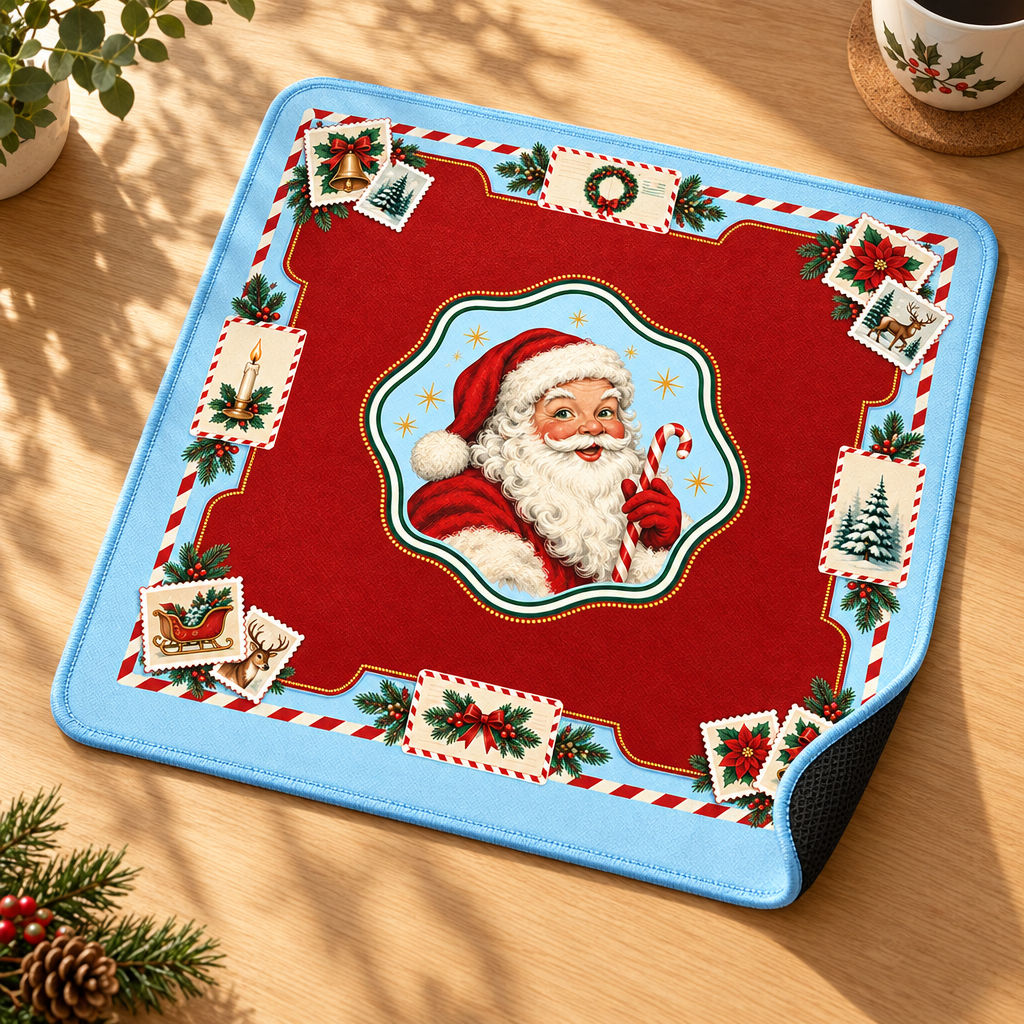
Roll-up versus a permanent table cover: which should you buy?
A permanent cover stays on your table year-round, so setup is instant—just deal and play. A roll-up mat requires unrolling, smoothing, sometimes securing with corner weights, then rolling and storing after. Permanent covers work best if you host weekly at the same table and have storage nearby. Roll-up mats suit players who play at different venues, travel with the set, or share a table with non-mahjong activities. We host games in three different homes some weeks, so roll-up is non-negotiable. The time difference is only five minutes per mat, but that adds up. Choose permanent if you have a dedicated mahjong table or if you store the mat in a garage—that avoids constant unrolling. Choose roll-up if you play at cafes, relatives' homes, or rotate hosts.
Scenario | Best Choice | Why | Setup Time |
Same home, weekly games | Permanent cover | No storage fuss, instant play | 30 seconds |
Travel between 2+ homes | Roll-up mat | Fits in trunk/bag easily | 5 minutes |
Shared dining table | Roll-up mat | Storage under bed/closet | 5 minutes |
Café or bar venue | Portable mat (72"–80") | Fits in car, light weight | 8 minutes |
Permanent dedicated room | Permanent cover or large roll-up | Either works; cover saves setup | 30 seconds–5 min |
How do you pack a roll-up mat without damaging it?
Roll, never fold. Starting from one short edge, roll the mat tightly toward the opposite edge, keeping edges aligned. Once rolled, secure with the tie straps (usually included) or wrap with a soft cloth tie to prevent unrolling during storage. Place the rolled mat horizontally in its carrying case if included—never stand it upright or cram it into a tight tube. If storing without a case, keep it in a closet or under a bed, away from direct sun and heat sources. Felt-lined mats can absorb moisture; store in a dry spot. Avoid stacking heavy objects on top of a stored mat. Check the mat after two weeks—if creases are setting, unroll it halfway and lay it flat for a day before re-rolling differently. Mats from our mahjong mats collection ship with care instructions; follow them before first use.
🎁 See our most-loved mahjong sets & accessories →
What mat material holds up best for weekly play?
Bamboo-backed nylon is light, folds easily, and dries fast if spilled on. It's the go-to for travel because it rolls small and weighs little. Felt-lined or suede-backed mats grip tiles better and muffle tile clatter, which is a huge comfort advantage for serious players. They're heavier and take longer to store, but they last longer and feel professional. Microfiber or rubber-base mats are slip-resistant and easy to wipe clean—ideal if you play while eating or drinking. Vinyl-backed mats are budget-friendly but can crack in cold or tear if dragged across rough surfaces. We rotate between two mats: a lightweight bamboo one for travel and a felt-backed mat for home games. The felt version shows wear after two years of weekly play, but tiles still feel stable. If you host 8+ games per month, invest in felt or suede; for casual play, nylon works fine.
Should your mat be engraved, and what designs work best?
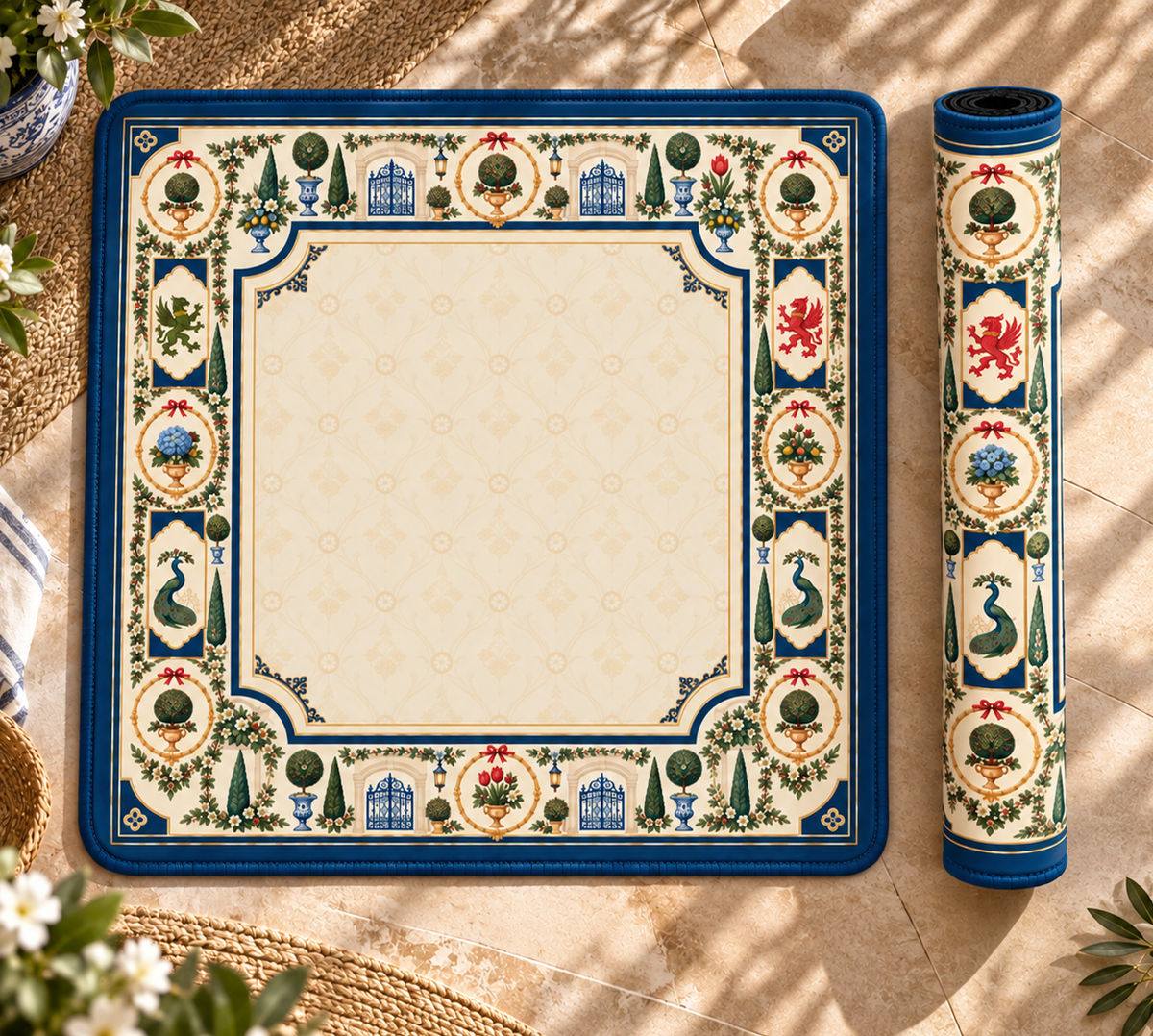
Engraved mats carry a name, date, or mahjong-themed image printed or embossed into the surface. They're perfect for group gifts, commemorate a milestone game, or personalize a set you own for decades. Engraving adds a small cost but zero bulk; it doesn't affect storage or play. Designs range from minimalist (initials or a single dragon) to full custom artwork. Avoid overly busy designs that distract during play or make the grid hard to read. We've engraved mats with "The Chow Club – Est. 2019" and a simple tile graphic; it's become a running joke when someone plays away from home and misses it. Check if your mat supplier offers engraved American mahjong sets with matching mat art—Mahstead can coordinate engraving across your full set for visual cohesion.
✨ Find your Mahstead set — free US shipping →
What to check before you buy
Measure your table or play space first. Don't guess—a tape measure takes 30 seconds and prevents a mat that's too small or too large.
Count how often you'll move the mat. If more than twice monthly, prioritize lightweight nylon or a mat under 80 inches. For stationary play, felt-backed is worth the weight.
Check the corner markers and grid. Lines should be clear and non-slip. Look at photos on the product page to confirm visibility.
Verify tie straps or case inclusion. Some mats ship loose; others include storage bags. Confirm before ordering so you're not buying a case separately.
Read the care instructions. Felt mats require different cleaning than nylon. Know what you're signing up for.
Ask if engraving is available and what it costs. If you want a personalized mat, confirm lead time and design approval steps beforehand.
Confirm shipping. Free US shipping applies to all Mahstead products, so factor no extra cost into your decision.
Rolling, storing, and maintaining your mat long-term
After every game, roll the mat immediately—warm tiles and tile dust settle into creases if left flat overnight. Wipe the surface with a dry or barely damp cloth. Never machine wash or use harsh chemicals on felt. Store in a cool, dry place; humidity causes felt to wrinkle. Every six months, unroll the mat fully for 24 hours to reset any light creases. If the mat is engraved, check that the surface coating hasn't cracked—small tears can spread if not addressed. A mat lasts 3–5 years with weekly play and proper care; felt-backed mats often last longer than nylon if treated gently. If your mat begins to slip on the table, place a non-slip rug pad underneath instead of washing (which can degrade the backing). Combine your mat with a matching set from our collection to maintain a cohesive game experience.
🀄 Shop best-selling mahjong sets →
FAQ
Can I roll a mahjong mat while it's still wet from cleaning?
No. Wet felt or nylon can mildew and mold inside the roll. Always air-dry completely—lay it flat for 2–4 hours—before rolling and storing.
What's the difference between a mat and a tablecloth for mahjong?
A mat is designed to roll and store; a tablecloth stays draped on a table. Mats have non-slip backing and corner markers. A tablecloth is simpler to move on and off but doesn't pack small. Read our mat vs. table cover guide for a full comparison.
Does a roll-up mat fit inside a mahjong bag with the set?
Depends on mat size and bag capacity. A 72-inch mat rolled tightly fits in larger travel bags. An 84-inch mat may require its own carry case. Check the bags and cases collection for dimensions before ordering.
Will creases go away if I hang the mat?
Partially. Hanging helps light creases relax over days, but deep creases from being folded or overstuffed may be permanent. Prevention—rolling, not folding, and storing loosely—is the only cure.
Can I use a roll-up mat on an outdoor table for summer games?
Yes, but use a lightweight nylon mat, not felt. Felt absorbs moisture and dirt outdoors. Weigh the mat down with corner clamps and inspect for damage after each use, as sun and humidity age mats faster.
Should I buy the mat separately or as part of a set bundle?
Both work. Buying together saves money and ensures design cohesion. Buying separately lets you choose mat size and material independently. Check current pricing on individual products and bundles before deciding.


View More
View More
View More
