
Riichi Mahjong Yakuhai Rules: Scoring Hands with Honors
Last updated: Nov 23, 2026
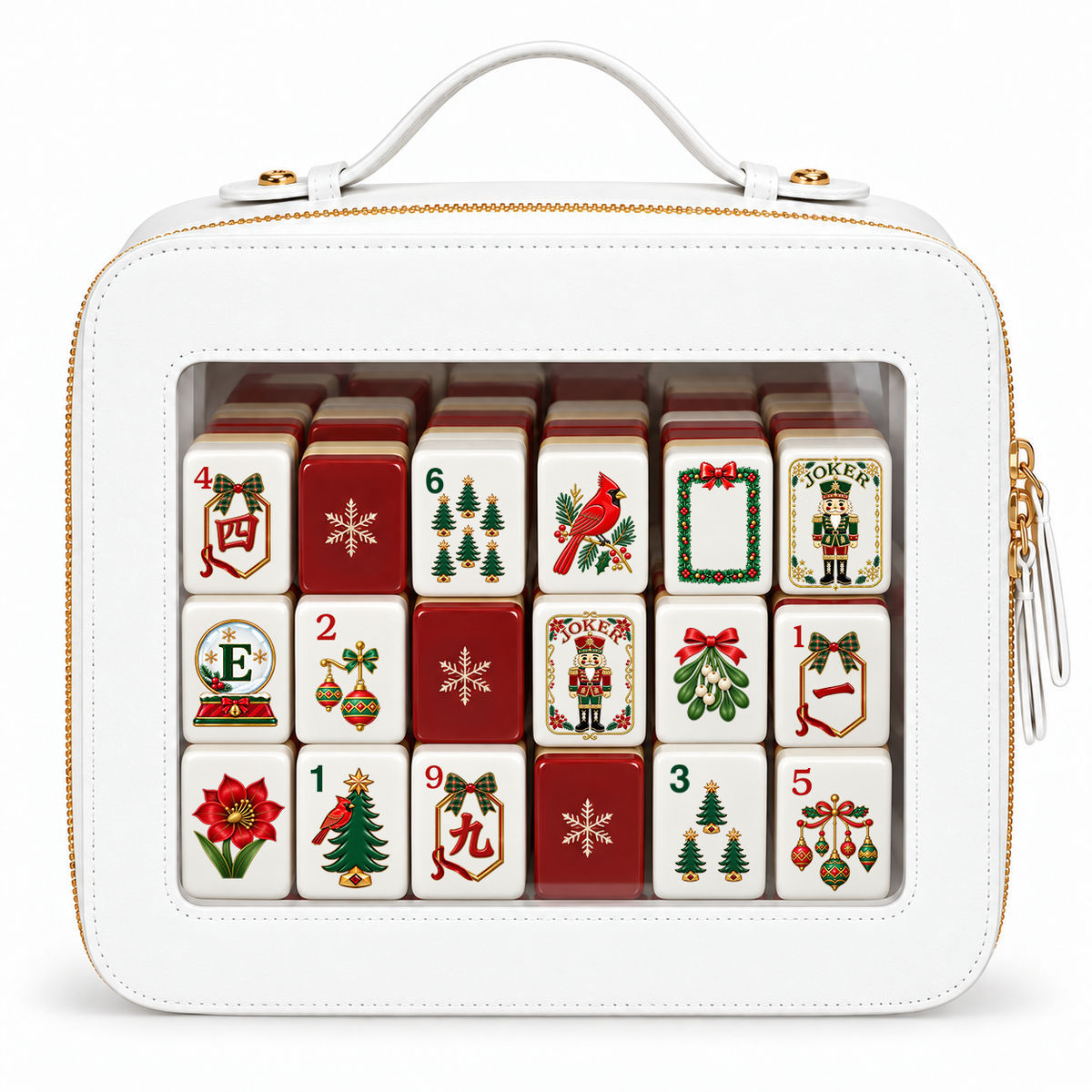
Yakuhai in riichi mahjong means a pung (3 identical tiles) or kong (4 identical) of honor tiles: winds (East, South, West, North) or dragons (Red, Green, White). Each yakuhai is worth 1 fan (scoring unit). Seat wind yakuhai—your assigned position—counts double. Prevailing wind (the round's declared wind, typically East) yakuhai also counts double. A White dragon (Soap) yakuhai always counts, even as a pair or in sequences—unlike American mahjong, riichi permits chows (1-2-3 runs) and yakuhai apply across all melds. You declare yakuhai as you form them; they remain visible on the table. A hand with no yakuhai cannot win unless you draw the final tile (tsumo) or catch a discard in a specific pattern. Most riichi players integrate yakuhai into their strategy from turn one, prioritizing honor tile combinations that lock in fan early. Unlike American mahjong's NMJL card, riichi yakuhai rules are standardized globally by the World Mahjong Organization; we explain the differences below.
What is yakuhai and why does it matter in riichi?
Yakuhai is any pung or kong of honor tiles—Winds (East, South, West, North) or Dragons (Red, Green, White). In riichi mahjong, yakuhai is the most common scoring component because it's always legal and instantly visible. A single yakuhai = 1 fan. Two yakuhai = 2 fan, and so on. Without yakuhai or other specific hand patterns, you cannot win by picking from the wall; you can only win by drawing the final tile of your own hand (tsumo) or by taking a discard that completes an open meld. Yakuhai sit at the heart of riichi strategy: they're relatively easy to build and they anchor your scoring value from the earliest draws.
🀄 Shop best-selling mahjong sets →

How do seat wind and prevailing wind double yakuhai?
Seat wind yakuhai is a pung or kong of the Wind matching your assigned seat at the table. If you are East, an East wind yakuhai counts as 2 fan (not 1). Prevailing wind yakuhai is a pung or kong of the Wind declared as the round's wind—typically East at the start of a session. A prevailing wind yakuhai also counts as 2 fan. If you hold both your seat wind and the prevailing wind as yakuhai, each counts double independently; they stack. A player in South seat holding South wind yakuhai earns 2 fan for seat wind alone. If the prevailing wind is also South that round, the same pung would be counted as 2 fan, not 4—you apply the multiplier once per pung, not twice. This rule prevents over-scoring.
Can you use honor tiles in sequences in riichi mahjong?
Yes—and this is the biggest difference from American mahjong. In riichi mahjong, honor tiles (winds and dragons) can appear in chows (1-2-3 sequences) in some rule variants, but not as sequences themselves because honor tiles have no numerical order. Honor tiles can only form pungs and kongs. Numeric suits (Bamboo, Character, Dot) can form chows, pungs, and kongs. A White dragon yakuhai pung always scores 1 fan, even if your hand contains no other yakuhai. Unlike American mahjong, White dragon (called Soap in American play) is a permanent honor tile in riichi; it never functions as a blank or wildcard. This distinction matters: riichi players cannot substitute White for a missing tile.
What's the difference between riichi yakuhai and American mahjong honors?
American mahjong uses 152 tiles and plays only from the current year's National Mah Jongg League card; hands are fixed patterns, not open-ended combinations. Winds and dragons appear in specific positions on the card (e.g., "three Reds" or "two East winds plus one dragon"). You cannot win with a hand not on the card. Riichi mahjong allows any legal combination of melds that meets your fan threshold (usually 1 fan minimum to win). A riichi player can win with three yakuhai alone; an American player cannot—the hand must appear on the NMJL card. Riichi yakuhai also includes sequences of numeric suits paired with honor tiles, which American mahjong forbids. In American play, melds cannot be called or exposed except as complete pungs, kongs, quints, or sextets—and jokers cannot fill the single tile or pair. Riichi allows open melds and treats jokers differently (they substitute freely). The tile count differs too: American uses 152 tiles (plus 8 jokers and spares); riichi typically uses 136 tiles (34 × 4 suits). These games are distinct rulesets played on similar hardware.

How do you declare and verify yakuhai at the table?
When you form a yakuhai pung or kong, you declare it and place it face-up on the table in front of your hand—never in your concealed tiles. Yakuhai melds remain visible for all players to see and score accordingly. Other players note your yakuhai to calculate your final score if you win. If you draw a yakuhai pung on your own turn, you can "open" (expose and declare) it immediately. If you draw a tile that completes an exposed meld, you announce it and add it to the visible meld. If a discard completes your yakuhai, you must call it; you cannot hold it concealed. After you win, the dealer or scorekeeper tallies your yakuhai fan plus any other hand components (e.g., chows, trips, sequences) and applies multipliers for your seat and the round. Always verify the count with the table before scoring; riichi scores escalate fast and errors cascade. Most tables use a physical fan counter (a wooden or acrylic scoring stick) or a scorecard. A single misread yakuhai can shift the round payout by thousands of points.
🎁 See our most-loved mahjong sets & accessories →
What are the common mistakes beginners make with yakuhai?
Forgetting that White dragon yakuhai always counts. Many new riichi players assume White dragon is a "blank" like in American mahjong and miss the fan. White is a permanent honor in riichi; a pung of White dragons is 1 fan, end of story.
Confusing seat wind with prevailing wind. Seat wind is your assigned position (you sit East, South, West, or North all round). Prevailing wind is announced at the session start and may change after each round. If you hold the prevailing wind yakuhai but not your seat wind, you still earn 2 fan for prevailing.
Holding yakuhai concealed when you should open them. Riichi strategy sometimes tempts players to hide yakuhai to build bigger hands, but this wastes the immediate fan. Once your hand reaches winning condition, yakuhai are multiplied in; hiding them costs you scoring clarity and can confuse the table.
Misreading honor tiles. East wind often shows a kanji character (東). South (南), West (西), North (北) each have unique characters. Red, Green, and White dragons have symbols or kanji. Slow down when drawing; place unfamiliar honor tiles in front of you and ask a veteran to confirm.
Not declaring yakuhai when required. If a discard completes your yakuhai pung and you need that meld for your hand, you must call it—you cannot refuse. Refusing an available meld is against rules in most riichi variants.
Comparison: How Yakuhai Fits in Riichi vs. American Mahjong
Aspect | Riichi Mahjong | American Mahjong |
Honor tile types | Winds, Dragons | Winds, Dragons (plus Flowers) |
Yakuhai meld form | Pung or Kong (visible) | Fixed on NMJL card only |
Scoring unit | 1 fan per yakuhai | Points per card pattern |
Can they appear in sequences? | No (honor tiles only form melds, not chows) | No (sequences are numeric-only, called "chows") |
White dragon role | Permanent honor, 1 fan pung | "Soap" blank/wildcard, depends on card position |
Doubling rule | Seat wind & prevailing wind yakuhai = 2 fan each | Card position dictates; no separate doubling |
Minimum to win | 1 fan (often 1 yakuhai) | Must match NMJL card hand exactly |
Joker substitution | Jokers can replace any tile in a meld | Jokers cannot fill a single tile or pair |
What to check before you buy a riichi mahjong set
If you're new to riichi and plan to play regularly, verify that your set includes:
All 136 playing tiles (four of each tile type: 1–9 Bamboo, 1–9 Character, 1–9 Dot, East, South, West, North, Red Dragon, Green Dragon, White Dragon).
Clear symbols or kanji on honor tiles so you can distinguish winds and dragons quickly.
A sturdy case or bag for transport (riichi sets are lighter than American 160-tile sets but still need protection).
A reference card or scorecard to track yakuhai and fan during play.
Many riichi sets sold in the US are labeled "Hong Kong" or "Chinese" and use simplified or traditional characters on honor tiles. Confirm the character set matches your group's preference before buying. Our best-selling mahjong sets include American-style designs; if you're playing riichi, ask your local club or online forum for recommended riichi-specific sets with clear honor tile markings.
✨ Find your Mahstead set — free US shipping →

FAQ
If I hold East wind yakuhai and East is both my seat and prevailing wind, do I count it twice?
No. You apply the doubling rule once per yakuhai. East wind yakuhai counts as 2 fan. You don't add 1+1=2 fan separately; the meld is worth 2 fan total.
Can a White dragon yakuhai pair count toward winning if I'm waiting for a non-honor tile to complete the rest of my hand?
Yes, if your hand structure and fan count permit it. Some riichi hands require open melds only; others allow concealed pairs. White dragon pair counts as part of your melds. Check your local ruleset—some variants require a terminal (1 or 9) or honor tile in the pair, and some don't.
How do I distinguish honor tiles from numeric tiles if the set's printing is faint?
Honor tiles have only symbols or kanji, never numbers. Numeric tiles always show a number (1–9) plus a suit symbol (Bamboo, Character, Dot). If your set's markings are unclear, mark the honor tiles on their backs with a pen or buy a new set. Poor tile clarity slows the game and causes disputes.
Can yakuhai stack—i.e., can I count one pung of East winds as multiple yakuhai if different players need it for different reasons?
No. A single pung of East winds is one yakuhai meld worth 1 fan (or 2 if it's your seat or prevailing wind). Only the player holding it scores it. Other players at the table do not benefit from your yakuhai.
In riichi, do I have to open my yakuhai immediately, or can I wait until I'm close to winning?
You must open yakuhai when they are complete (as soon as you draw the third identical honor tile, or when a discard completes a pung you need for your hand). You cannot hold yakuhai concealed. Some riichi players strategically avoid drawing the third tile of an honor pung until they're certain of their winning hand, but once the pung is complete, it must be declared.
What happens if I miscall a yakuhai—say, I claim a pung of East winds when I only have two East and one Green?
This is a dead hand. You are disqualified from winning that round, and depending on your group's rules, you may forfeit points or face a penalty. Always confirm your meld count before declaring. Count on your fingers if needed; it only takes two seconds and prevents costly errors.


View More
View More
View More
