
Cheap vs Expensive Mahjong Table Cover: What Really Matters
Last updated: Nov 23, 2026
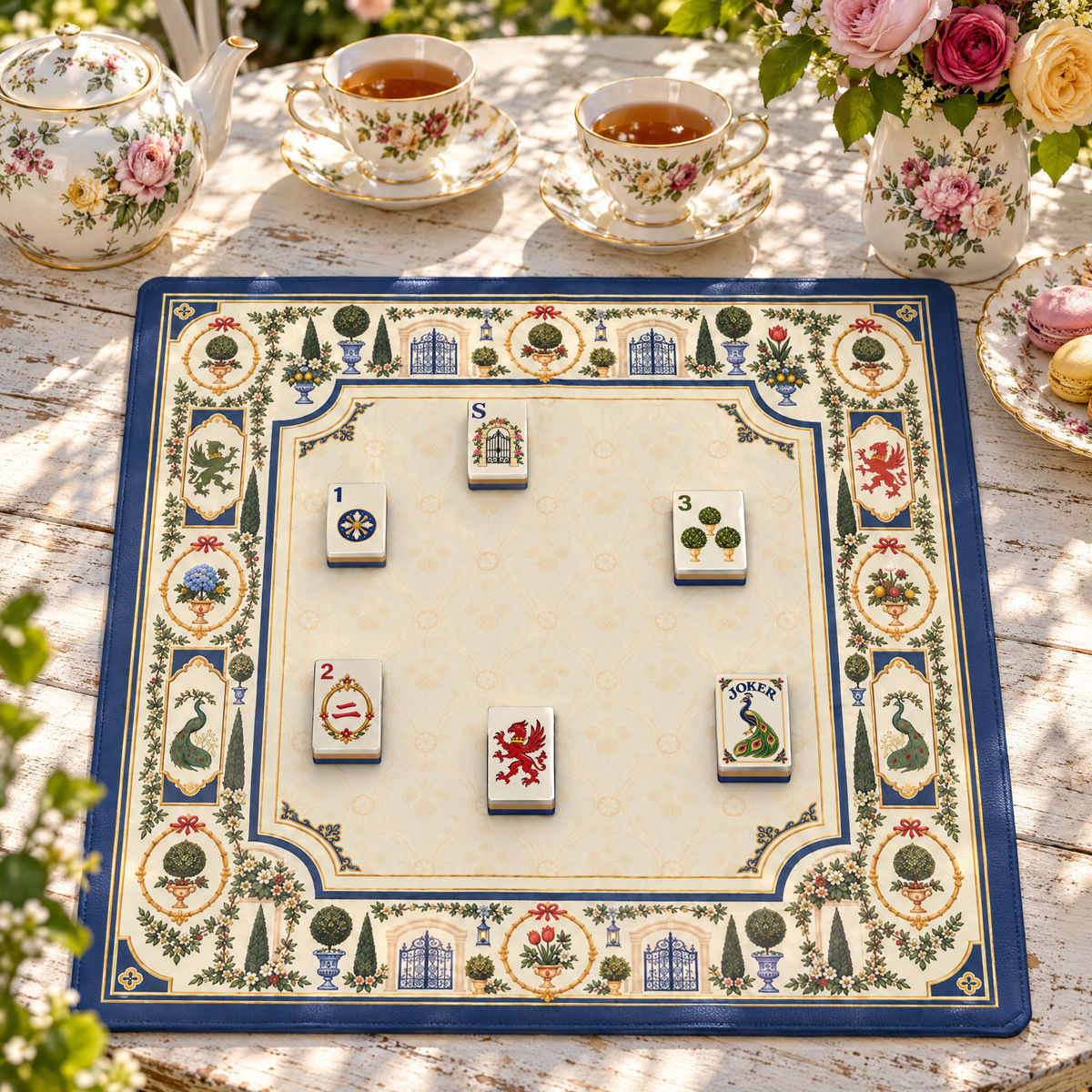
A mahjong table cover sits between your tiles and the playing surface, protecting both. Budget versions are usually thin, lightweight fabric—often polyester or canvas—and roll up or fold for storage; premium covers add dense padding, reinforced stitching, and sometimes custom engraving or logos. Cost scales with material thickness, closure type (elastic, zipper, Velcro), and personalization. Budget covers suit casual weekly games or travelers; premium covers reward serious hosts who play regularly and want reduced tile wear, quieter gameplay, and a polished look. We stock mahjong mats and covers in both styles—the difference becomes clear once you've played on both.
Choosing a mahjong table cover isn't just about price—it's about how often you play, who plays at your table, and what surface you're protecting. Over years of hosting weekly games, we've tested both ends of the spectrum and learned which features actually matter.
What makes a budget cover cheaper?
Budget mahjong covers save money through thinner material (usually single-layer polyester or canvas), minimal or no padding, and simpler construction. They weigh less, roll smaller, and cost less to manufacture and ship. The tradeoff: tiles slide more easily, shuffling sounds louder, and the cover itself may compress or wear thin after 50–100 hours of play. Budget covers work well for occasional games, travel, or if you already have a soft playing surface underneath (like a felt-lined table).
What does premium padding actually do?
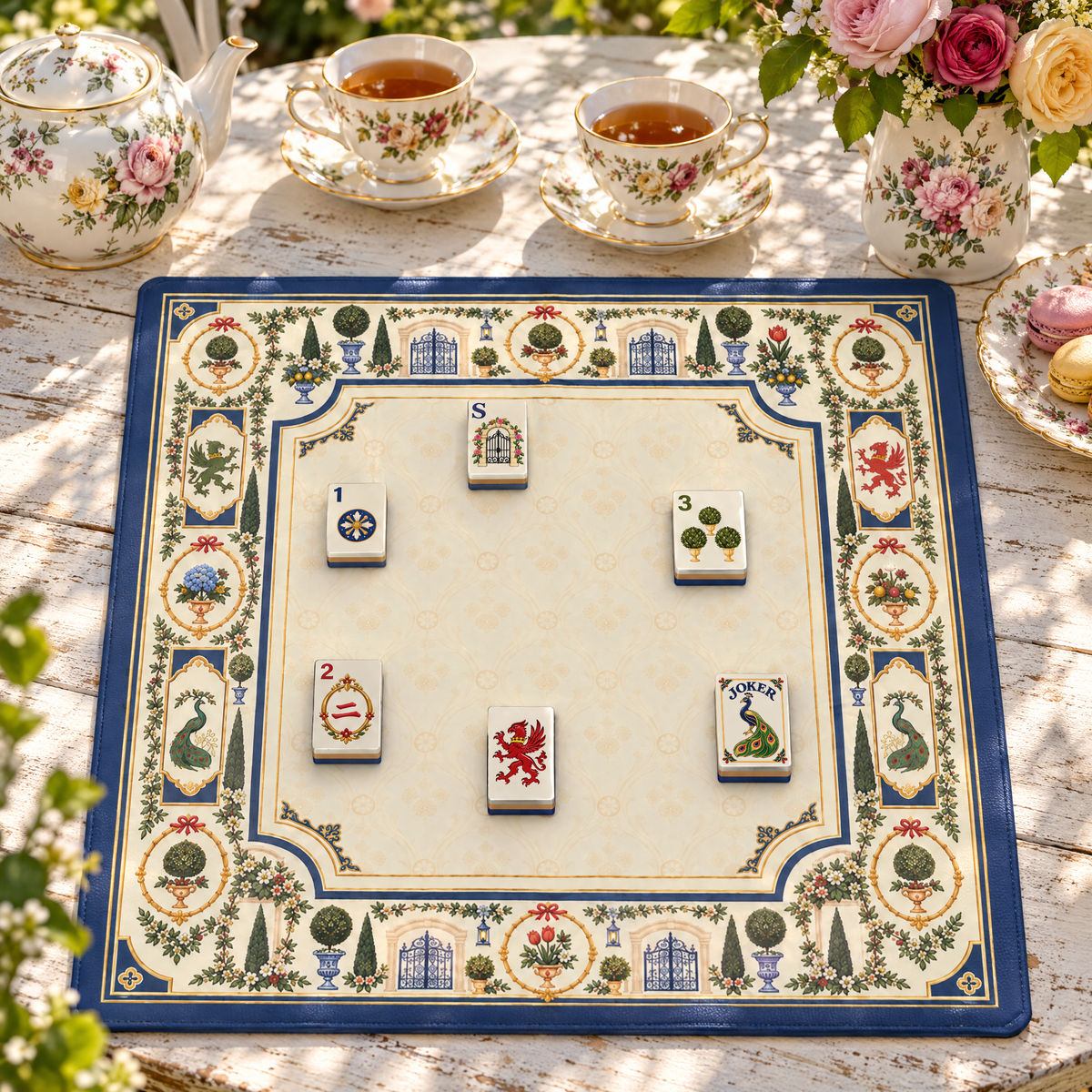
A premium cover typically includes 1/4-inch to 1/2-inch foam or closed-cell padding bonded to durable fabric (often a canvas or synthetic blend). The padding absorbs sound—tiles land softer, shuffles feel less harsh—and reduces tile movement during play. Padded covers also protect your table's finish from scratches and tile feet. If you host weekly and value a smooth, quiet game, padding pays for itself in reduced frustration and tile longevity. Many of our regulars swear the sound difference alone justifies the upgrade.
Closure type: elastic, zipper, or Velcro?
Budget covers often rely on elastic edges that slip under your table's lip—quick and cheap, but they slip if the table is uneven or wobbles. Mid-range covers add Velcro straps on the underside, holding the cover firmly in place and preventing bunching during play. Premium covers sometimes feature heavy-duty zippers or integrated tie-downs, especially for portable or non-standard tables. If your table rocks or if you move the cover frequently, Velcro or zippers are worth the extra cost; elastic alone may frustrate you mid-game.
✨ Find your Mahstead set — free US shipping →
Custom design vs. plain fabric
A plain polyester cover costs less to produce; custom-engraved or printed covers add labor and inks but let you personalize with your initials, family name, or club logo. Premium suppliers will offer design consultation and proof approval. Custom covers rarely cost dramatically more than basic printed versions, but they do take 1–2 weeks longer to produce. If you're buying for yourself, a plain cover is practical; if it's a gift or for a club, custom design builds memory and pride—consider our mahjong sets with custom titles and matching covers for a unified look.
Size and fit: measure your table first
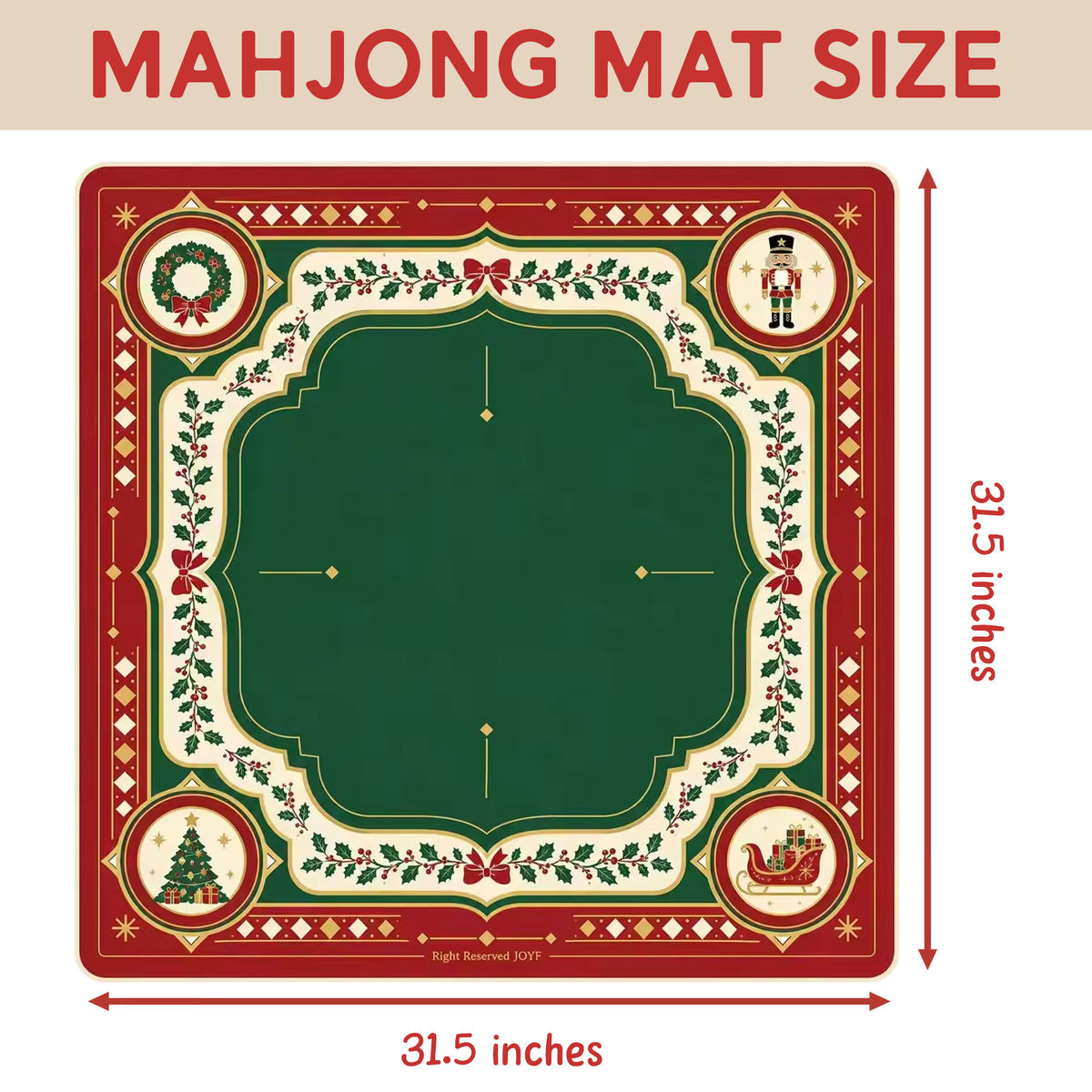
Table covers come in small (30–36 inches), medium (36–48 inches), and large (48–60+ inches). Measure your table's length and width, then add 4–6 inches on each side for overhang and fastening. An oversized cover bunches; an undersized one won't stay put and leaves your table exposed. Most budget covers come in standard sizes; premium options often include custom-cut service. This is where a poor buying decision hurts: an ill-fitting cover defeats its purpose. Measure twice, order once.
Durability comparison: what fails first?
Feature | Budget Cover | Premium Cover | Impact |
Material | Single-layer polyester | Padded canvas/synthetic blend | Padding preserves tile finish; reduces noise 20–30% |
Stitching | Flat, sometimes loose | Reinforced, double-stitched edges | Premium cover lasts 2–3× longer |
Fasteners | Elastic only | Velcro or zippers | Velcro prevents mid-game slipping |
Stains | Absorb quickly | Treated or vinyl top layer | Premium resists spills better |
Weight | 2–4 lbs | 6–10 lbs | Heavier = more stability, less portability |
Typical lifespan | 1–2 years (casual play) | 4–6 years (weekly play) | Premium wins for hosts |
Over five years of weekly four-player games, the true cost per use favors premium covers by a factor of 2–3.
🀄 Shop best-selling mahjong sets →
Who should buy each type?
Choose a budget cover if:
You play once or twice a month or less.
You travel and need to pack light.
Your table surface is already protected (felt-lined wood, hard plastic).
You're testing whether mahjong is right for your household.
Choose a premium cover if:
You host weekly games or more.
Noise matters (shared walls, early mornings).
You want to protect a valuable table.
You value reduced tile wear and tile longevity.
You're buying a gift or for a club and want it to last.
Most of us in the Mahstead circle host weekly, so we lean premium—the quiet, stable play makes Thursday nights better for everyone.
What to check before you buy
Measure your table precisely. Overhang of 4–6 inches is ideal. Bring a tape measure or use a string and note the length in your phone.
Ask whether the cover is washable. Budget covers are often spot-cleanable only; premium versions may be machine-washable on gentle cycle (read the label).
Confirm the closure method. Does it stay put on your table shape? Elastic alone won't work on a wobbling card table.
Check the material composition. Polyester slides; canvas or padded synthetics hold tiles steadier. If the listing doesn't say, ask before buying.
Verify shipping and return policy. An ill-fitting cover is expensive remorse. Confirm you can return or exchange.
If custom-ordering, request a digital proof. Typos and color mismatches are fixable before production—not after.
🎁 See our most-loved mahjong sets & accessories →
The real cost: total cost of ownership
A budget cover might cost 30–40% less upfront. But if you play weekly, a thin cover compresses after 6–12 months and requires replacement. A premium cover costs more initially but spreads that cost over 4–6 years of weekly play, landing at a lower per-use cost. Add the reduced noise, fewer scratches on your table, and less wear on your tile feet—a premium cover becomes an investment, not an expense.
For serious players, the question isn't "Can I afford a premium cover?" but "Can I afford to replace a budget cover twice?" We stock both options in our mahjong mats collection so you can compare weight, feel, and closure type before deciding. Free US shipping makes it easy to try one and see if it fits your game.
FAQ
Can I use a regular tablecloth instead of a mahjong cover?
Not well. Regular tablecloths are too slippery for tiles, lack padding to quiet shuffles, and offer no fasteners to keep them in place during play. A mahjong cover's tight weave and padding hold tiles stable and reduce noise—worth the upgrade.
Does a padded cover really reduce tile wear?
Yes. Softer landings mean fewer microscopic cracks in tile edges and less stress on the glaze. Over 200+ hours of play, padded covers noticeably extend tile life.
How often should I wash my cover?
Spot-clean spills immediately. Wash the full cover every 3–6 months if used weekly—check the care label first. Budget covers are often spot-clean only; premium covers may tolerate gentle machine washing.
Can I use a mahjong cover on a non-standard table (oval, hexagon, or folding)?
Standard rectangular covers won't fit well. Some suppliers offer custom-cut service for odd shapes—worth asking about before ordering.
Do I need a separate mat under my cover?
No. A mahjong cover is standalone. A mat and cover together would be redundant and uncomfortable. Choose one or the other based on your table type and portability needs.


View More
View More
View More
