
Riichi Mahjong Practice Exercises: Drills to Build Hand Speed
Last updated: Nov 23, 2026
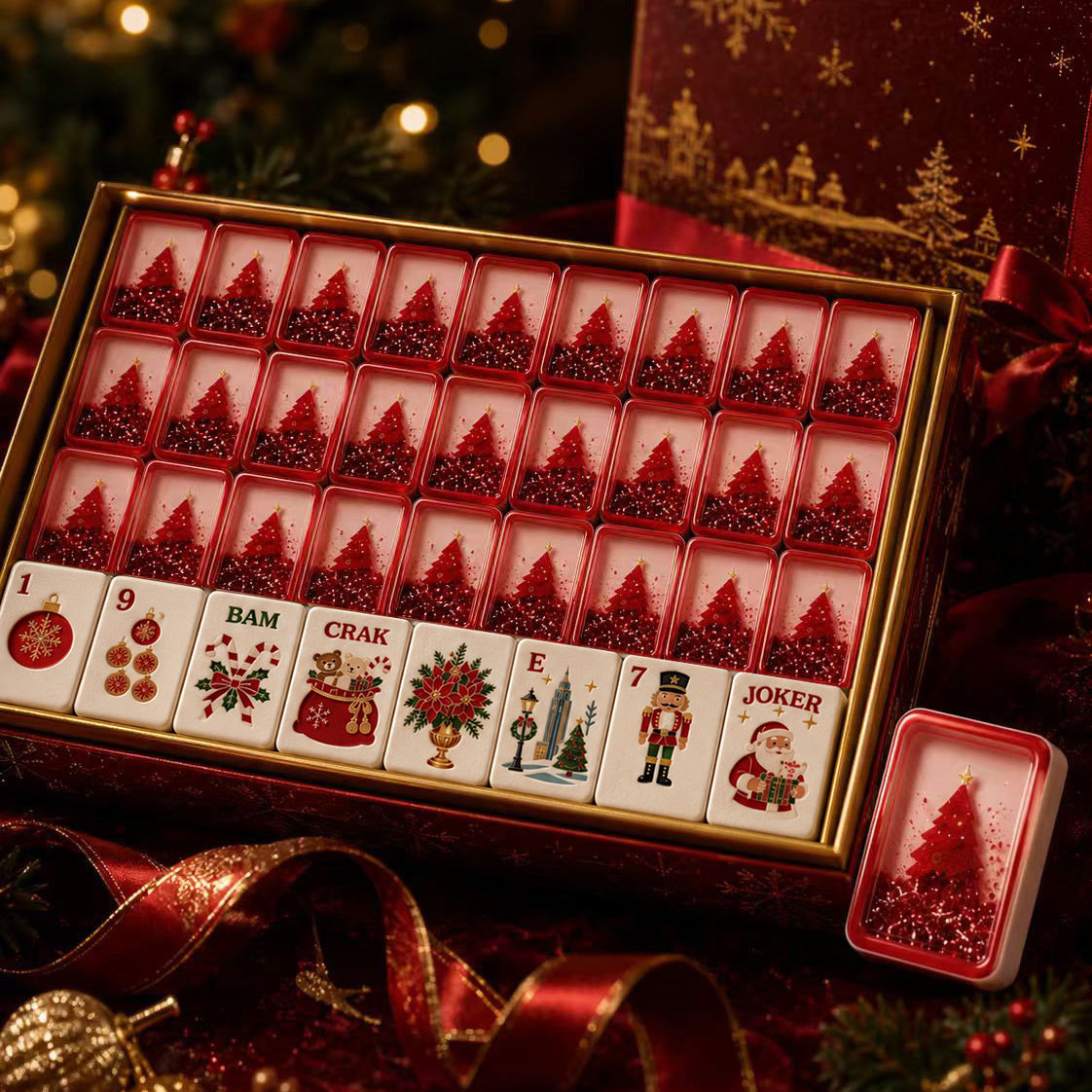
Riichi mahjong practice exercises isolate specific skills: wait-pattern recognition, tile safety, discard sequencing, and hand-reading speed. The most effective drills are solo (work through a hand state, decide the winning path), partner-based (play lightweight games with post-round analysis), and drilling-app based (e.g., Mahjong Soul, Tenhou). A session runs 30–90 minutes; do 2–3 per week to see measurable improvement in 4–6 weeks. Start with "shape drills"—given a specific tile, practice building the only valid hand shape—then advance to "discard sequencing" (decide the safest tile-drop order from a full hand), then "speed play" (full-speed games with a timer). Solo drills cost nothing; apps are free or low-cost; for live practice partners, many clubs meet weekly (check community centers, libraries, synagogues, or meetup boards in your area). A well-lit standard mahjong mat and racks with pushers help you practice the physical speed of real play. 🀄 Shop best-selling mahjong sets →
What's the difference between riichi and American mahjong practice?
Riichi mahjong (played in Japan and online globally) prizes hand concealment, speed, and chow sequences; American mahjong exposes melds, uses a yearly card, and forbids chows. Riichi practice is solo-friendly because you hold your hand hidden, so drills don't need opponents. American practice relies on the yearly National Mah Jongg League card and exposed melds, making group play or app-based card practice more common. If you play riichi, you can drill alone for 30 minutes daily. If you play American, you'll benefit more from weekly group games and card study. Both benefit from a quiet space, good lighting, and quality tiles you can handle smoothly.

Which riichi drills build hand speed fastest?
The "tile-by-tile shape drill" accelerates pattern recognition most. Start with a state: you hold 12 tiles (a full hand minus the draw), your winning tile is shown, and your pair is named. Your job: decide which tile to discard to keep maximum winning chances. Do 20 rounds, 2 minutes per round. Next, run "discard-sequence drills": you get 14 tiles (full hand), no winning tile revealed; discard one tile per round to stay safe and keep your hand alive for 8 rounds. Time yourself. Then move to "speed play": full-speed online games with a 5-second decision timer. Most players see a 20–30% jump in decision speed after four weeks of daily 20-minute shape drills. A set of acrylic tiles with pushers lets you drill the physical feel of real play—tile clicking, discard throwing, and hand arrangement speed.
🎁 See our most-loved mahjong sets & accessories →
How do you practice reading opponents' hands safely?
In riichi, reading means inferring your opponents' likely tiles from their discards, draw order, and betting signals (e.g., a riichi declaration, a kakan call). Solo drills can't teach this, so you need "opponent-aware" practice: play partial-speed games where you pause after each round and write down what you think each player held, then compare to the discard log. Do 4–6 games per session; spend 5 minutes per game on the review. Video review helps: record your games, then watch replays of strong players on YouTube (search "riichi mahjong high-level play" or "麻雀 upper-dan gameplay") and pause to predict moves before the player acts. Join a live club if one meets locally—most riichi communities have weekly groups—and ask stronger players to review your hands. Playing 8–10 live games per month, with post-game notes, accelerates reading skill faster than solo drills alone.
What's the fastest way to learn all 34 tile-wait patterns?
Riichi has 34 distinct winning patterns based on tile position in your sequences. The fastest method is "flashcard drilling": write each pattern on paper or use a free digital flashcard app (Anki, Quizlet). Drill 10 patterns per day for three weeks. Each pattern should show the hand state (e.g., 22355m, 678s, 11p) and ask "what tiles win?". Correct answers teach you to recognize the shapes instantly. Pair this with "live-game pause drills": during online play, when you are close to winning, pause and list all winning tiles before revealing them. After two weeks of combined flashcard + live-play work, most players can name winning tiles in under two seconds. Don't memorize; instead, recognize the visual shape. This transfers directly to real-table play where you must act fast.

Why do pros practice offline drills before online speed?
Offline—meaning solo or paper-based—drills remove time pressure, letting you focus on decision logic before speed. Online speed play (apps, tournaments) forces you to combine logic + reflexes, which can entrench bad habits if you rush into it before building solid fundamentals. The training sequence is: (1) shape drills alone (zero time pressure, 100% accuracy goal), (2) low-speed partner games (real opponents, slow play, post-game review), (3) online casual play (no rank, learning focus), (4) online ranked play (speed pressure, real stakes). Skipping steps 1–2 leads to panic decisions and sloppy hand-reading in live events. Pros spend 4–6 weeks in offline drills, then 2–4 weeks in casual online play, before entering ranked queues. This discipline cuts rank-climb time by 30–50% versus jumping straight to speed.
How often should you practice, and for how long?
Most competitive riichi players practice 4–5 days per week, 45–90 minutes per session. A typical week: two 30-minute solo shape-drill sessions, two 60-minute casual online games with review, and one 90-minute live club session (if available). Beginners see gains from 3–4 sessions per week. Intermediate players (who can already read basic shapes) need 5+ sessions to improve further. Pros play daily, often 2–3 hours. The quality of one 45-minute focused session beats five distracted 10-minute spurts; consistency matters more than volume. Track your practice: log date, drill type, decision-speed average (in seconds), and hands played. After four weeks, you'll spot which drills moved the needle. A clean, organized practice space with a mat and racks helps you stay focused and mimic live-table conditions.
Riichi Practice Drill Type | Duration | Solo or Group? | Best For | When to Add It |
Shape drilling (flashcard or hand-state puzzles) | 20–30 min | Solo | Learning winning patterns, decision logic | Week 1–2 |
Discard-sequence drills (build and discard 8 rounds) | 25–35 min | Solo | Safe discard order, hand preservation | Week 2–3 |
Casual online games with post-game review | 60–90 min | Group (online) | Opponent reading, speed, real-game experience | Week 3+ |
Live club games (low-pressure) | 90–120 min | Group (in-person) | Live tells, table presence, community | Week 4+ |
Speed-play online (ranked or tournament) | 45–60 min | Group (online) | Competitive sharpening, rank climb | Week 6+ |
What common mistakes sink riichi practice sessions?
Mistake 1: Skipping review. Playing 20 hands without reviewing defeats the purpose. After each game, spend 2–3 minutes asking: What did I misread? Which discard was unsafe? This reflection is where learning lives. Logging your decisions and comparing them to replays speeds learning by 40%.
Mistake 2: Practicing wrong skills first. Many beginners drill "winning hand patterns" but ignore "discard safety." Safety—knowing which tiles your opponents probably don't hold—matters more at lower ranks. Practice discard sequencing first, then hand recognition, then speed.
Mistake 3: Playing only at full speed. Speed without accuracy breeds bad habits. Always do slow drills before fast ones. A player who drills at real-world game speed from day one often plateaus at mid-ranks; one who spends weeks in slow solo play, then accelerates, climbs faster.
Mistake 4: Ignoring online coaching. Most competitive communities have mentors who review hands free or cheaply. A 30-minute review with a strong player saves weeks of solo grinding. Ask in your local club or online forum (search "riichi mahjong community" + your region).
How to check before you start a riichi practice routine
Tile clarity: Can you see suit symbols and numbers at arm's length? Blurry tiles slow you down. Acrylic tiles from our best-selling collection have sharp engraving and fast slide speed.
Hand-management comfort: Do your tiles fit easily in a rack? Can you arrange, draw, and discard without fumbling? Pushers should glide smoothly and not jam.
Light level: Is your practice space bright enough to spot tile symbols instantly? Overhead or desk lamp within 3 feet of your mat is ideal.
App or partner readiness: Have you set up your chosen online platform (e.g., Mahjong Soul, Tenhou) and tested it? Know which community (local club, Discord server, etc.) you'll join for feedback.
Logging method: Decide how you'll track practice: a notebook, a spreadsheet, or a phone notes app. Without records, it's hard to spot improvement.
✨ Find your Mahstead set — free US shipping →

FAQ
Can I practice riichi mahjong alone without an opponent?
Yes. Solo shape drills, flashcard apps, and online casual play (where you play against AI or human opponents asynchronously) are all legitimate. Live opponents add value for reading practice, but solo drills build foundational pattern recognition.
How long before I see improvement from riichi practice?
Most players notice sharper discard decisions and faster hand recognition within 2–3 weeks of consistent (3+ sessions per week) drilling. Rank climb or tournament results typically show gains in 6–12 weeks.
What's the best free riichi mahjong practice app?
Mahjong Soul (online, free-to-play, global servers) and Tenhou (Japanese-language, browser-based, free) are both robust. Mahjong Soul is more beginner-friendly; Tenhou has stricter competitive play and higher-skilled opponents.
Do I need to buy special tiles to practice riichi?
No. Any standard 34-tile riichi set works. That said, acrylic tiles with smooth pushers let you practice the physical speed and feel of real play, reducing nervousness at the table.
Should I join a local riichi club or practice online first?
Online first is usually smarter. You can drill at your own pace and join multiple communities. Once you're comfortable with basic hands and discard safety (2–4 weeks), a live club gives you unmatched feedback and speed under social pressure.
How do I find a riichi mahjong club near me?
Search "[your city] mahjong club" on Google Maps or Meetup. Many communities have Discord servers or Facebook groups. Check gaming cafés, community centers, universities, and libraries in major US cities.


View More
View More
View More
