
How to Clean Hand-Painted Mahjong Tiles: Step-by-Step Guide
Last updated: Nov 23, 2026
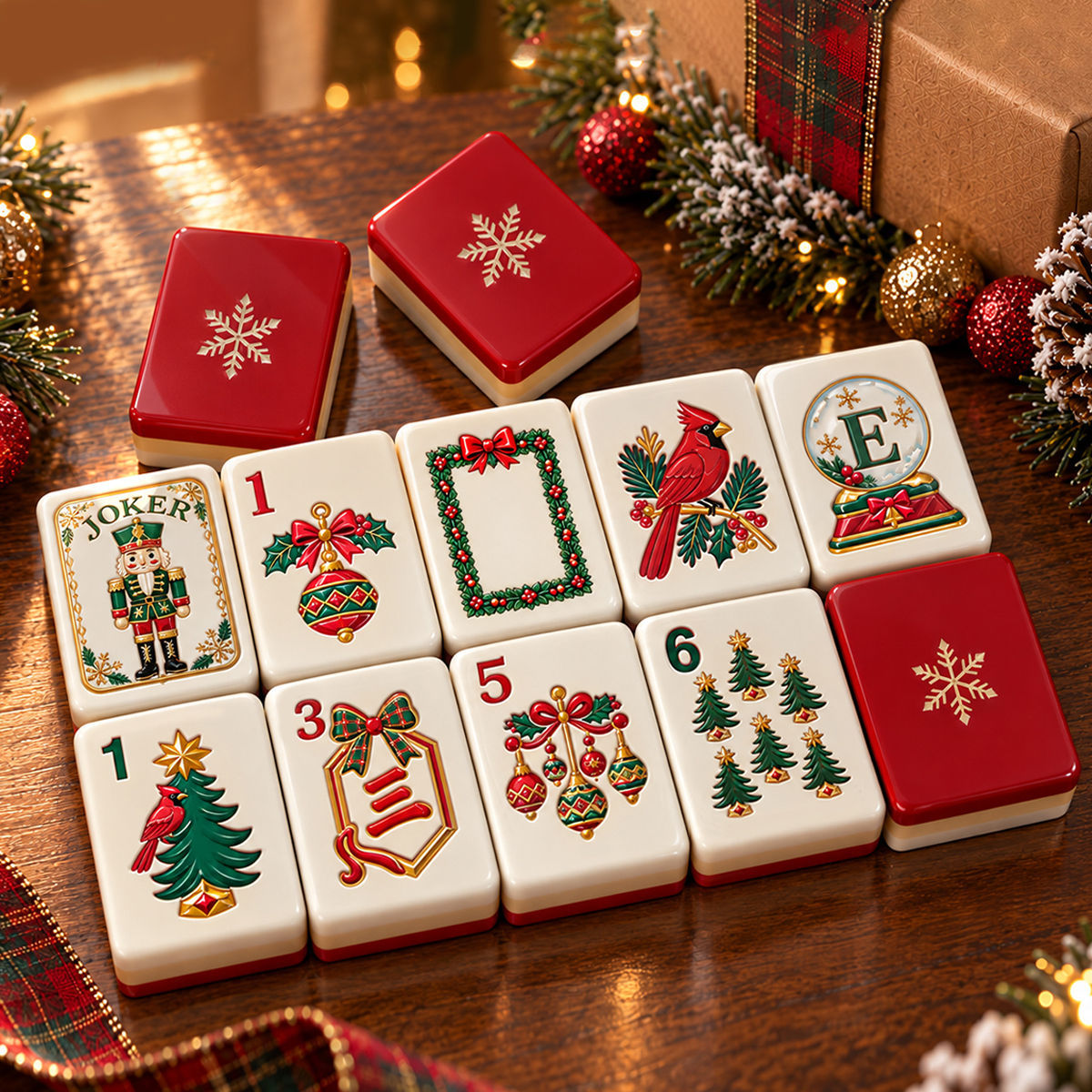
Hand-painted mahjong tiles should be cleaned with a soft, dry microfiber cloth first—never water or harsh chemicals, which lift paint and damage the glaze. For stubborn dust, lightly dampen the cloth with distilled water, wring it nearly dry, and wipe gently in one direction. Avoid vinegar, alcohol and solvents entirely. Clean tiles once every 1–2 months if played weekly; more often if you eat or drink near the table. If paint is chipped, cracked or worn through to the base, the tile is unsafe to play and should be retired. When buying new engraved American mahjong sets, choose acrylic or resin sets if durability in a weekly game is your priority—they tolerate gentle cleaning much better than hand-painted finishes.
Hand-painted mahjong tiles are beautiful and play smoothly, but their artwork is vulnerable. Unlike factory-sealed acrylic or resin tiles, hand-painted surfaces sit exposed to dust, humidity, body oils and accidental spills. The good news: a few simple habits keep them clean and playable for years. The hard truth: they wear faster than you might expect, and aggressive cleaning can destroy them overnight.
What's actually on a hand-painted tile's surface?
Hand-painted tiles are typically cast resin or ceramic, then coated with acrylic paint and a protective gloss or matte topcoat. That topcoat is your shield—once it's scratched or stripped by harsh cleaners, moisture and dirt migrate into the paint layer underneath, causing lifting, fading and peeling. The topcoat is thin—often 1–2 millimeters—so it needs respect.
When you run your finger over a hand-painted tile, you're touching the topcoat, not the paint directly. Water alone won't damage the topcoat, but repeated soaking or aggressive wiping can weaken the adhesive bond between paint and base. Alcohol and vinegar dissolve the gloss and pit the surface. Abrasive cloths (terry, denim, even some paper towels) scratch and dull the finish, making tiles look aged and worn before their time.

What's the right way to dust and dry-clean?
Start here every time. Use a microfiber cloth—the kind designed for eyeglasses or camera lenses—folded into a flat square. Wipe each tile gently in one direction, lifting dust rather than dragging it across the surface. Microfiber works because its fibers are finer than the roughness on the paint; they trap particles without scratching.
Do this once a week if you play weekly. After a game, let tiles sit for 10 minutes to cool and settle, then wipe them down. If you notice dust buildup but no visible dirt, dry-wipe only. Microfiber cloths are washable—rinse in lukewarm water and air-dry between uses so you're never grinding old dust into new tiles.
Never use paper towels, tissue, or cloth napkins. They're too coarse and leave tiny fibers behind. Avoid compressed air cans (they blast dust into tile joints and the creases of your hands). A soft brush, like those sold for removing lint from fabric, can work if you're very gentle—but microfiber is safer and faster.
When and how to use a damp cloth?
Only when dust won't budge. Fill a small bowl with distilled water (tap water leaves mineral deposits on the gloss). Dip one corner of your microfiber cloth into the water, then wring it out hard—it should feel damp, not wet. If water drips, you've wrung it wrong; start again.
Wipe the tile in smooth, overlapping strokes, always in the same direction, like you're painting rather than scrubbing. Work quickly so the water doesn't sit on the surface. After one pass with the damp cloth, immediately follow with a dry section of the same cloth to remove any remaining moisture. Let tiles air-dry for at least 5 minutes before stacking or playing.
Never soak tiles. Never spray them. Never use a dishwasher or washing machine, even on gentle cycles. Water pooled on a hand-painted tile will seep into the edges and the tiny gaps where the tile's base meets its rim, causing paint to lift in patches.
What chemicals and products will ruin hand-painted tiles?
Anything that cleans glass will destroy your tiles. This includes window cleaner, vinegar solutions, rubbing alcohol, and acetone (nail polish remover). These solvents strip or soften the topcoat and cause the paint underneath to bubble or peel within days.
Lemon juice and baking soda, popular for natural cleaning, are too acidic and abrasive—they etch the gloss and dull the colors. Furniture polish, floor wax and oil-based cleaners leave a film that attracts dust and makes tiles slippery to play. Bleach is corrosive and will discolor the tiles and cause paint to flake.
If you've already used the wrong cleaner, stop immediately and dry the tiles thoroughly. If damage appears (clouding, peeling, discoloration), the tiles have entered end-of-life and should be retired.
The safest approach: microfiber cloth + distilled water, if needed, + time. That's it.
How do you know when hand-painted tiles are too worn to play?
Inspect your tiles monthly. Look for these signs of damage:
Chips or cracks in the paint layer. If you can see bare resin or ceramic underneath, the tile isn't sealing anymore. Moisture will creep in and make the damage worse.
Flaking or peeling paint. Paint lifting in sheets or curls is a sign the topcoat adhesive has failed. The tile is structurally unsafe and affects game balance.
Fuzzy or cloudy spots. This means moisture has penetrated the paint. It won't get better.
Faded artwork or uneven color loss. This happens over time; it's cosmetic, but if it's severe, the tile's resale or collectible value drops sharply.
Discoloration or dark stains that won't wipe off. Mold or mildew are growing inside. Retire the tile immediately; don't expose your set to that.
When a single tile fails, you can replace it if your set came with spares. However, most hand-painted sets ship with no spares, so you're left buying a replacement tile individually (often harder and more expensive than replacing the whole set).
If more than 5 tiles in your 152-tile set show damage, consider retiring the set and moving to a best-selling acrylic or resin set. Acrylic and resin tiles tolerate damp cloths, light soap, and general wear far better than hand-painted finishes—making them ideal for weekly players.
🀄 Shop best-selling mahjong sets →

Storage and humidity: the invisible killer
Hand-painted tiles are sensitive to humidity swings. If you store them in a damp basement or humid garage, the topcoat will lose adhesion and paint will bubble or peel even without touching them.
Store your set in a cool, dry place—ideally between 40–60% relative humidity and 65–75°F. If you live in a humid climate (coastal areas, tropics), invest in a mahjong travel bag or case that seals well. Add a small silica gel packet inside to absorb excess moisture. Replace the gel packet every 3 months.
Never store tiles in direct sunlight; UV fades hand-painted colors. Keep them away from heating vents and air conditioners, which create temperature swings that stress the paint adhesive.
Comparison: Hand-Painted vs. Acrylic Tiles—Cleaning & Durability
Attribute | Hand-Painted | Acrylic | Resin |
Dry-cloth cleaning | Yes | Yes | Yes |
Damp-cloth safe | Occasional only | Yes, frequently | Yes, frequently |
Soap + water safe | No | Yes | Yes |
Humidity-sensitive | Very | No | Minimal |
Lifespan (weekly play) | 3–5 years | 7–10+ years | 7–10+ years |
Paint chips visible | Yes, obvious | N/A | Minimal |
Replacement tiles | Hard to find | Available | Available |
Cost to start | Mid-range | Higher | Higher |
Quick checklist: How to care for hand-painted tiles week to week
After every game: Let tiles cool 10 minutes, then dry-wipe with microfiber cloth.
Monthly: Inspect each tile for chips, peeling, or discoloration under good light.
If dust is stubborn: Damp-wipe with distilled water on a wrung-out microfiber cloth, then dry immediately.
Never use: Vinegar, alcohol, bleach, furniture polish, or abrasive cloths.
Storage: Cool, dry place (40–60% humidity); sealed case or bag; silica gel packet if in a humid climate.
When to retire: 5+ tiles with visible damage, or any sign of mold/mildew.
🎁 See our most-loved mahjong sets & accessories →
What to check before you buy hand-painted tiles
If you're shopping for a new hand-painted set, ask yourself:
How often will I play? Weekly players are better off with acrylic or resin. Hand-painted is best for casual players (monthly or less) who value aesthetics over durability.
Will I store this in a humid climate? If yes, choose acrylic or sealed resin instead.
Do I have time for gentle cleaning? Hand-painted requires discipline and microfiber cloths. Acrylic doesn't.
Will I want spare tiles? Check whether the set includes extras before buying. Most engraved American mahjong sets do not.
Acrylic and resin tiles survive dish soap, dampness and weekly play without fading or peeling. If durability is your priority, they're the smarter choice. Hand-painted is for players who prioritize beauty and are willing to trade longevity for it.
✨ Find your Mahstead set — free US shipping →

FAQ
Can I use baby wipes or disinfectant wipes on hand-painted tiles?
No. They contain alcohol and preservatives that strip the topcoat. Stick to microfiber cloth and distilled water only. If tiles are visibly soiled, damp-wipe with distilled water, wring the cloth dry, and follow immediately with a dry cloth.
My hand-painted tile has a small chip. Can I repair it?
Not safely. Touching up with paint or resin will look obvious, won't bond properly, and may accelerate peeling. Retire the tile or replace the entire set if multiple tiles are damaged.
How often should I clean hand-painted tiles if I play weekly?
Dry-wipe after every game (takes 2 minutes). Damp-wipe monthly or if visible dust accumulates. Store in a dry place and inspect monthly for damage.
Why did my hand-painted tiles peel after one wash with soap?
Soap breaks down the adhesive bond between the topcoat and paint. Once peeling starts, it accelerates. The tiles have likely entered end-of-life. Future sets should be acrylic or resin if you plan to use soap.
Are acrylic tiles easier to clean than hand-painted?
Yes. Acrylic tolerates damp cloths, gentle soap, and even light scrubbing without damage. They're ideal for weekly players and humid climates. Hand-painted requires careful, dry cleaning only.
What happens if my tiles get moldy in storage?
Mold penetrates the topcoat and paint, creating permanent staining and structural weakness. Affected tiles are unsafe to play. Prevent mold by storing in a sealed case with a silica gel packet in a cool, dry place.


View More
View More
View More
