
Riichi Mahjong Furiten Rules: Discard Safety & Waits
Last updated: Nov 23, 2026
Furiten (フリテン) in riichi mahjong means you've discarded a tile that could have completed your winning hand, and now you cannot win on that tile—even if someone else throws it to you later in the round. It applies permanently during the hand and forces you into a "safe discard" mindset: before discarding, mentally check whether that tile could ever complete your winning shape. This rule exists to penalize reckless discard choices and reward hand discipline. American mahjong has no equivalent; furiten is strictly a riichi (Japanese), Hong Kong, and some Taiwanese variant mechanic. The penalty is severe—you lose all chance to win on that tile number in that suit for the rest of the hand, making your discards a strategic record you must mentally maintain.
🀄 Shop best-selling mahjong sets →
How does furiten actually work in play?
You're building toward 1-2-3 Bamboo, 1-2-3 Characters, and a pair of Winds. You discard the 1 Bamboo early in the hand because your other melds look stronger. Two turns later, you draw a 1 Bamboo that completes your hand—but you can't win on it. You've blocked yourself from victory. Furiten means any tile you throw away becomes permanently "dead" as a winning tile for you. The rule creates a deliberate tension: discard aggressively to improve your hand now, or play conservatively to keep winning options alive later. Most players err toward caution once they've declared riichi (a locked hand), because furiten kicks in hardest after that commitment.

What's the difference between regular and permanent furiten?
Regular furiten applies only to tiles you discard during the current hand. In some rule sets, furiten also applies to tiles in your melds—if you've exposed a pung of 5 Dots, you cannot win on 5 Dots. Permanent furiten (or "turn-based furiten") exists in strict riichi rules: you're blocked not just for this hand, but for the rest of the table round, depending on the ruleset in play. Most casual riichi games use regular furiten only: the block resets when a new hand begins. Check your group's house rules before playing; some clubs enforce permanent furiten across the session, others reset it hand by hand. This distinction can cost you a winning hand if misunderstood before you sit down.
When can you safely discard without triggering furiten?
The safest tiles are ones that cannot logically complete your winning shape. If you're chasing a pair and two melds, and you need only 7-tile combinations to win, any tile that cannot fit into a 1-4 tile edge, 2-3 tile edge, or honor pair is safe. Practice this mental habit: before each discard, ask: "Could this tile form a sequence, triplet, or pair in my hand?" If the answer is no, discard it. Tiles your opponents have already discarded are statistically safer (dead tiles), though not absolutely safe if your hand is still forming. The true skill in riichi is discarding confidently from the "near-impossible" pile while keeping your winning window open—but many players overthink and discard their own winning tile by accident.
How does furiten interact with riichi declaration?
The moment you declare riichi—locking your hand's structure—furiten becomes much more relevant. Your winning pattern is now fixed: everyone knows approximately what tiles complete your hand, and you're forbidden from having discarded any of those tiles earlier. This is why riichi declaration is a strategic fork: you gain a +1 point bonus (mangan or higher), but you surrender flexibility and activate the furiten trap. If you've already discarded a tile that fits your final shape, riichi is illegal and you cannot declare it. Smart players review their discard pile before declaring riichi to confirm no winning tiles are sitting in their own discards. Once riichi is active, any winning tile you've previously thrown is gone forever—furiten cannot be broken even if you draw that tile number from the wall.

What's the best strategy to avoid furiten mistakes?
Keep a mental or physical note of your discards in order, grouped by suit and number. Before discarding any tile, scan your memory: "Have I thrown this tile already?" If you can't remember, it's probably safe. The second tactic is to discard "safe" tiles (those your opponents have already thrown, or clearly low-value honor tiles) early in the hand, when your winning shape is still flexible. Only once you've narrowed your hand down should you start discarding from numbers that could theoretically complete a meld. Third, play practice hands against riichi simulators or free online platforms to build discard discipline before risking real money games. The players who rarely fall into furiten traps are those who discard methodically, not frantically—thinking one tile ahead instead of just playing the obvious discard.
Furiten Trap | What Happens | How to Avoid |
Discarding 5 Dot early, then drawing it later | Cannot win on 5 Dot; hand is blocked | Before discard, mentally check if 5 Dot completes any meld in your shape |
Declaring riichi after discarding a winning tile | Riichi is illegal; you lose your turn | Review your discard pile before riichi declaration |
Discarding from a suit you need for sequences | Furiten blocks the whole suit number | Identify your winning pattern first; discard safely from other suits |
Not remembering what you've thrown | Accidentally discard a critical tile | Keep discards in order; use the discard wall as reference |
🎁 See our most-loved mahjong sets & accessories →
Can furiten ever be reversed or waived?
No. Furiten is irreversible for the entire hand. Once you've discarded a tile, it's on the table in your discard wall (the pile of tiles you've thrown face-up in front of you). There is no undo, no exception, no waiver in standard riichi rules. Some tournament rule sets allow a player to declare furiten voluntarily before the hand begins as a handicap or house rule variation, but this is not standard play. The permanence of furiten is what makes it a teaching tool: it punishes carelessness and rewards planning. If you've made a furiten mistake, accept it and play the remainder of the hand for points (non-winning hand), then reset for the next round.
How does furiten differ from American mahjong's rules?
American mahjong has no furiten mechanic at all. In American play, you're building hands from the National Mah Jongg League card each season, and your discard pile is less strategically critical because you're not restricted by past discards. Your goal is to match the card; winning is binary—you either complete a listed hand or you don't. Riichi mahjong, by contrast, requires you to construct your hand dynamically and to remember your entire discard history. If you're switching from American to riichi play, furiten is one of the hardest habits to absorb: in American games, you can discard freely; in riichi, your discards haunt you. This is why riichi is often seen as a "memory and psychology" game while American mahjong is seen as a "pattern-matching" game. Understanding this cultural difference helps you appreciate why furiten exists—it adds a layer of long-term consequence to every single tile you throw away.
What to check before you sit down for riichi:
Ask whether the table uses regular or permanent furiten.
Confirm whether furiten applies to melds or only discards.
Check if your group allows riichi declaration and whether the +1 bonus applies.
Review the specific rulesets if playing in a tournament (tournament furiten can be stricter).
✨ Find your Mahstead set — free US shipping →
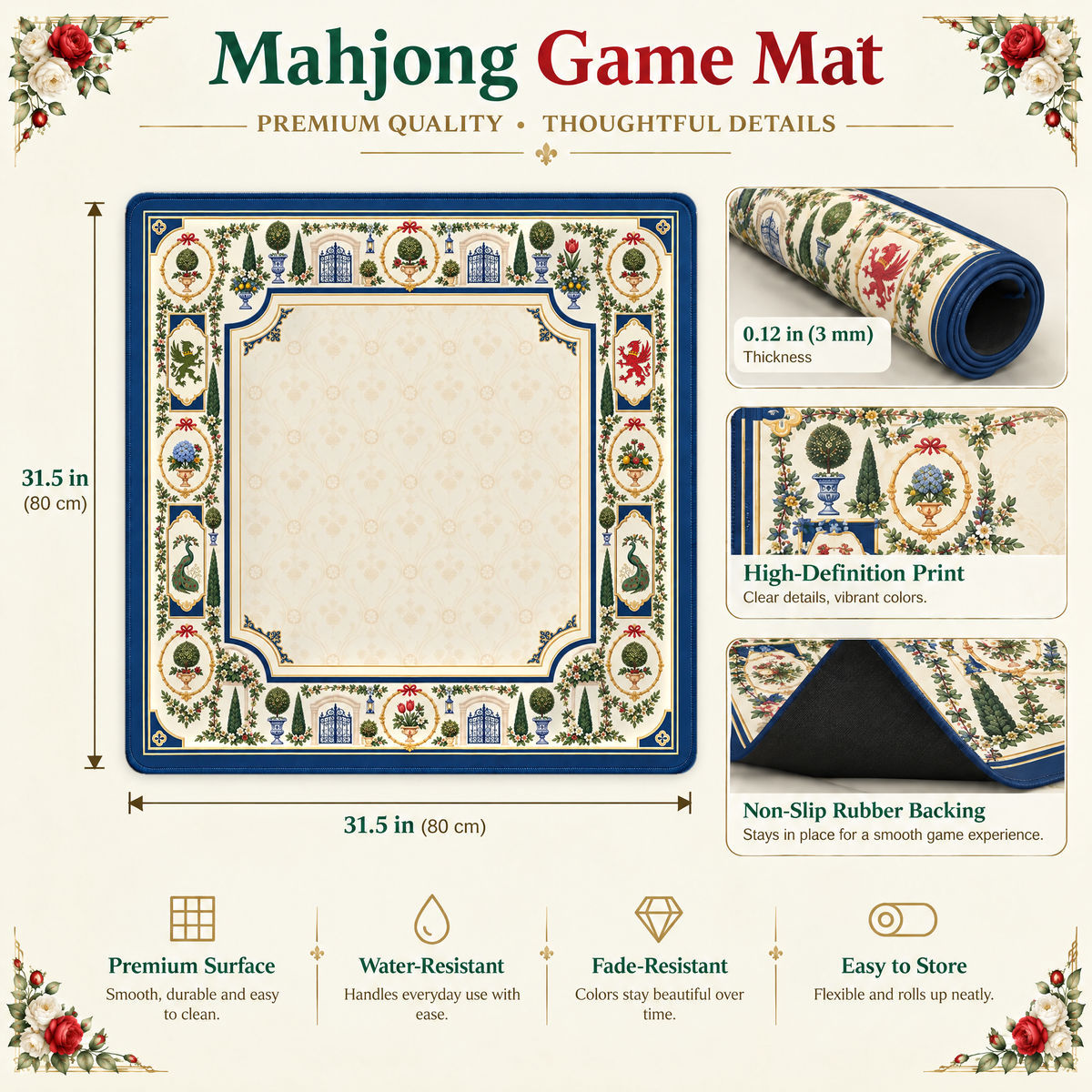
If you're hosting riichi games regularly, a quality set with durable tiles and a mat with clear discard zones makes it easier to track discards and avoid furiten mistakes. Clear tile visibility and organized discard walls reduce mental load. For players learning riichi after American mahjong, our best-selling acrylic sets work for both rule systems and help you build muscle memory on tile handling.

FAQ
If I've discarded a 3 Crak, can I ever win on 3 Crak again in this hand?
No. Once you've discarded 3 Crak, you cannot win if someone throws you 3 Crak, and you cannot win by drawing 3 Crak from the wall. Furiten blocks that specific tile for the entire hand, no exceptions.
Does furiten apply if I've only just started playing riichi?
Furiten is a core riichi rule; it applies in all formats. If you're brand-new, ask your table to play a practice hand first and point out furiten traps as they happen—it's the fastest way to learn.
Can I declare riichi if I've discarded one of my winning tiles by accident?
No. Before declaring riichi, you must confirm that none of your winning tiles are in your discard pile. If one is, you cannot declare riichi at all.
What if I'm playing a variant that's not strict riichi—like Hong Kong mahjong?
Many Hong Kong and Taiwanese variants use furiten, but the specifics vary (some apply it only to discards, others to melds too). Ask your group for their exact ruleset before playing.
Is there a way to "undo" a furiten mistake during a hand?
No. Furiten cannot be reversed. If you've made a mistake, you play out the hand without winning and learn from it. Most players keep mental notes of their mistakes to avoid repeating them.


View More
View More
View More
