
Riichi Mahjong Dice and Wall Breaking: Rules and Setup
Last updated: Nov 23, 2026
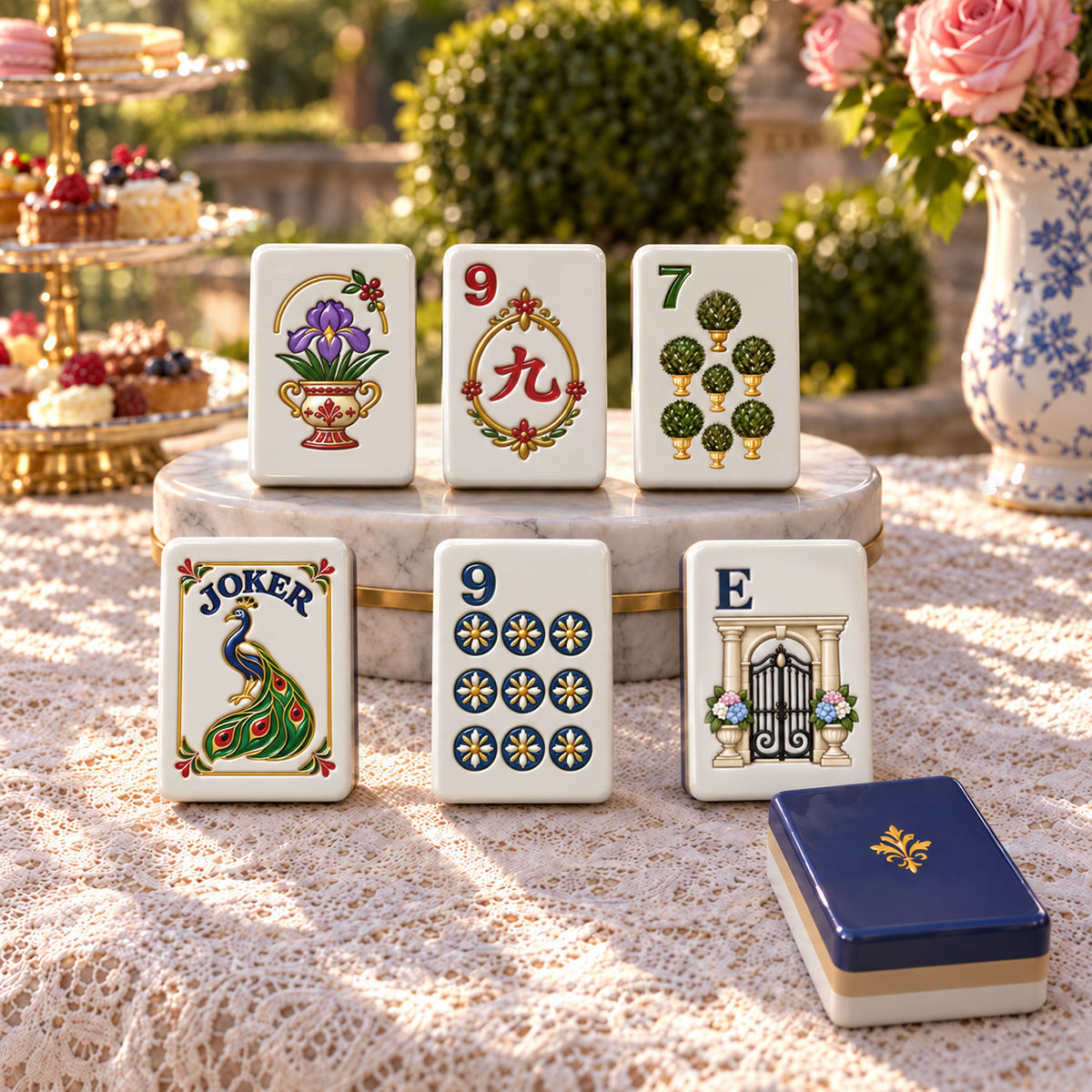
Riichi mahjong uses two six-sided dice to break the wall and determine the starting draw position for each hand. After the wall is built (a 34-tile stack of two-tile pairs in front of each player), the player designated as the dealer or the current discarder rolls both dice. The sum determines which section of the wall to "break" (open); the player then draws tiles from that location. Unlike American mahjong, which relies on drawing from a fixed pool with jokers, riichi uses only the standard 136 tiles (four suits × 1–9, winds, dragons, no jokers or blanks). Wall breaking is mandatory—it happens before every hand—and the ritual varies slightly by rule set (Hong Kong, Japanese, online platforms). Mistakes include rolling from the wrong player, miscounting the wall position, or breaking the wall after tiles have already been drawn. A quality pair of dice speeds up play and prevents disputes about results.
Riichi mahjong uses two dice to break the wall and determine where tiles are drawn—a critical ritual that sets up each hand. After the wall is built (a 34-tile stack of two-tile pairs in front of each player), the player designated as the dealer or the current discarder rolls both dice. The sum determines which section of the wall to "break" (open); the player then draws tiles from that location. Unlike American mahjong, which relies on drawing from a fixed pool with jokers, riichi uses only the standard 136 tiles (four suits × 1–9, winds, dragons, no jokers or blanks). Wall breaking is mandatory—it happens before every hand—and the ritual varies slightly by rule set (Hong Kong, Japanese, online platforms). Mistakes include rolling from the wrong player, miscounting the wall position, or breaking the wall after tiles have already been drawn. A quality pair of dice speeds up play and prevents disputes about results.
How do you roll the dice in riichi wall breaking?
The dealer (or discarder, depending on rule set) rolls both dice from their position, ideally inside the wall enclosure or on the mat to prevent them rolling off the table. The sum (2–12) determines the wall segment. Count around the wall clockwise from the dealer's right, or follow your rulebook's convention. Most players count each two-tile pair as one unit (so a sum of 8 means 8 pairs, or 16 tiles inward). The break point tells you where the draw begins; players then lift tiles from that position, not from the start. Roll again if a die falls off the mat or the count is disputed—clarity before play beats arguments after.

Why do riichi players use different dice than American?
American mahjong uses standard six-sided pips dice (or none at all in some variants), while riichi players historically use identical dice to ensure fairness and speed up counting. In riichi groups we've hosted, identical dice—whether wood, acrylic, or bone—reduce misreads because both faces are visually consistent. Riichi dice are often slightly larger and weightier than standard dice, which helps them roll more predictably on fabric mats and prevents bouncing. Some tournaments mandate specific dice sizes and surface finishes to prevent bias. When you shop for riichi-ready equipment in our best-selling collection, check that dice are clearly marked and roll smoothly on your mat.
What's the step-by-step wall-breaking procedure?
Build the wall. Each player creates a line of 17 two-tile pairs in front of them (total: 136 tiles per game).
Designate the roller. The dealer (or by turn order, depending on ruleset) holds both dice.
Roll. Toss both dice onto the mat. Record the sum.
Count the wall. Starting from the dealer's right (or per your ruleset), count clockwise. Each count = one two-tile pair.
Locate the break point. Stop at the count matching the dice sum. Mark this position (the gap between pairs).
Draw tiles. The player whose wall was broken draws two tiles from above the break point; play passes left.
Continue draws. Players draw two tiles in turn (or one if live play demands) until the hand is complete or the wall is exhausted.
Mistakes happen when players recount mid-procedure or lose track of which pair is which. Mark the break clearly with your finger before tiles are moved, or use a small token if hosting several tables.
How does wall breaking differ across riichi rulesets?
Ruleset | Roller | Count Method | Tie-Breaker |
Japanese (JMJA) | Dealer each hand; after draw 1, next player rolls | Pair-by-pair clockwise from dealer's right | Re-roll if wall exhausted |
Hong Kong | Discarder (who took the last tile previous hand) | Pair-by-pair, but can start from any compass direction | Local table custom |
Online (Tenhou, Mahjong Soul) | Algorithm/virtual dealer | Deterministic (no random element) | N/A—system assigns |
Taiwanese | Dealer | Can include count of dice + live player number | House rules vary |
Each ruleset protects against cheating and ensures consistency. When hosting a game, agree on your ruleset before the first hand and write it down if new players are joining. We've seen disputes vanish when both the rule card and a house sheet are visible.

What mistakes do new riichi players make with dice?
Rolling from the wrong player. If you're not the designated roller, the entire wall break is invalid; replay.
Miscounting the wall. Players often count tiles instead of pairs, doubling their count. Reset and recount aloud together.
Rolling after tiles are drawn. Once play starts, rolling again invalidates the hand. Roll before the first draw, always.
Placing dice too close to the edge. A die that drops off the mat or lands on an uneven surface gets re-rolled. Keep your mat flat and your play area tidy.
Ignoring the sum if it seems "wrong." A sum of 2 or 12 is valid and breaks the wall near the end or start. Don't re-roll because you dislike the outcome.
The easiest fix: practice the procedure without live play first, then host a 30-minute drill before your first real hand.
What equipment do you need for riichi wall breaking?
A flat, level mat is essential—it prevents dice from rolling unpredictably and keeps tiles aligned. You need two identical, quality dice (preferably 16–18 mm cubes, clearly marked and balanced). Riichi tile sets sold for serious play often ship with dice included, but verify before purchase. A scoring notepad and pencil help track points after each hand. If hosting multiple tables, a house rulebook (printed or digital) prevents disputes. Check our collection for mahjong mats designed for wall-breaking precision; they have gridlines and beveled edges that guide tile placement and keep dice from escaping.
🀄 Shop best-selling mahjong sets →
How do you count the wall when the dice sum is high or low?
If the dice sum to 12, count 12 pairs clockwise from the dealer's right and break at pair 12 (very near the end of the wall, leaving only the 17th pair untouched). If they sum to 2, count just two pairs and break early. Some players misread this as an error—it isn't. Low and high sums are equally valid. To avoid confusion, count aloud as a group and point to each pair. If someone disagrees, stop, recount from the start, and resolve before drawing a single tile. We've found that writing the dice sum on a small note card and placing it by the break point prevents recounts and keeps the game flowing.
🎁 See our most-loved mahjong sets & accessories →
What to check before you buy riichi dice?
Size: Verify dice are 16–18 mm and feel balanced when rolled on your mat.
Marking clarity: Pips should be raised or deeply carved so they're legible in dim light.
Material: Bone, wood, or acrylic all work; choose what suits your aesthetic and travel needs.
Pair uniformity: Both dice must look and feel identical to prevent suspicion during play.
Included in set: Some riichi-ready mahjong sets feature dice as standard; others sell them separately.
Riichi wall breaking is a ritual—when executed consistently, it becomes invisible and fair. A good pair of dice and a flat mat are the only gear that matters. Find your Mahstead set with precision dice and a mat ready for wall-breaking play and host your next riichi game with confidence.
✨ Find your Mahstead set — free US shipping →

FAQ
What's the difference between riichi dice and American mahjong dice?
American mahjong often uses no dice at all or a single die to determine seating. Riichi requires two identical dice to break the wall fairly before each hand. Riichi dice are typically heavier and more balanced to prevent bias and ensure consistent rolls on fabric mats.
Can you re-roll the dice if you don't like the result?
No. Once rolled and the sum is visible, the wall break is set. Re-rolling only happens if a die falls off the mat, lands off the play surface, or the count was genuinely disputed and recounted aloud by all players.
How do you count the wall if the dice sum is 2?
Count two pairs clockwise from the dealer's right. The break point is very early in the wall. This is a valid and common outcome—not an error or reason to re-roll.
What happens if the wall runs out of tiles before everyone draws?
The hand is exhausted (no winner). Points are calculated based on the tiles each player holds (a "draw" hand in most rulesets). Some groups play on; check your house rules before starting.
Do online riichi games use real dice?
No. Online platforms (Tenhou, Mahjong Soul, etc.) use algorithmic wall breaking. The result is equivalent to a fair roll, but no physical dice are used—the system assigns the break point automatically.
Is wall breaking the same in Hong Kong and Japanese riichi?
Similar but not identical. Japanese riichi always has the dealer roll first; Hong Kong may have the discarder roll. Counting method is consistent (pairs clockwise), but starting position can vary by house rule. Agree on your ruleset before play begins.


View More
View More
View More
