
Riichi Mahjong Chankan Rules: Step-by-Step Guide
Last updated: Nov 23, 2026
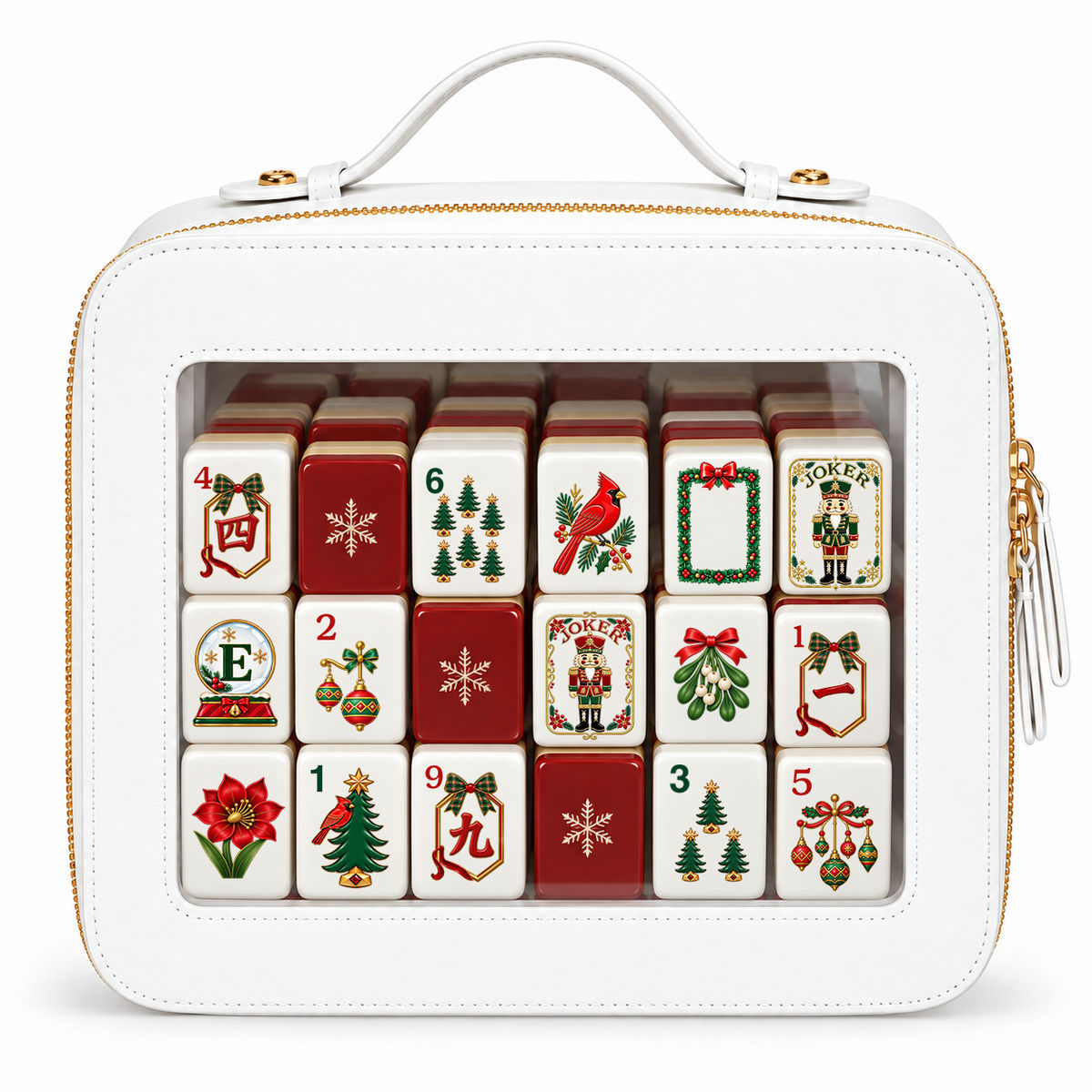
In riichi mahjong, chankan is the action of adding a fourth tile to a three-tile pung you've already exposed or have in your hand, creating a kong. After you declare chankan, you draw one tile from the back of the live wall (the wall's supply end, not the standard draw pile). This draw is called the "kan dora" and can change the dora indicators mid-game. Chankan is legal only during your own turn, after the discard phase, and only if you haven't already drawn for that turn. If you draw the fourth tile from the discard (which happens rarely), it's called an "ankan" or "dakan"—a concealed or semi-concealed kong. This mechanic doesn't exist in American mahjong, which prohibits sequences and limits exposed melds to pungs, kongs, quints and sextets with no mid-game draw replacement. Understanding chankan timing and the resulting dora shift is essential to riichi strategy.
In riichi mahjong, chankan (also called kan) is a core mechanic that separates the game from its American cousin. While American mahjong locks in fixed hands from the National Mah Jongg League card each spring, riichi mahjong evolves turn by turn—and chankan is one reason why.
What exactly is chankan in riichi mahjong?
Chankan means you take a pung (three identical tiles) you already own and add a fourth matching tile to form a kong (four of a kind). You then draw a replacement tile from the back of the live wall, not the regular discard pile. This keeps your hand at 14 tiles after your turn. The new tile you draw might change the dora indicators on the table, potentially raising the hand's final value.

When can you legally call chankan?
You can declare chankan only during your own turn, after you've discarded (or before, depending on house rules), and only if you haven't already drawn a tile for that turn. You cannot chankan if another player has called a winning hand or if the wall is exhausted. Some rule sets allow chankan from your hand as a concealed kong (ankan); others limit it to exposing an existing pung. If your fourth tile comes from someone's discard, it's extremely rare and is called dakan or chi kan, and it may end the game immediately in your favor.
How does chankan change the dora?
When you declare chankan, the dead wall indicator advances one tile. This reveals a new dora tile on top of the live wall, meaning players now count an additional dora in their waiting hand. If you were one tile away from winning, the newly exposed dora might be that tile—or it might brick your entire hand. This unpredictability is why chankan is both powerful and risky in riichi strategy.
Chankan vs. American mahjong kongs: what's the difference?
American mahjong allows you to expose kongs (four identical tiles in a meld), but you never draw a replacement. The pung stays put as a fixed four-tile unit for the rest of the hand. You also cannot create new dora or change the game state mid-hand through melds. In riichi, chankan actively reshapes what tiles are considered lucky (dora) and expands your options to improve or complete your hand. American mahjong's structure is far more static; riichi's is fluid.

Common mistakes to avoid with chankan
Forgetting the timing window. You can chankan only on your turn, after your discard. Calling it out of turn forfeits the action.
Confusing ankan with pon. If you already exposed a pung and later draw the fourth tile, that's chankan. If you pung a discard and immediately draw a fourth from your hand, some rule sets call this a direct kong; others require a redraw. Know your table's rule set before the game starts.
Miscounting dora after a kan. Always update the dora count aloud. Announce the new dora tile after drawing. If players miss the dora shift, hands are scored incorrectly.
Chankan when you're the dealer. If the dealer (East) chankans and then draws the winning tile on the replacement draw, it stays the dealer's turn and East plays again. This can snowball—plan your chankan carefully.
Waiting too long to declare. Chankan must be announced immediately after your discard. If you wait for another player to act, you've lost the chance.
A checklist before your first riichi game with chankan:
Confirm with your group: ankan (concealed kongs) allowed or only open kongs?
Know whether chankan must come before or after discard.
Assign one player to track dora changes—announce each kan aloud.
Agree on penalty for illegal chankan (replay, hand dead, or table fine).
Practice one hand with a dealer calling chankan so everyone sees the dora shift.
If you're learning riichi mahjong, you'll want best-selling riichi sets or new arrivals with clear tile markings—especially if you're tracking dora indicators and kans side by side. Acrylic tiles with engraved suit symbols and numbers are easier to read during rapid tile exchanges, reducing mistakes during chankan declarations.
🀄 Shop best-selling mahjong sets →
How riichi chankan affects hand value and scoring
A hand that includes a chankan (a melded kong) typically scores higher than the same hand with only pungs, depending on your rule set. Some variants award bonus points for kans; others don't. The dora shift from chankan can catapult a hand's point value—if the new dora matches your waiting tile, you've just multiplied your win value. This is why experienced players carefully choose when to chankan: too early, and you telegraph your wait; too late, and you miss the dora advantage. Japanese mahjong tournaments distinguish fu (base points) and han (doubles) using kans in their multiplier logic, so chankan decisions are math-heavy, not just tactical.
Ankan vs. dakan: concealed and semi-concealed kongs
Ankan (concealed kong): You form a four-tile set entirely in your hand without ever exposing a pung. Then you declare ankan and draw from the back wall. Your kong stays hidden until you win or the hand ends. Many rule sets allow ankan; some restrict it to dealers only.
Dakan (draw kong): You draw the fourth tile of a pung from the regular draw pile and declare chankan immediately. This is the most common form at casual tables.
Chi kan (stealing a kong): An opponent declares chankan and draws. You can claim that draw tile to win immediately in some rule sets—a rare but devastating play.
If you host weekly riichi games, mahjong mats with clear zone markings help players see the dead wall and live wall distinction instantly, preventing draw errors during chankan. A mat with pushers also keeps tiles organized and reduces fumbling.
🎁 See our most-loved mahjong sets & accessories →
Scenario | Riichi Chankan | American Mahjong Kong | Timing |
Action | Add 4th tile to pung; draw replacement | Expose four identical tiles; no draw | Your turn only; after discard in riichi |
Draw source | Back of live wall | None | New tile affects dora |
Dora change | Yes, one dora advances | N/A | None; hand is static |
Scoring impact | Higher fu/han; bonus in some rule sets | Fixed kong points on card | Varies by variant |
Concealment | Ankan (hidden) or dakan (semi-open) | All kongs must be exposed | Riichi has hidden option |
Endgame risk | Opponent can claim draw to win (chi kan) | N/A | Rare but possible |
What to check before you buy riichi mahjong sets
Tile clarity: Can you read numbers and suit marks from across a table? Riichi play moves fast; dim tiles slow you down.
Tile count: Standard riichi sets have 136 tiles (4 × 34: 3 suits, numbers 1–9, 7 honor tiles). Verify before purchase.
Dora indicators: Does the set include marked dora tiles or a separate dora indicator chip? You'll need clear dora tracking during chankan.
Wall building: Riichi walls are built tile-side-up in racks. Do your racks fit the tile size?
Rule book: Ask the seller or manufacturer for clarity on ankan and chankan before buying. Different regions (Japan, China, online) have subtle rule variations.
✨ Find your Mahstead set — free US shipping →

FAQ
Can you chankan on your first turn?
Yes, if you drew a fourth tile from the live wall or have four identical tiles in hand, you can ankan immediately—though it's unusual and signals a risky strategy to other players.
What happens if the wall runs out before you can draw for chankan?
The hand ends in a draw (exhausted wall). You cannot complete the chankan, so the action is forfeited. This is why late-game chankans are risky.
Does chankan reset the discard sequence?
No. After you chankan and draw, the turn passes to the next player as usual. Chankan does not extend your turn or let you discard again.
Can two players chankan in the same hand?
Yes. If East chankans and draws, and later South chankans, both kongs remain melded. Each advances the dora indicator once. The hand continues until someone wins or the wall exhausts.
Is chankan allowed in online riichi mahjong?
Yes, all major online riichi platforms (Mahjong Soul, Tenhou, etc.) enforce chankan rules automatically. The software handles dora updates and timing so you don't have to worry about mistakes.
How do I know if my table uses house rules for chankan?
Ask before the game starts. Specify: ankan allowed? Dakan allowed? Dora always advances? Can you chankan face-up or only hidden? Penalties for illegal chankan? Written house rules prevent disputes.


View More
View More
View More
