
Riichi Mahjong Baiman Rules: How to Score and Win
Last updated: Nov 23, 2026
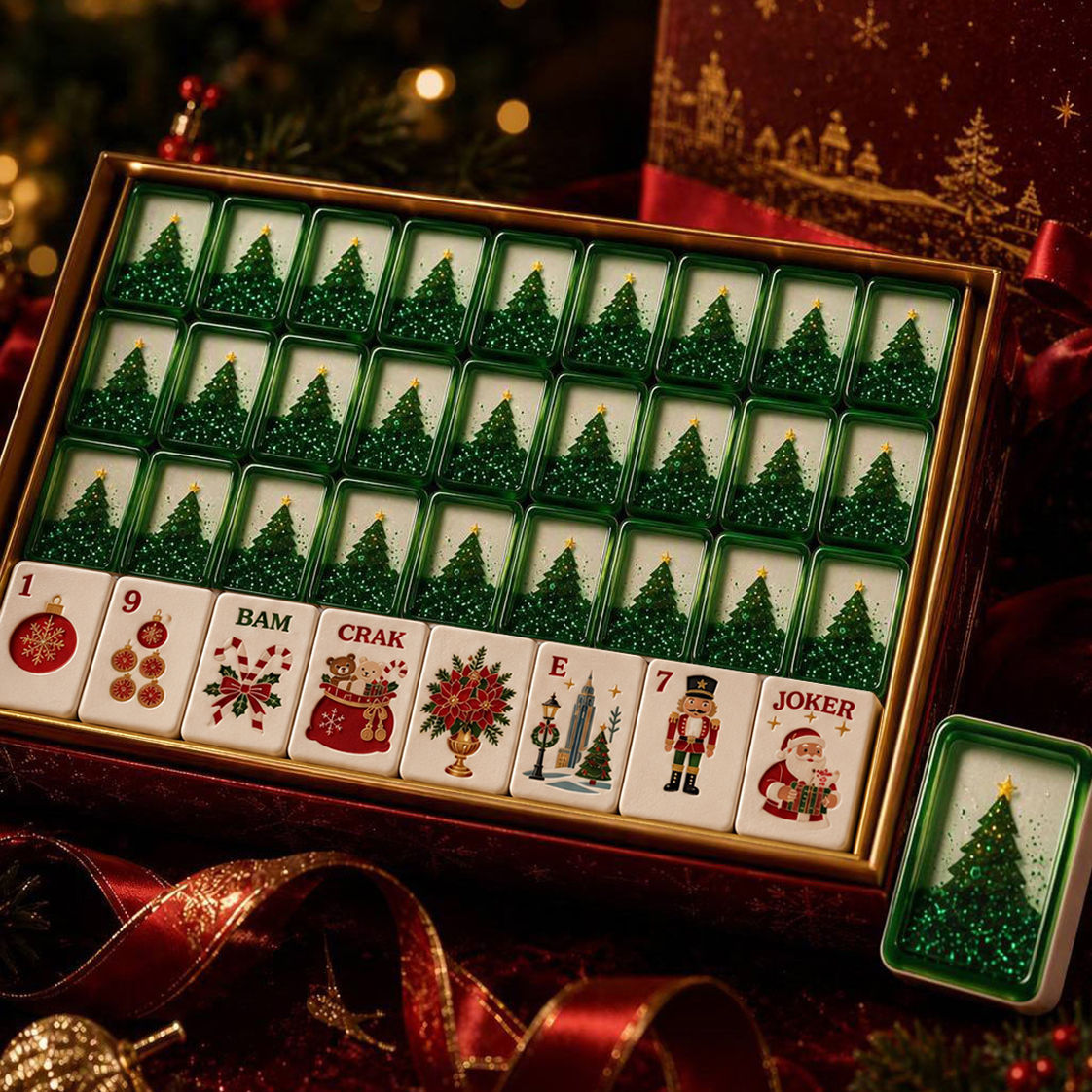
Baiman (麻雀) in riichi mahjong is a hand worth 6–7 fan (double counters) or 8–10 fan before dealer bonuses, earning 2,000 base points (nonpro) or 3,000 base points (pro dealer). Unlike American mahjong, which uses a single yearly card, riichi mahjong scores hands by counting fan—repeating patterns like chows (sequences of three consecutive numbers, called shuntsu), pungs (identical triplets, pung or刻子), and melds (open or closed), plus yaku (bonus patterns like All Simples or Dragon Pung). A baiman hand typically requires clean melds, often a full hand of chows with winds or honors, or mixed sequences with a major yaku. Payouts are multiplied based on dealer/nonpro status and round position. Learning fan hierarchy—mangan at 5 fan, haneman at 6–7—helps players recognize when a hand qualifies for baiman mid-game and shapes bidding strategy.
Baiman occupies a crisp middle rank in riichi mahjong's hand-value ladder. If you're moving from American mahjong to riichi, baiman is where hands start demanding precision: you can't rely on wild jokers or flexible number sequences anymore. Instead, every meld counts, yaku stack, and fan multiply. We'll walk through baiman exactly as it sits in gameplay so you can spot it mid-hand and know whether to push, fold, or declare.
What exactly counts as baiman in riichi mahjong?
Baiman is the hand-value grade between mangan (5 fan) and haneman (6–7 fan). A baiman hand scores 6–7 fan—or 8–10 fan if you're already at 4+ fan and declare a win without drawing a new tile. Baiman payouts are 2,000 base points for a nonpro, tripled for the dealer (6,000), and multiplied across three opponents. It's the level where a single well-timed yaku pushes a hand from "solid" to "lucrative," and miscounting fan at baiman costs real money fast.

How do fan and yaku combine to create a baiman hand?
Fan (scoring doubles) accumulate from yaku: each yaku pattern you complete adds one or more fan to your hand total. A simple yaku like All Simples (just 1–9, no terminals or honors, worth 1 fan) stacks with a Pung of Dragons (1 fan) and a Pung of Winds (1 fan) to reach 3 fan. Two major yaku—say, Half Flush (all one suit plus honors, 3 fan) and a self-drawn win (1 fan tsumo)—hit 4 fan. To reach baiman's 6 fan, you need either three 2-fan yaku or a 3-fan plus two 1-fan yaku plus a dealer or round bonus. Many baiman hands are clean: seven pairs in honors and terminals (2 fan) plus a winning draw from the live wall (1 fan) plus the hand being closed except the final pair (1 fan) plus East round bonus (1 fan) = 6 fan, baiman. Riichi declares themselves (1 fan bonus) after locking your hand, so declaring riichi early opens a path to baiman if one more yaku lands.
What's the payout difference between baiman and mangan?
Mangan pays 2,000 base (nonpro) or 6,000 (dealer); baiman pays the same base but ranks higher in the progression, meaning tournaments weight baiman wins more heavily and hand value skips certain scoring tiers. The real money difference emerges with dealer multipliers and round bonuses. In a round where East (dealer) scores baiman, all three nonpro players pay 4,000 points each (12,000 total to the winner). If a nonpro scores baiman from the dealer, the dealer pays 4,000 and the other two nonpro pay 2,000 each. Most players track baiman as "the safe mid-tier win"—high enough to build a lead without the discipline required for haneman (6–7 fan) or the rare yakuman (13+ fan, instant maximum). Haneman payouts double baiman in premium rounds, so chasing haneman instead of locking baiman is a real strategic decision mid-hand.
What common mistakes kill a baiman hand before you declare?
The biggest error is declaring riichi with too few stable yaku. Riichi locks your hand and commits you to drawing only winning tiles; if the hand pattern breaks, you must discard and abandon the declaration. New players often riichi with 3 fan, hoping for one more yaku to hit 4 and trigger mangan, but they discard a tile that kills their pung or open a suit they can't complete. Riichi is powerful (1 bonus fan, wall draw bonus), but only if at least three of your melds are complete before you declare. A second mistake: not counting concealed vs. open melds. Winning by self-draw (tsumo) after a riichi declaration adds a bonus fan, but if you've already drawn and exposed three melds mid-hand, your tsumo bonus may not fire. Third: ignoring terminal pairs. Many riichi hands fail because players forget that honor pairs (winds, dragons) and terminal pairs (1 or 9 of any suit) are worth extra fan in certain yaku. A hand with North Wind pair + Red Dragon pair + 1 Bam + 9 Dot has dormant yaku worth 2–3 fan; most players bury them and score 2 fan when they could hit 5. Study the hand before calling riichi, not after.

How does dealer status change baiman payoffs?
Dealer (East wind) earnings are always 1.5× a nonpro's payout for the same hand fan. If nonpro scores 6 fan, they earn 2,000 base × 1 (no multiplier) = 2,000 per opponent player. If dealer scores 6 fan, they earn 2,000 × 1.5 = 3,000 per opponent. Over a full round (four hands), dealer advantage compounds: dealer collects for a baiman win roughly 18,000 points total; nonpro collects 12,000. Dealer also declares first in turn order and draws first from the wall, creating card advantage—you'll often see dealer hands reach baiman or haneman one round before the same pattern would for a nonpro due to draw timing. This is why tournaments rotate dealer: three nonpro hands, one dealer hand per round. A common strategy mistake: nonpro players push for riskier baiman hands (betting on two fragile yaku) to close a dealer lead, while dealer players lock safe 5-fan mangan because the payout math already favors them. Riichi mahjong rewards patience; a steady stream of baiman beats one desperate yakuman.
🀄 Shop best-selling mahjong sets →
Baiman in tournament play vs. casual games
Casual riichi groups often play with house rules that skip some yaku or allow simplified scoring, which blurs the baiman boundary. Official Japan Mahjong Association (JMA) rules, used in tournaments, enforce strict yaku recognition and fan counting: baiman is always 6–7 fan (or 8–10 pre-mangan). If you play casually, confirm your group's yaku list before the game—some groups omit Schmear (all one suit, 2 fan) or apply loose terminal rules. Tournaments use a fixed yaku table and dealer rotation; casual play often keeps dealer if they win or skip dealers entirely. Baiman strategy shifts: in casual play, a risky 7-fan hand might pay off because opponents don't penalize it as heavily; in tournaments, pushing for baiman when you could lock mangan is tracked on scoreboards, and repeat risky players lose credibility. A useful compass: casual baiman is "anything 6 fan by house counting"; tournament baiman is "exactly 6–7 fan per JMA yaku, checked against the official fan table." If you're hosting weekly games and want to move toward tournament rules, clarify the yaku list (often posted on the Japan Mahjong Association website or printed in starter guides) before Round 1.
Why baiman matters more than you think
Baiman is the score that separates casual players from serious ones. Most nonpro learners chase mangan because it's the first "big" payout; they stop studying fan combinations and assume mangan is "enough." But baiman players recognize that 6 fan is where the real math lives: close-range melds, correct yaku timing, and dealer sensitivity all collapse into one decision. If you can reliably score baiman, you've mastered the fundamentals of riichi melds (shuntsu and pung stacking), yaku layering, and hand structure. That same skill transfers instantly to haneman and higher hands. Many groups report that once two or three players in a game hit consistent baiman, the entire group's average score climbs because baiman winners set a tone of clean play and strategic patience. If you're stepping up from American mahjong—where hands come from the yearly card and jokers soften mismatches—riichi baiman is your first real test of reading the tile flow and locking sequences. The players who master baiman become the ones other players want to sit with.
🎁 See our most-loved mahjong sets & accessories →
What to check before you buy a riichi-ready set
If you're serious about riichi mahjong, your tile set matters more than it does in American play. Riichi uses the standard 136-tile set (four copies of each tile across three suits, 1–9, plus winds and dragons—no flowers, no jokers, no blanks). Many American mahjong retailers sell 152-tile sets with jokers and extra tiles, which won't help you in riichi. You'll want a riichi-specific set with clear, readable suit symbols (Bam, Crak, Dot) and unambiguous number markers—players read tiles fast in riichi, and worn or small print costs you speed. Our best-selling mahjong sets include clear engraved designs in acrylic and traditional materials; look for sets marketed as "riichi-compatible" (136 playable tiles, no jokers). If you're hosting weekly riichi games, pair your tiles with a mahjong mat that marks discard zones clearly—riichi etiquette requires organized discard piles, and a good mat prevents the "whose tile is that?" chaos that derails baiman hand counts. Racks with pushers are less critical in riichi than American play (riichi hands don't hide; you arrange them openly), but if you're mixing American and riichi players, a full-service setup with racks speeds transition between games.
Scoring summary table: from mangan to baiman
Hand Value | Fan | Base Points (Nonpro) | Dealer Payout | Nonpro from Dealer | Key Yaku Count |
Mangan | 5 | 2,000 | 6,000 | 4,000 | 2–3 major yaku |
Baiman | 6–7 | 2,000 | 6,000 | 4,000 | 3–5 layered yaku |
Haneman | 6–7* | 3,000 | 9,000 | 6,000 | 1 yakuman-near or 4+ major |
Sanbaiman | 11–12 | 6,000 | 18,000 | 12,000 | Yakuman-adjacent |
*Haneman at 6–7 fan reflects dealer/draw bonuses stacking with major yaku, triggering a payout tier above simple mangan.
✨ Find your Mahstead set — free US shipping →

FAQ
Is baiman the same in all riichi mahjong variants?
The JMA baiman standard (6–7 fan) is global for riichi. Hong Kong and Taiwan mahjong use entirely different fan systems and don't use the term "baiman." If you're playing online or abroad, confirm the rules set before game start; "riichi bahjong" and "Classical Chinese" are not interchangeable.
Can I score baiman with a closed hand (no exposed melds)?
Yes. A fully concealed baiman hand (all melds hidden, won by drawing) scores the same fan but triggers a "all concealed" bonus yaku (1 fan), often pushing it past baiman. Concealed hands are risky because other players can't read your progress, so they discard more freely—you'll lose baiman more often, but win it bigger.
How many tiles do I need to practice riichi baiman hands?
You need exactly 136 playable tiles (four copies of each, no jokers or blanks). A riichi-compatible mahjong set from Mahstead ships with 160 tiles total, giving you spares for wear; the 136 playable tiles are what sit on the table during a baiman game.
Does declaring riichi guarantee I'll score baiman?
No. Riichi adds 1 fan and draws a wall bonus (1 fan), but only if you win immediately. Riichi locks your hand, so you discard only tiles that don't complete your melds. Many riichi hands die mid-round when you can't discard safely; you've "called riichi and lost," collecting zero points and often paying penalties to the winner.
What's the fastest way to spot a baiman hand mid-play?
Count your complete melds and yaku as tiles hit: if you have three melds plus a pair, plus two active yaku, you're already at 4 fan. A riichi declaration or one more meld puts you at 6. Experienced players count continuously; casual players often wake up mid-hand and realize they're one tile from baiman and panic. Practice counting aloud in low-stakes games to build speed.


View More
View More
View More
