
Retro Mahjong Mat: Guide to Vintage & Classic Styles
Last updated: Nov 23, 2026
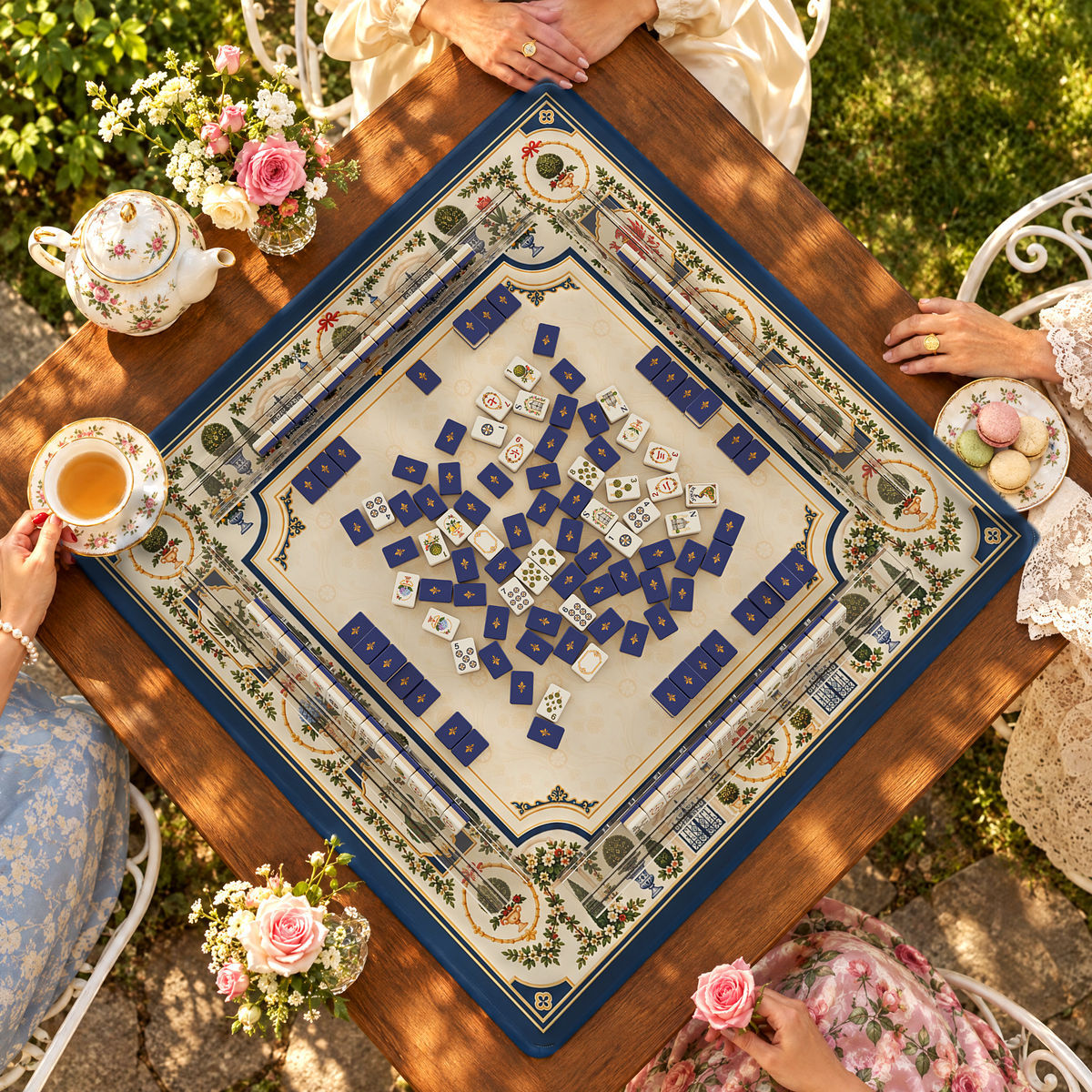
A retro mahjong mat is a felt or fabric playing surface designed with vintage aesthetics—think 1950s patterns, art deco geometry, or kitschy humor—rather than solid colors or minimalist looks. These mats typically measure 27–31 inches square, fit standard four-player setups, and use non-slip backing to protect your table. Retro designs range from genuine mid-century reproduction artwork to modern takes on vintage themes, often featuring jokes, cultural nods, or throwback illustrations. When shopping, check the mat thickness (¼ inch or thicker holds up longer), fabric weight, and whether the backing suits your table finish. Mahstead's collection includes retro-inspired designs alongside contemporary styles, all made to handle weekly play and ship free across the US. Expect to invest in quality: better mats resist fraying and staining better than budget alternatives. Before buying, measure your actual playing space and confirm the mat doesn't slide on your table surface. 🀄 Shop best-selling mahjong sets →
What exactly is "retro" on a mahjong mat?
Retro design on mahjong mats draws from three eras: mid-century modern (1940s–60s geometric and atomic patterns), 1970s kitsch (bold florals, psychedelic color), and nostalgia-forward (playful fonts, vintage illustrations, tongue-in-cheek humor). These aesthetics aren't just decoration—they signal a mat's personality and can make your game night feel like a specific moment in time. Retro mats appeal to players who want their table to tell a story, not just function as neutral felt.
How does a retro mat differ from a standard playing surface?
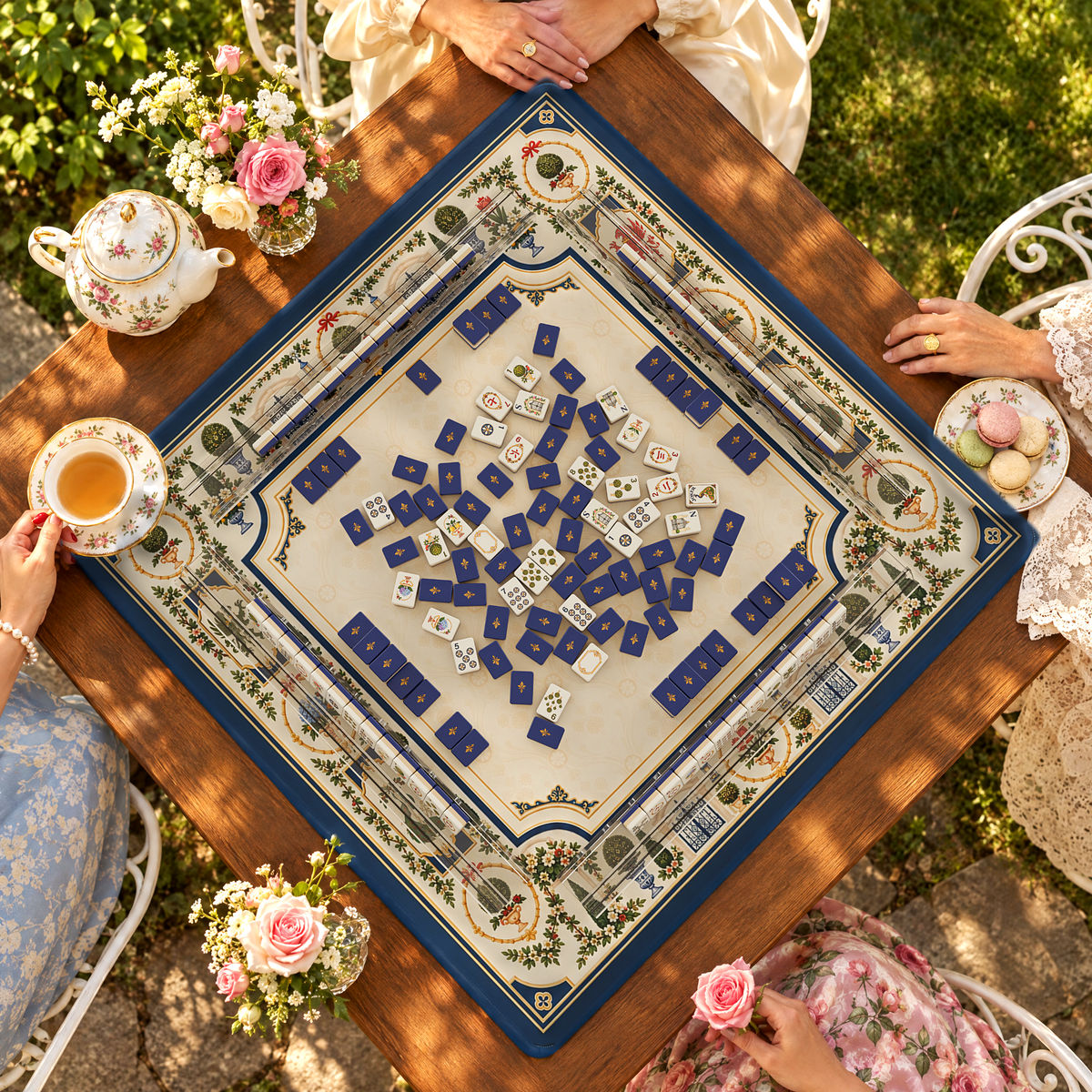
Standard mahjong mats are typically solid colors—navy, green, burgundy—and prioritize neutral aesthetics and durability. Retro mats swap uniformity for character: printed or woven artwork, heritage-inspired color palettes, and intentional visual "noise" that makes the table memorable. Both meet functional requirements (non-slip backing, proper dimensions, enough wear resistance for weekly play), but retro versions succeed because they look intentional, not accidental. The playing experience is identical; the mood is entirely different. Choose a standard mat if you want the table to fade into the background; choose retro if you want guests to smile when they sit down.
What design styles count as "retro" in mahjong mats?
Design Type | Visual Language | Who It's For | Why It Works |
Mid-century modern | Geometric shapes, atomic starbursts, clean lines | Players who love 1950s design | Timeless pattern that reads sophisticated and playful at once |
1970s kitsch | Bold florals, warm earth tones, oversized motifs | Nostalgic players, thrift lovers | Instantly recognizable, fun without being silly |
Vintage humor | Jokes, vintage fonts, illustrated scenes | Players who want conversation starters | Adds personality beyond function |
Art deco revival | Symmetrical patterns, gold accents, bold borders | Collectors, formal game groups | Elegant retro that doesn't feel kitschy |
Americana throwback | Retro diners, pin-up aesthetics, nostalgic typography | Casual players, themed game nights | Familiar and warm, feels like home |
Why choose a retro mat for your regular game?
We love retro mats because they solve a practical problem: after your tenth weekly game on the same table, the playing surface starts to feel invisible. A retro design—especially one with humor or a design story—makes game night feel like an event again. Beyond aesthetics, a quality retro mat (thick felt, proper backing, fade-resistant printing) plays identically to any other mat. The real win is that your guests remember your mat, not just that you played mahjong. Retro also ages well: a mid-century pattern doesn't look dated in five years; it looks intentional.
🎁 See our most-loved mahjong sets & accessories →
How to choose a retro mat: style, size, and setup
Start with space. Measure your actual playing table or floor area; most standard retro mats run 27–31 inches square. If you host in a small room, a 28-inch mat is snug but works; 31 inches gives elbows breathing room and lets your tile racks sit comfortably without overhang. Next, decide your design lane: if your game room has mid-century furniture, a geometric retro mat anchors the look. If your group loves jokes and warmth, a vintage-humor design breaks the ice. Check backing texture—non-slip rubber stays put on wood and laminate; felt-on-felt backing works better on glass tables (less grip). Finally, consider stain resistance. Light-colored retro mats are gorgeous but show spill marks faster than burgundy or navy. If your group drinks wine or coffee during play, a darker retro palette or one with busy pattern coverage hides spots longer between cleanings.
Our collection of mahjong mats includes retro-inspired designs across these styles. Visit the full range to see which aesthetic clicks with your group and space.
What to check before you buy a retro mat
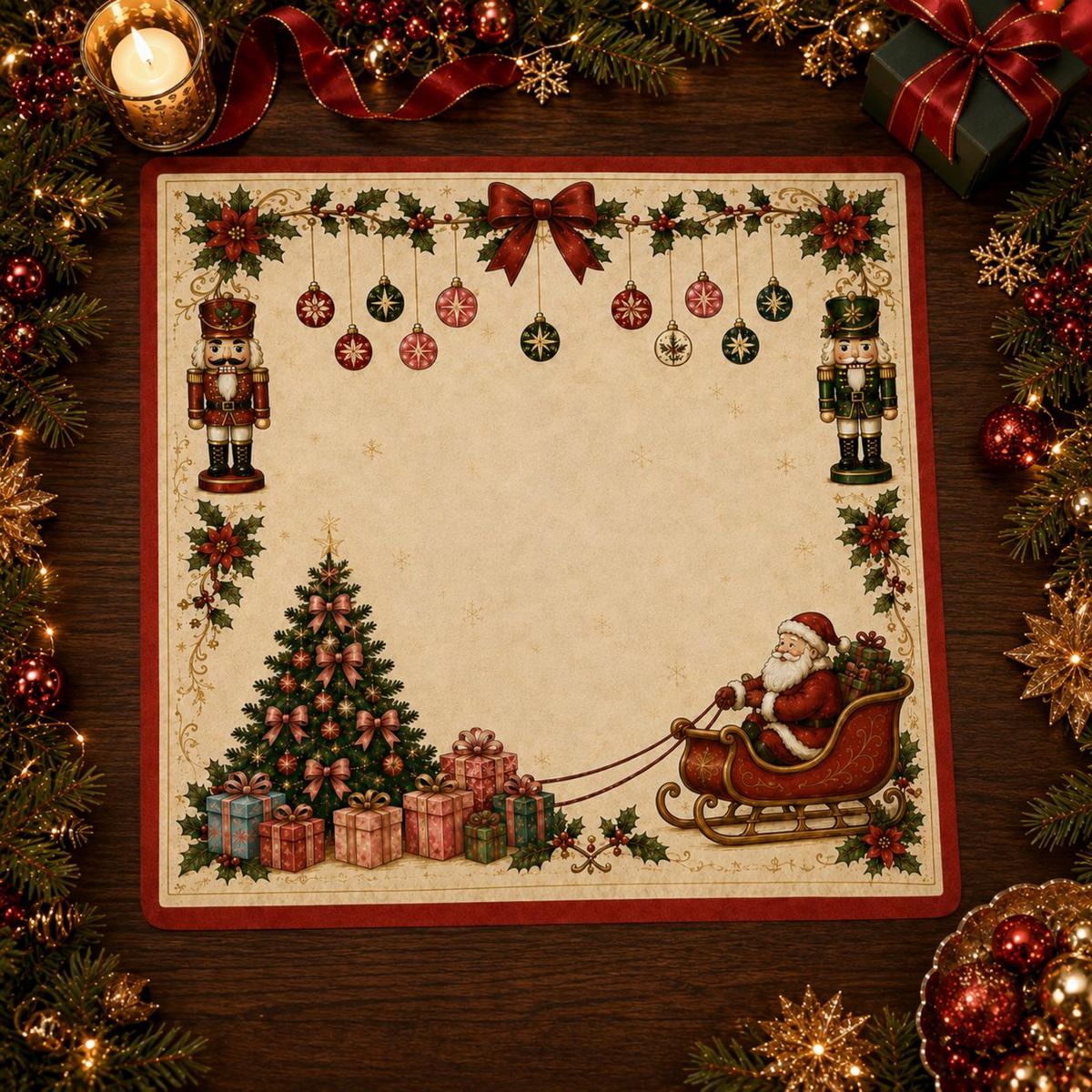
Thickness: ¼ inch or thicker (thinner mats wrinkle and show table grain through the felt).
Backing grip: Test if it grips your actual table surface—bring a photo or sample if ordering online.
Print durability: Ask if artwork is woven, fused, or screenprinted; woven or fused lasts longer than surface print.
Seam finish: Check edges for fraying or rough binding; a quality mat has clean, stitched borders.
Size: Confirm it leaves 12–18 inches of table margin around the mat for tile racks and players' hands.
Care instructions: Some retro mats need spot-cleaning only; others tolerate gentle machine wash. Know before you spill.
Color bleeding: If the mat has bold colors, confirm in product photos or reviews that dye doesn't run when wet.
✨ Find your Mahstead set — free US shipping →
Pairing a retro mat with the right tile set and racks
A retro mat shines when the whole table setup moves together. If your mat has 1950s atomic geometry, pair it with a crisp, clean-lined set of American mahjong tiles—acrylic is modern, bone/bamboo feels warm and vintage. A 1970s kitsch mat pairs well with playful, colorful sets. For hosting, add racks with pushers in tones that complement the mat's palette; a mid-century mat looks sharp with dark walnut or blonde wood racks. If you travel with your set, a matching bag or case in a coordinating color or pattern ties the whole setup together and protects your mat during transport. The goal: your table looks intentional, not like you grabbed whatever was on sale.
Retro mats for different game settings
Weekly home game: Choose a design you'll enjoy seeing 50 times a year. Bold patterns hold up better psychologically than subtle ones—you won't tire of a fun vintage graphic as fast as a half-hearted print. Non-slip backing is essential if your table gets heavy use and tile movement.
Casual hosting / entertaining: Retro humor and conversation-starter designs win here. A mat with a witty phrase, vintage illustration, or nostalgic reference becomes part of the evening's memory. Guests photograph it; you host better because the table feels special.
Tournament or formal play: Retro doesn't mean chaotic. Art deco or tasteful mid-century geometric designs bring vintage style without distraction. Avoid busy, joke-heavy mats if scoring concentration matters; neutral retro (clean patterns, restrained color) respects the game's focus while looking intentional.
Themed game nights: Americana retro, 1970s kitsch, or mid-century modern mats set a mood instantly. Pair with period-appropriate music, snacks, or even tile sets with matching design language. Your guests feel transported, not just gathered around a table.
Retro mat vs. solid color: when retro wins, when it doesn't
Factor | Retro Mat | Solid Color | Verdict |
Visual memory | Guests remember the mat | Fades into background | Retro if entertaining matters |
Stain visibility | Busy patterns hide spills | Spills visible immediately | Retro for casual play, solid for pristine look |
Design longevity | Mid-century patterns stay cool; kitsch can feel dated | Never looks dated or trendy | Retro if you love the era; solid if uncertain |
Price point | Usually same or slightly higher per quality | Baseline | Depends on design; no premium for retro |
Table cohesion | Transforms the whole aesthetic | Neutral backdrop | Retro if room has character |
Distraction during play | No (pattern is stable, not moving) | None | Tie; design doesn't affect gameplay |
Why we recommend retro for most weekly players
We've hosted thousands of games, and we've noticed: players who care enough to buy a nice mat also care about the feeling of game night. A retro mat signals that you've thought about ambiance, humor, and tradition—not just function. It costs roughly the same as a solid mat, ships the same way, and plays identically. The only difference is that people ask about it, remember it, and look forward to playing on it again next week. That's worth the choice.
🎁 See our most-loved mahjong sets & accessories →
FAQ
Can I use a retro mahjong mat outdoors?
Most felt mats (retro or solid) absorb moisture and fade in direct sun. If you play outside often, check if your mat has UV-resistant backing and synthetic fibers. Otherwise, bring it in after each session or choose a specialized outdoor mat.
How do I clean a retro mat without damaging the printed design?
Spot-clean with cool water and mild soap on a soft cloth; avoid soaking. If the design is screenprinted (surface-level), be gentler than with fused or woven artwork. Check the product care label; some retro mats tolerate gentle machine wash on delicate cycle. Always air-dry flat.
Do retro mats work on glass tables?
Yes, but use felt-on-felt backing or add a non-slip rug pad underneath to prevent sliding. Rubber non-slip backing sometimes sticks too hard to glass and can leave marks when removed. Test first with a corner or ask the maker about glass-table compatibility.
What size retro mat should I buy for a standard four-player game?
A 28–31 inch square mat works for most dining or game tables. Measure your table and subtract 12–18 inches on each side to ensure tile racks and players' hands have room. If space is tight, 27 inches is minimum; if generous, 31 inches is ideal.
Are retro mahjong mats compatible with any tile set?
Yes. The mat is a playing surface; it works with any standard American mahjong set (152 tiles, eight jokers). Aesthetically, you might pair retro designs with sets that complement them—colorful mats with acrylic sets, mid-century mats with bone/bamboo—but there's no functional restriction.
Can I get a retro mat with a custom design or text?
Mahstead offers engraved mahjong sets and custom designs on some products; check the full mahjong mat collection for customization options. Custom mats take longer to ship; confirm lead times before ordering.


View More
View More
View More
