
Retro American Mahjong Set: What to Buy in 2026
Last updated: Nov 23, 2026
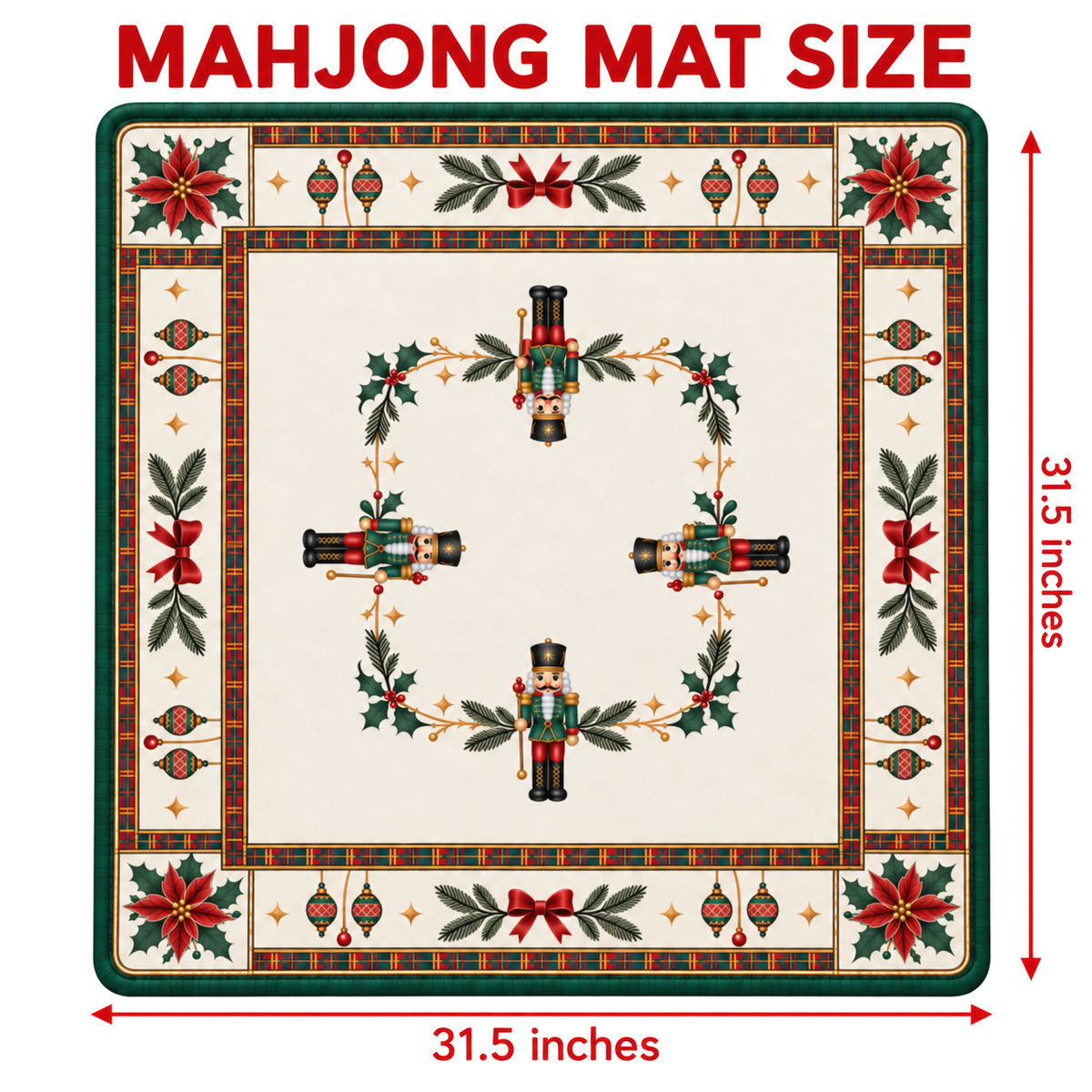
A retro American mahjong set combines mid-century design language—art deco tiles, marble or bakelite looks, bold lettering, or jewel tones—with the 160-tile American standard (152 playing tiles plus spares). You'll find them sold through specialty retailers including Mahstead in Dallas. A retro set typically costs more than modern plastic because the aesthetic demands attention to color gradation, tile finish, and box presentation. The best retro sets use engraved or embossed tile faces (not printed, which fades) and weighted plastic or acrylic tile stock. Before ordering, confirm tile material, confirm the set includes all 160 tiles (not 144), and check whether the box is decorative or functional for storage. Retro appeal works best when paired with quality best-selling mahjong sets that match your table aesthetic.
What makes a mahjong set look "retro"?
Retro American mahjong design pulls from the 1920s–1970s aesthetic. Think art deco geometry, tortoiseshell or onyx finishes, cream-and-jade palettes, or brass-colored racks. Hand-drawn bamboo imagery on Bam tiles and period-correct wind symbols read authentically. Modern "retro" often mirrors vintage Catalin or bakelite reproduction—a warmer, heavier feel than plastic. The tiles themselves should show engraved detail, not merely printed artwork that wears away in play.
🀄 Shop best-selling mahjong sets →
How do retro sets differ from standard modern ones?
Modern sets prioritize clarity and durability, often in bright neon or pastels. Retro sets sacrifice maximum legibility for warmth and nostalgia. A modern rack holds tiles in a single-color plastic strip; a retro rack might be wood veneer or brushed metal. Modern boxes stack flat; retro boxes often have ornamental closures or lined compartments. Both play identically—same 152 tiles, same American ruleset—but the experience shifts. Your hand feels heavier, the board looks more like a mid-century living room moment.
What materials matter for a retro mahjong set?
Check three things: tile stock, tile face, and hardware. Tiles should be weighted acrylic or molded plastic, not thin polymer (which cracks). Tile faces must be engraved or embossed; printed surfaces fade within months of weekly play. Racks, pushers, and clasp hardware should feel substantial—brass or brushed aluminum, not hollow chrome. A quality retro set weighs noticeably more than a budget modern set. When comparing, hold tiles in your hand during purchase or ask the vendor for weight specs. Mahstead produces engraved American mahjong sets where every tile is carved, not printed, so detail survives thousands of plays.
Should you match retro tiles to retro racks and mats?
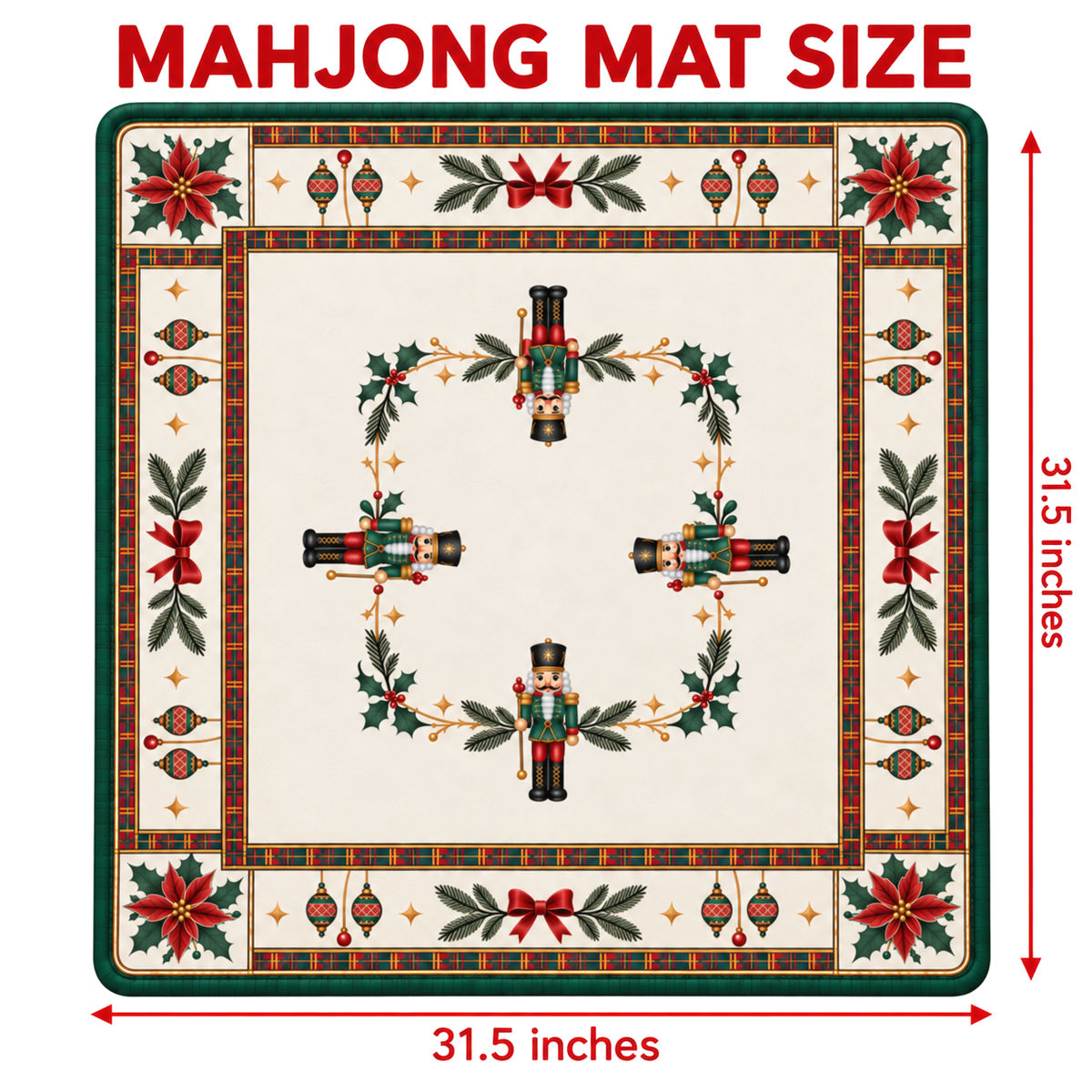
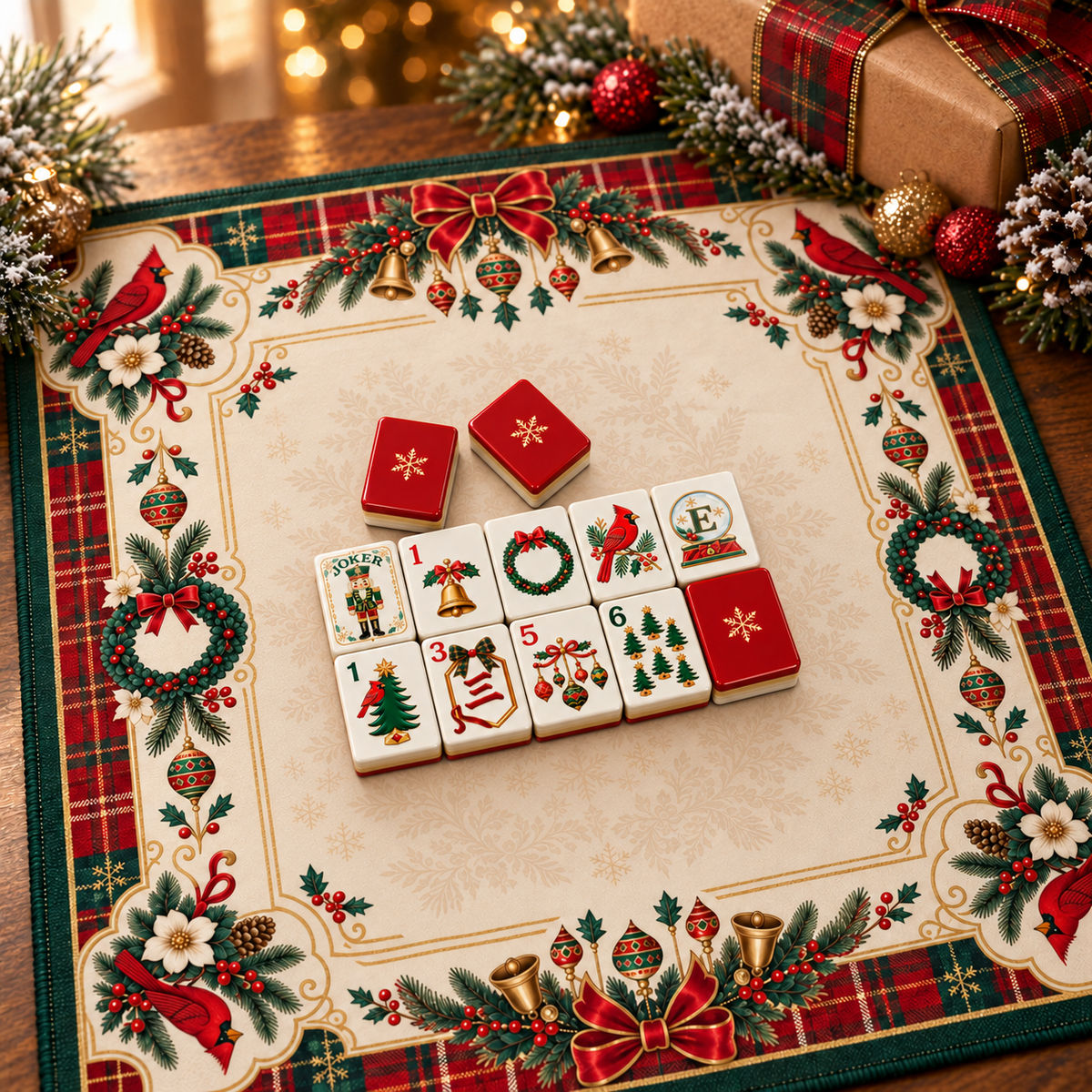
Yes, if you play at home weekly. A retro tile set paired with a modern fluorescent mat creates visual discord. Instead, invest in a coordinated mahjong mat in neutral cream, soft green, or burgundy. Vintage-style racks—wood or faux-leather—anchor the aesthetic. If you travel to games, a retro set in a protective travel bag keeps tiles safe and looks intentional. Many players keep a retro set at home (with matching mat and case) and a portable modern set for club play.
🎁 See our most-loved mahjong sets & accessories →
Price, value, and where retro sets fit your budget
Retro design typically costs 20–40% more than plain modern acrylic. A basic modern set might run one price point; an engraved or themed retro version another. The cost reflects tile production—custom molds, hand-finishing, packaging detail—not markup alone. If you host weekly games at home, a retro set is a one-time investment that lasts decades. If you're new to mahjong, start with a best-selling standard set to learn rules, then upgrade to retro once you know your play style. Hosting gifts—retirement, milestone birthdays—justify retro's premium because they signal you play seriously.
Set Style | Best For | Why Choose It | Durability Check |
Retro engraved | Home hosts, collectors | Warm aesthetic, conversation piece | Engraved tiles survive 5+ years weekly play |
Retro themed (art deco, mid-century) | Themed decor, gifts | Matches living room or game room | Embossed design holds detail through daily use |
Modern neon/bright | Travel, casual play | Clarity under poor light, lightweight | Printed faces fade within 12–18 months |
Modern neutral | Clubs, tournaments | Professional look, universally accepted | Smooth acrylic works in any venue |
What to check before you order
Tile count: Confirm 160 tiles, not 144. American mahjong requires all 152 playing tiles plus spares.
Tile material: Read descriptions for "acrylic," "engraved," or "molded." Avoid "printed" or "sticker" tile faces.
Suit spelling: Verify tiles show "Bam," "Crak," "Dot" (not "Bamboo" or "Character"). The 1 Bam should display a bird.
Wind and dragon symbols: Check photos for all four winds (N/E/W/S) and three dragons (Red, Green, White).
Box and accessories: Confirm racks, pushers, dice, and jokers are included. Ask if the storage box is decorative or functional.
Finish: If you value engraving, request close-up photos of tile faces. Reject any set with glossy finish alone (likely printed).
Vendor return policy: Reputable sellers allow returns within 14–30 days if tiles arrive damaged or tile count is wrong.
✨ Find your Mahstead set — free US shipping →
Retro mahjong sets thrive when you commit to hosting regular play. They're not impulse buys—they're part of your table identity. A well-chosen retro set becomes the centerpiece of Thursday-night ritual, the thing your friends ask to play with again. Pair it with a protective mat and travel case, learn how to play American mahjong if you're new, and you've built a game experience that lasts.

FAQ
Can I use a retro set in a mahjong club or tournament?
Yes, provided it meets American standards: 160 tiles (152 playing), correct suit spellings, all winds and dragons, and legible tile faces. Check with your club—some venues prefer modern uniform sets for consistency, but most accept retro as long as tiles are regulation size and easy to read.
Do retro tile finishes scratch or wear faster than modern plastic?
Engraved or embossed finishes are actually more durable than printed ones. If tiles are carved, not painted, detail persists through decades. Unfinished acrylic can show surface scratches, but gameplay and tile recognition never suffer. Avoid glossy-only finishes, which are usually printed and fade within months.
What's the difference between a retro-styled set and an actual vintage set?
Actual vintage sets (pre-1980s) are collectible, fragile, and often incomplete. Modern retro sets reproduce the 1950s–1970s look using contemporary materials and full tile counts. Retro modern sets are play-ready; vintage originals belong in display cases or museums.
Should I buy a matching retro rack and mat, or mix modern?
A cohesive retro look (tiles + mat + rack all warm-toned) creates ambiance for home play. For travel or casual games, mixing modern racks with a retro set is fine. Your choice depends on whether you prioritize aesthetic continuity or practical portability.
How do I know if a retro set's tiles will stay readable through weekly play?
Request close-up photos of tile faces before purchase. Engraved tiles show shadow and depth; embossed tiles show raised relief. Printed tiles look flat and uniform. If the vendor won't provide macro photos, assume tiles are printed and may fade. Mahstead provides detailed product images for all sets.
What's the typical lifespan of a well-maintained retro mahjong set?
With weekly play and basic care—wipe tiles dry after use, store in a cool dry place, use a protective case—a quality retro set lasts 10–20 years. Tile faces remain readable and racks don't split. Longevity depends on initial material quality and storage conditions, not age.


View More
View More
View More
