
Cheap vs. Expensive Mahjong Racks with Pushers: What to Buy
Last updated: Nov 23, 2026
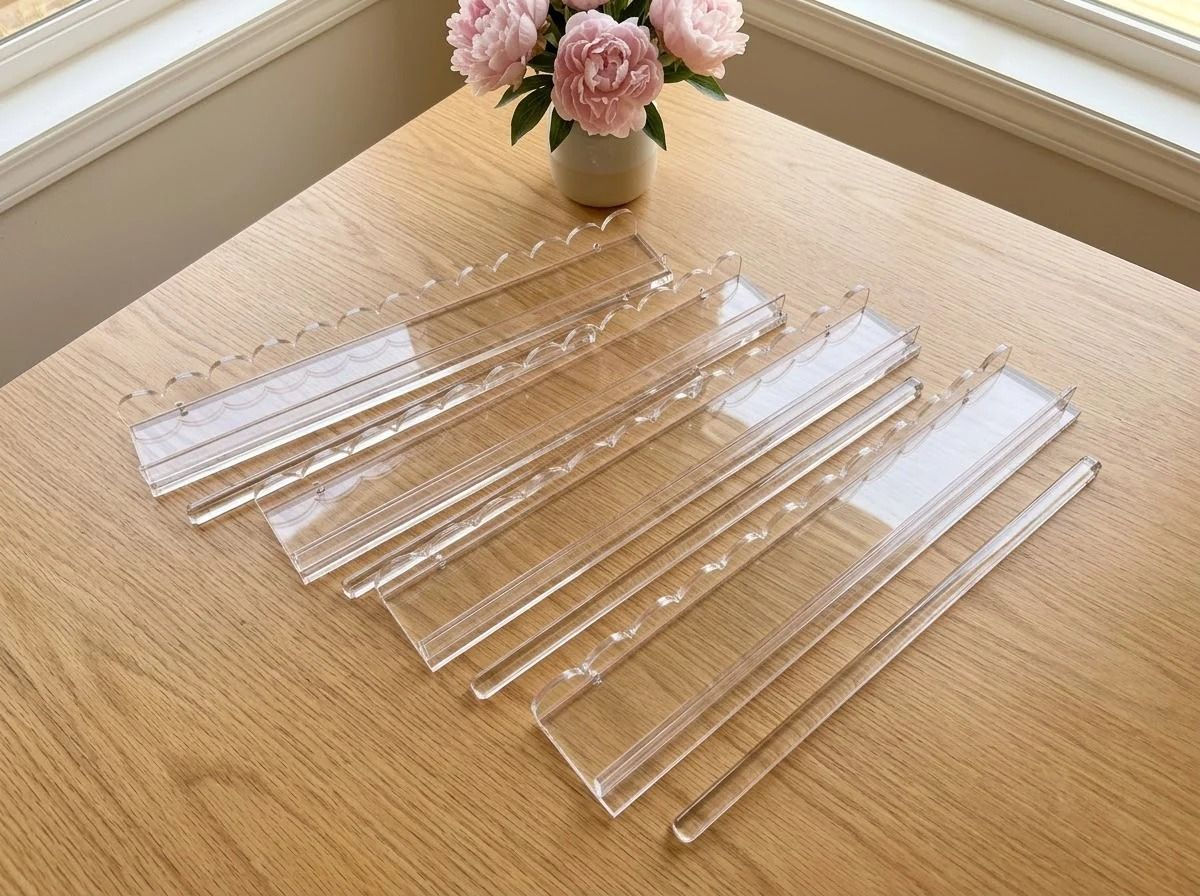
A mahjong rack with pushers holds your tiles upright and gives you a smooth way to push them forward when you win. Budget racks typically feature basic bamboo or simple plastic construction—durable enough for casual weekly games but prone to warping or splitting over years of use. Premium racks are often acrylic or hardwood with precision-cut slots and matching pushers, offering stability, longevity, and a polished look that complements engraved American mahjong sets. Most racks hold 13–14 tiles per player; you'll use four of them at a four-player table. The real difference isn't just the material—it's whether the pusher glides smoothly, the rack sits flat without wobbling, and the tiles don't tumble out mid-game. Buy what matches your play frequency: casual basement game or tournament-style weekly gathering. Mahstead offers mahjong racks with pushers designed to pair with complete 160-tile sets and custom mats, with free shipping across the US. 🀄 Shop best-selling mahjong sets →
What's the real difference between budget and premium racks?
Budget racks focus on function: a basic frame, standard slot spacing, and a pusher that moves. They hold tiles safely and work perfectly fine for a casual game night. Premium racks add refinement—precision engineering, higher-grade materials, tighter tolerances, and a pusher that doesn't catch or stick. They also tend to sit flush on the mat without rocking. Over time, a cheap rack may develop slight warping or the pusher groove may become less smooth; a well-made rack stays consistent for years. The choice depends on whether you're hosting once or twice a year or every single week.
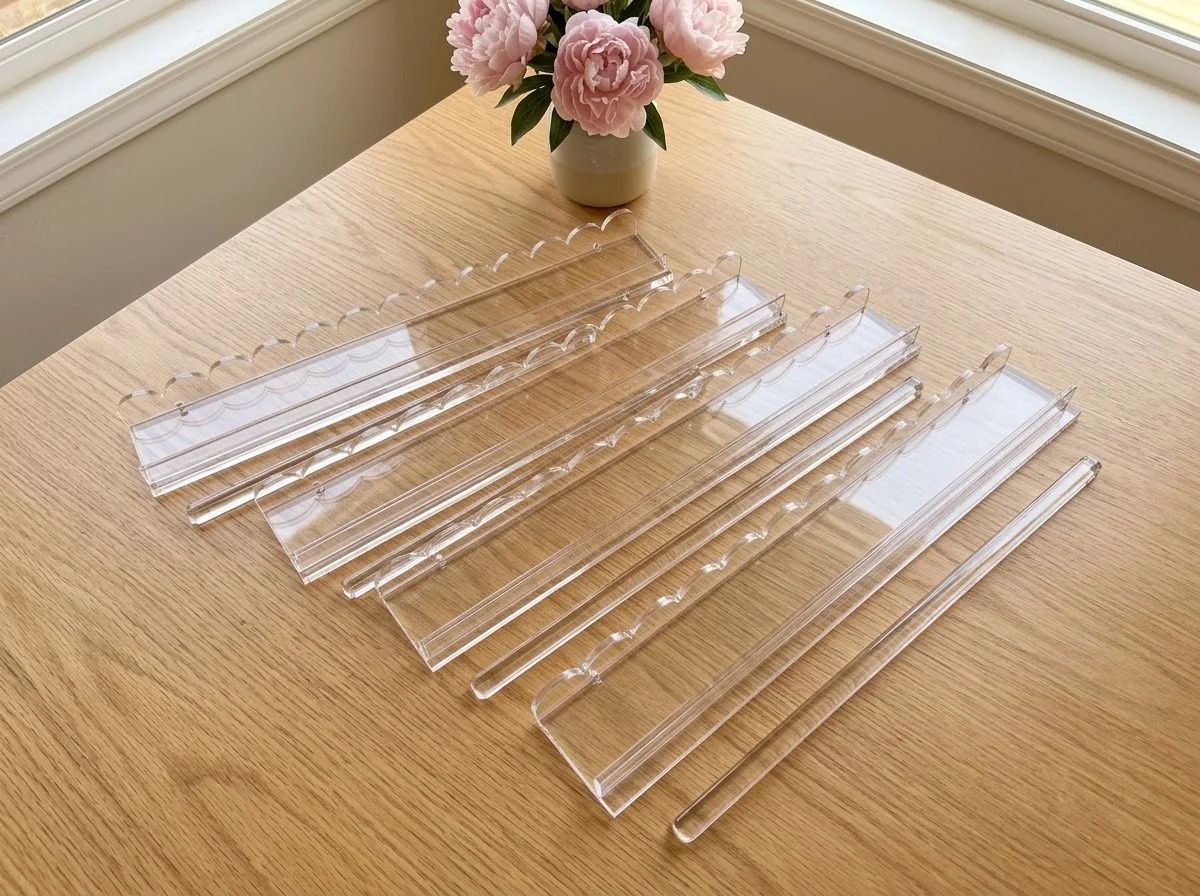
Who should buy a budget rack?
If you play mahjong infrequently—a few times a year—or you're brand new and want to see if you'll stick with the hobby, a budget rack makes sense. Budget racks are portable, lightweight, and take up minimal space in storage. They're also a good fit if you're learning American mahjong rules and don't want to invest heavily in gear. Many players in this group also appreciate that a simpler rack is less intimidating than premium hardware. The downside: after a season or two of regular use, you may notice the pusher becomes less responsive or the rack starts to flex. That's when you might regret not spending a bit more upfront.
Who should buy a premium rack?
Premium racks belong with serious players—those hosting weekly mahjong games or joining regular tournaments. If you're pairing your racks with a custom engraved set and a mat that matches your aesthetic, premium racks complete that investment. They also perform better under heavy rotation: smoother pushers, no warping, and tiles that stay put. A premium rack also signals to guests that you take the game seriously and appreciate craft. These racks pair beautifully with best-selling mahjong sets and keep their functionality for a decade or more. For a player who hosts weekly, the racks will see 52+ uses per year; premium quality pays back quickly.
🎁 See our most-loved mahjong sets & accessories →
What should you check before you order?
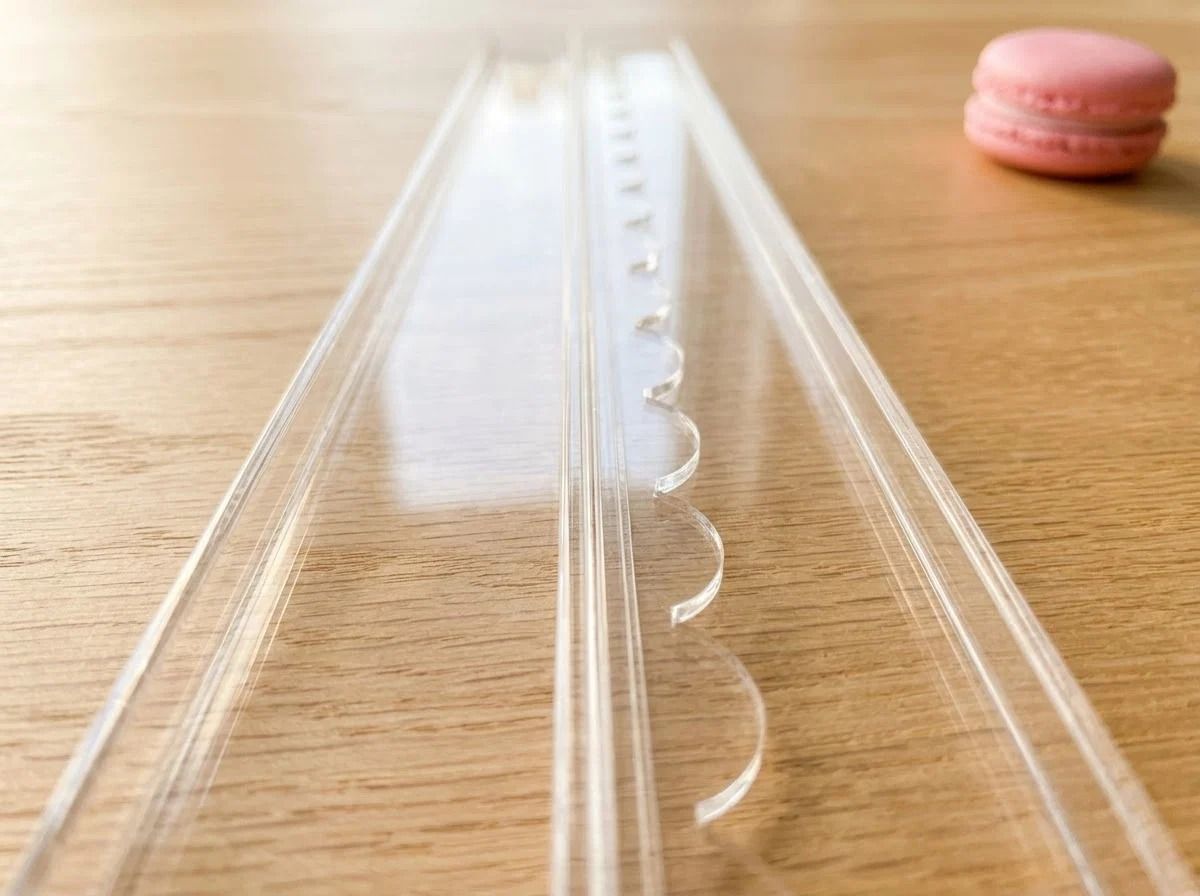
Before clicking "add to cart," confirm three things: slot width, pusher material, and foot design. Slot width must match your tile thickness—most American sets use standard 1/4-inch tiles, but some use thicker acrylic. A pusher that's too loose will let tiles slip backward; one that's too tight will jam. Check the product image for the foot or base: does the rack sit flat or does it rock? Does it have rubber feet to protect your mat? Finally, check whether the pusher is included—some premium racks sell the pusher separately. Compare four racks side-by-side on the mahjong racks collection page and read the description for slot size and material before buying.
How many racks do you actually need?
You need exactly four racks for a four-player American mahjong game—one per player. Each rack holds your 13 tiles plus a 14th space for the tile you draw. If you host multiple people on different nights or plan to travel to tournaments, buying an extra pair of racks gives you backup and lets you leave a set at a regular venue. Some players also buy racks in two different styles or colors to refresh the table's look without replacing everything. There's no harm in owning more than four; it's rare to own fewer unless you're learning solo or playing 2–3 player variants, which use different tile counts.
Budget vs. Premium: A Quick Comparison
Feature | Budget Rack | Premium Rack | What matters to you |
Material | Basic bamboo or plastic | Acrylic, hardwood, or composite | Durability and polish |
Pusher action | Moves, may stick after use | Smooth, consistent glide | Game flow and frustration level |
Wobble or flex | May rock slightly on table | Sits flat and stable | Confidence and professionalism |
Expected lifespan | 2–3 years of weekly play | 5–10+ years of weekly play | Total cost of ownership |
Appearance | Utilitarian, plain | Refined, matches custom sets | Table aesthetics and pride |
Foot protection | Often rubber or felt | Rubber feet, felt underside | Mat and table care |
Price per rack | Entry level | Mid-to-premium range | Budget fit |
Which racks pair best with your set?
If you've invested in custom engraved tiles or specialty sets, your racks should match that tone. A traditional wood set deserves wooden or acrylic racks, not plastic. A modern acrylic set with custom artwork pairs naturally with precision-cut acrylic racks. When you order a complete set with mat, racks, and pushers, they arrive color-coordinated and ready to go. Mixing budget and premium racks at the same table also works—players don't choose their rack based on its quality—but matching racks create a cohesive, intentional look that makes hosting feel special.
✨ Find your Mahstead set — free US shipping →
What to check before you buy: A short checklist
Tile slot width: Verify it matches your set's tile thickness.
Pusher fit: Ask the seller to confirm the pusher doesn't jam or slip loose.
Feet or base: Ensure rubber feet or felt underside to protect your mat.
Wobble test: Check the product image or description for a stable, flat base.
Bundle or individual: Does the rack come with one pusher or multiple? Are there spares?
Shipping and returns: Confirm free US shipping and a return window if the fit isn't right.
Material and aesthetic: Does it match your tiles and table vibe?
The honest verdict
Budget racks work, especially for new players and casual games. Premium racks are worth it if you play weekly or host tournaments—the smoother pusher, stable base, and lasting durability justify the investment. Don't buy the cheapest option if you plan to play seriously; don't overspend on ultra-premium racks if you play four times a year. The best rack for you is the one you'll use every week without frustration. Visit the mahjong racks with pushers collection and compare options by material, price point, and reviews from other hosts in your region. All Mahstead racks ship free across the US, so there's no extra cost barrier to testing what works best for your table.

FAQ
Can I use any rack with any mahjong set?
No. Racks are designed for specific tile thicknesses. Standard American tiles (1/4-inch) fit budget and premium racks; check the product description before ordering to avoid mismatches.
Do I need to buy four identical racks?
Not required, but matching racks look professional and feel consistent. If you own four different racks, each player still gets their own; gameplay is unaffected.
What's the typical lifespan of a budget rack?
Two to three years of weekly play, after which pushers may stick or the frame may warp. Premium racks last five to ten years or more under the same use.
Are premium racks worth the extra money if I only play monthly?
No. Buy a budget rack if you play fewer than 20 times per year. Save premium racks for players hosting 40+ games annually.
Can I repair a damaged pusher or slot?
Minor fixes like filing a sticky groove work for some materials; acrylic slots are difficult to repair. Replacement racks are often cheaper than repair. Ask Mahstead for replacement pusher options if your frame is still solid.
Do racks affect tile gameplay or scoring?
No. Racks are purely functional—they hold tiles upright and provide a push mechanism. They don't change the American mahjong rules, scoring, or Charleston draw.
Should I store racks with or without pushers inserted?
Remove pushers when storing for long periods to avoid groove stiffness. Store in a cool, dry place. Premium racks with acrylic pushers are more stable than budget plastic options when left assembled.


View More
View More
View More
