
Resin vs Wooden Mahjong Tiles: Which to Buy
Last updated: Nov 23, 2026
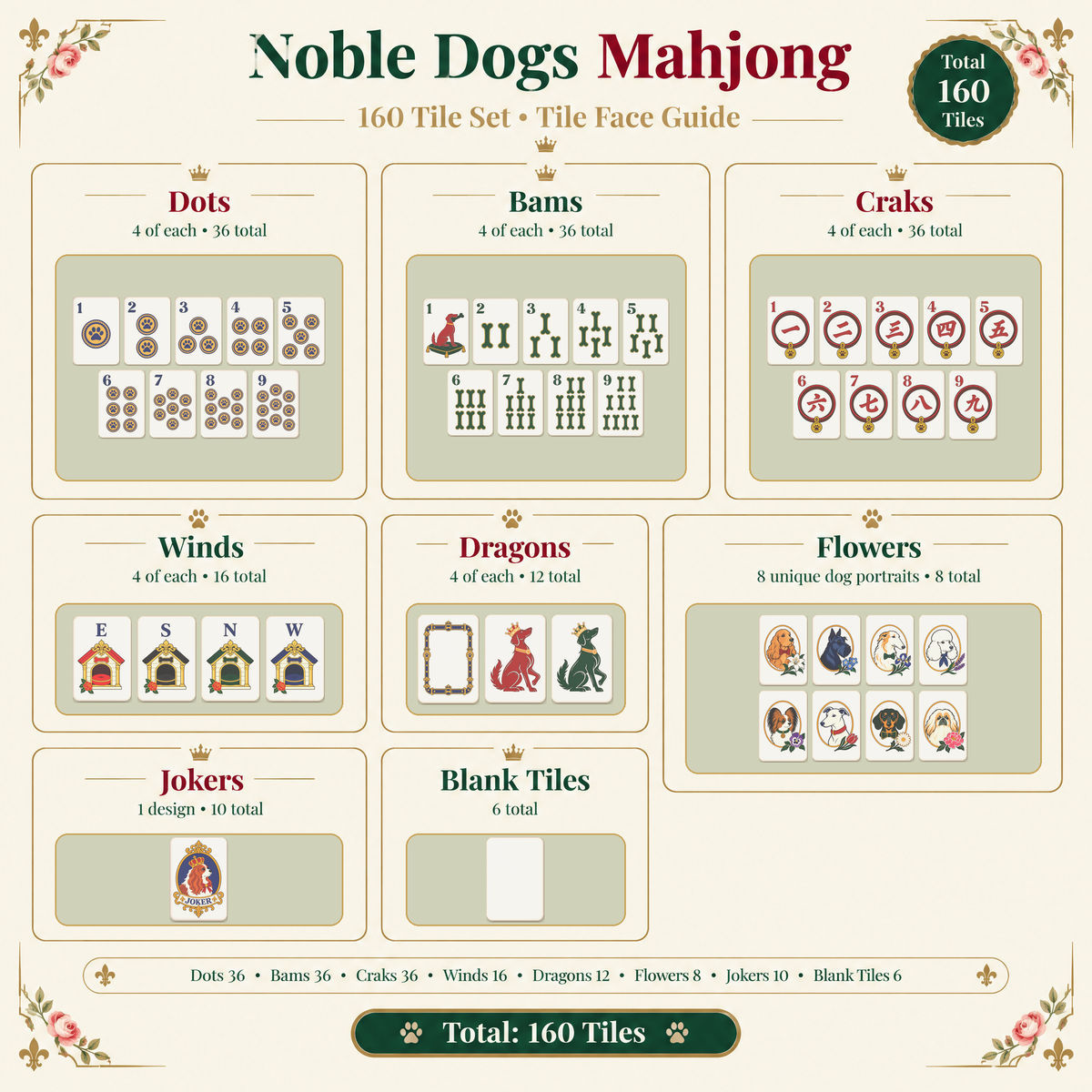
Resin tiles are acrylic or plastic composites; wooden tiles are carved from bone, bamboo, or hardwood laminate. Resin tiles dominate American mahjong because they're durable, lightweight, uniform, and hold engraved art without fading—ideal for weekly players and travel. Wooden tiles, traditional in Chinese and riichi variants, develop patina, feel heavier in hand, and cost more upfront but age beautifully. Resin typically runs lower in cost and is easier to replace if a tile cracks; wood demands careful storage and cleaning but rewards patient collectors with heirloom quality. For American mahjong, we recommend resin unless you prize vintage aesthetics or play exclusively Chinese/Japanese variants. Mahstead makes engraved American mahjong sets in acrylic resin with custom art that stays vibrant through years of shuffles. 🀄 Shop best-selling mahjong sets →
What material actually touches your hand when you play?
When you pick up a tile mid-game, you're holding either a smooth, warm acrylic surface or wood grain that warms from your palm. Resin tiles feel uniform: every 5 Dot is identical in weight and texture, which matters in American mahjong where precision sorting matters. Wooden tiles vary slightly—each carries the wood's natural grain and patina, which players often prefer for aesthetic reasons but can make fast sorting harder. The "feel" question isn't about quality; it's about your sensory preference and whether you play by rhythm (resin's consistency) or tradition (wood's organic variation).

Can you really engrave both materials the same way?
Resin engraving holds photographic detail, color gradients, and text indefinitely because the design sits in etched channels that don't fade or wear flat with shuffling. Wooden tiles can be engraved, but the design lives on the surface—paint, dye, or relief carving—and hand-polishing over years will gradually blur finer details. For American mahjong players who want a custom family name, joke, or logo that stays legible after a decade of Thursday-night games, resin wins decisively. If you buy engraved sets from Mahstead, the art endures; wooden custom sets require professional restoration if you want the original design preserved.
Which lasts longer—resin or wood?
A resin tile survives a drop onto tile or concrete; a wooden tile can splinter or chip from the same fall. Resin doesn't absorb moisture, so it resists warping in humid climates or after accidental spills—a real risk if your mahjong table lives near a kitchen or patio. Wooden tiles demand coasters and climate control; extreme humidity and heat cause swelling and shrinkage that misaligns racks and disrupts play. Over 10 years of weekly games, resin tiles stay regulation-size and playable; wooden tiles often require sanding, re-sealing, or replacement of a few compromised pieces. Durability favors resin for active households and coastal regions.
Scenario | Resin Winner? | Wood Winner? | Notes |
Weekly play, 5+ years | Yes | No | Resin holds size and gloss; wood warps or dulls. |
Humid climate or near water | Yes | No | Wood absorbs moisture; resin is moisture-proof. |
Dropped from table height | Yes | No | Resin cracks cleanly; wood splinters unpredictably. |
Heirloom aesthetic | No | Yes | Wood ages visibly; resin stays "new." |
Chinese/riichi tradition | No | Yes | Those games expect bone or bamboo tiles. |
Custom engravings | Yes | Slightly | Both work, but resin detail lasts sharper. |
Storage in closet, year-round | Tie | Slight edge | Resin unaffected; wood prefers stable humidity. |

What's the actual price difference between the two?
Resin American mahjong sets typically cost less upfront than comparable wooden sets, based on material cost and production scale—acrylic is mass-produced globally, while quality wooden tiles are often hand-cut or require bone-carving specialists. A best-selling resin set from Mahstead includes custom engraving, a mat, racks, and carries free US shipping; wooden sets of equivalent completeness run higher because labor and materials are pricier. If a single resin tile breaks, you can order a replacement; wooden tile replacement is harder because wood sources and finishes vary year to year. Resin is the budget-conscious choice and the economical one long-term for American players.
Should you buy wooden if you play Chinese or riichi mahjong?
Yes—those variants have deep traditions tied to bone and bamboo tiles, and players often prefer authenticity. Chinese mahjong uses 144 tiles (no jokers), and serious players collect sets where dragons are bone-and-bamboo with silk-screened faces. Riichi mahjong (Japanese) expects uniformity too but values the weight and sound of traditional materials; plastic tiles are considered inferior in clubs and tournaments. If you're learning American mahjong for the first time, resin is the clear choice: cost is lower, sets arrive complete with modern art and storage, and you'll replace broken tiles without heartache. If you're a veteran who plays multiple variants or collects, wooden tiles belong alongside your resin sets for specific occasions.
🎁 See our most-loved mahjong sets & accessories →
What to check before you buy
Confirm the variant you play. American mahjong? Stick with resin. Chinese or riichi? Research whether your local club has tile standards—they often do.
Count the tiles. American play requires exactly 152 tiles. A 160-tile Mahstead set includes 152 playing tiles plus spares—that's what you want.
Feel the sample if possible. Visit a local game club, library, or synagogue that hosts mahjong; handle both before committing. Resin feels cool and smooth; wood warms and yields slight resistance.
Check climate in your home. Humid kitchens or basements? Resin is safer. Climate-controlled rooms? Either works.
Inspect engraving quality. If custom art matters, request a photo preview. Resin holds sharp detail; confirm the artist can deliver.
Plan your storage. Resin lives happily in a closet year-round. Wood needs a breathable bag and stable humidity—if that's a hassle, resin wins again.
Ask about warranty or replacement policy. Mahstead includes free US shipping and accessible customer support for missing or damaged tiles—a real comfort when you're investing in a set you'll play weekly.
✨ Find your Mahstead set — free US shipping →

FAQ
Will resin tiles develop a patina like wooden ones do?
No. Resin tiles stay glossy and new-looking indefinitely. If you want an aged aesthetic, you'd need to apply wax or a flat coating, which affects gameplay. Wooden tiles naturally darken and soften in color over years, which many collectors prize—it's a feature, not a flaw.
Can you use wooden tiles for American mahjong?
Yes, but you shouldn't. American mahjong relies on fast, uniform play and reading engraved symbols without ambiguity. Wooden tiles' surface variation and weight inconsistency slow sorting. Stick with resin for American play; save wood for Chinese or riichi games where tradition matters more than speed.
How do I clean resin tiles without damaging engravings?
Wipe with a soft, dry microfiber cloth or slightly damp cloth (not wet). Never submerge or use soap, which can pool in engraved channels and dull the finish. Resin is low-maintenance—that's part of why active players prefer it.
Are wooden mahjong tiles worth more money as an investment?
Quality vintage sets do appreciate, especially bone-and-bamboo antiques. New wooden sets depreciate like most games. If investment is your goal, research specific makers or vintages; most players buy wooden for personal enjoyment, not resale value.
If I buy a resin set, how often will I need to replace broken tiles?
Rarely, if you keep the set in a bag on your table and avoid crushing impacts. We've hosted games with the same Mahstead set for five years with zero breaks. Wooden sets are more prone to splits and chips, especially in dry climates.
Can I mix resin and wooden tiles in the same game?
Not reliably. Wooden and resin tiles have different weights and surfaces, so shuffling feels uneven and sorting speed becomes erratic. Keep them separate or resign yourself to a slower, more deliberate game.


View More
View More
View More
