
How to Tell if Mahjong Tiles Are Wooden: A Player's Guide
Last updated: Nov 23, 2026
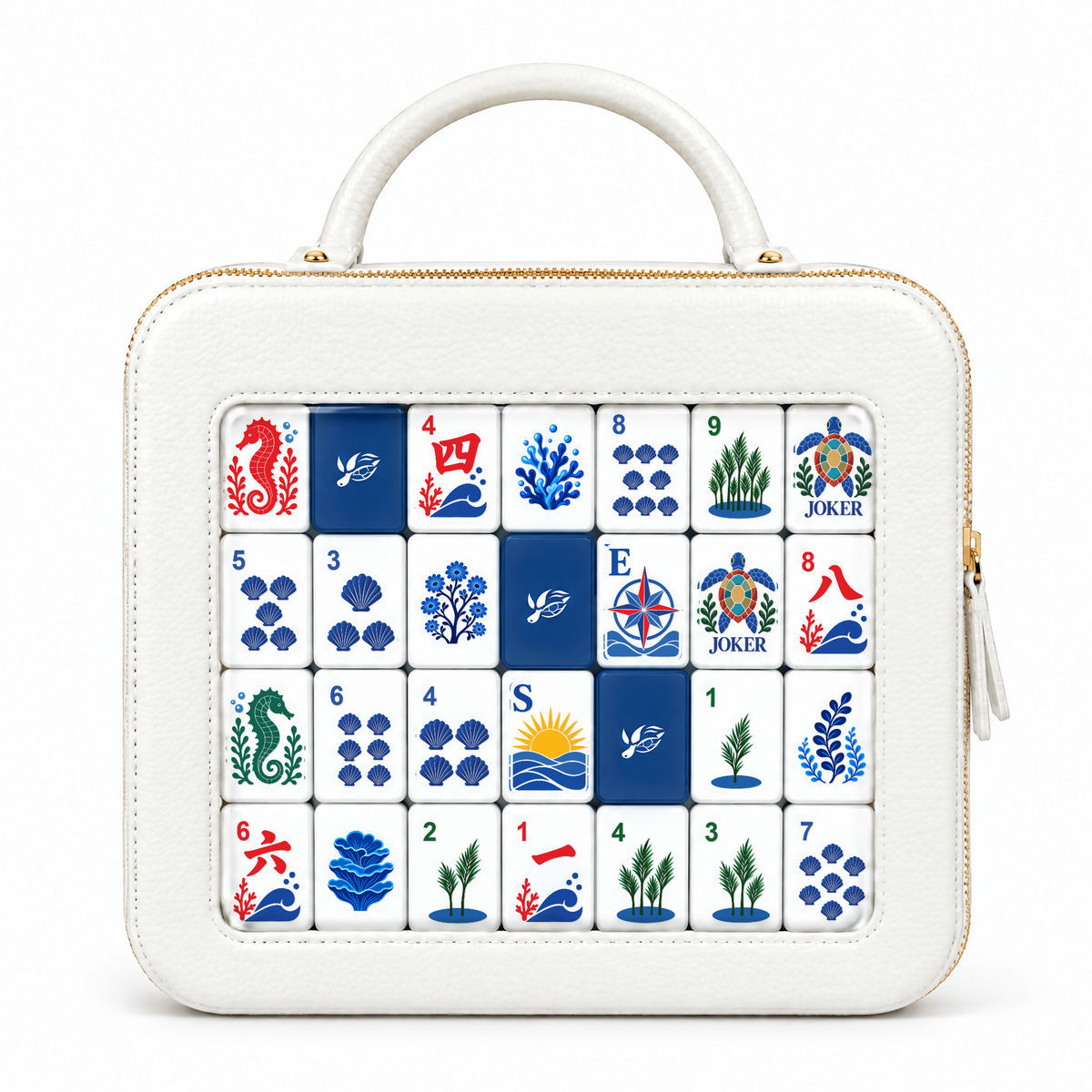
Wooden mahjong tiles have a distinctly heavier weight per tile, warm matte or semi-gloss finish, and produce a clear, crisp clicking sound when placed or stacked—never a dull thud. Hold one in your palm: real wood feels substantial and warm, often slightly textured. Tap two tiles together gently: wood rings cleanly; plastic deadens the sound. Look at the underside and edges—wooden tiles show natural grain, slight color variation, or a visible seal; plastic is uniformly flat and featureless. Sound the tile against a hard surface from waist height: wood carries a sharp report; plastic muffles. Most American mahjong sets sold today are acrylic (durable, affordable, suitable for weekly play), not wood. Mahstead's acrylic sets are designed for players who want reliability and visibility; if you're specifically seeking wood, clarify whether you value tradition or gameplay, because wooden tiles require more storage care and are rarely used in competitive American mahjong.
What does wood feel like in your hand?
Real wooden mahjong tiles are noticeably heavier than plastic—typically 8–12 grams per tile versus 3–5 grams for acrylic. When you grip a wooden tile, it has a warm, almost skin-like surface that plastic never replicates. The edges of wooden tiles are slightly rounded and may show microscopic splinter risk if poorly finished; acrylic edges are uniformly beveled and inert. Press a wooden tile against your cheek: it stays cool longer because wood conducts temperature slowly. Rub your thumb across the face and back: wood has subtle texture from the finish coat, while acrylic is glass-smooth. This weight and warmth are why longtime players often favor wood—it slows play, making it more meditative—but they also make wooden sets slower to shuffle, more prone to warping in humidity, and costlier to replace if damaged.

How do wooden and plastic tiles sound different?
This is the fastest tell. Take two tiles and tap them together at chest height with moderate force. Wooden tiles produce a crisp, bell-like click that resonates for a half-second; acrylic tiles make a dull, flat clack that dies instantly. Drop a single tile from knee height onto a hard table: wood bounces slightly and rings; plastic lands with a muted thud and stops. Slide a wooden tile across a smooth surface—it creates a sliding whisper with occasional friction pops. Slide an acrylic tile and you hear steady, uniform friction. The acoustic difference comes from wood's cellular structure, which vibrates; acrylic dampens vibration. In a live game, experienced players often identify the tile material by ear alone before seeing it, because the soundscape of a wooden set is completely different from an acrylic or plastic one.
What visual signs reveal wood versus acrylic?
Examine the tile underside and edges closely. Wooden tiles show:
Visible grain pattern or wood-fiber texture, even if printed over
Color variation across individual tiles (no two pieces of wood are identical)
Slight surface irregularities—micro-valleys or raised lines from sanding or hand-finishing
A protective seal or varnish that may appear matte, satin, or glossy depending on finish
Acrylic tiles show:
Uniform, featureless flat bottom
Identical color and texture on every tile
Perfectly smooth edges
No grain; printed design sits on a solid synthetic surface
Compare a wooden tile set alongside our best-selling mahjong sets (which are acrylic) and the visual contrast becomes obvious. Place both in sunlight: wooden tiles absorb light warmly; acrylic reflects it crisply. If the seller can't let you inspect the underside, request a photo or assume plastic.
Why do most sets sold today use acrylic instead of wood?
Wood is heavier, more expensive, slower to manufacture, humidity-sensitive, and prone to warping or staining. Acrylic is lightweight, durable, dishwasher-safe, and affordable—making it the standard for weekly home games and tournaments. American mahjong competitive play never requires wood; in fact, the National Mah Jongg League permits only approved tile designs regardless of material. Acrylic also photographs better under game lights, making tiles easier to see for aging players. Wood is often marketed as "premium" or "traditional," but in practice, acrylic outperforms wood in climates with seasonal humidity swings, especially in homes without climate control. If you've played weekly games in Dallas or another humid region, you've likely seen wooden sets warp or stick after a few years. Acrylic avoids this entirely. Many players choose wood purely for the aesthetic and nostalgic ritual—the sound, the weight, the ceremony—not for superior gameplay. That's a valid choice, but it's a lifestyle preference, not a performance advantage.
Material | Weight per tile | Sound | Feel | Humidity risk | Best for | Care needed |
Wood | 8–12 g | Crisp, resonant | Warm, textured | High (warp, stain) | Collectors, ritual players | Climate control, annual oiling |
Acrylic | 3–5 g | Dull, flat | Cool, smooth | None | Weekly players, tournaments | Basic rinse and dry |
Plastic (vintage) | 2–3 g | Thin, muted | Slick, cold | None | Budget, novelty | Minimal |

How do you avoid buying plastic thinking it's wood?
Sellers sometimes mislabel inexpensive plastic sets as "wooden" or "premium." Before purchase:
Ask for the material explicitly in writing; "wood" means solid wood, not MDF or fiberboard.
Request a weight spec—real wood tile sets weigh 1.5–2 pounds total; plastic sets weigh under a pound.
Listen to a video if buying online—ask the seller for a sound demo of tiles tapping.
Check the tile edges—wood has rounded, varied edges; plastic is uniform and machine-perfect.
Verify the finish—wood has a protective coat; plastic is slick and featureless.
Inspect the packaging—wooden sets come in rigid cases or boxes with separators; plastic often arrives in thin pouches.
If you're unsure after inspection, ask a local mahjong group (usually found through community centers, libraries, or synagogues) to examine the set in person. Most groups welcome newcomers and can spot a counterfeit instantly.
🀄 Shop best-selling mahjong sets →
Why Mahstead sets are acrylic, not wood—and why that's intentional
We design engraved American mahjong sets in acrylic because it lets us offer custom engraving, vibrant colors, and tile clarity that wood cannot match. Acrylic holds printed or engraved symbols sharper, doesn't fade in sunlight, and survives accidental spills. Our sets are built for the weekly player who wants a set that works reliably, looks professional at the table, and lasts years without warping or maintenance. If you've been playing in the same group for five years, your Mahstead set will still feel and play exactly as it did on day one. Wooden sets, by contrast, require re-sealing every few years and can develop sticky spots or grain separation over time. We don't sell wooden sets because our mission is to sell you a set once, not a set that needs replacing after a humid summer.
If you're genuinely seeking wood for sentimental or aesthetic reasons, specialist importers and high-end game shops stock authentic wooden sets from Asia—but expect to spend significantly more and manage humidity carefully. For American mahjong, acrylic is the rational choice.
🎁 See our most-loved mahjong sets & accessories →
What to check before you buy
Material statement: Does the listing explicitly say "wood," "acrylic," "plastic," or "composite"?
Weight: Does the seller provide total set weight or per-tile weight?
Sound demo: Can you hear or watch a tile-tapping demo?
Return policy: Can you return within 14–30 days if the material is mislabeled?
Underside photos: Are close-ups of the tile back and edges available?
Humidity environment: If you live in a climate with >60% humidity, acrylic is safer than wood.
Your game frequency: Weekly players benefit from durability (acrylic); occasional players may tolerate wood's higher maintenance.
The tile material you choose shapes your entire experience—the sound of your game, the feel in your hand, and how often you'll need to replace or repair the set. Choose intentionally based on climate, play frequency, and whether you value ritual or reliability.
✨ Find your Mahstead set — free US shipping →

FAQ
Can wooden tiles be refinished if they get dull?
Yes. Light sanding followed by a fresh coat of matte or satin polyurethane restores the finish. Acrylic cannot be refinished—once scratched, scratches remain.
Are wooden mahjong tiles actually heavier to shuffle?
Significantly. A full wooden set (152 tiles) weighs roughly 2 pounds; acrylic weighs under a pound. This slows the Charleston and tile drawing, which some players enjoy for pacing and others find frustrating.
Will a wooden tile set survive being left in a hot car?
Not well. Heat can warp the wood and soften or discolor the finish. Acrylic resists heat better but can become slightly sticky in extreme temperature. Neither should be left in vehicles.
How do I know if a seller is using "wood-look" acrylic versus real wood?
Ask for the material in writing. "Wood-look acrylic" is acrylic printed or painted to mimic wood grain—it still feels plastic and sounds dull. Inspect the underside; if it's perfectly smooth and featureless, it's acrylic regardless of the top surface design.
Is American mahjong played differently with wooden versus acrylic tiles?
No. The rules and hands remain identical. The only differences are pacing (wood is slower due to weight) and aesthetic experience. Competitive tournaments use approved tiles regardless of material.
Why does my wooden mahjong set stick to itself sometimes?
High humidity causes wood fibers to swell, making tiles slightly tacky. This is normal and reversible—store the set in a climate-controlled space or use a humidity pack inside the case. Acrylic sets never stick.


View More
View More
View More
