
Resin Mahjong Tiles: What to Know Before You Buy
Last updated: Nov 23, 2026
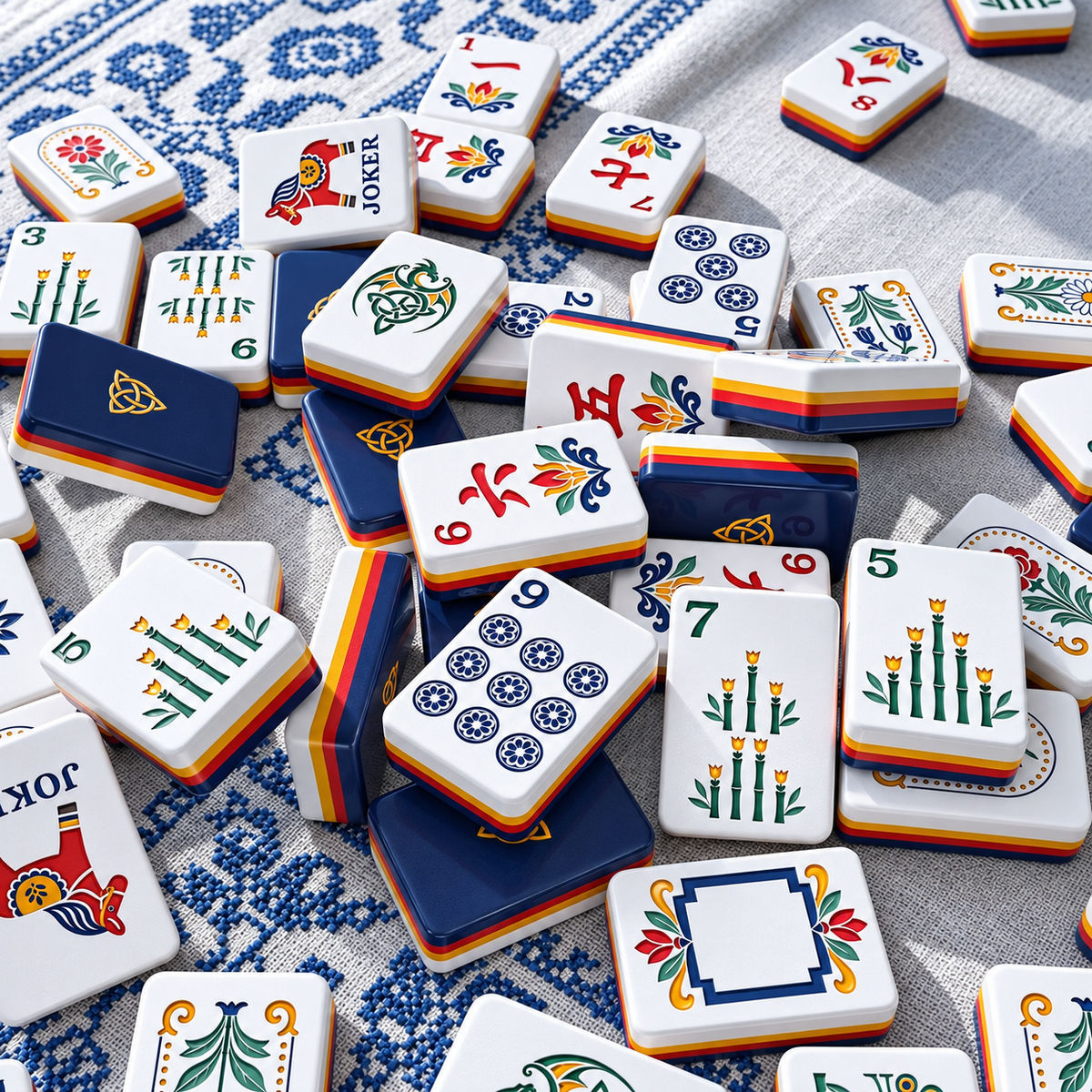
Resin mahjong tiles refer to acrylic or cellulose-based tiles—distinct from bone-and-bamboo or plastic. American mahjong sets come as 160-tile collections (152 playing tiles plus spares). Resin tiles offer durability, weight in hand, and excellent surfaces for custom engravings. They're standard in modern American mahjong; cost varies by design, finish and customization. Mahstead designs acrylic American sets with hand-engraved options, free US shipping included. Choose resin if you value longevity, a refined feel, and the ability to personalize your set—avoid cheap plastic if you plan to play weekly.
What material am I actually buying when I see "resin"?
"Resin" in mahjong tiles usually means acrylic cast or injection-molded tiles, sometimes described as cellulose or phenolic resin. These are NOT hand-carved bone-and-bamboo or vinyl/ABS plastic. Acrylic resin is durable, takes weight well (heavier than plastic, lighter than bone), and holds engraved detail sharply. It resists cracking from table drops and won't yellow as fast as cheaper plastics. When you hold a quality resin tile, it has substance—you feel the difference immediately. The surface is smooth and slightly warm to touch, making shuffling pleasant over hundreds of games.

How do engraved resin tiles differ from printed or blank tiles?
Engraved tiles have designs cut into the surface, not printed on top. This matters: printed designs fade with shuffling and hand oils; engraved marks stay crisp for years. Engraving also adds depth and texture, letting you identify tiles by touch alone—a real advantage when tiles are spread face-down or when light is low. Blank or lightly textured tiles are cheaper to make but offer no personalization. For engraved American mahjong sets, custom designs—initials, dates, artwork—are cut into each tile, creating a keepsake-quality set. Most players who host weekly games invest in engraved sets because they last longer and feel special at the table.
What's the weight and feel difference between resin and plastic tiles?
Resin tiles weigh roughly 8–12 grams each; cheap plastic tiles weigh 3–5 grams. That 2–3x difference sounds small but transforms the game. Heavier tiles stack better, shuffle with satisfying resistance, and stay put when you draw from the wall—no accidental shifting. Plastic tiles feel tinny and bounce; resin tiles have a solid click when they touch. Many players find light plastic tiles tiring because your hand works harder to manage them during a 2–3 hour session. If you play weekly, resin is worth the upgrade. Plastic works fine for occasional casual play or gifting to brand-new players, but resin keeps players coming back.
🀄 Shop best-selling mahjong sets →
How do I compare finish options—matte, glossy, textured—before ordering?
Finish affects grip, glare, and aesthetics. Glossy finishes are shiny and elegant but can be slippery, especially on a smooth mat or if your hands are cool and dry. Matte finishes grip better and hide dust; they're practical for serious play but less luxurious-looking. Textured (sand-finish) tiles offer a middle ground: good grip and a premium feel. Glare matters too—glossy tiles under bright lighting bounce light back and tire eyes; matte and textured absorb light. For weekly games, matte or textured is safer unless you love the glossy aesthetic and don't mind re-gripping. Check product photos carefully; angles and lighting can hide how a finish will feel in your hands and look across your table.
Should I buy a 160-tile set, and what do the extra tiles include?
American mahjong always uses exactly 152 tiles (108 number tiles in three suits, 16 winds, 12 dragons, 8 flowers, 8 jokers). A 160-tile set includes 8 spare tiles—typically extra jokers and/or blank tiles—in case you lose or damage a tile mid-game. You never add spares to the table; they're insurance. For players who host the same group weekly, spares are worthwhile because you'll play hundreds of hands and a single cracked tile can sideline a set. Casual players might not need spares, but once you've had to pause a game because a tile is damaged, you'll understand the value. All standard American mahjong sets sold today come as 160-tile collections, so you're not choosing between 152 and 160—that's your baseline.
What's the real difference in cost, and is premium resin worth it?
Resin tile cost depends on finish, customization, and tile artwork complexity. Standard engraved sets (recognizable designs, solid colors) fall into one price tier; custom hand-engraved or photo-etched designs cost more. Bulk orders (4+ sets) sometimes offer per-unit savings. A basic plastic set costs less upfront, but if you play weekly for 5+ years, the resin set lasts longer and survives drops that crack plastic. Think of it this way: resin costs more per year of ownership but less per hour played if you're a regular. For our best-selling mahjong sets, see current price on the product page—designs range from classic solids to decorative themes and custom engravings. One-time costs fade when you love your set enough to keep it at the table every week.
Factor | Plastic | Standard Resin | Custom Engraved Resin |
Weight | 3–5g | 8–12g | 8–12g |
Durability | 1–2 years | 5+ years | 5+ years |
Engraving | None | Possible | Yes, custom |
Feel at table | Tinny | Solid, premium | Solid, personal |
Best for | Casual try | Weekly players | Committed groups, gifts |

What should I check before ordering a resin mahjong set?
Before you click "buy," verify:
Tile count: Confirm it's 160 tiles (152 playing + 8 spares) for American mahjong. Chinese or Hong Kong games use different tile counts and rules.
Suit spellings & symbols: American sets use Bams, Craks, Dots; confirm the product shows 1 Bam with a bird, not a plum or stick.
Joker count: 8 jokers is standard; check the product list.
Finish & color accuracy: Look at multiple photos from different angles. Glossy tiles in bright lighting may look different on your table.
Engravings legibility: If custom, request a mockup or sample if the seller offers it.
Shipping timeline: We ship free across the US, but confirm expected arrival if you're planning a game night.
Return policy: Check whether the seller accepts returns or exchanges if the tiles arrive damaged.
Set completeness: Confirm the set includes a mat, racks, pushers, dice, and carrying case if you need those—or whether you're buying tiles only.
🎁 See our most-loved mahjong sets & accessories →
Which players actually need resin tiles vs. plastic?
Resin is for you if:
You host a weekly group and tiles see heavy use.
You value durability over lowest cost.
You want custom engravings or a keepsake set.
You play American mahjong competitively or seriously.
Plastic is fine if:
You're a total beginner trying mahjong for the first time.
You play once every few months casually.
You're gifting to someone who might not stick with the game.
Budget is your only constraint.
In our experience, players who start with plastic usually upgrade to resin within a year—once they realize how much better tiles feel, how much longer they last, and how much nicer it is to own something engraved with your group's name or initials. The jump from plastic to resin is one of the easiest upgrades in the game.
Where does acrylic fit into the "resin" picture?
Acrylic is a category of resin—thermoplastic resin cast or molded into tile form. It's what most modern American mahjong sets use. Acrylic offers excellent clarity (if the design includes photos or translucent elements), strength, and machinability for hand-engraving. The term "resin" is broader and can include other thermoplastics, but acrylic is the most common in quality mahjong. When you see "resin tiles" in a product description, acrylic is likely what's meant—unless the seller specifies bone-and-bamboo or phenolic resin, which are rarer and much pricier.
✨ Find your Mahstead set — free US shipping →
Why does finish matter for gameplay, not just looks?
Finish affects how tiles move on your mat and how you manage your rack. Glossy resin tiles slide faster on smooth mats—handy if you shuffle aggressively, annoying if you want control when drawing. Matte tiles grip mats better and feel less slippery in hot, humid rooms (common in summer games). Textured finishes offer a middle-ground: controlled movement without total grip. For mahjong mats, pair the finish with mat texture: matte tiles on fabric mats, glossy on hard surfaces if you like smooth movement. The best finish is the one that matches how your group plays and your room's humidity and lighting.
Should I buy matched sets and racks together, or separately?
It depends on your setup. If you host weekly and have a dedicated table, buy tiles, a mat, racks with pushers, and a case as one complete system—they're designed to work together. If you play at different homes, buy travel-friendly components: a bag holding tiles, a portable mat, and collapsible racks. Mixing brands works, but matched sets (tiles + mats + racks from one maker) have consistent aesthetics and are easier to manage. Check our best-selling mahjong sets for bundled options, and browse mahjong racks with pushers and mahjong mats to see what pairs well with your tiles.

FAQ
What's the difference between "resin" and "acrylic" mahjong tiles?
Acrylic is a type of resin—thermoplastic, durable, and holds engravings sharply. "Resin" is broader and may include other materials, but acrylic is standard in modern American mahjong. Both are superior to cheap plastic for weekly play.
Can I engrave a resin set I already own?
If the tiles are acrylic, yes—a jeweler or trophy shop with engraving equipment can add designs. Plastic tiles are too soft; the engraving won't hold. Quality improves with hand-engraved acrylic compared to newer tile stock.
Do resin tiles feel different in hand than bone-and-bamboo?
Yes. Resin is lighter, warmer to touch, and uniform in weight. Bone-and-bamboo tiles are heavier and slightly cooler. Most modern American players prefer resin for comfort during long sessions; bone-and-bamboo is rarer and prized as collectible.
How do I clean resin tiles without damaging the engraving?
Use a soft, damp cloth and mild soap. Avoid abrasive scrubbers and acetone, which can cloud acrylic. Dry immediately. Engravings won't fade with gentle cleaning; they're part of the tile structure, not a surface coat.
If I order a custom engraved set, how long does production take?
Timelines vary by seller. Mahstead ships free across the US; see current delivery details on the product page. Hand engraving typically adds 1–3 weeks to a standard set. Plan ahead if you're ordering for a specific game.
Are 160-tile sets always the same size and weight?
Tile dimensions are standardized for American mahjong (approximately 1¼ inches), but weight varies slightly between manufacturers and finishes. Resin tiles are consistently heavier (8–12g) than plastic (3–5g). Check product specs if exact weight matters for your table or carry case.


View More
View More
View More
