
Recycled Mahjong Set: Eco-Conscious Options & What to Know
Last updated: Nov 23, 2026
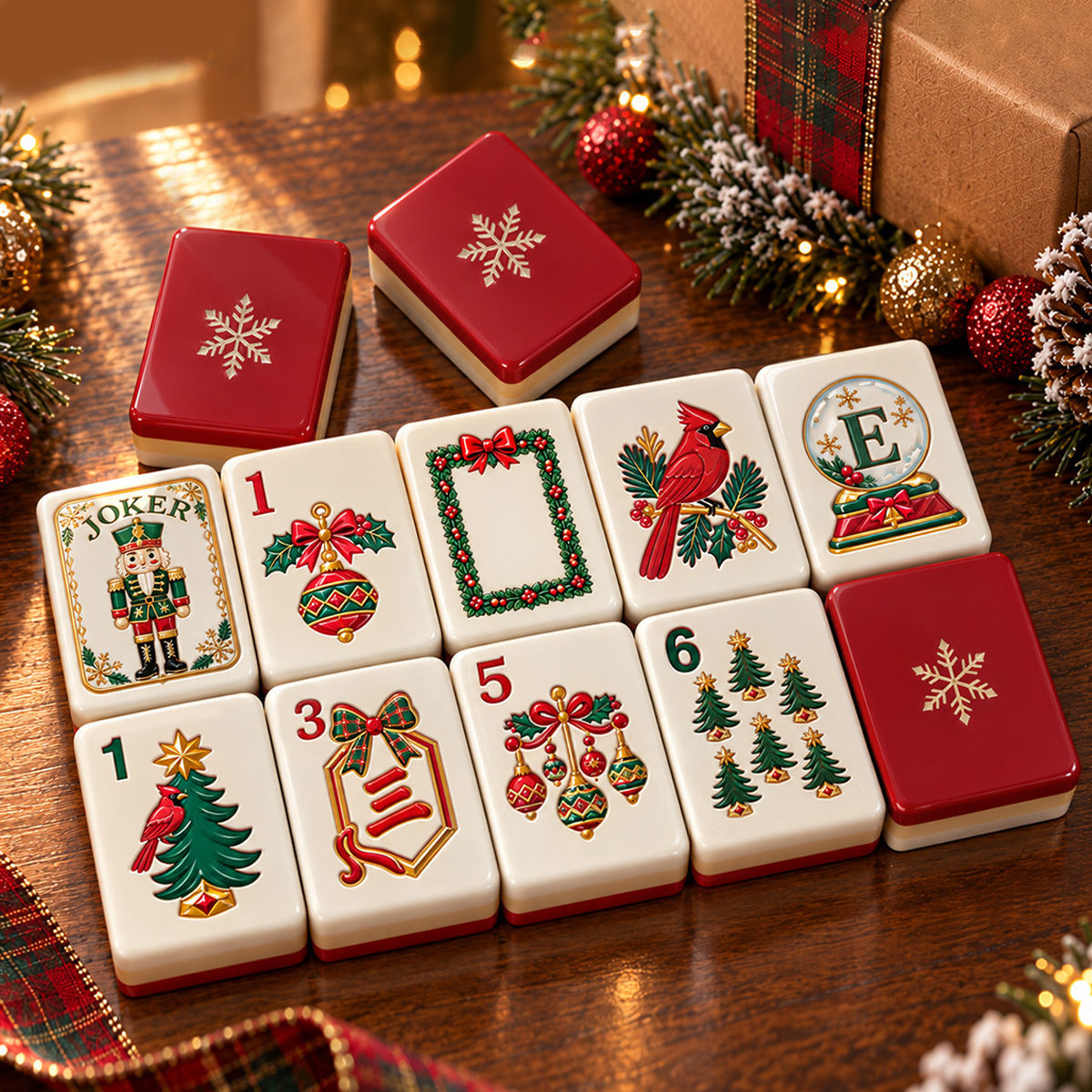
Recycled mahjong sets use reclaimed or upcycled plastics, composite materials, or sustainably sourced bamboo instead of virgin acrylic or bone. They work for serious American mahjong play—tiles meet size and weight standards, jokers work the same way, and they integrate into standard 152-tile gameplay. Prices vary by material and tile count; acrylic sets with recycled content typically cost more upfront than standard acrylic but last as long or longer if made from high-quality reclaimed stock. The main trade-off: limited design options compared to virgin material sets. Check the product description for material sourcing and tile finish quality—matte finishes hide wear better than glossy recycled tile batches, and heavier tiles feel more like traditional bone.
What materials actually count as "recycled"?
True recycled mahjong sets fall into three categories: post-consumer recycled (PCR) acrylic reclaimed from industrial waste or product returns, composite plastics blended from reclaimed thermoplastics, or bamboo-based tiles from sustainably managed forests. PCR acrylic tiles are indistinguishable from virgin acrylic in play—same weight, same chip sound, same resilience over 500+ hours of shuffling. Composite tiles tend to be slightly lighter and sometimes develop minor surface wear earlier, but feel warmer in hand. Bamboo composite is the heaviest and most fragile; it chips if dropped and absorbs moisture, so it's best for climate-controlled indoor play. Always verify the material claim in the product details—"eco-friendly" without specifics often means greenwashing, not actual recycled content.
🀄 Shop best-selling mahjong sets →

How do recycled sets compare to standard acrylic?
Feature | Recycled Acrylic | Composite | Bamboo | Standard Acrylic |
Tile weight | 5–6 g (matches virgin) | 4–5 g (lighter) | 7–9 g (heavier) | 5–6 g |
Shuffling sound | Clean chip | Duller thud | Woody thunk | Clean chip |
Surface wear at 100 hours | Minimal | Visible micro-scratches | Minimal | Minimal |
Lifespan (years) | 8–10+ | 5–7 | 3–5 | 8–10+ |
Cost basis | Mid to high | Low to mid | Mid to high | Low to mid |
Best for | Serious weekly play | Casual/learners | Display/occasional | Weekly+ players |
Recycled acrylic and standard acrylic perform identically in tournament or home-game settings. Composite tiles are a good entry point if you're eco-conscious but new to the game; they won't break your budget if you decide mahjong isn't for you. Bamboo sets are conversation pieces—beautiful but require climate control and careful handling. All American mahjong sets, recycled or not, must contain exactly 152 playing tiles and 8 jokers; never add extra tiles to the game itself.
What should you check before ordering a recycled set?
Before committing, confirm three details: (1) the exact recycled material—ask the seller or check the product page for "post-consumer acrylic," "composite blend," or "bamboo" rather than vague "eco-friendly"; (2) tile weight and dimensions, which should match standard American acrylic (roughly 25 mm × 18 mm); and (3) the presence of all eight jokers and any spare tiles, since 160-tile sets include bonus jokers and/or blanks beyond the 152 playing tiles. Run your fingers across sample tiles if possible—recycled acrylic should feel smooth, not gritty, and composite should not be tacky. Ask about the source of the recycled material; reputable sellers disclose whether it's post-consumer waste or reclaimed industrial stock. Open the set in good light and count: you should have 36 Bam, 36 Crak, and 36 Dot tiles (four of each number 1–9), 16 winds (four each: North, East, West, South), 12 dragons (four Red, four Green, four White), eight Flower tiles, and eight jokers. If a tile is chipped, missing, or the color is inconsistent across suits, contact the seller within the return window.
🎁 See our most-loved mahjong sets & accessories →

Does recycled material affect game play or hand recognition?
No—recycled acrylic plays and looks identical to virgin acrylic once in hand. The four-character Bam/Crak/Dot symbols are etched or printed the same way, and suit colors (red Bam, green Crak, white/cream Dot) are equally clear under standard lighting. Where recycled does differ: tile finish (matte vs. glossy) and tactile feedback during shuffling. Matte recycled tiles are easier on the eyes during long games and hide micro-dust better. Glossy recycled tiles can feel slippery if your hands are even slightly damp—annoying during summer play or in humid climates. Jokers work exactly the same; American mahjong rules forbid using jokers as a single tile or a pair, so material doesn't change that restriction. If you're reading hands from the current year's National Mah Jongg League card, material is completely invisible to scoring.
Where do you buy a quality recycled mahjong set?
Look for sellers who explicitly state the recycled material source and provide photos of individual tiles under good lighting. Our best-selling mahjong sets and engraved American mahjong sets include options with recycled or sustainably sourced materials; check each product page for material details. Avoid sellers using "green," "eco," or "natural" without specifying what that means. Compare weight—if a set weighs significantly less than 800 g for all 152 tiles, it's likely composite or hollow plastic. Ask about return policies; a reputable seller will accept returns within 30 days if tiles are damaged or material differs from the listing. We ship free across the US, so you can order with confidence and verify the set meets your standards before your first game. Pair your recycled set with a mahjong mat and racks with pushers to protect tiles and create a professional play surface.
✨ Find your Mahstead set — free US shipping →
What to check before you buy
Material sourcing: Confirm "post-consumer recycled," "composite," or "bamboo" in writing—not just "eco-friendly."
Tile count: Verify 152 playable tiles + 8 jokers minimum; 160-tile sets include bonus spares.
Weight and feel: Hold or inspect photos; recycled acrylic should feel smooth and weigh 5–6 g per tile.
Finish: Matte hides wear better; glossy can be slippery in humid conditions.
Suit colors: Red, green, and cream should be clearly distinct under normal light.
Return window: Ensure 30+ days to inspect before committing permanently.

FAQ
Are recycled mahjong sets tournament-legal?
Yes, if they meet American mahjong size and weight standards. Always verify material specs with the venue or league before a sanctioned game; most tournaments accept any 152-tile set that plays fairly.
Do recycled tiles get slippery over time?
Matte-finish recycled acrylic does not; glossy recycled can feel sticky if oils accumulate. Wipe tiles with a dry microfiber cloth after every 5–10 sessions to maintain grip.
Can I mix a recycled set with my existing virgin acrylic tiles?
Not for official play—all 152 tiles must match in weight, sound, and finish. Mixing creates sorting confusion and unfair tile draws. Keep sets separate.
What's the typical lifespan of a recycled acrylic set?
8–10+ years of weekly play, assuming normal shuffling and storage at room temperature. Composite lasts 5–7 years; bamboo, 3–5 years in climate-controlled settings.
Do recycled sets come with mats, racks, and cases?
No—mats, racks, and cases are sold separately. We offer mahjong bags and cases and mats to pair with any set for protection and portability.
How do I know if a recycled set's color will fade?
High-quality recycled acrylic holds color as well as virgin acrylic. Check reviews or photos from long-term players; if suit colors are dull in product photos, that's a red flag for poor dye retention.


View More
View More
View More
