
Cheap vs. Expensive Mahjong Travel Bags: What to Buy
Last updated: Nov 23, 2026
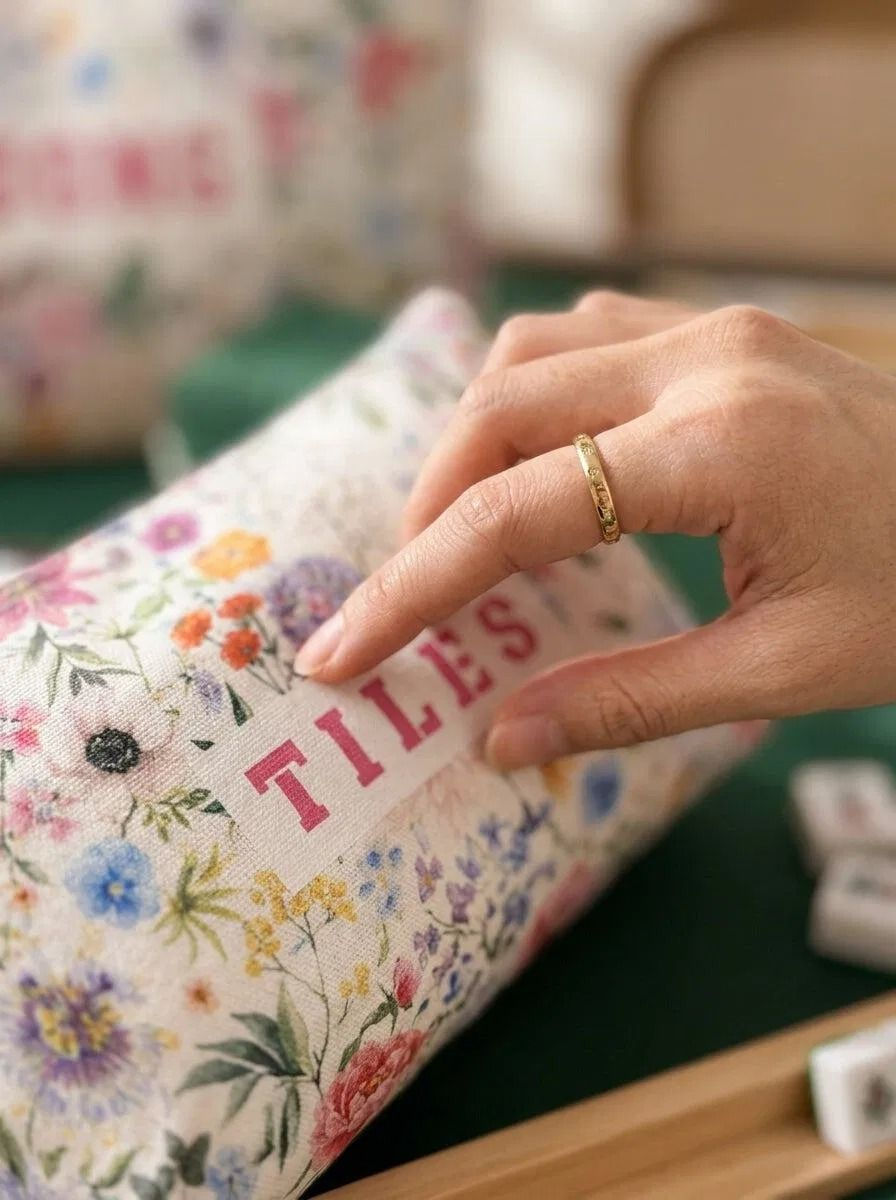
A mahjong travel bag holds a complete 160-tile acrylic set, mats, racks, pushers, and dice for easy transport. Budget bags (canvas, nylon, simple compartments) cost less upfront and suit casual weekly players who rarely move their sets; premium options (reinforced materials, custom padding, hard shells) cost more but protect expensive engraved tiles through frequent travel and professional storage. The difference isn't style—it's durability, tile safety, and peace of mind. We host weekly games and have watched cheap bags fail after three months of regular use, while padded cases last years. Choose based on how often you travel and whether your tiles are replaceable or sentimental. Mahstead's best-selling mahjong sets deserve a bag that matches their quality and your commitment to the game. 🀄 Shop best-selling mahjong sets →
What size mahjong bag do you actually need?
American mahjong sets are standardized: a 160-tile acrylic set with racks and pushers fits roughly 14 × 10 × 8 inches (without extras). A bag must fit the set, mat (which folds to 18 × 18 inches), a deck of cards, and dice. Most budget bags offer 15 × 12 × 9 inches internal space—tight but workable. Premium bags often go 17 × 14 × 10 inches or larger, leaving room for mats and cards without crushing tiles. Measure your set before ordering; too small creates pressure on jokers and cracks acrylic.

Budget bags: who should buy them and why?
Budget travel bags (canvas drawstring, basic nylon, simple compartments, typically available through our travel-bag collection) suit players who store their set at home and carry it to one or two monthly games at the same venue. They weigh less, cost less initially, and are easier to hand off in a car. The trade-off: no shock absorption, minimal padding, seams that fray after 50–100 uses, and compartments that don't isolate tiles from racks (risking scratches and noise). If your tiles are disposable student sets, a budget bag is enough; if they're engraved or sentimental, you'll regret skipping protection.
Premium bags: padded construction and real durability.
Premium bags feature reinforced nylon or canvas, foam or neoprene padding, divided compartments for tiles and accessories, and sometimes hard-shell elements or rigid base panels. They cost significantly more per unit but survive 300+ trips without seam failure. We've carried the same padded case for six years of weekly games and twice-monthly travel; the tiles inside remain scratch-free because the foam separates them from external pressure and movement. Premium bags also distribute weight better (reducing arm and shoulder strain), stack safely in car trunks, and look professional if you play in tournaments or teach the game.
Feature | Budget Bag | Premium Bag | Your Move |
Internal padding | Minimal or none | Foam, neoprene, or nylon | Fragile tiles need padding |
Compartments | 1–2 generic | 3–5 specialized | Isolate tiles, racks, dice |
Weight capacity | 10–15 lbs | 15–25 lbs | Can it hold mat + extras? |
Seam durability | 50–100 trips | 300+ trips | How often do you travel? |
Cost per trip | Low upfront | High upfront, low per use | Add up 2 years of games |
Best for | Home storage + 1 venue | Multi-venue play, tournaments | Does your lifestyle match? |
Theft/damage risk | Higher | Lower | Are tiles replaceable? |
Choose budget if you play once monthly at one location and own a generic student set. Choose premium if you travel weekly, own engraved American mahjong sets, or play tournaments.
🎁 See our most-loved mahjong sets & accessories →
The hidden cost of cheap bags: what actually breaks first?
We've learned the hard way that budget bags fail in three ways. First, seams split after 50–80 round trips because single-thread stitching tears under the weight of tiles and racks—repair costs more than a new cheap bag, so most players just buy another. Second, compartments lack padding, so tiles shift during transport and acrylic touches wood racks or zippers, creating hairline cracks invisible until mid-game (cracked tiles are illegal and unplayable). Third, handles and zippers fail (threads jam, plastic pulls off), forcing you to carry a compromised bag or abandon it mid-season. A premium bag's reinforced zippers, webbed handles, and compartment foam prevent all three. Over two years of weekly play, a premium bag saves you one full replacement set's worth of repairs or replacement.
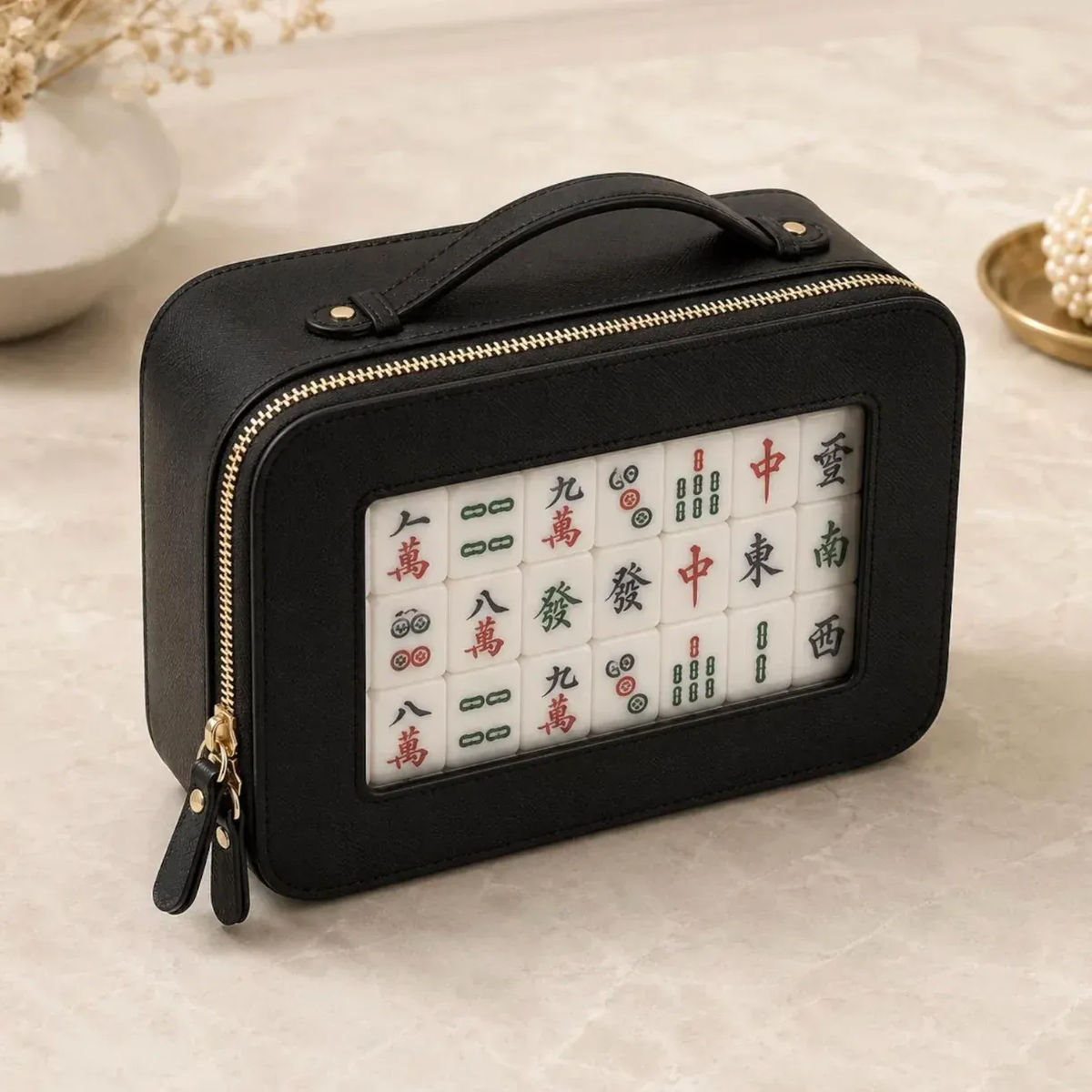
How to choose: interior layout matters as much as material.
Before buying any travel bag, ask: Does it have a separate tile compartment? Can racks and pushers go in their own slot? Is there a zippered pocket for cards and dice? Will your mahjong mat fit flat (unfolded or rolled)? Budget bags often treat the whole interior as one cavity, forcing you to layer tiles, racks, and mats together—they shift during car rides and damage each other. Premium bags dedicate a lined compartment for the tile box, separate padded slots for racks (so pushers don't scratch tiles), and elastic straps to hold a mat or deck flat. When evaluating options from our travel-bag collection, prioritize compartments over color or branding.
When to upgrade from budget to premium: a practical checklist.
Upgrade if: you play more than twice monthly, own tiles worth keeping long-term, travel farther than 15 minutes, carry multiple sets or mats, or have already replaced a cracked tile. Upgrade also if your current bag shows seam wear (fraying, loose threads) or if zippers stick. Stay budget if: you own only one student set, play at the same venue every week, store your set at home between games, and could replace it easily. Stay budget also if you're a new player testing whether mahjong stays in your rotation—spend more once you commit. Most of us upgrade after one year of regular play; the math becomes obvious once you multiply 50 games × the risk of one cracked tile.
✨ Find your Mahstead set — free US shipping →
What to check before you buy: a final inspection guide.
Before clicking buy, verify:
Dimensions: Measure your set box (width × depth × height) and add 2 inches to each side for comfort. Compare to the bag's internal dimensions, not external.
Weight limit: Racks and mats add 5–7 lbs to a 3 lb tile set. Does the bag support 12+ lbs?
Padding type: Feel the material. Cheap bags have thin felt; premium bags have compressible foam at least 0.5 inches thick.
Compartments: Count them. Fewer than 3 means tiles and racks mix during transport.
Zip quality: Look for coil zippers (metal teeth) over plastic sliders; they last 5× longer.
Handle reinforcement: Webbing sewn across the seams (not just stitched) prevents tearing.
Seam finish: Are edges sealed (heat-treated or bound) or raw? Raw seams fray in six months.
Our bags and cases guide covers assembly and care in depth. Don't skip these checks or you'll repeat the budget-bag cycle.

FAQ
Can I use a regular suitcase or camera bag for my mahjong set?
A small suitcase works in a pinch, but camera bags lack the internal padding mahjong requires—tiles and hard edges will shift and scratch. A suitcase is too large; you'll overpay and waste trunk space. A dedicated mahjong bag costs less and keeps tiles stable.
How much should I spend on a travel bag?
See current pricing on our travel-bag collection product page. Budget bags offer lower entry cost; premium bags cost more upfront but last 5–10 years of regular use. Calculate cost-per-trip: if you play 50 times per year, a bag that lasts two years is cheaper per use than one lasting six months.
Can a cheap bag protect expensive engraved tiles?
No. Engraved acrylic tiles cost more because they're sentimental or tourney-quality. A cheap bag's lack of padding risks cracks and scratches that damage both function and value. Premium bags with compartment foam protect your investment; the bag pays for itself in one avoided crack.
What's the difference between a padded bag and a hard case?
Padded bags are lighter, fit in backpacks, and cost less; hard cases are rigid, protect against crushing, and last longer but weigh more and take trunk space. For weekly local play, a padded bag is ideal. For tournament travel or shared car trips, a hard case is worth it.
Do I need a bag if I always play at the same venue?
If your set stays at the venue or you carry it five minutes by car once weekly, a basic bag or even a cardboard box works. If you move it between home and venue every session, invest in padding—even light jostling in a trunk damages tiles over months.
How do I pack a mahjong set bag to avoid damage?
Place the tile box on the padded bottom. Lay racks upright (pushers vertical) in their compartment. Roll or fold your mat loosely and secure it with elastic straps so it doesn't press tiles. Tuck cards and dice in a small zippered pocket. Never overstuff; zipping should feel easy.


View More
View More
View More
