
Open Play Mahjong in the Villages: How to Find & Host Games
Last updated: Nov 23, 2026
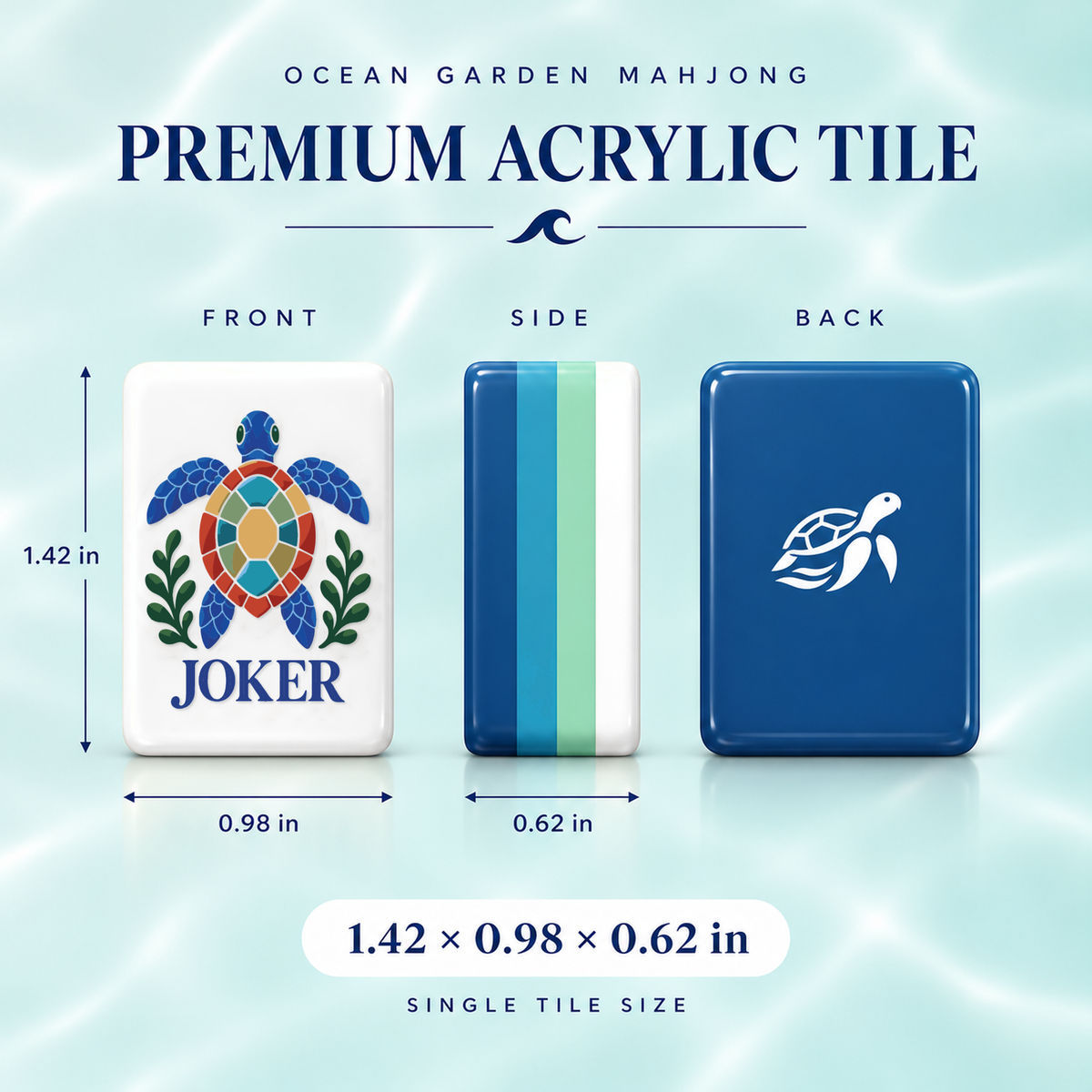
Open play mahjong in the Villages is one of the most active and welcoming scenes in American mahjong. Unlike tournaments with entry fees and rankings, open play is casual, social, and usually free or low-cost. Players gather at scheduled times, follow the standard American rules, and rotate partners each round. If you're new to the community or new to mahjong, knowing where to look and what to bring makes all the difference.
Where do most open play games happen in the Villages?
Most regular games meet in dedicated game rooms within village recreation centers and clubhouses spread across the community. These spaces typically have tables, chairs, and climate control—perfect for a two-hour session. Community bulletin boards in fitness centers, swimming areas, and social clubs post weekly schedules and contact info for group organizers. Some games also form through neighborhood associations or informal meetup arrangements. Call your local recreation center directly; staff can point you toward active groups and give you contact names or phone numbers.

What rules do Villages open play groups follow?
Nearly all casual open play groups in the Villages use American mahjong rules governed by the National Mah Jongg League card, which changes every spring. Players draw from the wall, form melds (pungs, kongs, quints, sextets), and must match a hand listed on the current year's card to win. The game includes a Charleston—a tile-passing ritual before play begins. Scoring is typically tracked by hand (settlement happens at the table) rather than cumulative season scoring. Most groups allow players to sit in on a game to observe before joining; this is the best way to learn the pace and house rules. Ask the organizer if they're beginner-friendly; many groups intentionally welcome new players.
How do you host your own weekly open play game?
Hosting creates community and lets you control the schedule. Start by recruiting three other regular players—ideally a mix of skill levels so no one feels overwhelmed. Pick a consistent night (e.g., Thursday 7–9 p.m.) and a space with good lighting, a dining or card table, and quiet surroundings. You'll need four complete best-selling mahjong sets so everyone can play simultaneously, or rotate if space is tight. Invest in mahjong mats for each table to protect the surface and keep tiles visible; a mat also speeds up play because the layout stays stable. Get racks with pushers so players don't accidentally reveal tiles or fumble hand organization. Print the current National Mah Jongg League card (available free online or sold as a laminated reference at game shops) and keep a calculator or scoring sheet handy. Offer light snacks and water; the ritual and comfort matter as much as the game itself.
What You'll Provide | Why It Matters | What to Buy |
Four matched sets | Consistency; players trust tiles work the same way | Best-selling acrylic sets with pushers |
Dedicated table & mat | Prevents damage; keeps layout tidy and visible | One mat per table |
Current year's card | Only way to know which hands are legal | Print or order laminated version |
Good light (60+ watts) | Prevents miscalls and eye strain | Lamp; not your problem unless hosting at home |
Timer or phone clock | Keeps rounds fair; no endless deliberation | Phone stopwatch; suggest 30–40 min per round |

What equipment mistakes do first-time hosts make?
The most common problem: mixing old and new tiles from different sets. Worn tiles read poorly; new tiles have different backing shades. This causes confusion and slows play. Buy a single best-selling collection set, or standardize by purchasing matching sets upfront. Second mistake: skipping the mat. Without a mat, jokers slip; tiles spill onto laps; games restart mid-hand. Third: not laminating or printing the current year's card. Players argue over whether a hand is legal if they can't reference the card clearly. Fourth: assuming one set of racks works for four players. If racks don't stand upright or pushers jam, hands get exposed accidentally. Fifth: hosting without a reference—printed rules, contact for a rule question, or a veteran player on speed dial. Have a backup plan to pause play and call someone if a ruling dispute arises.
What should you check before buying equipment for your game?
Before purchasing sets or mats, confirm the table size (a standard dining table is 36" × 60" minimum; four players need room for hands and a central discard zone). Measure your space. Decide whether you want engraved sets (custom, beautiful, memorable for regular weekly games) or plain acrylic (durable, affordable, identical tiles guaranteed). If hosting outdoors or near water, avoid felt mats; choose acrylic or laminate mats instead. Test one set before buying four. Confirm joker and tile counts match the National League standard (152 playing tiles + 8 jokers per set). If players will transport sets in bags, mahjong bags and cases with padding keep tiles safe and organized. Ask yourself: Do we play every week forever, or just for a season? Weekly groups justify better equipment; casual meetups can start simpler.
🀄 Shop best-selling mahjong sets →
How do beginners join without embarrassment?
New players often worry they'll hold up the game or make mistakes. Most Villages groups are used to onboarding casual players. Arrive 15 minutes early; ask to watch one hand before sitting in. Read the mahjong for beginners guide and study the current card beforehand. Admit you're new; experienced players enjoy teaching. Ask questions during play—no one minds a pause. Mistakes happen; seasoned players laugh them off. Your first game will feel slow, but by game three, rhythm clicks. Bring a pen and paper to jot down which tiles are in short supply or which hands appeared often; this sharpens your intuition for future rounds.
🎁 See our most-loved mahjong sets & accessories →
The Villages mahjong community is real, active, and genuinely welcoming. Whether you join an existing group or start your own, the key is showing up, following the rules, and playing regularly. Equipment matters—worn tiles and poor lighting frustrate everyone—so invest in a solid set, mat, and racks from the start. After a few sessions, you'll know the rhythm, the players, and your own style. Then mahjong stops being a game and becomes the reason you make the appointment.
✨ Find your Mahstead set — free US shipping →

FAQ
Do I need to own my own mahjong set to play open play in the Villages?
No. Most groups have sets on hand. But if you play weekly, owning your own means you can host, travel with it, or play anytime. Many regular players keep a set at home and one in their car.
Can I play open play if I've never played mahjong before?
Yes. Most Villages groups welcome absolute beginners and teach as you go. Arrive early, watch one round, then ask to join. Experienced players enjoy helping new members learn.
What's the difference between open play and the National Mah Jongg League tournament?
Open play is casual, social, and free. League tournaments have entry fees, formal scoring, and advancement. Open play uses the same rules and current card; tournaments are just more structured.
How much does it usually cost to join an open play game in the Villages?
Most games are free. Some groups collect $1–2 per person per round as a kitty for refreshments or donations. Ask the organizer when you call.
Should I buy acrylic or bone tiles for open play?
Acrylic is ideal for regular open play. It's durable, uniform, low-maintenance, and tiles won't crack or warp. Bone tiles are beautiful but fragile and less practical for weekly casual games.


View More
View More
View More
