
Online Mahjong vs Real Tiles: Which Should You Play?
Last updated: Nov 23, 2026
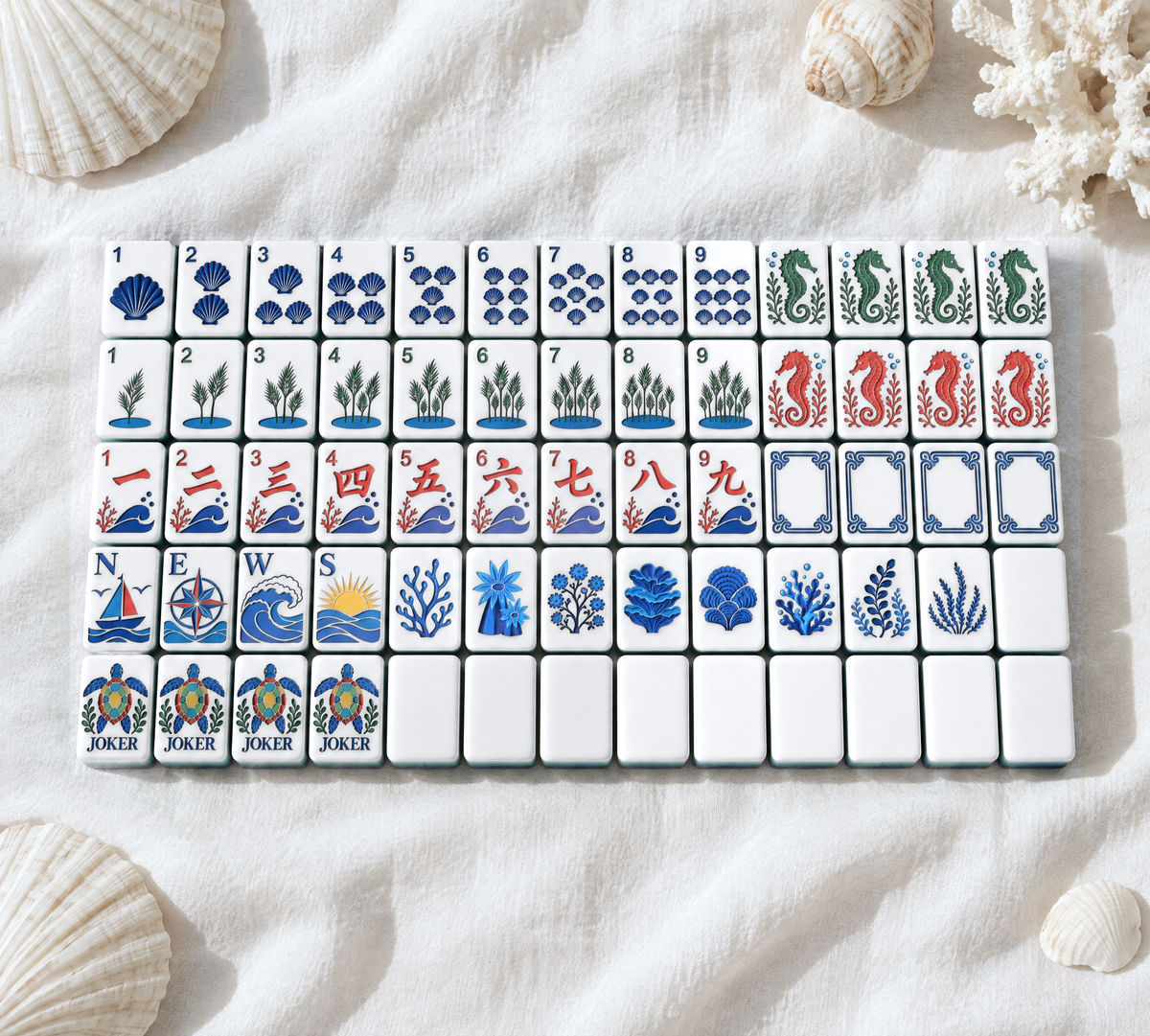
Online mahjong eliminates shuffling and scoring mistakes; you play anywhere, anytime, against bots or strangers. Real tiles demand a table, four players, and the National Mah Jongg League card (updated annually), but they deliver the tactile snap of bone tiles, face-to-face strategy, and the unshakeable social bond our players cherish most. Online suits learners avoiding penalties; real tiles suit players committed to the rulebook, the ritual of the Charleston, and a rotating table. Neither replaces the other—many of us play both—but once you've held a physical set and felt 152 tiles shift beneath your hands, the digital version feels hollow. If you're starting out, online teaches the patterns; if you're staying, real tiles keep you coming back week after week.
Can you actually learn mahjong online as a beginner?
Yes, online platforms teach hand patterns, tile notation, and tile-calling rules without penalty for mistakes. Most apps let you pause, replay, and study the National Mah Jongg League card. You'll grasp which tiles go together, how the Charleston works, and why jokers unlock winning hands. The catch: online play skips the physical speed, the psychology of watching opponents' facial expressions, and the real-world pressure of live discard-read strategy. Many of us started online, learned the card, then moved to a real table and found ourselves completely unprepared for the social and tactile elements. Online is a blueprint; real tiles are the building.

What's the cost difference: app vs buying tiles?
Online mahjong typically costs nothing upfront (free-to-play with ads) or a one-time purchase (under twenty dollars for ad-free). Buying a physical American mahjong set involves a bigger investment, but you own the tiles forever, host games at your home, and never pay a subscription. We've played the same sets for years. The real cost of online is invisible: time lost to distraction, no hand feel, no community. The real cost of physical tiles is upfront, but spreads across hundreds of games. Our best-selling collections let you start without breaking the bank, then upgrade as your players evolve.
🀄 Shop best-selling mahjong sets →
Do online platforms enforce American mahjong rules correctly?
Most online apps follow American mahjong logic (pungs, kongs, quints, sextets, joker rules, the current-year card), but the rigor varies. Some apps let you call hand patterns that weren't on that year's official League card—a critical error. Others gloss over the Charleston or allow house-rule hand sets. When you move to a real table with players who know the card cold, you'll hit rule conflicts that online never taught you. We've seen players shocked to learn jokers can't form a pair or that a hand must come from this year's card. If you're serious about joining a live game, use online to memorize patterns, then spend one session with a real card and a patient mentor at your physical table.
What do you lose by playing on a screen instead of at a table?
The snap of tiles. The rhythm of four players drawing and discarding in unison. The ability to read hesitation in someone's hand position or spot a player's discard strategy. The smell of the tile case after Wednesday night. Online removes all of that. You gain speed and convenience—no shuffling, no scoring disputes, no travel—but you lose the reason most of us keep playing: the people. We've found that online mahjong feels like checkers; real tiles feel like bridge or chess, where the game and the relationship are inseparable. If you're solo or housebound, online keeps your skills sharp. If you're building a player group, physical tiles are non-negotiable.

When should you buy real tiles instead of staying online?
Buy tiles when you've played 20+ online hands, you know the card well enough to spot an illegal call, you have a consistent group of three other players (or know where to find one), and you're ready to host a weekly or monthly game. Don't buy if you're testing the hobby—try online and a library or synagogue's demo set first. Our best-selling acrylic sets are designed for weekly players: durable, easy to shuffle, and built to last. Once you own tiles, you own the game. You set the date, the rules, and the stakes. That's when mahjong stops being a distraction and becomes a ritual.
Comparison: Online vs Real Tiles
Factor | Online | Real Tiles |
Setup time | 30 seconds | 5–10 minutes (shuffling, Charleston) |
Cost entry | Free or under twenty | Varies; see product pages |
Rule enforcement | Apps vary; some miss League rules | Enforced by players and card |
Social depth | Strangers or solo | Face-to-face, weekly community |
Travel-friendly | Yes (phone/tablet) | Requires case or bag |
Learning curve | Fast pattern recognition | Slower; builds muscle memory |
Tactile experience | None | Tiles, shuffling, pushers, racks |
Long-term retention | Low (distraction fatigue) | High (ritual and friendship) |
🎁 See our most-loved mahjong sets & accessories →
What to check before you buy real tiles
Verify you have a fourth player lined up. Mahjong is four-handed; online lets you play against bots, but a real table requires four humans committed to showing up. Check local libraries, community centers, synagogues, or Meetup boards for beginner groups before you invest.
Know the 2026 National Mah Jongg League card. The card changes every spring. Online apps often let you toggle between years, but a physical table uses only the current card. Buy your set knowing which card you'll play.
Test a borrowed set first. Borrow tiles from a friend or visit a demo session to feel tile weight, rack height, and mat texture. Our best-selling sets come in acrylic, but preference is personal.
Choose a mat if you're hosting. A mahjong mat protects your table, speeds tile reading, and marks discard position. Non-negotiable for weekly games.
Plan for storage. A bag or case keeps tiles clean and organized between games. We've seen sets degraded by loose storage.
The verdict: both have a place, but one sticks
Online mahjong is a training tool. It teaches you the card, the patterns, and the rules without pressure or travel. If you live alone or play casually, it's a perfect hobby. But if you want to join a weekly game, build friendships around a table, and own something tangible, you need real tiles. We've watched new players move from phone screens to our tables and suddenly get it—why people have played mahjong for a century, why they come back every week, why they tell their friends.
Start online. Learn the card. Then buy tiles and find your four. That's the path most of us took, and it's the one that stuck.
✨ Find your Mahstead set — free US shipping →
If you're new to the game, read our beginner's guide to American mahjong for a full ruleset and terminology overview.

FAQ
Is it cheating to learn mahjong online first?
No. Most serious players started online or with books. Online teaches pattern recognition fast. Live play teaches everything else: reading opponents, managing tile speed, and respecting the ritual.
Can I play American mahjong online with my real-tile friends?
Yes, if you all use the same year's card and app. But most groups prefer in-person—it's why they play together. Online is backup for snow days, not the main event.
What's the easiest way to find a beginner-friendly live game?
Check your local library or community center for mahjong nights; search Meetup for your city plus "mahjong"; ask synagogues or country clubs if they host open tables. Most groups welcome learners.
Do online apps count jokers correctly in American mahjong?
Most do, but not all. Some apps allow jokers in pairs (illegal in American rules). Always verify an app's rules before trusting it as your final reference. Rely on the physical League card in a live game.
If I buy a 160-tile set, how many jokers and blanks do I get?
A 160-tile set contains 152 playing tiles (the standard for American mahjong) plus eight spare tiles that never enter play. Spares ensure you always have a full game, even if a tile chips.
How long does it take to get good at real mahjong?
Pattern recognition takes 10–20 games. Solid play takes 30–50 games. Mastery (reading opponents, fast discards, card fluency) takes years. Online speeds up pattern learning but can't replace table time.


View More
View More
View More
