
Mother's Day Mahjong Tablescape: Set the Table Like a Pro
Last updated: Nov 23, 2026
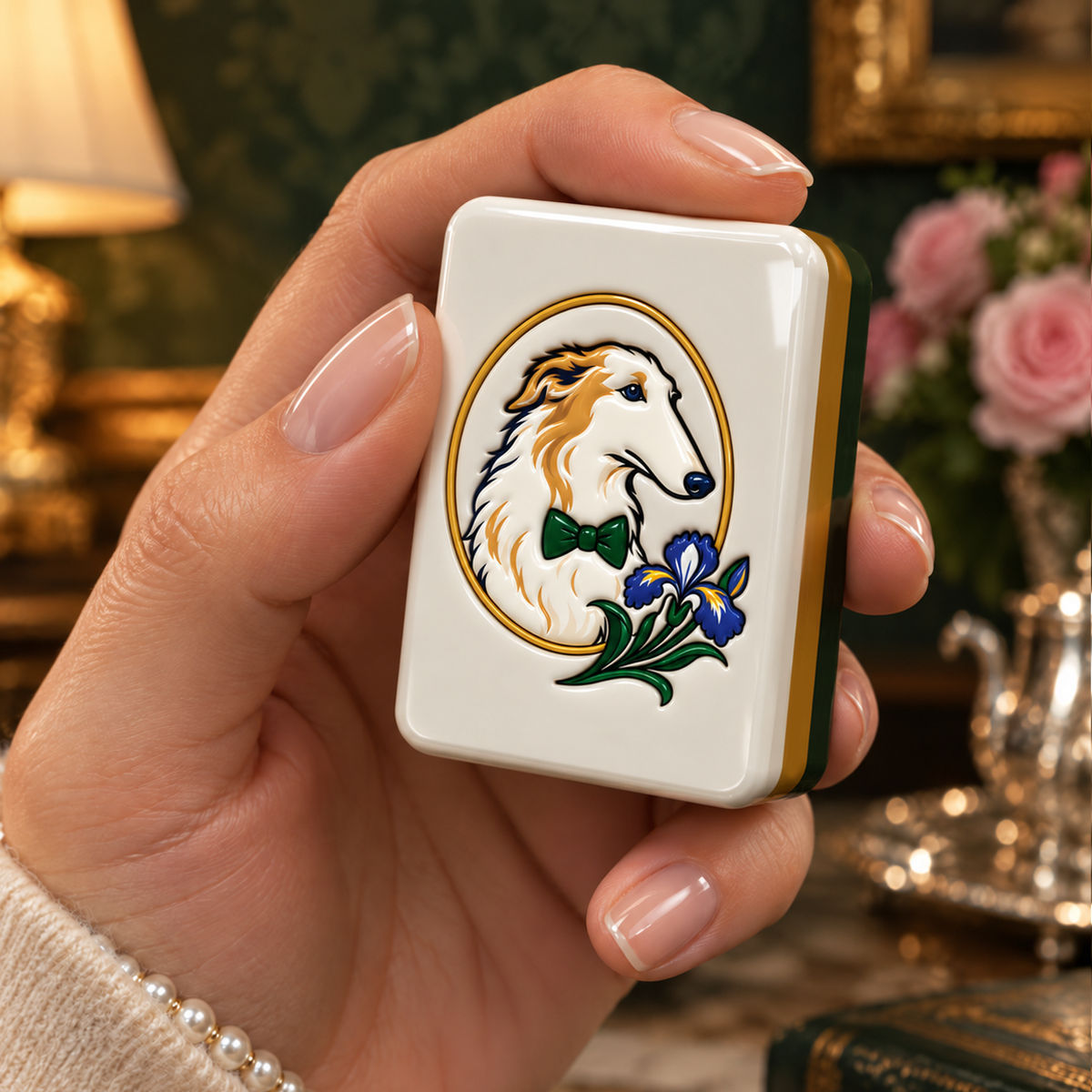
A Mother's Day mahjong tablescape combines a functional game table with intentional styling: a coordinated mat, positioned set with visible tiles, elegant racks, snacks, and lighting that makes Mom and her guests feel honored. Set it up 30 minutes before game time on a sturdy dining or card table, 3–4 feet across. A quality acrylic set (160 tiles) stays beautiful through play and after, and engraved designs add a sentimental touch. Avoid cramped spacing (tiles need room to move), mismatched mat colors (they should complement your set and table), and low light (mahjong tiles demand visibility). Most home setups cost nothing beyond what you already own—the set itself is the investment—and Mahstead's best-selling collections pair sets with matching mats, racks, and bags so your tablescape feels intentional, not improvised.
What makes a tablescape mahjong-worthy?
A true mahjong tablescape does more than hold tiles—it invites play, honors the game's traditions, and makes Mom feel celebrated. The table must be level, at least 3 feet across, and positioned so players can sit comfortably all around it without reaching or twisting. Good lighting is non-negotiable; tiles fade under yellow or dim overhead bulbs, and reading the card becomes a chore. The mat anchors the whole setup visually and protects the table from tile and water damage. A mahjong mat also signals to guests that this is intentional play, not casual shuffling.
The most stylish tablescape we've set up include a mat that echoes the set's design language—if your set has warm wood or gold accents, choose a mat in cream, tan, or pale gold. A fresh centerpiece (peonies, tulips, or a small plant) placed to the side of the tiles, and cloth napkins in a coordinating color, lift the whole mood. Add a copy of the current year's National Mah Jongg League card in a small acrylic holder so Mom can glance at hands without losing focus. The goal is elegance without fussiness: these are still your practical tools.
🀄 Shop best-selling mahjong sets →

How do you display the set before play begins?
Set the tiles out about 15 minutes before game start so Mom and her guests see the full set in its beauty. We lay them in gentle arcs by suit—Bams, Craks, Dots—along the near edge of the mat, then arrange Winds and Dragons in a small group to one side. This does two things: it primes players to recognize tiles quickly once the game starts, and it gives everyone a moment to admire the craftsmanship. If your set is engraved (say, with Mom's name or a meaningful date), position it so the engraving faces outward; guests will notice and ask about it, and that's a gift moment in itself.
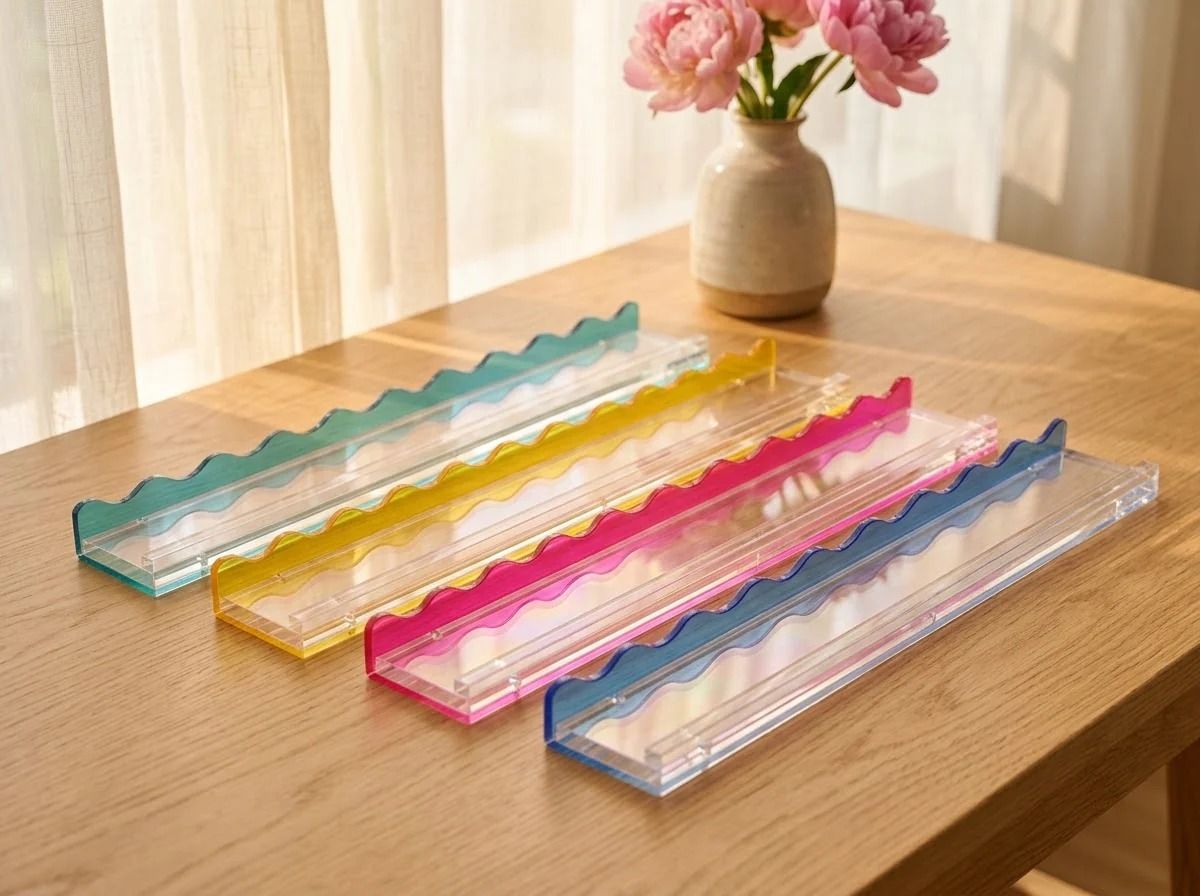
Use matching racks with pushers for each player's position—they keep tiles organized during play and look far neater than loose stacks. If you're serving food or drinks, set up a side table so glasses and plates stay clear of the tile area. A small bowl of mints or a cheese board a few feet away keeps the table clean and the mood festive. Avoid placing the main set display directly under a ceiling fan or near an open window; even a draft can scatter tiles and break the mood.
What's the ideal mat, and how should you choose?
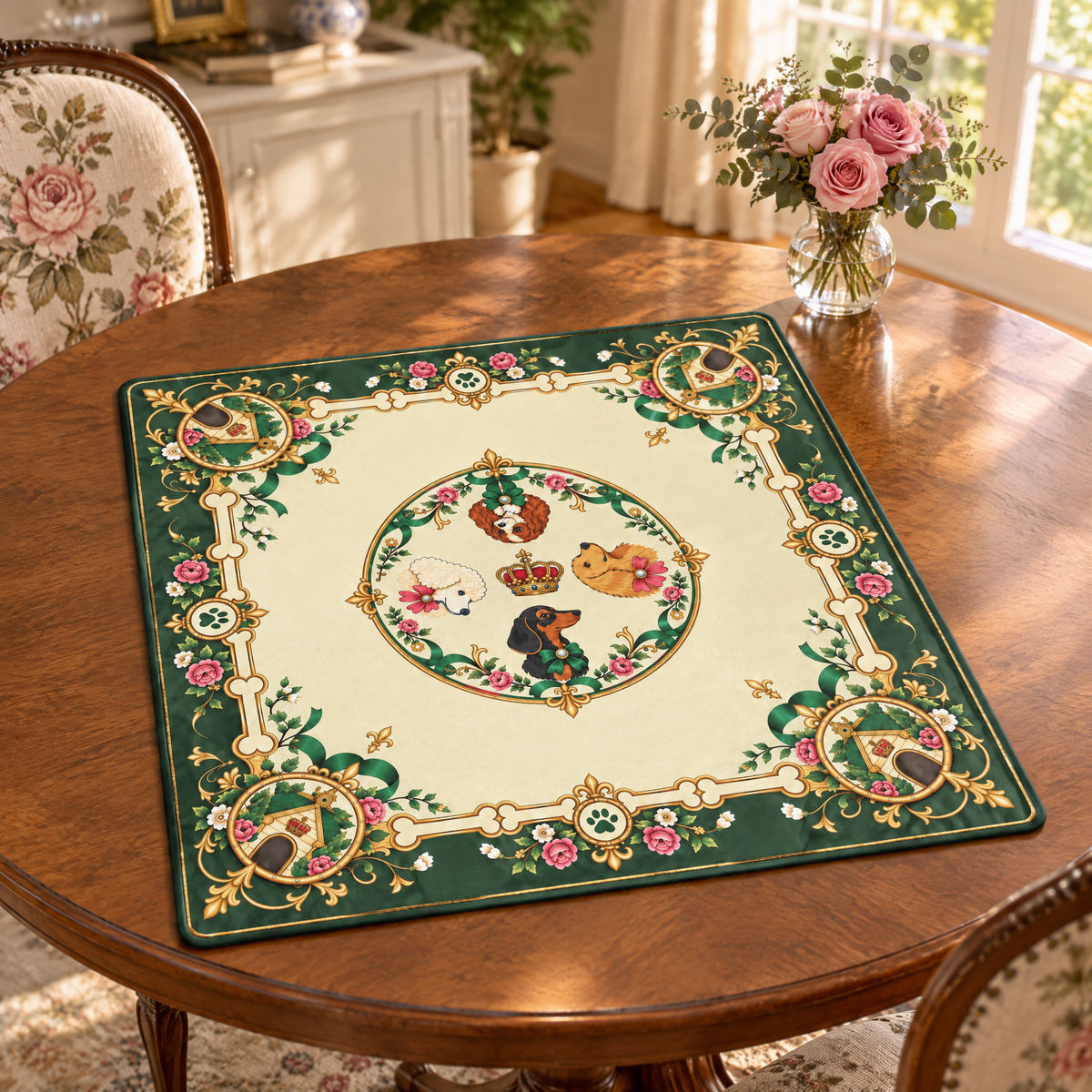
The mat is the foundation of a great tablescape, and choosing wisely makes the whole setup feel cohesive. Learn how to pick the right mat by considering your table color, the set's finish (acrylic, bamboo, ceramic), and the room's lighting. A cream or pale gray mat is forgiving—it contrasts well with most tile colors and reflects light evenly. If your table is already dark wood, a lighter mat pops; if it's glass or pale, a soft-colored mat still grounds the display. Avoid mat colors that match the tile colors exactly; you need contrast so players can track individual tiles during fast play.
The mat's size matters too. A standard mat fits a card table perfectly and gives each player their own working zone. Rolled mats are easier to store after the party, while flat mats can be pressed in a large picture frame for a few hours beforehand to ensure they lay flat. Our experience: a mat that's been stored rolled will settle within an hour if you unroll it early and place a smooth book weight in each corner.
How do you set player positions and incorporate personal touches?
For a four-player game, seat players so each can reach comfortably toward the center. East is typically the dealer's position; if Mom is playing, East is hers, and you can mark it subtly with a small card or a special rack color if your racks come in varieties. Place name cards (Mom's could be slightly fancy, perhaps in calligraphy if you have time) at each seat—this honors the game's formality and helps newer players orient themselves.
Personal touches that feel natural: if Mom has been playing for decades, place a photo of her and her regular group near the set. A small card saying "In honor of twenty-five years of Mahjong Mondays" costs nothing but means everything. A engraved set with her name or initials—available from our mahjong titles collection—becomes a heirloom if chosen thoughtfully. Avoid overdoing it; the tablescape should feel like a game night, not a museum exhibit.
🎁 See our most-loved mahjong sets & accessories →
What gear makes the biggest visual and practical difference?
Beyond the set and mat, three items transform a tablescape: racks with pushers, a quality bag or case, and custom dice or a timer. Racks are essential—they keep each player's tiles visible and organized, and they make the table look intentional. Pushers (small sticks built into the racks) help players move tiles without fingertip fumbling, which keeps hands cleaner and play faster. If your set came with pushers, use them; they're not optional.
A good bag or case on display (placed on a small side table or leaning against a chair leg) signals that this is a serious, treasured set. It also guarantees safe storage after the party. Custom dice add a small spark of personality—they're functional but feel like a gift within the gift. Some players swap the standard dice for weighted or engraved versions; keep it simple for Mom unless she's a competitive tournament player.
Here's a practical comparison of how different setups feel:
Element | Basic Setup | Elegant Tablescape | Why It Matters |
Mat | None (bare table) | Coordinated color | Protects surface, signals intention |
Racks | Optional (tiles in hand) | All four players | Faster play, visible organization |
Lighting | Overhead only | Overhead + side lamp | Tiles read clearly, easier scoring |
Centerpiece | Nothing | Flowers or plant | Elevates mood without cluttering |
Card holder | Loose card | Acrylic stand | Card stays clean and readable |
Presentation | Tiles in box | Tiles displayed pre-game | Guests admire craftsmanship |
✨ Find your Mahstead set — free US shipping →
What to check before you buy or set up
Before Mother's Day, do a walk-through. Measure your table (it must be at least 3 feet across and stable). Test your lighting at the time of day you'll play; if the sun sets during your game, plan a side lamp on a sturdy side table. Open your set and verify all tiles are present—a 160-tile set should have a full standard set plus spares. Review what's in an American mahjong set so you know what to count. Check that your mat is flat and clean; a damp cloth and five minutes of air-drying will refresh older mats. If you're gifting the set to Mom, practice one hand alone so you understand how the tiles feel and move; this builds confidence before the party.
Avoid last-minute scrambling: buy and set everything up 48 hours in advance if possible. This gives you time to adjust spacing, test lighting, and troubleshoot any surprises. One more tip from our regular game nights: lay out the current year's National Mah Jongg League card the morning of; new players often need a copy at hand, and printing it fresh (so it's crisp and readable) shows care.
FAQ
Can I set up a mahjong tablescape on a round table?
Yes, but players will be closer together and reaching becomes awkward. A round table works best if you set the mat in the center and use tall racks so tiles don't spill into neighbors' spaces. Square or rectangular tables are ideal.
What's the best light for reading tiles during play?
Natural daylight (window light) is ideal. If playing in evening, add a warm-toned overhead light plus a side lamp angled at the mat so tiles cast minimal shadow. Avoid pure yellow or blue light; it distorts tile colors.
Should the mat stay rolled or be unrolled before guests arrive?
Unroll it 1–2 hours before play. Place a smooth book or weight in each corner to ensure it lies flat. Wrinkles fade after 30 minutes of being weighted.
What if Mom has never played American mahjong before?
Print the League card and leave beginner-friendly instructions at each seat. Keep the first game casual and slow. A thoughtful setup signals respect for the learning curve.
How do I store the set after the party so it stays beautiful?
Use a padded bag or case and store it in a cool, dry place away from direct sun. Acrylic tiles stay pristine for decades with basic care—no special wax or polish needed.
Can I use a normal tablecloth under the mat?
No. A tablecloth slides under the mat and creates a bumpy, unstable surface. The mat should sit directly on the table. A tablecloth can go on the side table for food and drinks.


View More
View More
View More
