
Mother's Day Mahjong Party Ideas: Host a Memorable Game Night
Last updated: Nov 23, 2026
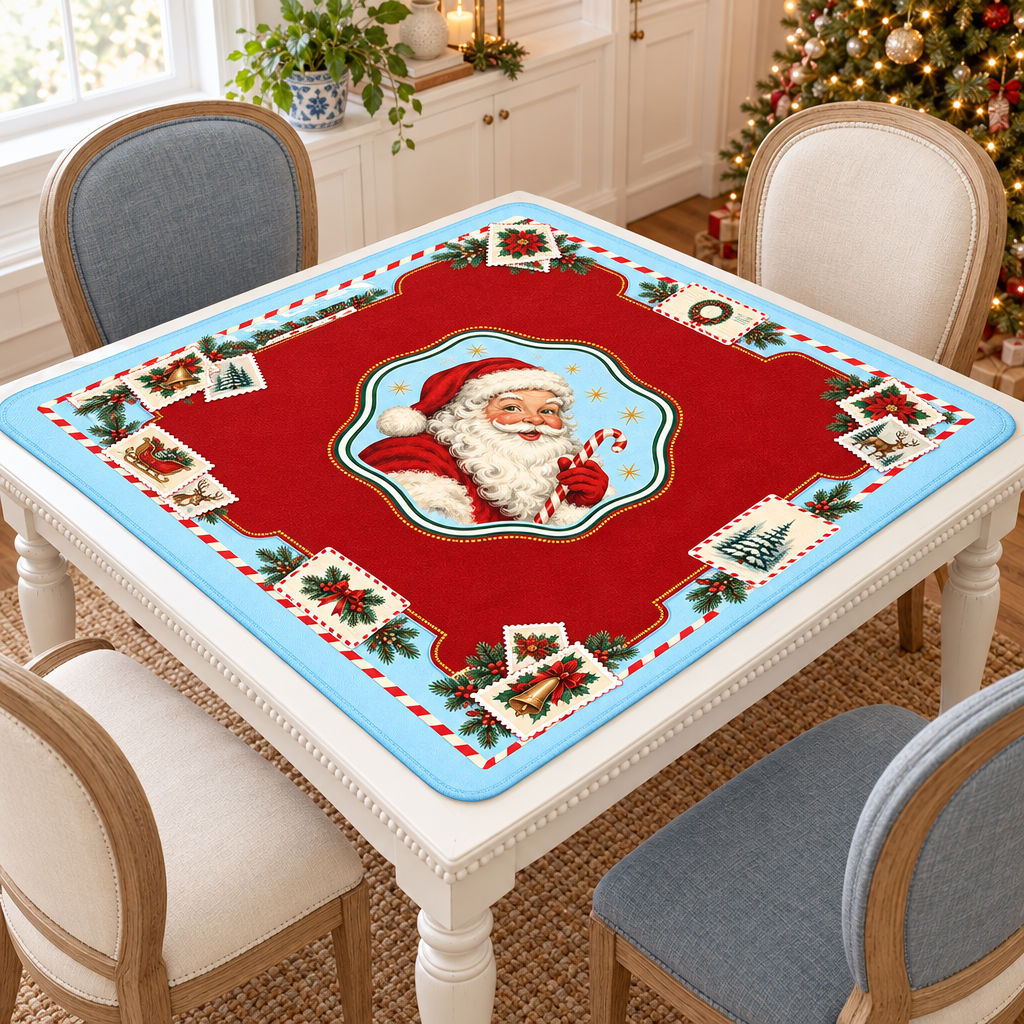
A Mother's Day mahjong party gathers players (typically 4, but 2–3 variants exist) for an afternoon or evening game session with a theme or special touch. Host it in your dining room, a rented community space, or outdoors with a portable mat and shelter. Plan 2–4 hours for socializing, the tile-passing Charleston ritual, and 4–8 hands of play. You'll need one 160-tile American mahjong set (152 playing tiles plus spares), a mat to protect the table, a current-year National Mah Jongg League card, and player racks if desired. Avoid hosting without the year's official card—hands won't match. Keep snacks light and away from tiles. Mahstead offers engraved sets and mats designed for hosting, with free US shipping. 🀄 Shop best-selling mahjong sets →
Why a Mother's Day mahjong party beats brunch
Most Mother's Day events center on a single activity—a meal, a show, a hike. Mahjong is different: it's a game where moms sit, talk, strategize, and laugh for hours without anyone worrying about time. Four players, one table, no phones. The game itself becomes the event. Whether your mom has played for 30 years or is curious for the first time, mahjong brings generations together in a way that doesn't demand conversation about other topics. It's competitive enough to stay sharp, social enough to stay fun, and flexible enough to pause for a late lunch or prosecco toast mid-round.
What's the actual setup—tiles, mat, and space?
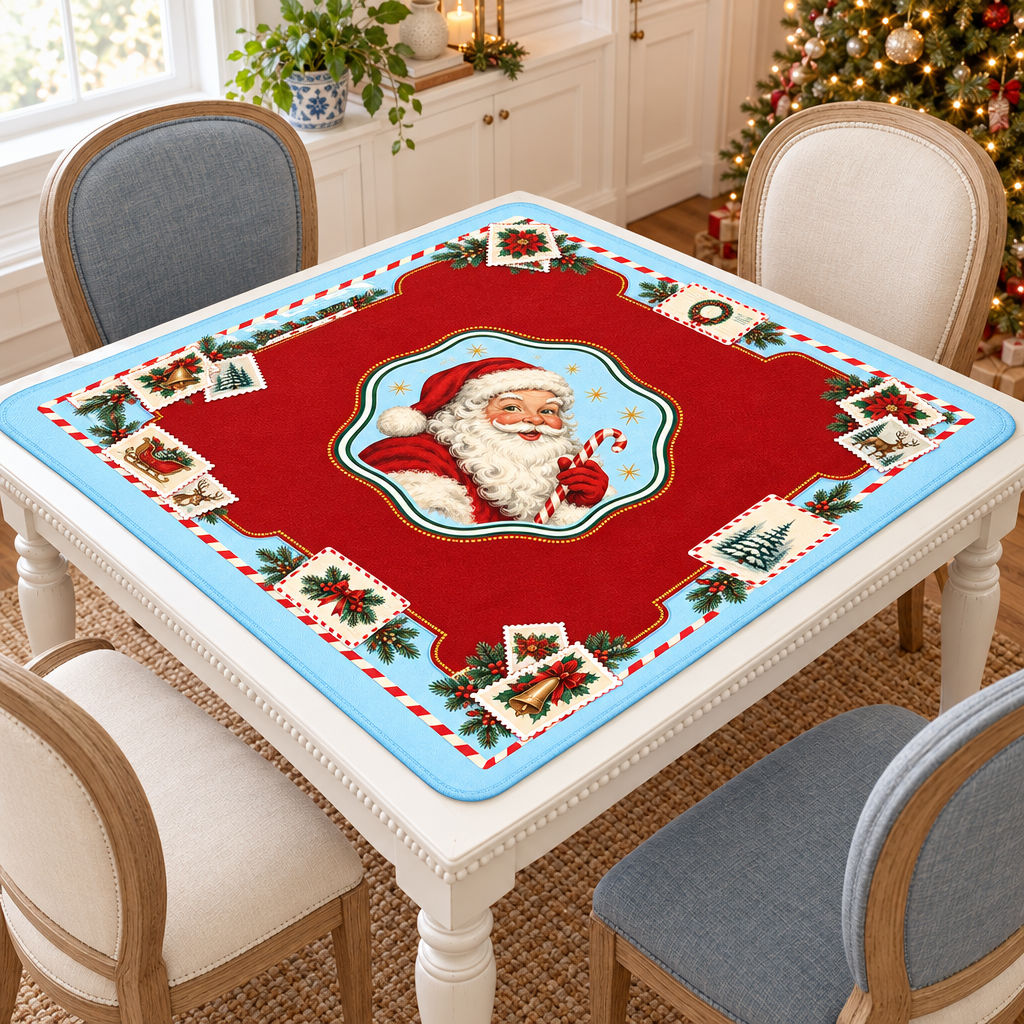
You'll need a table (minimum 3 feet square for four players to sit comfortably), one 160-tile American mahjong set, a protective mat, racks if players want them, and space for each player to arrange their hand. A four-player game sits North, East, South, West around the table. The dealer (often Mama San on Mother's Day, by friendly tradition) sits East and throws the first tile. Before play begins, players exchange tiles in a ritual called the Charleston—passing left, right, and across three times. This takes 2–3 minutes and is part of the charm.
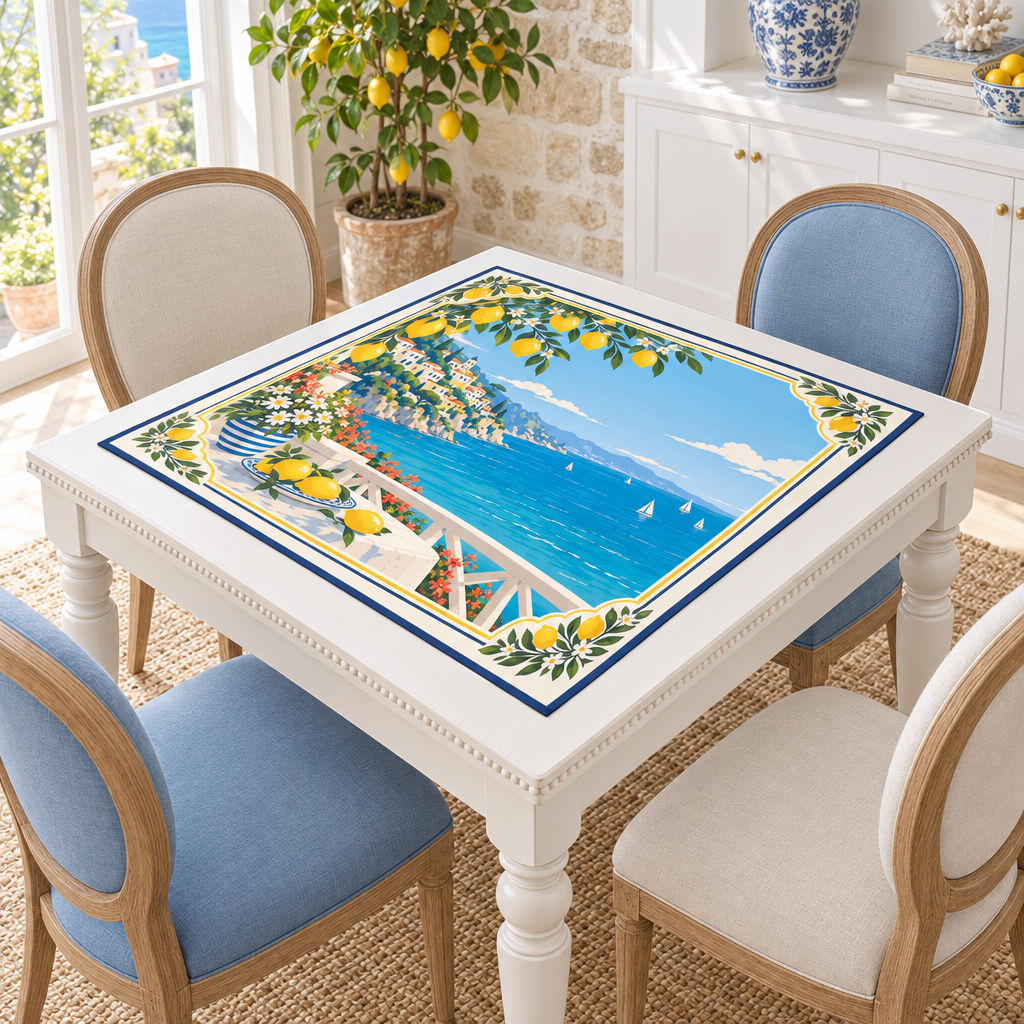
The mat protects your table and gives tiles a non-slip surface so they don't scatter. Mahjong mats come in various sizes and designs—some have pockets for racks, some have scoring lines printed on, some are just plain felt. Racks are optional but useful if players have wrist fatigue or prefer not to fan tiles in hand. A mahjong mat with built-in pockets for racks also keeps tiles organized during play.
How long does a Mother's Day game actually take?
One hand of American mahjong takes 10–20 minutes, depending on player speed and whether anyone wins early. A typical party hosts 4–6 hands in a 2-hour block, often with a break in the middle. Set aside time at the start for the Charleston (3 minutes), shuffling, and a quick rules primer if anyone's new. If Mama is teaching a beginner, add 15 minutes for setup questions. Total event time: 2.5–3 hours from arrival to cleanup. That's short enough to fit into a weekend morning or afternoon without derailing the whole day, and long enough to feel like a real celebration.
Should you theme the party, and if so, how?
A themed Mother's Day game adds joy without changing the rules. Consider these low-effort angles:
Color theme: Use a set or mat in Mom's favorite color—rose gold, teal, blush, or classic white. Serve matching snacks: rosé, rose-shaped cookies, or mints in small bowls.
Decade nostalgia: If your mom played mahjong in the '70s or '90s, lean into that era—vinyl records, retro nibbles, or a photo collage of past games she's been in.
Family legacy: If grandma taught mom to play, honor both by having grandma deal the first hand or sit as scorekeeper and storyteller.
Luck and flowers: Mahjong tiles include a flower suit (one per player in traditional hands). Tie fresh flowers to your mat legs or centerpiece, and call out the flower suits during play—it's a small nod that turns an ordinary hand into a Mother's Day moment.
The key: theme the experience, not the game. The tiles, card, and rules stay the same.
What gifts or special touches make it feel intentional?
If you're hosting for a mom who already owns a set, don't repeat the gift. Instead, consider:
Idea | Who It's For | Why It Works |
Engraved set or mat with her name/year | Long-time player; sentimental types | She'll remember this specific game every time she plays |
Mom who hosts or travels to games | Reduces setup stress; protects her investment | |
Fresh mahjong mats in a new design | Current player ready to refresh | Updates her table without buying a new set |
Mom with arthritis or hand fatigue | Comfort during long games = more fun | |
Scorecards, pencils, notebook | Any player | Practical; easy to personalize |
A gift paired with the party—e.g., a new mat for the day's game itself—signals that you know what she loves.
What's the most common hosting mistake, and how do you avoid it?
The biggest trap: forgetting the current year's National Mah Jongg League card. The card is issued every spring and changes annually. Hands from last year's card don't count and won't appear on this year's card—your mom will notice immediately and the game stalls. Order or download the 2026 card before the party. It costs very little and comes in laminated or digital form.
Second mistake: not enough tile shuffling. American mahjong uses 152 tiles (8 jokers, rest standard). If you rush shuffling, the same tiles end up in the same hands game after game—it feels repetitive. Shuffle hard for at least 60 seconds before each hand. Let players help mix them.
Third: ignoring the Charleston. Some new hosts skip it to save time. Don't. The Charleston is tradition and it randomizes the game fairly. It takes 3 minutes and players love it.
Comparison: Where to host and what works best
Venue | Pros | Cons | Setup Time |
Your dining room | Familiar, food nearby, cozy | Limited space for 4+ players | 15 min |
Community center/library | Professional, climate-controlled, rentable | Need to book ahead, sterile feel | 30 min |
Outdoor patio/garden | Beautiful setting, good light, fresh air | Weather-dependent, wind moves tiles, noise | 20 min + weather buffer |
Someone's den/game room | Dedicated space, fewer distractions | Host's home = hosting chores | 10 min |
Pick by priorities: Home for intimacy; center for legality and space; garden for Instagram-ability; den for zero-stress hosting.
How to read the current mahjong card and pick hands Mom will love
The 2026 National Mah Jongg League card lists hundreds of legal hands—3-tile groups (called melds) that count as a "win" when all 14 tiles match a card pattern exactly. American mahjong has no "any" hands; you must match the card. The card is organized by number of jokers, number of pairs, suit color, and pattern type (all one suit, mixed, flowers, etc.). A winning hand might be three pungs (3 identical tiles each) plus one pair—totaling 14 tiles, all from the same year's card.
Your role as host: have the card visible (laminated or printed). When someone declares a win, another player checks the card to confirm the hand is legal. You don't need to memorize the card; just keep it within arm's reach and be ready to look up a hand in seconds. Learning to read the card takes 10 minutes once you know the basics: suit names, suit colors, tile numbers, and how to scan rows.
What to check before you buy—or borrow—a set for the party
Before party day, confirm:
Tiles are complete: 152 tiles (3 suits × 1–9 × 4 copies each, plus 16 winds, 12 dragons, 8 flowers, 8 jokers). Count if you're uncertain. A 160-tile set includes spares and is standard for American play.
No tiles are missing, cracked, or faded: Damaged tiles create disputes. Check under good light.
The case/bag latches or zips securely: If you're transporting tiles, loose sets spill mid-trip and tiles mix with dust or lost pieces.
The current-year card is on hand: Old cards won't match hands from this year. Download or print the 2026 card now.
You have enough racks (or know players will fan tiles by hand): Not essential, but fewer interruptions mid-game if players don't have to adjust tiles constantly.
The mat doesn't slide on your table: Test the mat's grip. If it's slippery, place a rubber shelf liner underneath.
Party checklist: the week before and day-of
One week ahead:
Invite guests (4 is ideal; note that 2–3 player variants exist but use modified rules).
Download and print the 2026 National Mah Jongg League card (laminate if you have the option).
Check your mahjong set is complete and tiles are clean.
Test your mat on the table you'll use.
Two days before:
Plan snacks (light bites away from the table; drinks in spill-proof cups).
Pick a theme or special touch (color, flowers, music).
Assign roles if hosting with a co-host (one shuffles, one scores, one refreshes drinks).
Day of:
Set the table 30 minutes early: mat down, set nearby in its case, card visible, snacks placed safely.
Greet players 10 minutes early so everyone's seated before the first shuffle.
Shuffle tiles for 60+ seconds.
Lead the Charleston (left, right, across passes).
Sit as North, East, South, or West—dealer is East.
Announce hands clearly when someone calls a win.
🎁 See our most-loved mahjong sets & accessories →
Real host tips from weekly games
We've hosted dozens of mahjong parties and picked up a few habits that make a difference:
Assign a scorekeeper (not the dealer). Scoring takes focus and slows play if the dealer does it mid-hand. American mahjong scoring follows a specific table based on tile type and joker count—having one person track it keeps disputes to a minimum.
Use a timer for the Charleston if this is a mixed-experience group. Give each pass 30 seconds. New players often freeze mid-pass; a gentle timer keeps energy up.
Refresh the mat between hands. Wipe debris away. Tiles that stick or feel gritty change play feel.
Keep the card readable, not hidden. If players trust they can check it, they'll relax and trust the game. A laminated copy at the table centerpiece works best.
Play music softly in the background (jazz, easy classics, or indie lo-fi). It fills silence and adds mood without distracting from the game.
✨ Find your Mahstead set — free US shipping →

FAQ
Can I host a Mother's Day mahjong game with fewer than 4 players?
Yes—2 and 3 player variants exist, but they use modified rules and a different tile count. Four players follow standard American mahjong rules. If you're short a player, you can play three rounds rotating who sits out, or invite a fourth friend who's interested in learning.
Do I have to use the official National Mah Jongg League card, or can we make up our own hands?
In American mahjong, you must use the official year's card (2026 this year). The card is the rulebook. Hands not on the card don't count as wins. This is what separates American mahjong from Chinese or other variants—standardization. If guests want to play a looser, house-rule version, that's a different game and should be called out upfront.
My mom learned mahjong in Hong Kong and has always played with a different tile set and rules. Can we use her original set?
Not for American mahjong with the NMJL card. Hong Kong and Chinese mahjong use different sets (different tile counts and suits), different hands, and different rules—they're separate games. If your mom wants to play her native variant, that's a beautiful option and uses different tiles (not a 152-tile American set). If you want to play American mahjong with her as a guest, stick to the American set, card, and rules. Many multi-variant players enjoy both.
What's the minimum size table for four mahjong players, and can we play standing up?
Minimum 3 feet square (e.g., a card table); 4 feet square is more comfortable. Playing standing is possible but tiring—mahjong is a 2–3 hour game and players appreciate a chair. Standing games work for short, informal rounds only. A dining table or dedicated game table works best.
How do I prevent tiles from sliding around on my mat during play?
Check the mat's underside grip. If it's smooth, place a thin rubber shelf liner or yoga mat underneath. Also, avoid playing on freshly polished tables or glass—those surfaces are too slippery. Felt-topped or wooden tables work best with a good mat on top.
Can I personalize or engrave a mahjong set as a Mother's Day gift if the party is in a week?
Yes—Mahstead offers engraved sets with titles and designs. Check current timelines on the product pages for engraving turnaround. If time is very short, you may choose a pre-made set instead and plan a personalized gift for later, or buy a mat or racks and engrave those while the party uses a standard set.


View More
View More
View More
