
Mother's Day Mahjong Party Food: Menu & Setup Guide
Last updated: Nov 23, 2026
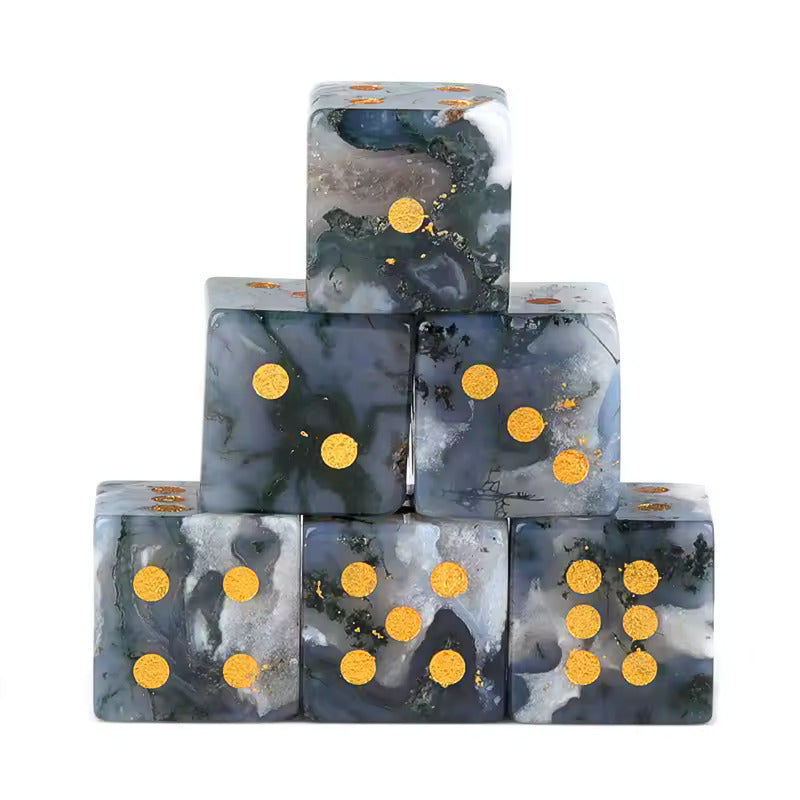
Serve Mother's Day mahjong food that's finger-friendly, low-mess, and doesn't require sitting away from the table: think cheese boards, nuts, fruit, mints, and drinks in closed cups with lids. Skip sauces, chocolate, greasy chips, and anything that demands two hands or leaves residue. A typical four-player game runs 2–4 hours, so plan for grazing, not a meal. Set up a separate food station 2–3 feet from the playing surface; assign one player to refresh platters during hands so nobody leaves tiles unguarded. The goal isn't Instagram perfection—it's keeping tiles dry, readable, and respectful of the game. Mahstead sets and mats come with decades of player wisdom baked in; protect them with smart snack choices and you'll host gatherings your guests want to join every year.
What foods pass the mahjong table safety test?
Serve foods that don't require sauce, utensils, or both hands to eat. Hard cheese cubes, almonds, pistachios, pretzels, cantaloupe chunks, grapes, berries, olives, and mints are all defensible choices. Avoid chocolate (melts on fingers, marks tiles), guacamole or hummus (you'll touch tiles with a wet finger), peanut butter (sticks to your hands and lingers), and anything fried in visible oil. A simple rule: if your fingers would be wet, slippery, or sticky after eating it, save it for the food station, not the table perimeter. Most of us who host weekly games keep a bowl of mixed nuts and a plate of cheese on a side table, not within arm's reach of the rack.

Should you serve a meal, or stick to snacks?
Snacks are the only honest answer for a 3–4 hour gathering. If your party overlaps lunch (noon–3 p.m.), offer sandwiches before play starts or after play ends—never during. Eating a sandwich or pasta while sitting at a mahjong table means either the food cools while you play, or the tiles get contaminated. One honest mistake we've seen: hosts who set out a full charcuterie board within arm's reach and watched guests wipe cured meat grease onto tiles before the third hand. The fix: designate one corner of the room as "the food zone" at least six feet from the table, and serve lighter options at the table—things people eat in under 30 seconds and forget about.
How do you set up drinks without destroying tiles?
Use cups with secure lids and handles, and place them on the floor or a separate side table—never the table surface or even a nearby shelf. Spillable drinks on or near a live game are a cost nobody wants to pay. We bring sealed sparkling water, iced tea in thermal cups, or wine in glasses with wide, stable bases set well back. If a player must drink during active play, a lidded tumbler with a straw is the only safe bet. Hot beverages belong in the kitchen; cold drinks with ice belong in spill-proof containers. This isn't overthinking—it's the difference between a memory and a disaster.
What's the timing and portion math for a 3–4 hour party?
Plan for 1 ounce of snacks per person per hour, refreshed between rounds. For four players over three hours, bring 12–16 ounces of mixed items: about a handful of cheese, a handful of nuts, a handful of dried fruit, and fresh grapes or berries. Refresh the plate after the first two hands (roughly 45 minutes), then again at the two-hour mark. Most casual players take a snack break when hands end, not during. Mints or gum afterwards cleanse the palate and give guests a natural pause before the next round. Don't overfill platters—small, neat dishes look intentional and are easier to tend without creating crumbs near the tiles.
Food type | Quantity (4 players, 3 hrs) | Timing | Why it works | Avoid |
Mixed nuts | 4 oz | Refill every 90 min | Portable, no grease trail | Hot or salted (sweaty hands) |
Cheese cubes | 4 oz | Start of game + midway | Low moisture, easy grab | Soft cheese (melts, stains) |
Fresh fruit | 4 oz | Continuous | Hydrating, natural sugar | Citrus (sticky fingers, acidic) |
Mints | 2 oz | After each hand | Refreshes breath, compact | None—these are safe |
Water/tea (lids) | 12–16 oz per player | Continuous in sealed cups | Hydration without risk | Open glasses (spill hazard) |
Crackers | 2 oz | Start + midway | Substantial without mess | Greasy or powdery coatings |
Why do mothers especially appreciate a low-stress mahjong party?
Mother's Day gatherings often come with unspoken pressure to make everything perfect. A mahjong game flips that—the focus is on play and people, not on plating or presentation. Mothers who host games get to set the tone: casual, no apologies, no cleanup during play. The food isn't the star; the tiles and conversation are. Many of the mothers we know who play mahjong say they prefer a Mother's Day invite to a restaurant reservation because they control the pace, choose the company, and get to win money (or bragging rights) instead of just being served. Smart Mother's Day hosts lean into this: keep food simple, keep the game the center, and you've given a gift nobody else is offering.
✨ Find your Mahstead set — free US shipping →

What about themed or decorative food for a Mother's Day vibe?
You don't need to overdo it. A small bouquet of flowers on the food station, cloth napkins in a spring color, and a printed sign ("Help yourself—hands stay clean!") signal care without eating into your prep time. Skip elaborate charcuterie art or pastel macarons unless food styling is your hobby; hosts who spend three hours on a cheese board often find guests barely touch it because they're focused on the game. If you want a Mother's Day feel, use your best-selling mahjong sets as part of the décor—an engraved or spring-colored set on display before play starts sets a celebratory tone with zero effort. Many of our customers choose sets with titles or designs that reflect the occasion, turning the game itself into the centerpiece.
🀄 Shop best-selling mahjong sets →
What to check before you buy or prep food
Arrival time: Prep foods with short shelf lives (cheese, fruit) 30–60 minutes before guests arrive; nuts and crackers can sit out longer.
Hand-wash station: Set out a small bowl of water with lemon or wet wipes near the food table so guests can clean their hands between snacks and tiles.
Tile-specific risk: Before the game, remind players (especially those new to hosting): "Food station is over there; tiles stay over here." One sentence saves spills.
Backup napkins: Keep a roll of paper towels hidden under the table, not on display—for honest accidents, not daily use.
Seasonal trust: Mother's Day is spring in most of North America; fresh berries, asparagus-wrapped prosciutto (if you must), and light salads work better than heavy dips.
Why does the mat and rack setup matter for food safety?
The right gear sets clear boundaries. A dedicated mahjong mat defines the play zone, and racks with pushers keep tiles upright and off the surface where spills land first. If tiles sit loose on a bare table, one dropped grape or splash of water damages the whole row. When you invest in proper equipment, you're also signaling to guests: "This space is intentional; treat it with care." Many of us who host regularly use Mahstead mats and racks specifically because they're durable enough to handle real parties—not just photo sessions—and can actually be cleaned after an event. Your food setup should protect your equipment, not fight it.
🎁 See our most-loved mahjong sets & accessories →
A simple Mother's Day mahjong menu checklist
[ ] 2–3 days before: Buy sealed nuts, dried fruit, crackers (shelf-stable items).
[ ] Day before: Buy fresh cheese, grapes, berries; store in the fridge.
[ ] Morning of: Cube cheese, arrange fruit on a plate with paper towels nearby; keep in the fridge.
[ ] 1 hour before: Set out one small snack plate; keep the rest in the kitchen.
[ ] During play: Refresh snacks after the second and fourth hands.
[ ] After play: Offer mints or tea; move food plates away from the tile zone.
[ ] Post-game: Wipe down the mat with a slightly damp cloth; store tiles in their case.
This takes maybe 30 minutes of actual work spread across two days. The rest is just hosting—which is what Mother's Day is really about.

FAQ
Can you serve chocolate-covered almonds or berries at a mahjong table?
No. Chocolate melts on fingers even in room temperature and transfers to tiles immediately, often leaving permanent marks. Save chocolate treats for after the game ends and guests step away from the table.
What if someone spills a drink on the tiles during play?
Stop the game, blot tiles with a soft cloth, and let them air-dry. American acrylic tiles are water-resistant but not waterproof; water can seep into the etching. Wipe gently, never rub. Keep the game paused for 10 minutes if needed—it's faster than replacing damaged tiles.
Should you provide hand sanitizer between hands?
Better to use wet wipes or a small bowl of lemon water. Hand sanitizer leaves a residue that transfers to tiles and can make them slippery. Guests naturally wash hands when taking a bathroom break; no need to interrupt play.
Can you serve hummus, guacamole, or other dips?
Not within arm's reach of the table. Dips require two hands (one holding a chip, one with the dip), and fingers inevitably touch tiles afterward. If you want to serve these, place them on the food station at least six feet away and only during designated snack breaks.
Is it rude to remind guests not to eat near the tiles?
Not at all. One casual line before play—"Food station is over there; tiles stay dry here"—prevents 90% of accidents and shows you respect the game. Most players appreciate the clarity and follow it without a second thought.
What's the best drink option for a mahjong player?
Sealed water or tea in a lid-and-handle cup, placed on the floor or a side table, never on the playing surface. Avoid sugary drinks (sticky residue on hands) and hot beverages (steam can warp tiles if spilled nearby). Cold drinks in thermal or insulated cups are safest.


View More
View More
View More
