
Book Club Mahjong Tablescape: Host Guide & Setup
Last updated: Nov 23, 2026
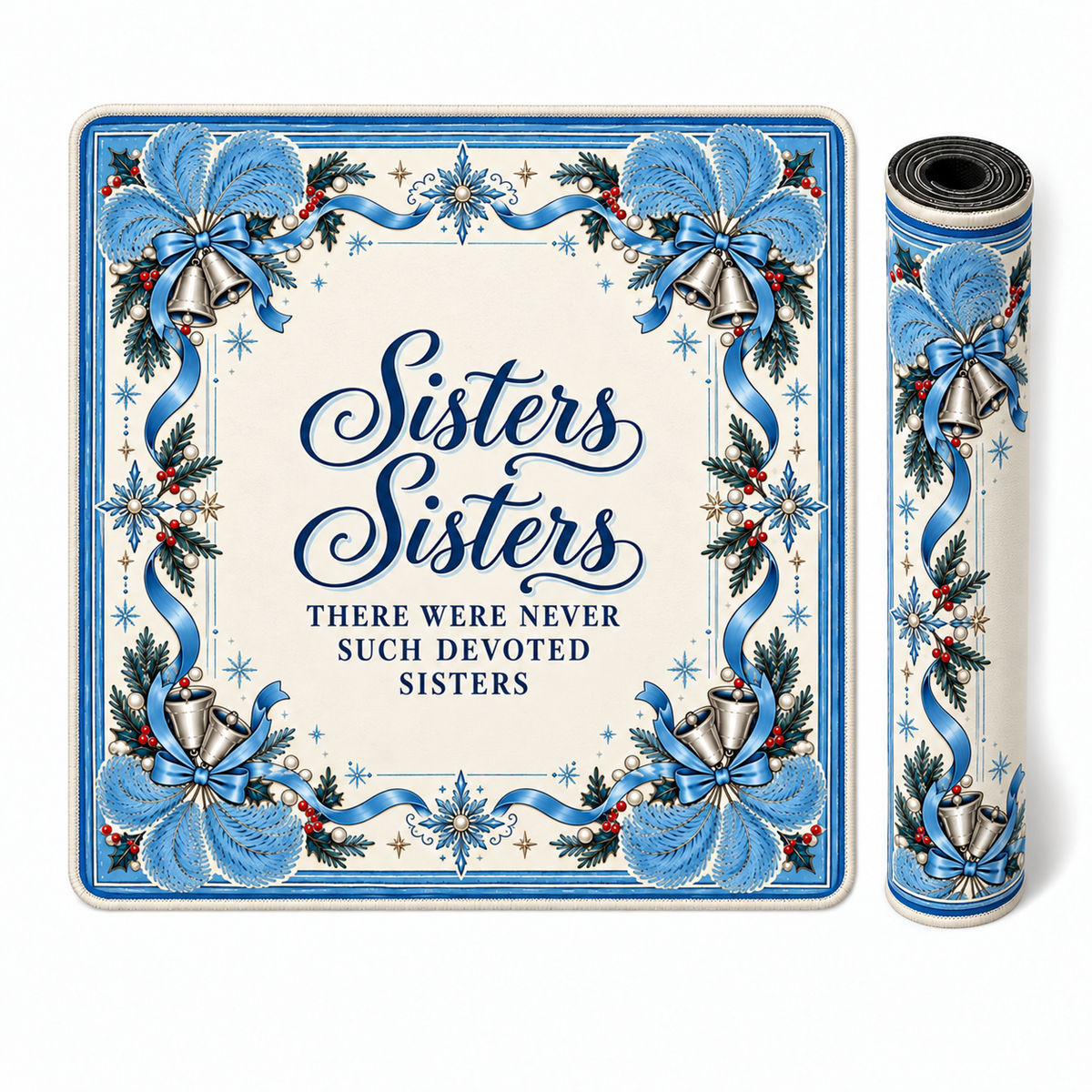
A book club mahjong tablescape is the deliberate arrangement of tiles, racks, lighting, and seating that turns a dining or game table into an inviting play space. Unlike casual home play, a book club setting requires clear sightlines for four players, easy tile access, and a mat or surface that protects furniture and signals "this is the game zone." You'll need a quality mahjong set (152 tiles plus jokers), racks with pushers for each player, a protective mat, and good overhead or directional lighting. Setup takes 10–15 minutes; most book clubs play weekly, rotating hosts. Mahstead's best-selling mahjong sets include acrylic tiles sized for visibility and grip, with matching racks and mats that fit standard tables without bulk.
What tiles and layout work best for book club play?
Book club players see tiles more closely than tournament players—from 12–18 inches away. Acrylic tiles with crisp engraving outperform plastic or bamboo in this setting because the text reads instantly and light refracts through the tile face. Arrange the tile wall in the center of a square table (four players, one per side) or in a slightly offset rectangle on a longer table. Leave 2–3 inches between the wall and each player's rack so no one leans or cranes. Position flower and wind tiles faceup to one side; jokers visible but separate. This layout keeps the game compact, the flow obvious, and conversation natural—no one is hunting for a tile or squinting at their neighbor's hand.
Do you really need a mat, or just a tablecloth?
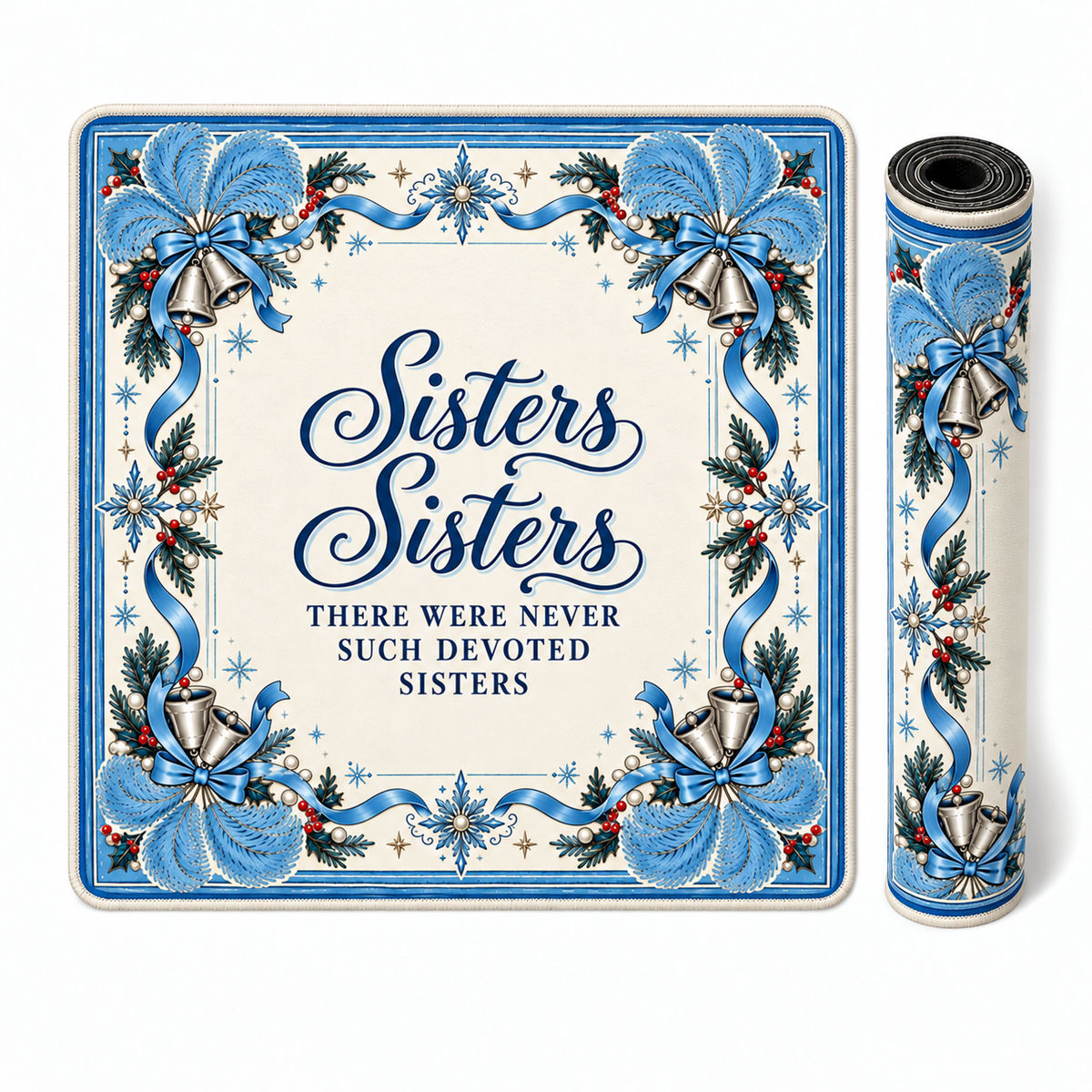
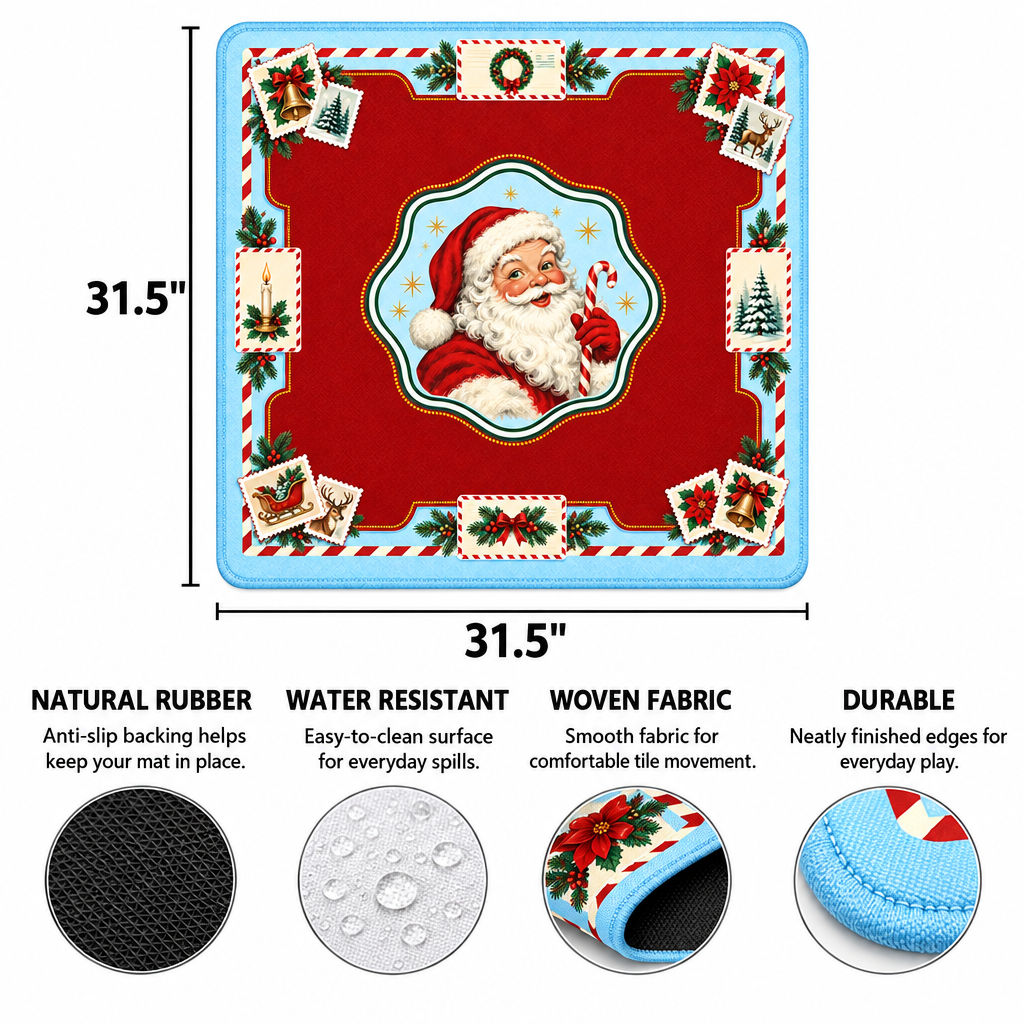
A mat does two things a tablecloth doesn't: it defines the boundary of the game and protects the host's table from scratches. A tablecloth slides under tile movement; a dedicated mahjong mat anchors the wall and tiles in place. For book clubs that rotate hosts, a quality mahjong mat is essential because hosts have different furniture. A 36"×36" or 40"×40" mat fits most card tables and provides edge borders that guide play without fussing. If you're the only regular host, a cloth works if you're willing to reset tiles between rounds. Most book clubs choose a mat because it works on any surface and signals professionalism—the game is the focus, not the risk to your dining table.
How do racks and pushers change the table feel?
Racks with pushers transform how players hold and reveal tiles. Without pushers, hands look chaotic and tile selection is slower. With pushers, each player arranges tiles in a clean vertical line; pushers move tiles down to reveal the next one, keeping hands tidy and the game rhythm steady. In a book club setting, racks signal experience and comfort—new players see them and understand structure immediately. Racks also prevent tile-knocking accidents. Set racks slightly angled toward each player (about 15 degrees off vertical) so everyone can read their own tiles without twisting. This small detail cuts decision time and keeps the table calm. Many book clubs buy four matching racks as a shared investment, rotating them through hosts.
What lighting and seating arrangement keeps everyone comfortable?
Overhead ceiling lights create shadows across the tile wall; directional lighting works better. A desk lamp, a track light, or even a LED strip on a nearby shelf angled at 45 degrees over the center of the table eliminates glare and makes tile pips and characters pop. Seat players on level chairs (four matching chairs or a bench + three chairs) rather than mixing high and low seating—tile walls are hard to read from above or below. Book clubs that meet at coffee shops or libraries sometimes use portable mat clips to anchor mats to uneven surfaces. If hosting at home, a dedicated game table (even a card table, not a formal dining table) signals to guests that this is a focused, respectful space. Comfort matters: players sitting for 2–3 hours need good back support and room to shift weight.
How do accessories and extras set a welcoming tone?
Beyond tiles and racks, small touches make hosting feel intentional. A set of dice in a small bowl, a printed current-year NMJL card at the table, a scoresheet holder, and a timer (many use phones) tell players the host takes the game seriously. Offering water, a snack tray, and clear house rules (e.g., "we play Charleston on Wednesdays, not Mondays") removes friction. Book clubs that meet regularly often invest in a matching mahjong bag or case to store and transport the set between hosts—this protects tiles and creates ritual around setup. Some groups engrave their set with the club name or year, which deepens ownership and connection. The tablescape isn't just visual; it's a system that says "we do this together, week after week."
🀄 Shop best-selling mahjong sets →
Real-world hosting checklist: what to verify before game day
Item | Check | Why It Matters |
Tile count | All 152 tiles + jokers present | Missing tiles crash hands mid-game |
Rack condition | Pushers move smoothly, no cracks | Stuck pushers break play rhythm |
Mat surface | No wrinkles, edges flat | Wrinkles tilt tile wall, break flow |
Lighting | No shadows on tile wall, readable pips | Glare slows play, causes misreads |
Table height | 28–30 inches, elbows at 90° when seated | Too low causes shoulder strain |
Seating | Four matching-height chairs, 24–30" seat height | Uneven seats make tile wall hard to see |
Dice | Clean, marked 1–6 visibly | Unclear dice cause argument at wall-build |
Card holder | Current year NMJL card visible to all | Old cards cause hand mismatches |
✨ Find your Mahstead set — free US shipping →
What to check before you buy or host
Set quality. If buying for a book club, choose tiles that are easy to read—engraved characters, not stamped paint. Paint wears off; engraving lasts years of weekly play.
Rack compatibility. Not all racks fit all sets. Check that your tiles fit snugly in pushers (should not rattle or fall out under gentle shaking).
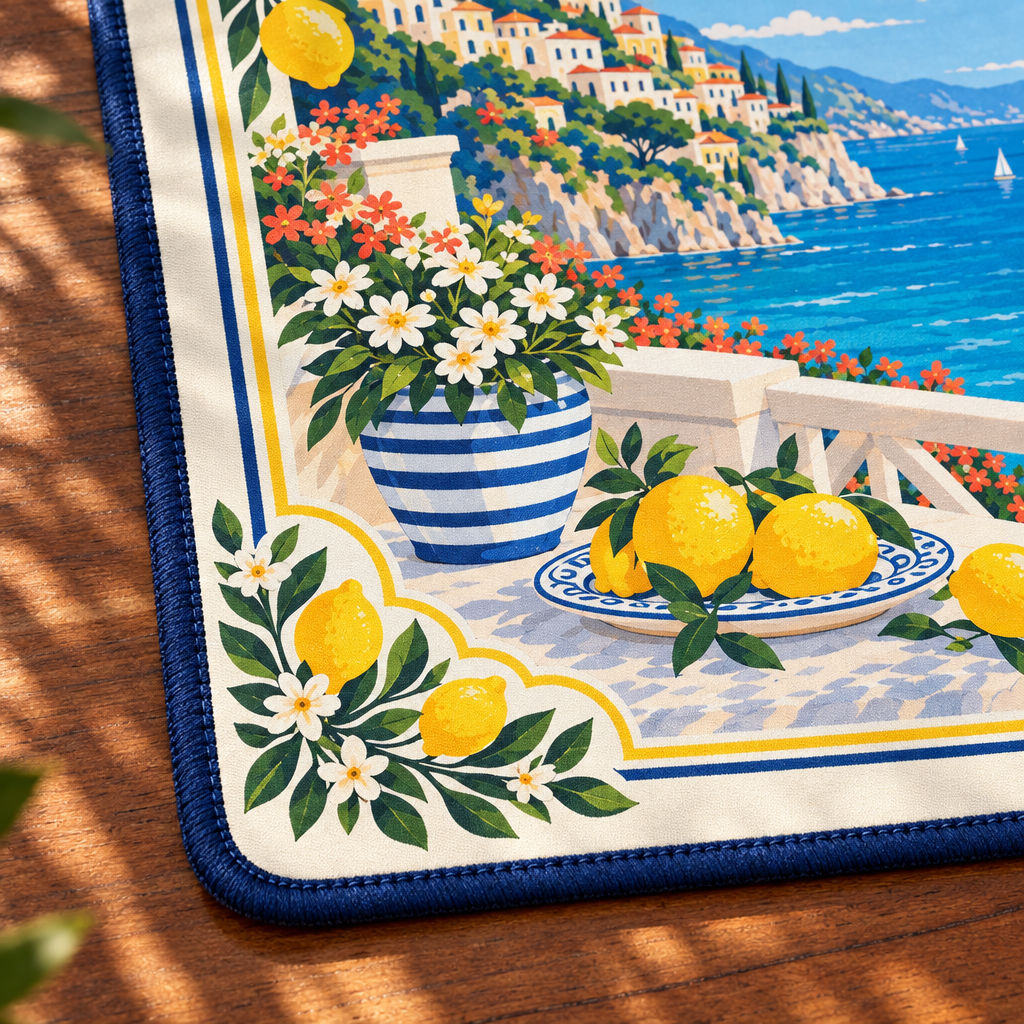
Mat durability. Look for mats with reinforced edges and non-slip backing. Mats that slide become safety hazards and break the game mood.
Storage. A book club set lives in transit. A mat, tiles, racks, and dice in a proper case or bag keeps everything together and ready. Loose storage leads to lost tiles or damaged racks.
Lighting flexibility. If you rotate hosts, bring a small portable light or request the host set up one lamp pointed at the center. Email hosts the checklist above one week before.
🎁 See our most-loved mahjong sets & accessories →
FAQ
What size mahjong mat works for a book club table?
A 36"×36" or 40"×40" mat fits most card or dining tables and accommodates four players plus a centered tile wall. Check your table dimensions before buying; a mat that overhangs edges can create tripping hazards in a rotating-host setting.
Can we use a folding card table for book club mahjong?
Yes. A card table at 28–30 inches height works well. Pair it with a quality mat (which anchors tiles and protects the table surface) and four matching chairs. Folding tables are ideal for rotating hosts because they're portable and neutral.
How do racks with pushers save time during book club play?
Pushers reveal tiles one at a time, eliminating hand shuffling and reducing tile-reading errors. Players decide faster, rounds move steadily, and tile presentation looks professional—all of which keep the social flow smooth and the game rhythm consistent.
Should our book club set be engraved with our club name?
Engraving is optional but builds identity and ownership. If the group shares one set and rotates hosts, engraving signals permanent commitment and prevents confusion with members' personal sets. Request engraving when purchasing from Mahstead's titled collections.
What lighting setup works best in a coffee shop or public venue?
Overhead venue lights often create shadows. Bring a battery-powered LED strip or clip-on desk lamp angled at 45 degrees toward the tile wall. Test it on arrival and adjust positioning before play starts. Avoid bare overhead spots; aim for angled, warm light (2700–3000K color temperature).
How do we transport a mahjong set between four rotating hosts?
Use a dedicated mahjong bag or case that holds tiles, racks, mat, and dice in one package. Each host receives the bag the night before, sets up, plays, packs, and passes it to the next host. This system prevents lost tiles and reduces setup confusion.


View More
View More
View More
