
Modern Mahjong Dice: Types, Quality, and What to Buy
Last updated: Nov 23, 2026
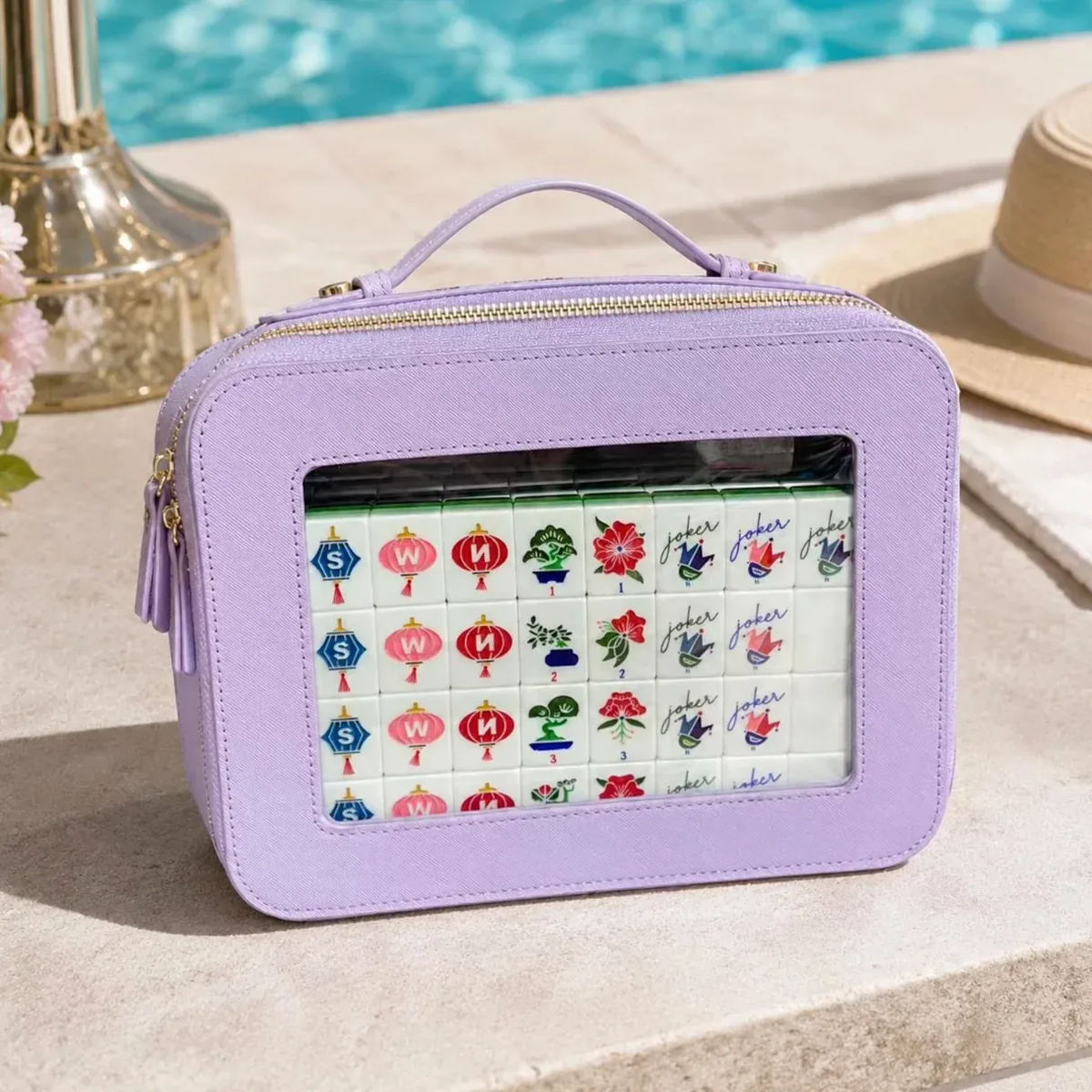
Modern mahjong dice come in three main types: traditional bone and bamboo (authentic, fragile), acrylic (durable, affordable, widely available), and resin-cast (decorative, middle-ground). A standard American mahjong game uses exactly one pair of dice—two six-sided cubes—to set the seating and break point. Acrylic dice, sold as part of complete best-selling mahjong sets, last years of weekly play without chipping; they're also easiest to engrave with house initials or mottos. Bone dice cost more, yellow with age, and can crack if dropped on hard tables. Most buyers starting out choose acrylic: it's impact-proof, reads clearly under any light, and integrates seamlessly with acrylic tile sets. Check that dice are precisely 16mm (5/8 inch) cubes—smaller dice roll unpredictably, larger ones won't nestle properly in standard racks. If you host frequently, buy a spare pair; if you travel, keep dice in a padded case with your tiles. 🀄 Shop best-selling mahjong sets →
Why does dice choice matter for your game?
Dice seem simple, but a bad pair breaks the ritual and stalls the table. If dice are too light, they don't roll far enough; if chipped, they snag on felt or wood. We've all seen a set of bone cubes yellow to mustard color after five years, or watched acrylic ones stay crisp through a decade of weekly games. The right dice sit in your racks, roll cleanly across your mat, and never distract from play—they simply work. For serious players hosting the same group every week, consistency matters: standardized size and weight means no one questions the throw. Acrylic dice also pair perfectly with engraved American mahjong sets if you're gifting or building a house collection.
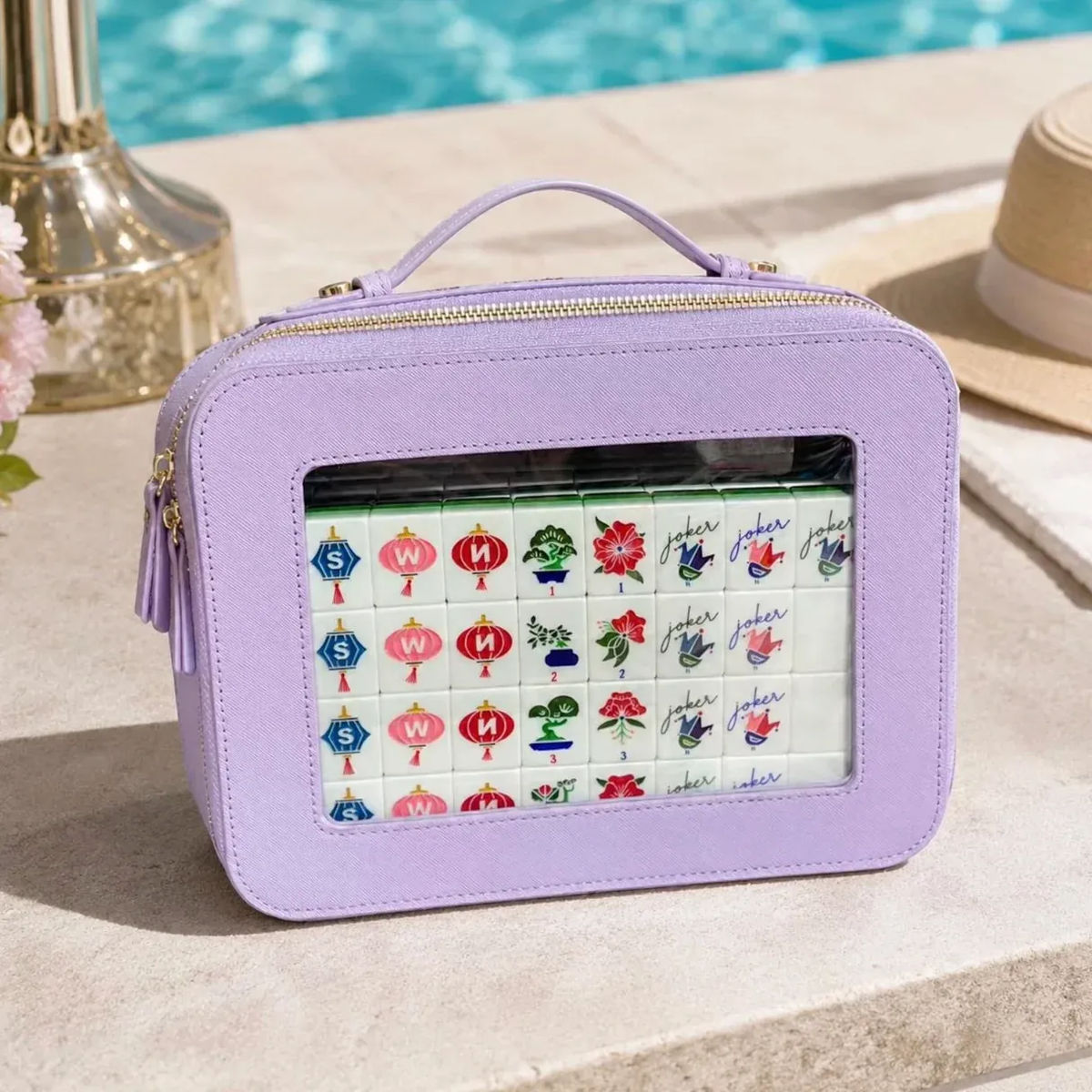
What are the real differences between bone, acrylic, and resin dice?
Bone dice are hand-carved, cream-colored, and traditionally prized by collectors. They age beautifully but chip easily and absorb humidity, warping slightly over years. Cost runs high and replacement is difficult. Acrylic dice are injection-molded plastic, available in clear, frosted, or solid opaque colors. They're impact-resistant, dishwasher-safe, and hold precision tolerances—all six sides perfectly true. Most can be engraved. Cost is low; replacement stock is endless. Resin-cast dice sit between: hand-poured, unique patterns or swirls, decorative, but slower to produce and typically more expensive than acrylic. They're less likely than bone to shatter but more fragile than acrylic. For weekly play, acrylic wins on durability and value. For museum-quality collections, bone. For gifts or novelty games, resin offers personality.
🎁 See our most-loved mahjong sets & accessories →
How do you pick dice that work with your mat and racks?
Dice must be 16mm (5/8 inch) cubes—this is the American standard, not negotiable. Before ordering, measure your mahjong racks with pushers: the dice well should be a snug fit. Clear acrylic or light-colored dice show pips (the dots, numbered 1–6) most clearly under overhead or table lighting. If your mat is dark felt, frosted or opaque acrylic dice contrast better than transparent ones. If you host on a glossy dining table, matte finishes prevent glare. Check the set listing or contact the seller to confirm dimensions before checkout—a pair that's even 2mm off will roll around inside the rack pocket instead of sitting flush. We've learned this the hard way: a mismatched dice set looks amateur and invites doubt during the throw.
What's the cost and value breakdown for different dice?
Type | Durability (years) | Typical use | Engravable? | Best for |
Bone | 5–10 (if careful) | Collectors, museums | Rarely | Heritage sets, display |
Acrylic | 10–20+ | Weekly players | Yes | Complete sets, clubs, gifts |
Resin-cast | 7–12 | Casual, décor | Sometimes | Novel themes, one-off sets |
Acrylic offers the best return on investment for regular play: buy once, replace almost never. Bone costs more upfront but requires replacement insurance and careful storage. Resin bridges aesthetics and durability if you want dice that photograph well and survive normal handling. Most players bundling dice with a full set choose acrylic because the best-selling mahjong sets already integrate them—you're not mixing mismatched materials. If you buy dice separately, confirm they're pre-scored (pips already printed or engraved, not hand-painted), which resists wear.

What should you check before ordering modern mahjong dice?
Before you buy:
Size: Confirm 16mm cubes. Measure against a ruler if the listing doesn't state dimensions.
Material: Acrylic for durability and ease of care; bone only if you'll shelter them; resin if aesthetics are your priority.
Finish: Matte (no glare, reads well on glossy tables); frosted or opaque (best contrast on dark mats); clear (elegant, needs good lighting).
Pips: Ensure pips are scored or deeply engraved, not painted on. Paint wears off after 50 plays.
Fit: Check that the dice nestle snugly in your mahjong racks with pushers—no rattling.
Spare pair: If you host weekly, buy or ask the seller to hold a replacement pair. Dice get lost, stepped on, or left at someone else's house.
Matching set: Verify both cubes are identical in color and weight. Mismatched dice are unfair and taboo.
Red flag: If the listing says "one die" or shows a single cube, you're getting half a pair. American mahjong always needs two. If the seller offers "decorative" dice without confirming they're actual 16mm cubes, they may be ornamental toys that don't roll predictably.
Are custom-engraved dice worth the investment?
Yes, if you host the same group regularly or gift to a serious player. Engraving adds initials, a house name, or a year—personalizing without changing function. Acrylic takes engraving cleanly because laser or hand tools cut through the material crisply. The pips remain visible and the dice perform identically to un-engraved pairs. Cost is typically modest; see current price on the product page. Engraved dice make a gift memorable and mark ownership—no mix-up at the end of the night. If your group rotates between houses, engraved dice signal "these stay with the set," preventing loss. Bone dice rarely take engraving well because the material is fragile and hand-carved pips are already intricate. Resin can be engraved pre-pour (custom swirls and text embedded) or post-pour (surface etching), though results vary.
✨ Find your Mahstead set — free US shipping →
How do modern dice fit into a complete mahjong setup?
Dice are one component of a full game, sitting in your racks until the dealer is ready to throw. They're stored in the same mahjong bags and cases as your tiles and mat. A well-designed set coordinates: if your tiles are acrylic, acrylic dice match; if your tiles come engraved with house branding, engraved dice complete the look. We've noticed that players who invest in quality mahjong mats and racks often buy coordinated dice—the whole table feels intentional and professional. Dice aren't an afterthought; they're part of the ritual and atmosphere. New players don't think much about them until they inherit a worn set from a predecessor, then suddenly the difference is clear. If you're building your first best-selling mahjong sets collection, check that dice are included and acrylic. If you're upgrading, buy replacements that match your existing tiles in color and finish.

FAQ
Can I use standard gaming dice instead of mahjong dice?
No. Standard gaming dice are usually 16mm but lighter and unweighted for fair rolling. Mahjong dice must be precisely balanced and scored so pips don't fade. Standard gaming dice also don't nest properly in mahjong racks.
Do I need two pairs of dice or just one?
American mahjong uses exactly one pair (two dice) per game. You throw them once at the start to seat players, then they stay in the rack for the break point during play. A spare pair is smart for backups.
What happens if one die cracks or gets lost?
You'll need to replace the pair because matching is critical—mismatched dice (different weight, size, or color) make the throw unfair. That's why buying a spare pair upfront is a wise habit.
Can I engrave dice on my own, or does the seller need to do it?
Acrylic dice can be hand-engraved with a rotary tool or laser, but precision is hard without equipment. Professional engraving (offered at purchase) ensures clean, even lettering and uniform depth. DIY risks uneven lines that catch light unevenly.
Should I keep dice in a special case or just with the tiles?
Dice are usually stored in the same mahjong bags and cases as tiles. They don't need separate housing, but keeping them in a padded pocket prevents them from rattling loose or being stepped on during transport.
How do I know if my dice are the right size?
Measure: both cubes should be exactly 16mm (5/8 inch) on each side. Use a ruler or calipers. If they're 15mm or 17mm, they'll fit loose in racks and roll unpredictably when thrown.
Are frosted or clear acrylic dice better for reading pips?
Frosted acrylic offers the best readability: pips show clearly under any lighting and don't create glare on glossy tables. Clear acrylic is elegant but requires good overhead light. Personal preference, but frosted is practical for serious play.
What's the lifespan of acrylic versus bone dice?
Acrylic dice last 10–20+ years of weekly play with zero maintenance. Bone lasts 5–10 years if handled carefully and stored in humidity control; they yellow and may crack from temperature swings or drops.


View More
View More
View More
