
Melamine vs. Resin Mahjong Tiles: Which Should You Buy?
Last updated: Nov 23, 2026
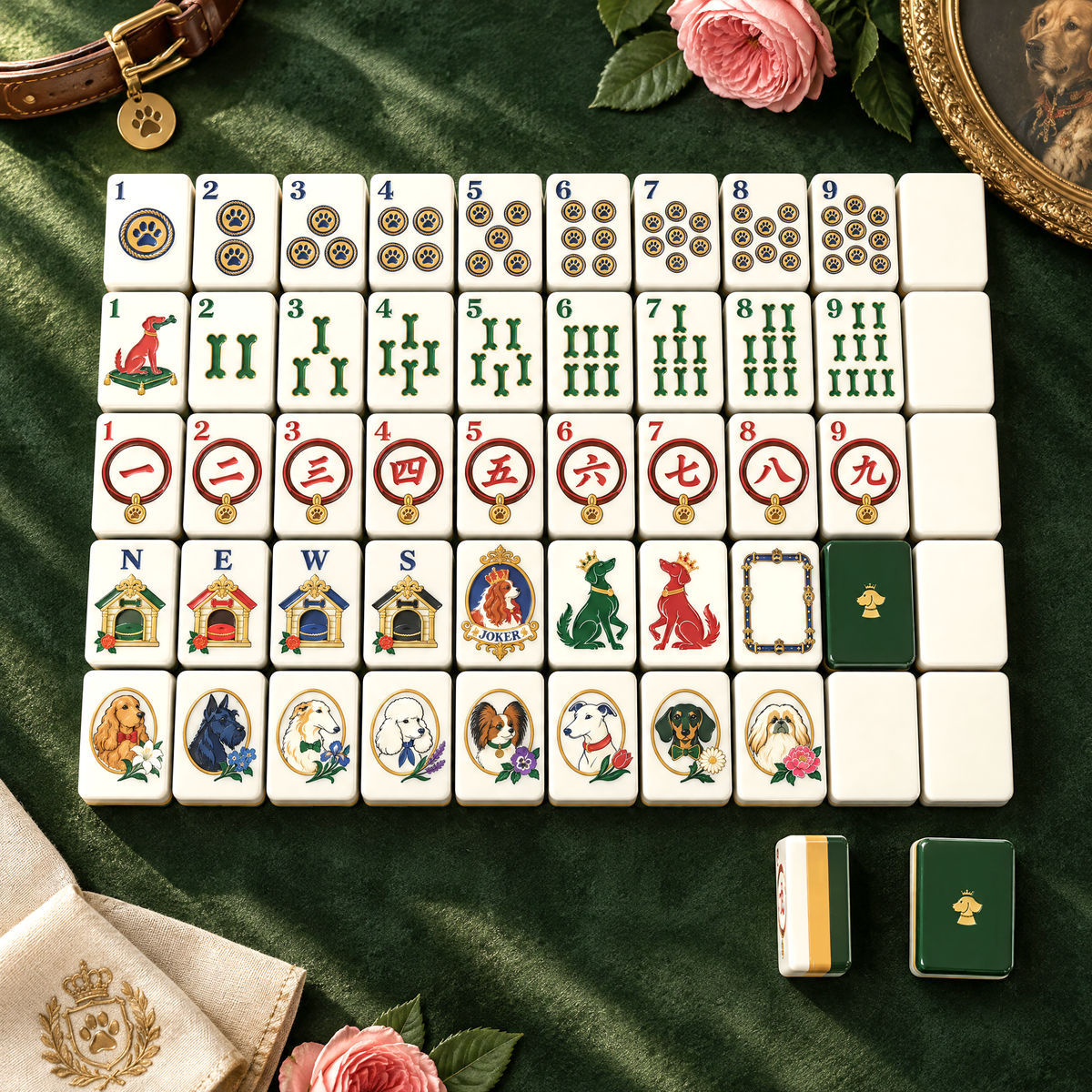
Melamine tiles are lightweight, durable plastic with a smooth matte finish and bright printed graphics; they're the most affordable option and ideal for casual weekly games. Resin tiles are heavier, glossier, and more substantial in hand, with better sound and longer lifespan under constant shuffling; they cost more but are worth it for serious players or frequent hosting. Melamine works best if you play casually, travel often, or want to test the game before investing heavily; resin suits daily players, tournament preparation, or those who value authentic feel and sound. At Mahstead, we offer both materials in our best-selling mahjong sets, so you can choose based on your table frequency and personal preference rather than guessing.
What's the real difference in how they feel?
Melamine tiles feel slightly hollow and lighter; when you draw or discard, they make a dry, quiet click or tap sound. Resin tiles are denser and thicker, producing a deeper, more resonant clack—the sound many experienced players associate with real tile play. Resin tiles also have a slight gloss that catches light, while melamine stays matte. In your hand, resin feels more substantial and "official," while melamine feels more like plastic game pieces. Neither is objectively wrong—it depends whether you prioritize authenticity and sound or portability and cost. Most casual players enjoy melamine; daily players often graduate to resin after a season or two.

How long do each material's graphics last?
Melamine tiles use direct-printed graphics sealed with a protective topcoat; if you play weekly, they'll stay crisp for 2–3 years before light fading or wear shows at the edges. Resin tiles typically hold graphics longer (3–5+ years of regular play) because the heavier material resists shuffling friction better. Neither material chips easily if handled normally, but melamine can show wear sooner if tiles are stacked carelessly or shuffled roughly every session. Resin's extra durability matters if you host games weekly or teach others; the tiles stay readable and looking sharp longer. For occasional play, melamine graphics stay vibrant through many seasons without visible degradation.
Which material shuffles and moves better on the mat?
Melamine tiles glide smoothly across mahjong mats due to their slick plastic surface and light weight; they require minimal hand strength to push and shuffle. Resin tiles have more friction against a mat and need a firmer push, but many players prefer this because it gives them finer control during the Wall and Charleston. If you have hand strength issues or prefer effortless shuffling, melamine is better. If you like deliberate, controlled movement and appreciate the tactile feedback, resin is the play. Both work well with our mahjong mats—the mat type matters less than tile material for shuffling ease.
What's the weight and portability trade-off?
A 152-tile melamine set weighs roughly 1.5–2 lbs and fits easily into a standard tote; resin sets weigh 2.5–3.5 lbs and require more bag space. If you travel to different homes for games, carry your set weekly, or host in apartments with limited storage, melamine's lightness is a real advantage. Resin's heft becomes a burden only if you move your set regularly; if it lives on your table, weight is irrelevant. Many players keep melamine at home and a travel-friendly melamine set in their car or bag for spontaneous games. Our mahjong bags and cases are designed to handle both weights comfortably, so portability depends more on your game schedule than the container.

Comparison: melamine vs. resin at a glance
Factor | Melamine | Resin |
Sound | Dry, light click | Deep, resonant clack |
Feel | Light, hollow, matte finish | Substantial, glossy, premium |
Durability (graphics) | 2–3 years casual; fades sooner | 3–5+ years; holds crisp longer |
Shuffling ease | Glides effortlessly | Requires firmer push; better control |
Weight | ~1.5–2 lbs | ~2.5–3.5 lbs |
Travel-friendly | Excellent | Good; heavier to carry |
Best for | Casual, weekly, learning | Daily play, tournaments, permanence |
🀄 Shop best-selling mahjong sets →
Which one sounds better during the Wall?
Resin tiles produce a satisfying collective clack when stacked into the Wall, which many players describe as the "real" mahjong sound. Melamine produces a softer, higher-pitched tapping as the Wall comes together. If you play in a quiet room, the difference is noticeable; in a social setting with conversation, the sound matters less. Experienced players often report that resin's deeper tone helps them "feel" the game's rhythm better. Some casual players find melamine's quieter sound less distracting during concentration. The sound difference is real but isn't a reason to choose one over the other unless you actively dislike noise or value the traditional tile-game ambiance.
What's the cost reality for each?
Melamine sets typically cost less per unit because the material is cheaper to source and easier to manufacture. Resin sets cost more upfront, but the durability advantage and longer lifespan mean lower cost-per-game-year over time. If you play weekly, melamine for one season then resin for five seasons equals roughly the same total spend as starting with resin. If you play casually (1–2 times per month), melamine will likely outlast your interest in the game. Neither option is a rip-off; the price reflects the material honestly. New players often start with melamine, confirm they love mahjong, then upgrade to resin within a year or two. See current pricing on our engraved mahjong tile collections and best-selling sets.
What to check before you buy
Material stamping. Confirm the product page explicitly states melamine or resin; vague terms like "premium plastic" or "durable composition" hide the truth.
Graphic clarity. Look at product photos zoomed in on a tile face; melamine should show crisp print, resin should have a slight gloss without blur.
Tile thickness. Resin tiles visually appear thicker in comparison shots; if all tiles look uniform and thin, you likely have melamine.
Weight specification. If the listing includes total set weight, compare: melamine ≈ 1.5–2 lbs, resin ≈ 2.5–3.5 lbs for a full 160-tile set.
Shuffling reviews. Search for comments on how tiles move on a mat; "glides smoothly" suggests melamine, "requires a good push" suggests resin.
Joker count. Both materials are offered in 160-tile sets (152 playing tiles + spare tiles); verify the product specifies this so you know what you're getting.
🎁 See our most-loved mahjong sets & accessories →
If you're a beginner still learning how to play American mahjong, melamine is smart—no regret if the game doesn't stick, and you can always upgrade. If you're hosting regularly or joining a steady game, resin feels like the right choice within a season. Either way, pair your tiles with a quality mat and racks with pushers to protect your investment and improve your game.
✨ Find your Mahstead set — free US shipping →

FAQ
Do melamine tiles crack or chip easily?
No—both melamine and resin resist cracking under normal play. Chips occur only if tiles are dropped hard or stacked carelessly. Melamine's smoother surface can show micro-scratches after years of shuffling; resin hides wear better. Both last through many seasons if handled with basic care.
Can I mix melamine and resin tiles from different sets?
Technically yes, but no—they feel and sound mismatched during shuffling and the Wall. If you need extra tiles, buy the same material and source from your original set's manufacturer to ensure consistency in weight, graphics, and finish.
Which material is better for teaching beginners?
Melamine is better for teaching because it's lighter, cheaper to replace if lost, and less intimidating to new players. Once someone confirms they love mahjong, resin feels like an earned upgrade.
Does humidity or temperature affect melamine or resin tiles?
Both are stable in typical home conditions. Extreme heat (>140°F) can warp either material; extreme dryness may cause melamine to become brittle. Store sets in a cool, dry closet—not near radiators or damp basements—and both will last years.
Are there other tile materials besides melamine and resin?
Bone-and-bamboo tiles exist (expensive, mainly vintage or tournament) and acrylic sets (lightweight, modern, similar to melamine but often glossier). Melamine and resin are the practical American standard for sets sold today, offering the best value and play balance.
How do I know if my current set is melamine or resin?
Pick up a tile. If it feels light and hollow with a matte finish, melamine. If it's noticeably heavier, denser, and slightly glossy, resin. Tap a tile on a hard surface—resin sounds deeper; melamine sounds hollow and high-pitched.


View More
View More
View More
