
Malaysian Mahjong vs. Mahjong Solitaire: Two Games, Zero Overlap
Last updated: Nov 23, 2026
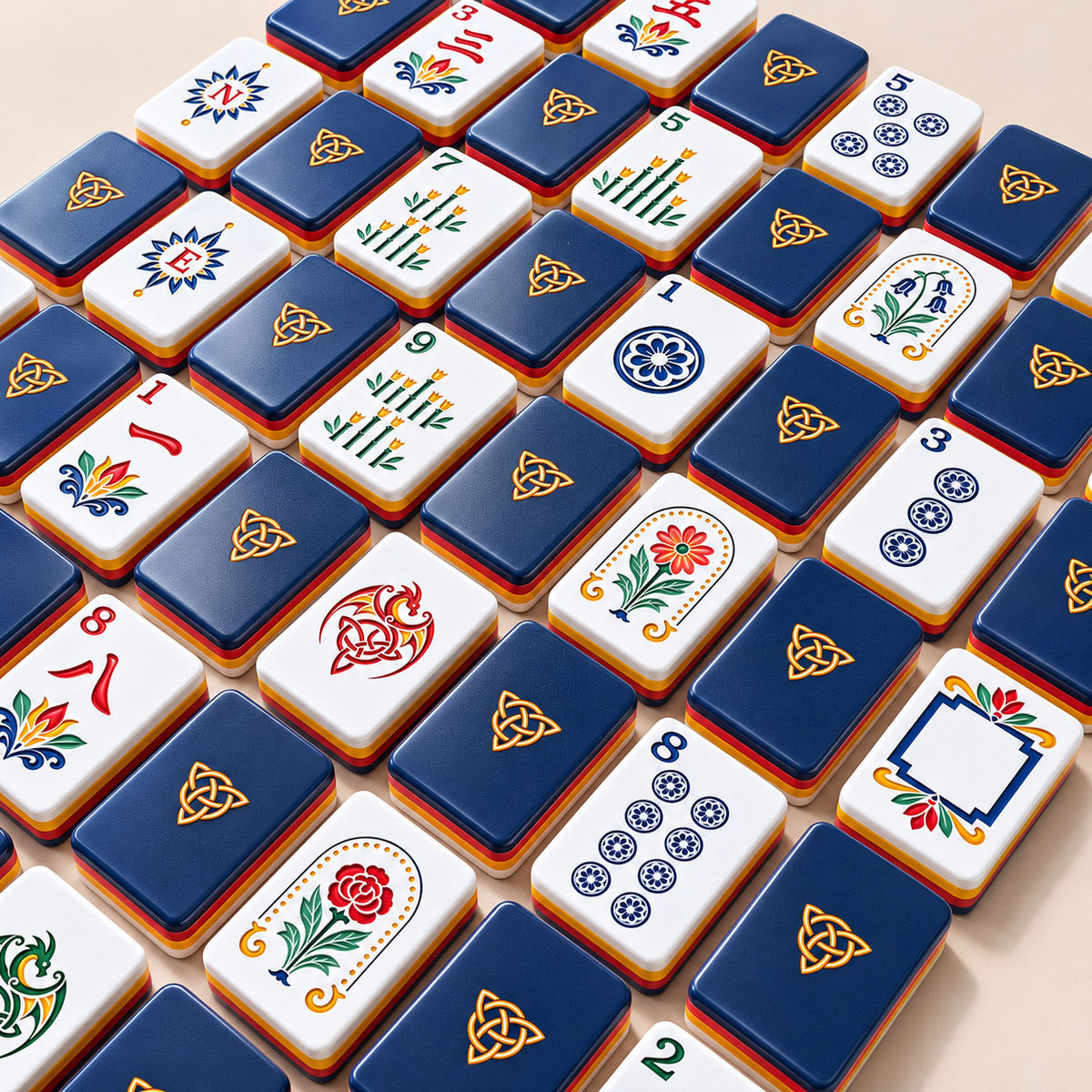
Malaysian mahjong is a social four-player tile game played with a 152-tile set (similar to American mahjong but with different hand patterns and scoring rules). Mahjong solitaire is a single-player digital or physical tile-matching puzzle—no real game play, just eliminating matching pairs until the board clears. Malaysian mahjong requires a partner, active play, dealer rotation, and strategy; solitaire requires no opponent and no luck element. If you're joining a table game in Malaysia or a regional club, you need Malaysian mahjong rules and a full 152-tile set (Mahstead offers American sets, which use the same tile count but follow American hand patterns). If you want a relaxing puzzle to play on your phone or tablet, mahjong solitaire needs no tiles at all—it's a software game. The two share neither tiles nor gameplay; knowing which you want before buying prevents disappointment.
Malaysian mahjong is a four-player social game played with a 152-tile set, while mahjong solitaire is a solo puzzle game. They're not variants of the same game—they're entirely different activities that happen to use the word "mahjong." Understanding this distinction is essential before you commit time or money to either one.
What is Malaysian mahjong, and how does it differ from American mahjong?
Malaysian mahjong follows suit-and-number rules (Bams, Craks, Dots 1–9) and wind/dragon tiles much like American mahjong, but hand patterns, scoring, and play sequences differ significantly. Malaysian mahjong allows chows (1-2-3 runs)—a core feature that American mahjong forbids entirely. Winning hands are fixed year-to-year (similar to the American Mah Jongg League card), but the patterns are region-specific and not interchangeable. A four-player Malaysian game uses the same 152-tile count but plays by a different strategic rulebook. If you're learning Malaysian mahjong in a club or online community, you must use Malaysian-specific hand references; American materials won't help.

Is mahjong solitaire actually mahjong—or just a tile-matching game?
Mahjong solitaire is a puzzle game, not mahjong in the classical sense. It uses a grid of tiles (often 144 or fewer) and asks you to remove matching pairs until the board clears. There is no dealing, no hand-building, no opponents, no luck element beyond tile layout. "Mahjong" here is a brand name applied to a matching mechanic. Most mahjong solitaire exists as mobile apps or browser games; physical tile sets designed for solitaire are rare and not compatible with table play. If you're seeking social play or a real four-player experience, solitaire will not fulfill that need.
Who plays Malaysian mahjong, and where do you learn the rules?
Malaysian mahjong is played across Malaysia, Singapore, and by regional communities worldwide. It's more common in Southeast Asia than in North America. Learning happens through in-person club membership, regional coaching, YouTube tutorials specific to Malaysian rules, or family instruction. The National Mah Jongg League (American) does not govern Malaysian play. If you're in North America and want to join a Malaysian game, seek local ethnic clubs, community centers, or meetup groups in areas with significant Southeast Asian populations; ask specifically for "Malaysian-style" or "Hong Kong-style" mahjong to avoid confusion with American variants. Online communities and regional associations publish hand charts and scoring guides—verify the source before buying a set or memorizing rules.

What tiles and equipment does Malaysian mahjong require?
Malaysian mahjong uses a 152-tile set (four suits × three numerals 1–9, four winds, dragons, and flowers). The specific tile artwork, dragon color assignments, and flower designs may vary by region; some Malaysian sets emphasize traditional Chinese characters or regional symbols. A mat, racks, and pushers are helpful but not mandatory. Dice, a scoring rack, and wind indicators speed play. If you're hosting Malaysian mahjong at home, best-selling mahjong sets designed for American play can work (since both use 152 tiles), but hand patterns will differ—you must have the correct Malaysian hand reference card and rulebook. Confirm with your group which specific Malaysian variant (Penang, Singapore, Kuala Lumpur styles exist) before investing in equipment.
🀄 Shop best-selling mahjong sets →
Can you use the same tile set for both Malaysian mahjong and mahjong solitaire?
No. Mahjong solitaire is entirely digital or uses purpose-built solitaire puzzles; it does not use a traditional 152-tile set. If you already own a best-selling mahjong set (American or Malaysian), you can play table mahjong with it but cannot use it for solitaire—that's a separate category of game. Buying a physical tile set makes sense only if you plan to host four-player table play. If you're interested solely in solitaire, download an app; if you want social play, buy a full 152-tile set and join a club or group.
Comparison: Malaysian Mahjong vs. Mahjong Solitaire at a Glance
Feature | Malaysian Mahjong | Mahjong Solitaire |
Players | 4 | 1 |
Tiles per game | 152 | 144 or fewer (app-dependent) |
Setup time | 5–10 minutes (dealing, Charleston) | Instant (app shuffle) |
Gameplay type | Social tile-building, strategy | Puzzle, tile matching |
Chows (runs) allowed? | Yes | N/A (not applicable) |
Hand reference needed? | Malaysian-specific card | None (rules built in) |
Opponent skill matters? | Yes, critical | No (solitaire only) |
Format | Physical tiles at a table | Digital or printed puzzle |
Learning curve | Weeks to months | Minutes |
Cost to start | One 152-tile set + mat/racks | Free (app) or negligible (print) |
What to check before you buy
If you're considering purchasing a mahjong set for Malaysian play, confirm your local group's specific regional rules (Penang, Singapore, and Kuala Lumpur styles all have variations). Verify whether they play with jokers, and how many. Ask whether they use a printed hand reference card or a digital guide. If you're buying for American mahjong instead, remember that hand patterns are locked to the National Mah Jongg League's current-year card—old sets will not have the correct hands. For solitaire, don't buy tiles; download an app or find a browser version free or at low cost. Mismatching game type to equipment is the most common mistake new players make.
🎁 See our most-loved mahjong sets & accessories →
If you're starting a Malaysian mahjong group at home, you'll want a quality set plus a mat to protect your table and keep tiles organized. Mahjong mats come in various sizes and materials; the right one depends on your table dimensions and how often you play. Racks with pushers help keep tiles tidy and make discards visible, especially during fast play. For regular hosting, mahjong bags and cases ensure your set stays organized and travels safely.
✨ Find your Mahstead set — free US shipping →

FAQ
Can I play mahjong solitaire with a physical tile set at home?
Yes, if you create your own solitaire board layout. Print a solitaire pattern online, arrange tiles to match, and remove matching pairs. Most players prefer the app version because the computer shuffles the board and tracks progress automatically—no manual resetting needed.
Is Malaysian mahjong the same as Hong Kong mahjong?
Similar but not identical. Both allow chows and follow classical mahjong rules, but hand patterns, scoring systems, and tile assignments differ by region. Always ask your group which specific ruleset they play before joining.
Do I need a special set for Malaysian mahjong, or can I use an American set?
An American 152-tile set works physically (same tile count), but you must learn Malaysian hand patterns and scoring separately. The tiles themselves are interchangeable; the rulebook is not.
What's the fastest way to learn mahjong solitaire?
Download a free mahjong solitaire app and play for 10 minutes. You'll understand the mechanic instantly—no opponent, no rules, just match and remove pairs until the board clears.
If I buy a mahjong set, which variant should I learn first?
American mahjong is easiest to learn in North America (abundant clubs, online resources, and the annual National Mah Jongg League card). Malaysian mahjong requires finding a regional group first, then learning their specific rules. Start with whichever community is nearest to you.


View More
View More
View More
