
Malaysian Mahjong Terms and Glossary: A Player's Guide
Last updated: Nov 23, 2026
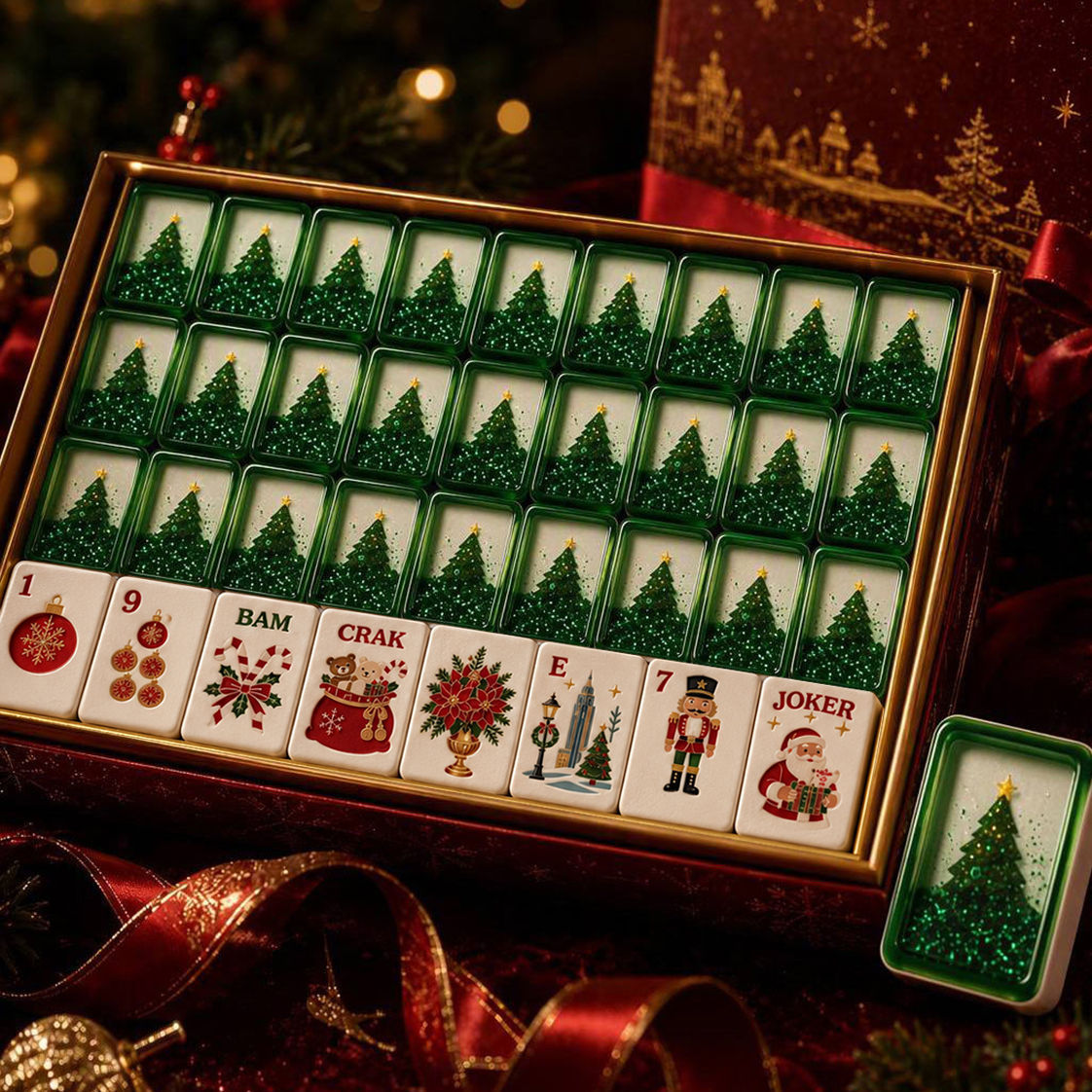
Malaysian mahjong uses a 144-tile Chinese set (three suits: Bamboo, Character, Dot; winds; dragons; flowers; seasons) and plays with live draw, no fixed hand card. Key terms include pung (three identical tiles), chow (sequence: 1-2-3), kong (four identical), win hand (mahjong), and discard (打牌, literally "hit tile"). Scoring varies by region but typically ranks hands by rarity and point value; jokers are usually not used. The game emphasizes speed, memory and reading opponents' discards. Unlike American mahjong (which uses 152 tiles, fixed hands from an annual card, and no sequences), Malaysian play is fluid and adaptive—perfect for players who prefer improvisation over structured patterns.
What are the four main Chinese mahjong suits in Malaysian play?
Malaysian mahjong uses three numbered suits (Bamboo, Character, Dot), each 1–9, multiplied by four copies, plus honours (winds: East, South, West, North; dragons: Red, Green, White). The Bamboo suit often shows as plants; Character shows as written symbols; Dot shows as circles. You'll hear tiao (Bamboo), wan (Character), and tong (Dot) at the table. Together they form 108 numbered tiles; add 16 winds and 12 dragons for 136 core tiles, with flowers and seasons bringing the deck to 144. This structure is shared across Chinese variants but Malaysian players often house-rule which suits rank highest in ties.

How do Malaysian players call melds—and what's the rule on sequences?
In Malaysian mahjong, you declare pung (three identical tiles) and kong (four identical) by calling out and flipping your tiles face-up on the table—unlike American play, where only specific hands are valid. Critically, chow (a sequence like 4-5-6 Bamboo) is live and drawable, meaning any player can call a discard to complete a chow, not just the next player. This is vastly different from American mahjong, which has no sequences at all. When someone discards a tile, you have seconds to claim it; hesitation costs you the turn. Malaysian players memorize which tiles are "dead" (already discarded or exposed) to calculate odds on their waiting tiles. Speed and attention trump hand complexity here.
What does "mahjong" mean, and how do you win?
Mahjong (麻將) literally means "sparrow tile" and refers to a complete, winning hand. In Malaysian play, a winning hand typically consists of four melds (pungs, chows, or kongs) plus a pair—exactly 14 tiles. The hand must follow one of many pattern types (like "all pungs," "all chows," "mixed," or "honour heavy"), and the highest-scoring valid pattern wins the round. You can win from the wall (自摸, zimo—self-draw) for extra points, or by claiming an opponent's discard. American mahjong requires hands to match the current year's National Mah Jongg League card; Malaysian hands emerge from declared melds and live strategy. Winning hands are ranked by rarity and bonuses; ties go to the player who waited with fewer tiles or declared first.
What scoring system do Malaysian players use, and how do ties work?
Malaysian mahjong scoring is heavily regional and house-rule dependent, but most tables use a points system where hands are ranked by type (all pungs scores higher than mixed chow-pung, for instance) and multiplied by factors like "going out early," "drawing your own tile," or "no honours used." Common multipliers include × 2 for self-draw, × 1.5 for a one-tile wait, or bonus points for concealed kongs. Ties are rare because melds are declared immediately; if two players claim the same discard, the closest player to the discarder wins (turn order). If both self-draw on the same turn (impossible, but house-rules vary), the fastest clicker or loudest caller takes it. This is radically different from American mahjong, where scoring is rigid, hand-card-based, and determined before play starts. Malaysian tables often settle bets instantly in cash or chips; American games use point totals carried to the next round.
🀄 Shop best-selling mahjong sets →

Which tiles are considered "honours," and why do they matter in Malaysian play?
Honour tiles (番子) include the four winds (East, South, West, North) and three dragons (Red, Green, White). These are high-value in Malaysian hands because they don't form sequences (chows)—only pungs and kongs. A pung of honour tiles often scores double or triple a pung of number tiles. The White dragon is sometimes called blank or soap and plays a special role: it's both a dragon rank and a "zero" in some regional scoring. Honour-heavy hands (three or four honour melds) are rare and rank very high. Beginners often undervalue honours; experienced Malaysian players build entire hands around a concealed honour kong or a pair of rare dragons. Flowers and seasons (if included in your set) are bonus tiles: drawing one lets you claim a replacement from the wall, so you never "waste" a tile slot on a flower.
What is the difference between Malaysian, Hong Kong and American mahjong in terms of rules and terminology?
Malaysian mahjong emphasizes live play: no hand card, no fixed patterns, sequences are drawable by any player. Hong Kong play is similar but stricter about which discards count as "safe" and adds special melds like "bumping" (stacked pungs of same number/suit). American mahjong is rigid by comparison: 152 tiles, 8 jokers, fixed hands from the annual National Mah Jongg League card (no chows allowed), and no live calling of sequences. Terminology differs too: American players say "pung," "kong," and "joker"; Malaysian/Hong Kong players use Chinese terms like tiao, peng (pung), gang (kong), and often skip jokers entirely. Scoring in American mahjong is calculated the same way every season based on the card; Malaysian scoring is almost purely house-rule. If you've played American mahjong, expect Malaysian play to feel faster, looser, and more negotiated at the table—there's no League card, no Charleston, and no "wrong" winning hand if all players agree.
Quick reference: Malaysian vs. American terminology
Term | Malaysian Meaning | American Equivalent | Key Difference |
Pung / Peng | Three identical tiles (exposed or hidden) | Pung | Same definition |
Chow / Tiao | Sequence (1-2-3, drawable live) | None—no sequences allowed | Fundamental rule difference |
Kong / Gang | Four identical tiles | Kong | Same definition |
Mahjong | Winning hand (14 tiles, declared) | Mahjong | Same concept, different hand patterns |
Zimo | Self-draw (drawing your own winning tile) | Mah jongg (self-draw bonus) | Bonus or required win type |
Discard /打牌 | Tile played to center table, claimable | Discard | Same; Malaysian play is faster |
Honour / 番 | Wind or dragon tile (no sequence) | Honour | Same, but higher scoring in Malaysian play |
Flower / 花 | Bonus tile (claim replacement) | Flower | Same in concept; not all sets include |
🎁 See our most-loved mahjong sets & accessories →
What should I check before I buy a set for Malaysian mahjong play?
If you're learning Malaysian mahjong, ensure your set is a complete 144-tile Chinese set with clear markings on suits and honours. Check that bamboo tiles show recognizable plant imagery (not abstract), characters are legible (important for quick calling), and dots are easy to count at a glance. Honours (winds and dragons) should be distinctly marked—often with Chinese characters—so you don't confuse a White dragon with a blank tile. Avoid sets with overly ornate tiles; at speed, clarity beats aesthetics. If you're hosting best-selling mahjong sets designed for American play will work for Malaysian games too, though they include jokers (which you'll ignore). A mahjong mat with a defined discard area (center well) helps Malaysian play stay organized and fast. Finally, verify your set ships with all 144 tiles accounted for; some import sets are missing a flower or season tile, and replacements are hard to source.
Common Malaysian mahjong mistakes to avoid
Calling too slowly. In Malaysian play, if you hesitate more than a second, your claim is forfeit. Practice claiming discards instantly.
Confusing house rules with standard rules. Ask the table host at the start: Do honours score double? Do you allow jokers (some Malaysian groups do, some don't)? Is self-draw × 2 or × 1.5? Write it down.
Building sequences when you should chase honours. Honour pungs score higher in most Malaysian games; don't waste time chasing a chow if an honour pung is within reach.
Misreading the White dragon. In some regions, White is a dragon; in others, it's a "zero" tile used in scoring or special hands. Clarify before the first hand.
Forgetting that flowers are bonus draws. Drawing a flower or season doesn't consume a tile slot—you draw a replacement from the wall. New players often discard flowers by mistake.
Not counting dead tiles. Malaysian play is memory-heavy; track which tiles have been discarded or exposed. If you've seen three 5 Bamboos, don't wait for the fourth.
✨ Find your Mahstead set — free US shipping →
Where can English speakers find Malaysian mahjong communities to learn these terms in real play?
Look for Chinese cultural centres, community centres in areas with Malaysian or broader East Asian populations, and online forums dedicated to mahjong variants. Many cities have informal game groups that meet weekly; post on local community boards (Meetup, Facebook groups for your city's cultural associations, or library bulletin boards) asking for "Malaysian mahjong" or "Chinese mahjong" games. Some players learn via YouTube channels dedicated to Hong Kong or Malaysian play; watch a few full rounds to hear terminology used live. Once you attend a table, ask the host for a 15-minute rules overview before play starts—most groups are welcoming to learners who show respect and willingness to follow house rules. Bring cash or chips if money changes hands; Malaysian play is often played for stakes, and etiquette matters. If you're hosting your own group, a set with engraved tiles or titles can help break the ice and signal to friends that you're serious about the game.

FAQ
Is Malaysian mahjong played with jokers like American mahjong?
Most traditional Malaysian games do not use jokers; the game relies on a full 144-tile Chinese set. Some modern or casual groups add jokers as house rules, but check before you sit down. American mahjong always uses 8 jokers as game tiles; Malaysian play treats them as optional.
Can I use an American mahjong set for Malaysian play?
Technically yes—a 160-tile American set contains all 144 Chinese tiles plus jokers and spares. However, you'll need to remove and ignore the jokers. American sets often omit clear suit markings or use romanized labels, which slow down Malaysian play. A dedicated 144-tile Chinese set is faster and clearer at the table.
What does "zimo" mean, and is it required to win?
Zimo (自摸) means self-draw—winning by drawing your own tile from the wall, not claiming a discard. It's not required to win, but it typically scores higher (often × 2 multiplier). Winning by claiming an opponent's discard is equally valid but usually worth fewer points.
How do I know if a discard is "safe" in Malaysian play?
A discard is safe if it hasn't appeared face-up on the table yet (i.e., no other player has exposed it in a pung or kong). If three copies of a tile are already visible, the fourth is dangerous—someone likely wants it. Experienced players track every discard mentally. At casual tables, ask: "Is this tile safe?"
Are there regional differences in Malaysian mahjong rules I should know about?
Yes. Malaysian play varies by state, city, and even table. Common variables include scoring multipliers, whether certain honours are "harder" (worth more), hand-ranking order, and whether self-draw is allowed. Always ask the host for house rules before the first hand. What's valid in Kuala Lumpur might differ in Penang.
How fast do Malaysian mahjong games actually move compared to American?
Much faster. American mahjong involves consulting the hand card, counting points, and checking pattern validity—each turn takes 10–15 seconds. Malaysian play is real-time claiming, instant calling, and live pattern recognition; a full round (four players, four rounds) often finishes in 20–30 minutes versus 45–60 for American. Beginners feel the speed; veterans live for it.


View More
View More
View More
