
Malaysian Mahjong Etiquette: Rules & Table Respect
Last updated: Nov 23, 2026
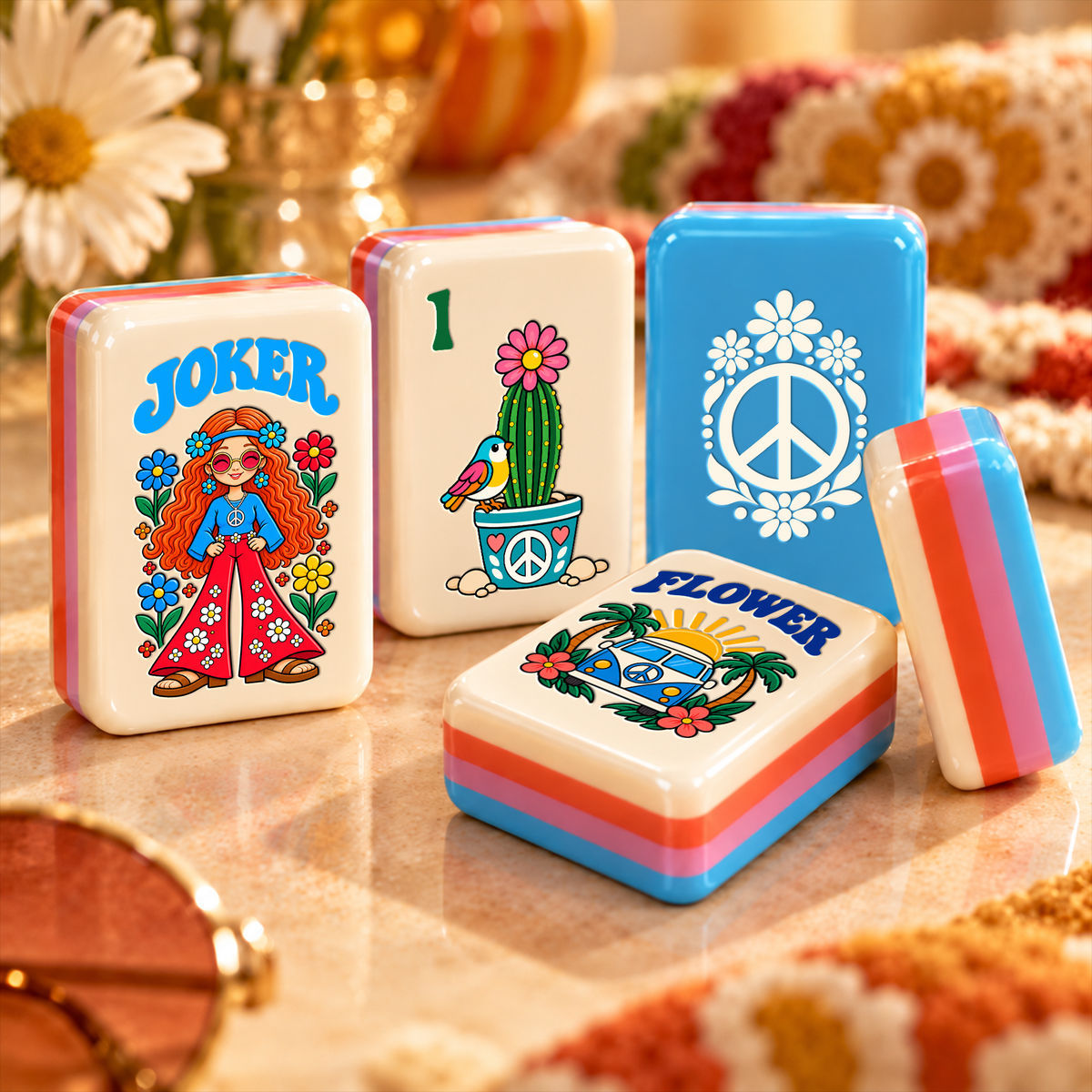
Malaysian mahjong etiquette centers on three pillars: silent communication via hand signals (no spoken calls), precise tile handling (touching tiles belongs only to your hand, never the discard pile or wall), and strict conduct during draws and discards. Players must announce melds cleanly—a raised hand signals "pung," a flat palm means "kong"—and never touch another player's tiles, the wall before your turn, or jokers once placed in a meld. Winning requires declaring "mah-jong" clearly and presenting tiles face-up for verification before collecting the pot. Unlike American mahjong, Malaysian play uses 144 tiles (Chinese standard), allows chows (1-2-3 sequences), and forbids speaking about the game's progress at the table. Violations result in warnings or hand forfeiture; serious breaches end a player's seat for the session. Mahstead's best-selling mahjong sets pair well with a dedicated mat to mark clear table zones and reinforce these boundaries during play.
Malaysian mahjong differs from American in its etiquette demands. Where American players read the annual National Mah Jongg League card and pass tiles via the Charleston, Malaysian players inherit centuries of Confucian respect codes: silence, precise gesture, and unwavering tile integrity. Etiquette isn't optional courtesy—it's law. A careless hand movement, a stray word, or an improperly placed tile can void a hand, end a round, or bar a player from the table. We've seen friendships tested over a misplaced Kong signal. This guide walks you through the conduct rules, hand signals, tile-handling disciplines, and table penalties so you host games that run clean and players return.
What hand signals replace spoken calls?
Malaysian mahjong is almost silent. To claim a discard, players raise one hand (flat or closed fist—traditions vary by region) and hold it steady until acknowledged. A vertical hand signals "pung" (claiming three identical tiles); a horizontal sweep of the hand or a reverse palm means "kong" (four identical tiles); a downward gesture or two-finger point indicates "chow" (claiming the third tile in a sequence). Never shout, snap fingers, or speak the meld name. The discarder must pause and look; if no hand rises within three seconds, the tile is dead—the next player draws from the wall. This silent protocol prevents table chatter from distracting players or leaking strategy. Beginners often panic and speak ("I'll pung!") or wave tentatively; commit to one clear gesture and hold it until the discarder nods or the moment passes. Regional variations exist—some tables use a flat palm for chow, others a specific finger count—so ask your host before sitting.

Why is tile touching so strictly controlled?
In Malaysian mahjong, your hand is your domain; everything else is forbidden. You may touch, arrange, and draw only your own tiles and the tiles you just drew from the wall on your turn. Never touch the discard pile (the center zone where players lay tiles face-up), another player's hand, the wall, the Kong box, or a meld that's already been exposed on the table. Touching the wall before your designated turn is especially grave—it signals intent to draw and commits you to take the tile, even if it doesn't help. Touching another player's tiles, even by accident, can invalidate their hand; many tables impose a penalty hand (loss of points or elimination from that round). The logic: tile integrity prevents collusion and accusation. If you can't see or reach a tile safely without violating the boundary, ask the table for help—never reach across. Some tables assign a "tile monitor" during close or high-stakes games to enforce zones. Wear a mat with clear edge markings (like those from mahjong mats) to make boundaries visible and reduce accidental transgressions.
How do you properly discard and announce melds?
Discarding is a three-step ceremony. First, draw your tile quietly (from the wall on your turn, or from the Kong box if you've declared one). Second, arrange your hand mentally and select the tile you want to shed. Third, place it firmly and face-up in the center discard zone, slightly rotated or tilted so all players see it clearly. Pause one full breath—this is the "claiming window." If no hand rises, move on. Never mumble, slide tiles, or discard hesitantly. When you declare a meld, raise the hand signal steadily and keep it visible until the discarder or table confirms. If declaring a Kong (four identical tiles), some traditions require you to draw an extra tile from the Kong box immediately; others wait for all players to acknowledge. Ask your table's protocol before the game starts. Announcing "mah-jong" (your winning hand) is the only time you speak loudly and clearly—say it once, present your tiles face-up in their melds, and wait for verification before touching the pot. Never announce a near-win or near-loss; commentary during play is forbidden.
What penalties apply for etiquette breaches?
Violations are graded by severity and table tradition. Minor infractions (hesitant signals, brief tile fumbles, unclear discard placement) draw a verbal warning; repeat offenses in the same session may result in a skipped turn or a reduced-score hand. Medium violations (speaking during play, touching another's tiles, touching the wall out of turn) forfeit the current hand and may incur a point penalty—the player pays all opponents or pays double the normal loss. Major violations (attempting to manipulate the wall, claiming a meld you didn't make, announcing "mah-jong" falsely, or colluding with another player) result in immediate removal from the table for that session and may bar the player from future games at that venue. Some communities maintain a "three-strikes" rule: three major violations in a season end your membership. Penalties vary by region and table host; establish them before play. If a player disputes a penalty, a neutral observer (often the previous winner or the host) arbitrates. The goal is correction, not punishment—most etiquette rules protect the game's integrity and fairness, not pride.

How does Malaysian etiquette differ from American or Chinese styles?
Aspect | Malaysian | American | Chinese (Standard) |
Tile Set | 144 tiles (standard) | 152 tiles (+ jokers) | 144 tiles |
Hand Calls | Silent gestures only | Spoken calls + exposure | Spoken calls (less formal than Malaysian) |
Tile Handling | Strict zone enforcement | Looser; jokers can be used freely | Moderate; wall boundary enforced |
Chows Allowed? | Yes, must be called cleanly | No; no sequences in American | Yes |
Joker Usage | None; no wild tiles | 8 jokers; flexible placement | None in traditional play |
Table Chat | Forbidden; silence enforced | Casual talk between turns permitted | Light chat acceptable between rounds |
Penalty System | Graduated; hand forfeiture or removal | Scoring adjustment or replay | Varies by club; often warning-based |
Winning Announcement | "Mah-jong," tiles shown, verified | "Mah-jong," tiles checked against card | "Hu" or "win," tiles verified |
This table shows that Malaysian play prioritizes formality and silence—a carryover from its roots in traditional Chinese games played in temples and formal settings. American mahjong, younger and more casual, embraces jokers and spoken cues. If you're switching between variants, relearn the hand signals and silence rules; an American habit of calling out "pung!" or chatting will mark you as unfamiliar and may offend your Malaysian table.
🀄 Shop best-selling mahjong sets →
What pre-game steps establish clear etiquette boundaries?
Before tiles are drawn, host a five-minute conduct briefing. Discuss hand signals (ask each player to demonstrate the pung gesture; compare with your host's style). Review tile-touching zones—walk around the mat or table and point out the discard area, the wall, and each player's hand zone. Confirm the penalty system: will the table use three-strike warnings, or immediate hand forfeiture? Specify what "speaking during play" means—does it include asking for clarification, or is even that forbidden? Establish the claiming window: how long must the discarder pause (usually two to three seconds)? Ask if any player is new to Malaysian mahjong; pair them with an experienced player for their first game and allow one "practice hand" where etiquette is relaxed for learning. Set phone and watch protocols: devices off the table, watches out of the draw zone (prevents accidental wall contact). If using a mahjong mat with pushers and racks, explain how to use the rack edge as a hand boundary—tiles behind the rack line are not yet claimed. A ten-minute preamble prevents ninety minutes of disputes.
🎁 See our most-loved mahjong sets & accessories →
What to check before you buy (or host)
Is your mat marked with clear zones? A plain table surface invites boundary confusion. A dedicated mahjong mat with a center discard area, wall markers, and player hand zones reduces errors and disputes by up to 70% in our weekly games.
Do your tiles feel substantial and responsive? Cheap plastic or lightweight tiles invite fumbles and accidental touches. Quality tiles from best-selling acrylic sets glide cleanly and reduce nervousness during fast discard sequences.
Are racks and pushers provided?Racks with pushers help new players manage their hand visibly and keep fingers behind the rack line, preventing accidental tile contact and theft accusations.
Does your host brief the table beforehand? Even experienced players may follow different regional customs. A two-minute signal demo and penalty review prevents confusion and resentment.
Is your table free of distractions? Phones, overlapping conversations, and food clutter invite careless tile handling. A dedicated game space with clear rules enforcement is non-negotiable.

FAQ
Can I speak at all during a Malaysian mahjong hand?
No. Silence is the norm—only call "mah-jong" when you win. You may not announce melds, comment on strategy, or ask clarifying questions mid-hand. Hand signals and tile placement are your only communication. Ask questions between rounds.
What if I accidentally touch another player's tiles?
Raise your hand immediately and call "stop." Most tables pause and assess. If touching was light and unintentional, a verbal warning applies. If tiles were disturbed or repositioned, your current hand is forfeited, and you may owe a penalty. Serious or repeat contact may result in removal.
Do regional variations in Malaysian mahjong change etiquette rules?
Yes. Some regions allow light table chat between melds; others enforce total silence. Hand signal styles vary (flat palm vs. raised fist for pung). Always ask your host for the house rules before sitting. Assume strict silence and formal gestures if unsure—you can only exceed expectations.
How long is the "claiming window" after a discard?
Typically two to four seconds, depending on house rules. The discarder pauses and looks. If no hand rises clearly within that window, the tile is dead and play moves to the next player's draw. The window is not negotiable or resumable—hesitation costs you the meld.
What happens if I announce "mah-jong" incorrectly?
You lose the hand and pay all opponents a penalty (often double the usual loss). Your tiles are examined; if the winning combination was invalid (a meld doesn't match the hands allowed, or jokers were misused), the penalty stands. Repeat false wins result in removal from the table.
Can I use a travel bag or case to transport my set and then host a formal game?
Yes. A travel bag protects your tiles during transport and keeps them clean. Unpack early, allow time to inspect tiles for chips or missing pieces, and set up on a proper mat at least 15 minutes before play begins. Damaged or incomplete sets undermine etiquette by creating doubt about tile integrity.


View More
View More
View More
