
Mahjong Wind Indicator: What to Know Before Buying
Last updated: Nov 23, 2026
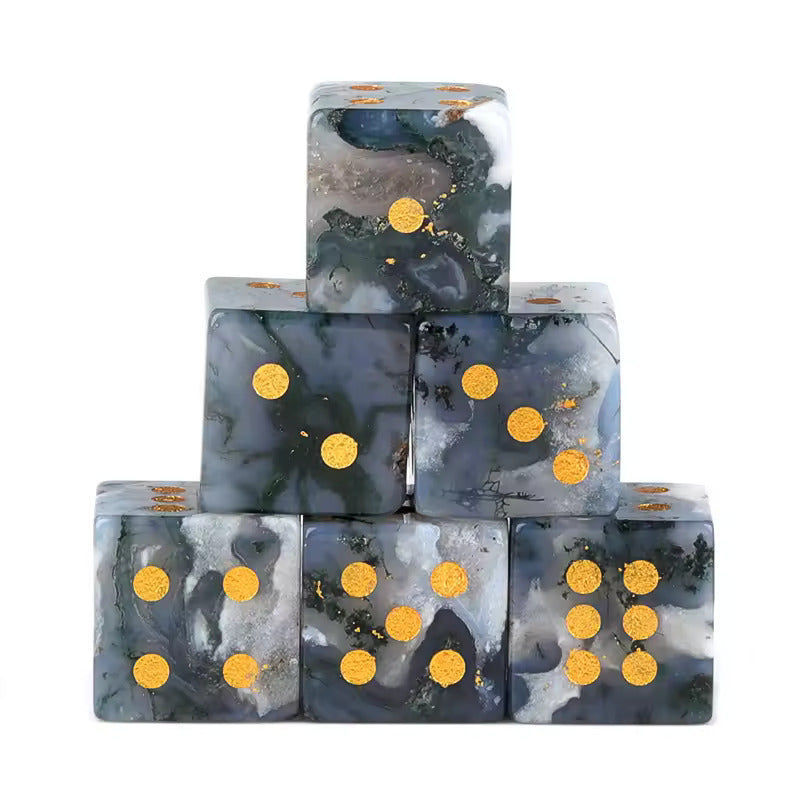
A wind indicator is a small tile, marker, or rotating disc that shows which player is the dealer (East, South, West, North) and tracks the wind round. In American mahjong, the East seat begins as dealer; wind rotates after each hand or round depending on winning outcomes. Most sets include a simple wind indicator as part of the tiles or as a separate token—some are engraved acrylic, others are wooden or ceramic plaques that sit in the center of the table. You'll also hear it called a "wind tile" or "prevailing wind marker." We recommend choosing one that's easy to read from all four seats and matches your set's aesthetic; Mahstead's best-selling American mahjong sets offer a range of indicator styles embedded in quality acrylic, so you know it will survive thousands of hands without fading or chipping.
What exactly does a wind indicator do in American mahjong?
In American mahjong, the wind indicator tracks two things: which player is the current dealer (the "prevailing wind" for this round), and later, which player sits in which compass seat if that matters for your house rules. East always begins the game; after each hand ends, the wind advances (or sometimes repeats, depending on who won). The indicator stays visible all game so no one forgets whose turn it is to deal next and which wind round you're in. Think of it as your scorecard for dealer duty.
🀄 Shop best-selling mahjong sets →

Are wind indicators included with American mahjong sets?
Most American mahjong sets come with a wind indicator, though quality and visibility vary widely. Budget sets often include a small, flat tile or plastic token that gets lost or sits too low on the table to see easily. Premium sets include engraved acrylic or ceramic indicators designed to sit prominently in the table's center. Always check the product listing before you order—some retailers sell the set separately from the indicator, which is why many of us buy complete sets that include it upfront.
How do you read a standard wind indicator?
A standard indicator shows four compass directions: East (Ⓔ), South (Ⓢ), West (Ⓦ), North (Ⓝ). The arrow or marked side points to the current dealer. If East is pointing toward you, you're dealing this hand. When the hand ends (and the dealer stays East, or the wind changes), you rotate the indicator clockwise or place a new marker to show the new dealer. Some indicators are four-sided tiles or stones; others spin like a lazy Susan. The mechanics vary, but the rule is always the same: east points to the current dealer's seat.
What are the different styles of wind indicators?
Style | Best for | Visibility | Durability |
Single acrylic tile | Compact travel sets | Low (small) | High—won't scratch table |
Rotating disc/plaque | Home weekly games | High—sits centered | Very high if engraved |
Ceramic marker | Traditional aesthetic | Medium | High—hand-painted options |
Multi-sided tower | Teaching / club play | Very high | Medium—plastic can wear |
Engraved acrylic square | Personalized sets | High | Very high—professional finish |
Each style works; the choice depends on how often you play, table size, and whether you want your indicator to match your set's design language. We find that engraved acrylic indicators integrate best with modern American mahjong set aesthetics because they're clear, durable, and catch light evenly across all four seats.
How often do you change the wind indicator during a game?
Wind changes follow these rules in American mahjong:
If East (dealer) wins: Wind stays East; same player deals again.
If South, West, or North wins: The dealer seat often shifts, and you advance the wind marker clockwise. Some groups rotate only every 4 hands (one round); others rotate after each hand won by a non-dealer.
When all players have been East: One full wind round is complete.
Check your group's house rules—the National Mah Jongg League card doesn't define wind rotation explicitly, so your players set the pace. Most casual home games rotate the wind after each non-dealer win. The indicator should be moved or spun before the next hand begins, so everyone sees who deals next.

What should you check before buying a wind indicator separately?
Before ordering a wind indicator as an accessory, verify:
Size: Does it fit your table without blocking tile view? Engraved markers are typically 1–2 inches; ensure your mat or table can accommodate it center-table.
Color and contrast: Can all four players read it from their seats? Light engraving on dark acrylic works; dark on light does not.
Compatibility: If you already own a set, does the indicator match the tile material (acrylic, ceramic, plastic)? A mismatched style looks unfinished and may not sit level.
Weight and balance: Lightweight indicators blow around; heavier ones don't. Test before committing to a full set.
Engraving depth: Shallow engraving fades; deep engraving lasts decades. Mahstead's acrylic wind indicators are engraved to professional specs, so they remain legible after hundreds of uses.
🎁 See our most-loved mahjong sets & accessories →
Can you play without a wind indicator?
Technically, yes—but we don't recommend it, especially if you're learning. Without a visible marker, someone always forgets whose turn it is to deal next, arguments arise, and new players get confused about round structure. A wind indicator takes 2 seconds to move and saves 20 minutes of debate. If you're playing casually with close friends who know each other's patterns, you might skip it. For any group larger than your immediate circle or for teaching beginners, a dedicated indicator is worth the small extra cost. It keeps the game moving and the mood light.
✨ Find your Mahstead set — free US shipping →
Which Mahstead sets include high-quality wind indicators?
Our best-selling collection includes sets with engraved acrylic wind indicators that match the tile design and color. We also offer engraved custom mahjong sets where the wind indicator can be personalized with names, initials, or game-night themes—perfect for gift sets or long-term player groups. If you're purchasing mahjong mats or racks with pushers separately, ensure your chosen wind indicator integrates visually—a cohesive table setup keeps focus on play, not distraction.
Comparing wind indicator options: decision framework
If you're a casual player (play once or twice a month): Choose a compact, durable acrylic indicator that doesn't take up much table space. You'll appreciate forgetting about it entirely between games. Cost is secondary; reliability matters.
If you're a weekly host or play in a club: Invest in an engraved acrylic or ceramic marker that's large enough to see from 6 feet away. You'll move it dozens of times per evening. It should feel good to handle and match your set's aesthetic so guests notice the quality.
If you're gifting a set or want a conversation piece: Personalized or themed wind indicators are available in custom collections. They signal you've thought about the gift and make the set feel like an investment, not a commodity purchase.
If you're teaching or running a tournament: A large, rotating disc or multi-sided tower that stands alone at the table center is ideal. Beginners can glance at it without asking the dealer. It's also easier to spot on video if you're streaming or recording a game.
What to check before you buy
Contrast: Engravings must be legible from all four seats under your normal table lighting.
Footprint: Measure your table's center before ordering; a 2-inch indicator on a 5-foot table is fine; a 4-inch one might crowd the discard area.
Set alignment: If buying a full set with indicator, confirm they're the same material and color family.
Movement ease: Acrylic spins smoothly; heavy ceramic doesn't. Consider who will be rotating it most often.
Replacement: Ask if spare indicators are available; quality sets should offer them as accessories.
Most best-selling mahjong sets from Mahstead ship complete with a matched wind indicator, saving you the guesswork. We've tested every design under standard living-room lighting, so what you order works out of the box.

FAQ
Is a wind indicator essential, or can we skip it and remember ourselves?
Small groups who play weekly together can skip it, but we've watched many games derail over forgotten dealer rotations. A $5–20 indicator saves hours of friendly argument over months of play.
Do Chinese or Hong Kong mahjong sets use wind indicators differently?
Chinese and Hong Kong mahjong handle wind rounds differently than American games; their dealer and seat conventions vary by region. American mahjong wind indicators are purpose-built for the League's ruleset, so stick with ones labeled for American play.
Can I use a wind indicator from an older set with my new one?
Only if both sets are the same material and color—mismatched aesthetics look careless. Acrylic on ceramic or vice versa can also mark your new tiles or mat. Buy a matching replacement.
What happens if the dealer wins—does the wind indicator stay in place?
Yes. East remains East and deals the next hand. The indicator doesn't move. Wind only rotates when a non-dealer wins, though house rules vary—always clarify before the first hand.
How do I transport a wind indicator without damaging it?
Wrap it separately in soft cloth and store it in a small pouch. Never drop it loose in your mahjong bag with tiles; friction scratches acrylic and chips ceramic. A dedicated slot inside a protective case is best.


View More
View More
View More
