
Mahjong vs. Tile Rummy: Key Differences & How to Choose
Last updated: Nov 23, 2026
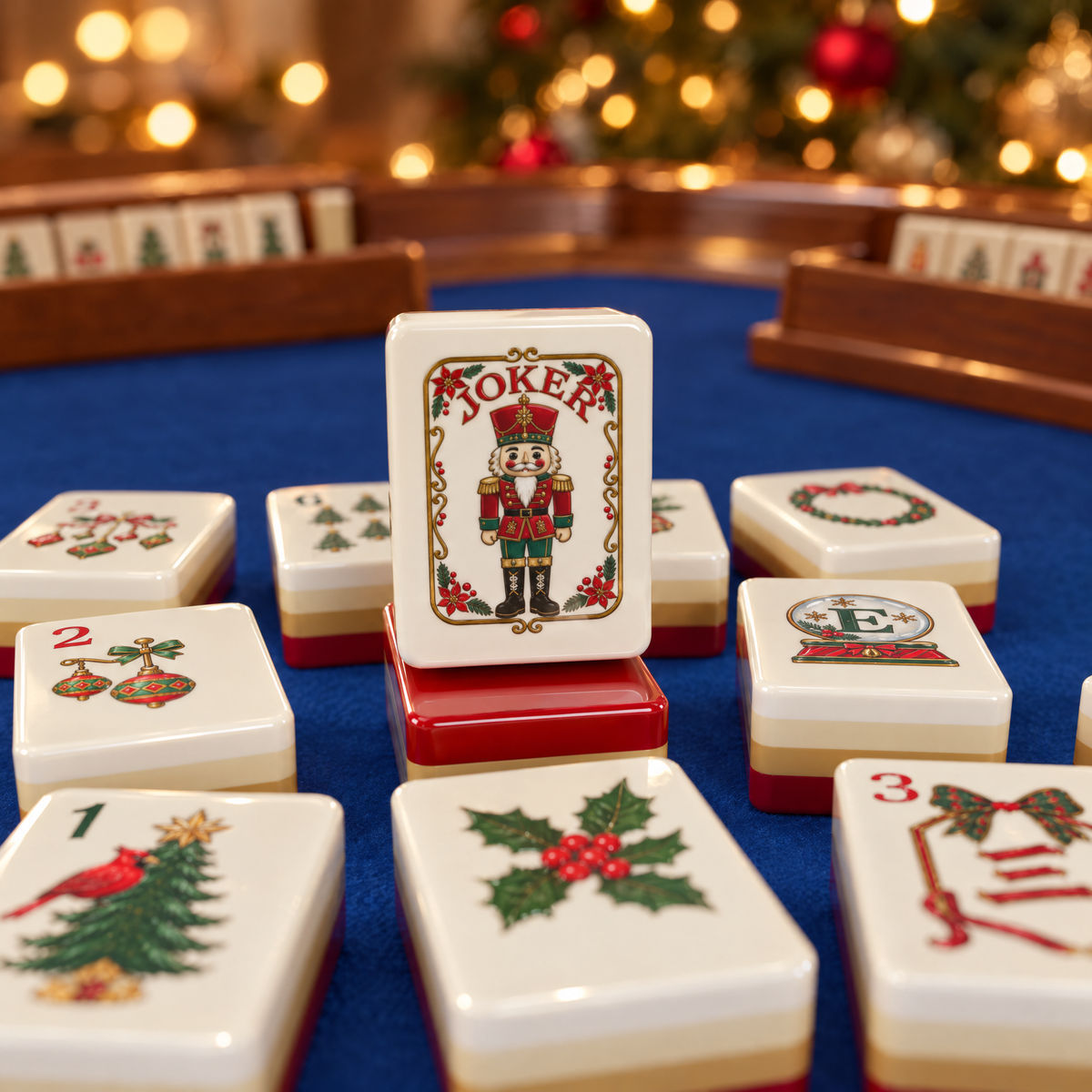
Mahjong and tile rummy are two separate games that sometimes get confused because both use tiles and require hand-building. American mahjong uses exactly 152 tiles (no more in play), includes 8 jokers, draws from a hand of 13 plus 1 draw each turn, and requires hands only from the current year's National Mah Jongg League card. Tile rummy uses a different tile count and hand-formation rules—it's a proprietary variant with its own scoring and card. Mahjong is played in rounds at a table of four, requires the Charleston (a tile-passing ritual before play begins), and involves calling exposed sets (pungs, kongs, quints). Tile rummy has its own sequence and scoring logic. If you're shopping for a new set, start with the best-selling mahjong sets to see the standard 160-tile acrylic American mahjong format—that's the universal choice for weekly game groups.
Mahjong and tile rummy look similar at first glance, but they're fundamentally different games with distinct rules, tile counts, and winning strategies. American mahjong uses exactly 152 tiles (no more in play), includes 8 jokers, draws from a hand of 13 plus 1 draw each turn, and requires hands only from the current year's National Mah Jongg League card. Tile rummy uses a different tile count and hand-formation rules—it's a proprietary variant with its own scoring and card. Mahjong is played in rounds at a table of four, requires the Charleston (a tile-passing ritual before play begins), and involves calling exposed sets (pungs, kongs, quints). Tile rummy has its own sequence and scoring logic. If you're shopping for a new set, start with the best-selling mahjong sets to see the standard 160-tile acrylic American mahjong format—that's the universal choice for weekly game groups.
How many tiles does each game use?
American mahjong uses 152 tiles in active play: 108 numbered tiles (Bams, Craks, Dots in sets of 1–9, four copies each), 16 winds (four cardinal directions, four of each), 12 dragons, and 8 flowers. Most modern sets are sold as 160-tile sets with spare jokers and blanks set aside—never added to the game itself. Tile rummy uses a different count and tile configuration depending on the specific variant or rulebook in use. The critical difference: mahjong tile composition is standardized worldwide (though variant rules differ by region), while tile rummy's tile set varies by publisher or house rules, making it harder to play consistently across different groups.

What's the core difference in how you build a winning hand?
In American mahjong, you must match your tiles exactly to a hand printed on the current year's National Mah Jongg League card—no improvisation allowed. A hand consists of pungs (three identical tiles), kongs (four identical tiles), quints (five identical), sextets (six identical), eyes (a pair), and sequences are forbidden. You hold 13 tiles after the Charleston and draw one per turn; you win by declaring "Mahjong" when you complete a card-listed hand. Tile rummy typically relies on sequences (runs like 1-2-3) and sets, following more traditional rummy logic where you're not locked to a printed card. The game is more flexible but less structured—your group decides which hands are valid before play.
🀄 Shop best-selling mahjong sets →
Is there a ritual or setup difference before each round?
American mahjong requires the Charleston before the first hand begins. All four players pass tiles in a specific sequence (right, across, left, right again) to randomize hands and add strategy. After the Charleston, players may optionally trade tiles one more time (the "Dead Hand"). This ritual takes 3–5 minutes and is unique to American mahjong—it's baked into the game's DNA. Tile rummy typically begins with a draw or shuffle and deal, following standard rummy-game opener logic with no formal passing ceremony. The Charleston is often the first thing newcomers learn about mahjong because it's so distinct and social; it's also the moment where luck and strategy intersect before a single hand is played.
What kind of sets should you buy for each game?
For American mahjong, buy a standard 160-tile acrylic set designed for American play. These come with pushing racks (essential for handling 13 tiles comfortably), a scoreboard, jokers, and often a mat or travel bag. Engraved American mahjong sets allow you to personalize your set with names or themes, making them perfect for long-term game groups. For tile rummy, confirm which exact variant your group plays, then purchase a set labeled for that game—tile count and design will differ. If your group hasn't chosen yet, American mahjong is the safer bet because it's played in thousands of weekly games across the US and has a standardized rulebook and card issued every spring by the National Mah Jongg League.
Game | Tile Count (in play) | Tile Types | Card Required? | Setup Ritual | Best For |
American Mahjong | 152 | Numbered, Winds, Dragons, Flowers | Yes (annual league card) | Charleston (passing) | Weekly groups, competitive play |
Tile Rummy | Varies by variant | Typically numbered + runs | Variant-dependent | Standard shuffle/deal | Casual groups, flexible rules |
🎁 See our most-loved mahjong sets & accessories →

How do scoring and winning work in each game?
In American mahjong, you win by declaring "Mahjong" when your 14 tiles (13 held + 1 drawn) match a hand on the card exactly—no partial credit. Each card has multiple valid hands, and hands are worth different point values based on difficulty and rarity. Scoring is settled at the end of each hand between the four players. Tile rummy scoring varies widely—typically you score for completing sets and runs, and the game can be played until one player reaches a target score or plays a set number of rounds. American mahjong hands are preset and scored uniformly across all tables using the official card; tile rummy scoring is flexible and often house-rule dependent, which can make it easier to learn but harder to play consistently with unfamiliar groups.
What's the learning curve for a beginner?
American mahjong has a steep initial climb: you must learn tile names, the Charleston, how to read the card, and why jokers are restricted. Most newcomers need 2–3 weeks of weekly play (with patient teachers) to feel comfortable calling tiles and tracking discards. After week four, the logic clicks and play accelerates. Tile rummy is typically faster to learn because it follows familiar rummy rules (sequences, sets, standard hand-building), but you lose the structured puzzle element that makes mahjong compelling. If your group is teaching a true beginner, plan for patience and a how-to-play guide printed or on your phone at the table. Many groups reserve "teaching hands" to slow play and explain card-reading; investing in a quality mahjong mat with clear zones helps beginners see hand structure at a glance.
✨ Find your Mahstead set — free US shipping →
Which game should you choose for your group?
Choose American mahjong if your group values structure, wants to join thousands of weekly games nationwide, or enjoys the puzzle of matching a card hand. Choose tile rummy if your group prefers looser house rules, faster play, or already knows rummy-style games. American mahjong is more demanding upfront but becomes deeply rewarding; tile rummy is more forgiving and faster to onboard. If you're undecided, start a trial: play American mahjong for four weeks with a teaching guide and the current year's card. If the group loves it, invest in quality sets and accessories. If the group finds it too rule-heavy, switch to tile rummy and adapt. Many groups end up hybrid—alternating games by season or letting players choose each round.
What to check before you buy
Tile clarity: Can you read numbers clearly at arm's length? Acrylic tiles with bold print work best.
Rack comfort: If you have arthritis or prefer ease, look for sets with pushing racks that hold tiles at an angle.
Travel intent: Buying for multiple tables or hosting? A carrying bag or case saves setup time.
Set size: American mahjong requires exactly 152 tiles in play; ensure any set you buy is labeled for American mahjong, not a variant.
Rulebook clarity: If you're teaching, print or bookmark a simple how-to guide before game one.
We recommend starting with a best-selling mahjong set designed for American play—it includes everything you need and ships free across the US. Pair it with racks and pushers if your group has players with limited hand dexterity or arthritis. For a gift or memorable permanent set, engraved options turn a game night into a keepsake.

FAQ
Can I use a mahjong set to play tile rummy?
Not reliably. Mahjong uses 152 specific tiles (flowers, dragons, winds); tile rummy typically needs a different count and tile composition. Mixing them creates confusion and rule conflicts. Buy the right set for your chosen game.
How long does a typical mahjong game take versus tile rummy?
Mahjong rounds average 15–25 minutes per hand once the group is practiced; tile rummy often plays faster (10–15 min) because hand-building is more intuitive. Add 3–5 minutes for the Charleston before the first mahjong hand of the night.
Do I need the National Mah Jongg League card to play American mahjong?
Yes. The card is issued every spring and contains all valid hands for that year. Without it, players can't verify whether a mahjong call is legal. Many groups print cards or use an app version; the card costs minimal and is standard worldwide for American mahjong.
Can four beginners play American mahjong without a teacher?
Rarely with success. The Charleston, joker rules, and card-reading are non-intuitive. Invite one experienced player or watch a teaching video together before your first session. After three games, the rules solidify and play flows naturally.
If my group switches from tile rummy to mahjong, how long before we feel confident?
Most groups feel competent by week 3–4 of weekly play. Weeks 1–2 involve pausing for rule questions; by week 4, you're playing smoothly and noticing strategy. Don't give up in week 2—that's the frustration valley before the breakthrough.
Does the mahjong set type (acrylic vs. other materials) affect gameplay?
No, but it affects comfort and durability. Acrylic tiles are durable, easy to read, and standard for American game groups. Bamboo or bone sets are beautiful but heavier and less bright for reading. For weekly play, acrylic wins.


View More
View More
View More
