
Malaysian Mahjong Rules: How It Differs from American Play
Last updated: Nov 23, 2026
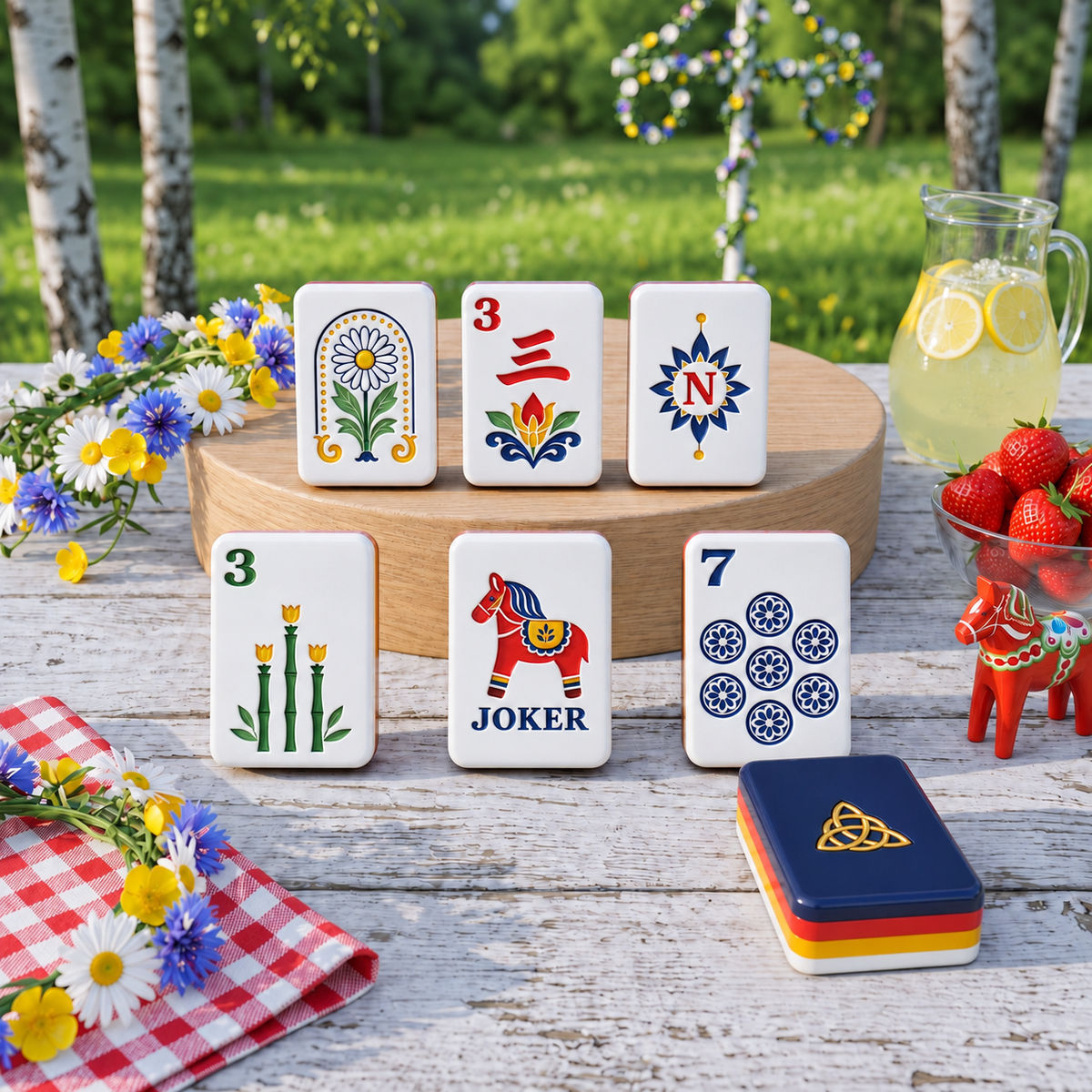
Malaysian mahjong uses 136 tiles (not 152 like American sets): three suits (Bams, Craks, Dots) numbered 1–9 in sets of four, plus 16 winds, 12 dragons, and 8 flowers—no jokers. Players draw and discard in a fast rhythm, aiming to form a complete hand of four melds plus a pair. The hand must be declared complete in one turn; you cannot expose partial melds mid-game. Scoring depends on tile combinations and speed. The game plays similarly to Chinese variants but emphasizes rapid tile flow over the structured card-based American system. If you play American mahjong regularly, switching to Malaysian requires unlearning the National Mah Jongg League hand restrictions and adapting to open melding. Most players find Malaysian mahjong faster and more action-driven than American play.
What tile count does Malaysian mahjong use?
Malaysian mahjong plays with exactly 136 tiles: three suits of 1–9 (four copies each = 108), plus 16 winds, 12 dragons, and 8 flowers. There are no jokers or blanks. This smaller tile pool means fewer pieces in play, which speeds the game considerably compared to American mahjong's 152-tile count. Players draw and pass tiles more quickly, and the game typically ends in 15–20 minutes per hand.

How does tile setup and the deal differ?
Each player starts with 13 tiles (East) or 12 tiles (South, West, North). The dealer (East wind) draws first, bringing their hand to 13. Players then draw and discard in turn order. The Charleston—the elaborate pre-game passing ritual in American mahjong—does not exist in Malaysian play; instead, players simply draw and discard continuously. There is no pre-drawn wall or Kong box; tiles flow directly from the wall to players' hands. This streamlined setup reduces setup time and keeps the game moving.
What melds can you form and expose?
In Malaysian mahjong, you form four melds plus one pair to win. A meld is either a pung (three identical tiles), a kong (four identical tiles), or a chow (three consecutive numbers in the same suit—for example, 3 Bam, 4 Bam, 5 Bam). Unlike American mahjong, chows are legal and can be exposed when called. You can also form quints (five identical tiles) and sextets (six identical tiles) as advanced melds. Any exposed meld freezes the hand composition; you cannot later substitute or rearrange exposed pieces. The winning hand must be complete in a single turn—you cannot build toward it across multiple draws.
How does winning and scoring work in Malaysian mahjong?
A player wins by announcing a complete hand of four melds plus one pair. Points are awarded based on the composition of melds (pungs score higher than chows, concealed melds higher than exposed ones) and whether the winning tile was drawn or claimed from a discard. Self-drawn wins ("zimo") score double. Bonus points apply for all-honors hands (winds and dragons only), all-terminals (1s and 9s only), and other rare combinations. The scoring system is simpler than American scoring but requires familiarity with point values; regional house rules often govern exact multipliers. A typical winning hand scores between 2 and 8 points in base scoring, with bonuses doubling or tripling the total.

How does Malaysian mahjong differ from American mahjong?
Aspect | Malaysian | American |
Tile count | 136 tiles, no jokers | 152 tiles + 8 jokers |
Chows allowed | Yes, can be exposed | No chows; pungs/kongs only |
Hand reference | Memory + regional variation | Annual National Mah Jongg League card |
Meld exposure | Any meld can be called mid-hand | Only pungs, kongs, quints, sextets |
Winning rule | Must complete in one turn | Must match the current year's card |
Setup ritual | Direct draw and discard | Charleston (three-pass tile exchange) |
Game pace | 15–20 minutes per hand | 20–30 minutes per hand |
Joker rules | N/A | Jokers substitute for any tile; never used alone or in pairs |
The most striking difference is freedom: Malaysian mahjong lets you form any legal combination of melds, while American mahjong restricts hands to those printed on the annual card. Malaysian play feels more fluid and improvised; American play is more strategic and standardized. If you've learned American mahjong from the League card, transitioning to Malaysian requires you to unlearn tile restrictions and relearn chow legality—a shift many players find liberating but initially confusing.
🀄 Shop best-selling mahjong sets →
What to check before you buy or play Malaysian mahjong
Before joining a Malaysian mahjong game, confirm the regional house rules: point values, bonus conditions, and whether players use a betting system vary widely across Malaysia, Singapore, and diaspora communities. Verify tile count (136 vs. 152). Ask whether the group plays with flowers and all winds, or omits them. Check whether chows are exposed, claimed, or both. Ask about the winning rule: must the hand be declared immediately, or can players draw multiple tiles before announcing? Since Malaysian mahjong has no standardized governing body like the National Mah Jongg League, every group's ruleset is local custom. Playing with a best-selling set from Mahstead ensures you have properly graded, durable tiles; clarity matters in fast-moving games where misidentification causes disputes.
Common mistakes when switching from American to Malaysian play
Forgetting chows are legal. American players instinctively avoid 1–2–3 sequences because they don't appear on the card. In Malaysian mahjong, 1–2–3 (any suit) wins immediately if you can complete the rest of your hand. Second-guess your American habits.
Exposing melds too early. In Malaysian play, an exposed meld locks in: you cannot reclaim it or substitute tiles. American players sometimes expose a pung thinking they can adjust later. Commit before you expose.
Drawing tiles casually. Malaysian games move fast. Slow draws delay play and frustrate opponents. Have your hand organized so you can discard within seconds of drawing.
Misremembering the tile pool. Malaysian sets have no jokers. If a group offers to "add jokers for fun," clarify the substitute rule first, or use a standard 136-tile setup.
Confusing scoring. Point values differ drastically between American and Malaysian play. Never assume a 2-point meld in Malaysian scoring equals a 2-point pattern in American scoring. Ask for the house scoring card before play begins.
🎁 See our most-loved mahjong sets & accessories →
Why does Malaysian mahjong remain popular in its regions?
Malaysian mahjong thrives because it requires no annual card, no pre-game study, and minimal equipment beyond tiles. Players develop intuition rather than memorizing 144 or more hand patterns. The game is faster, so more hands play in an evening. Regional pride also drives popularity: Southeast Asian players view Malaysian mahjong as distinct from the American and Chinese variants, a sign of local identity. The rules are taught by elder players, creating intergenerational continuity. For visitors to Malaysia, Singapore, or communities with diaspora ties, learning Malaysian mahjong opens social doors and deepens cultural connection.
For American mahjong players planning to visit these regions or joining online games with Malaysian rules, the transition is achievable: learn that chows exist, memorize that there are no jokers, and ask the group for their scoring before you ante. Most hosts are generous with new players and will pause to explain unfamiliar melds or bonus conditions. The fundamental goal—forming melds and winning a complete hand—remains the same.
✨ Find your Mahstead set — free US shipping →
To explore how different mahjong variants compare, browse our collection and choose a set suited to the rules your group plays. Our durable, clearly marked tiles work equally well for Malaysian, American, Chinese, or mixed-rule games; clarity is your best insurance against errors in any variant.

FAQ
Can I use American mahjong tiles to play Malaysian mahjong?
Yes, but with caveats. American sets have 152 tiles plus 8 jokers; Malaysian mahjong uses 136 and no jokers. Remove the jokers and two flowers or winds to match the 136-tile count, but joker substitution will feel unnatural in Malaysian play because the game was designed without them. A proper 136-tile set is cleaner.
Do Malaysian mahjong groups use the National Mah Jongg League card?
No. Malaysian mahjong has no annual card or standardized hand list. Players form any legal combination of four melds and a pair. Each group may have house rules for scoring and bonuses, but there is no central governing body issuing a card like the League does for American players.
How fast is a typical Malaysian mahjong game?
One hand usually takes 15–20 minutes; American games often take 20–30. Malaysian games move faster because there are fewer tiles, no Charleston setup, and no need to reference a hand card. Most groups play 8–12 hands per session.
Can I switch between American and Malaysian rules in the same evening?
Theoretically yes, but not recommended. The mental shift is disorienting: in American mahjong you watch for card patterns; in Malaysian you form any legal meld. Mixing them in one session causes confusion. Play one variant per gathering, or ensure at least a 10-minute break and a clear rule announcement before switching.
What is the most important rule to remember when learning Malaysian mahjong?
Chows are legal. Every player new to Malaysian mahjong makes the mistake of avoiding sequences. The second is that there are no jokers—if someone offers to "add jokers," clarify the exact rule before playing, or decline and stick to the standard 136-tile game.


View More
View More
View More
