
Mahjong Travel Bag for Small Tables: Fit & Pack Right
Last updated: Nov 23, 2026
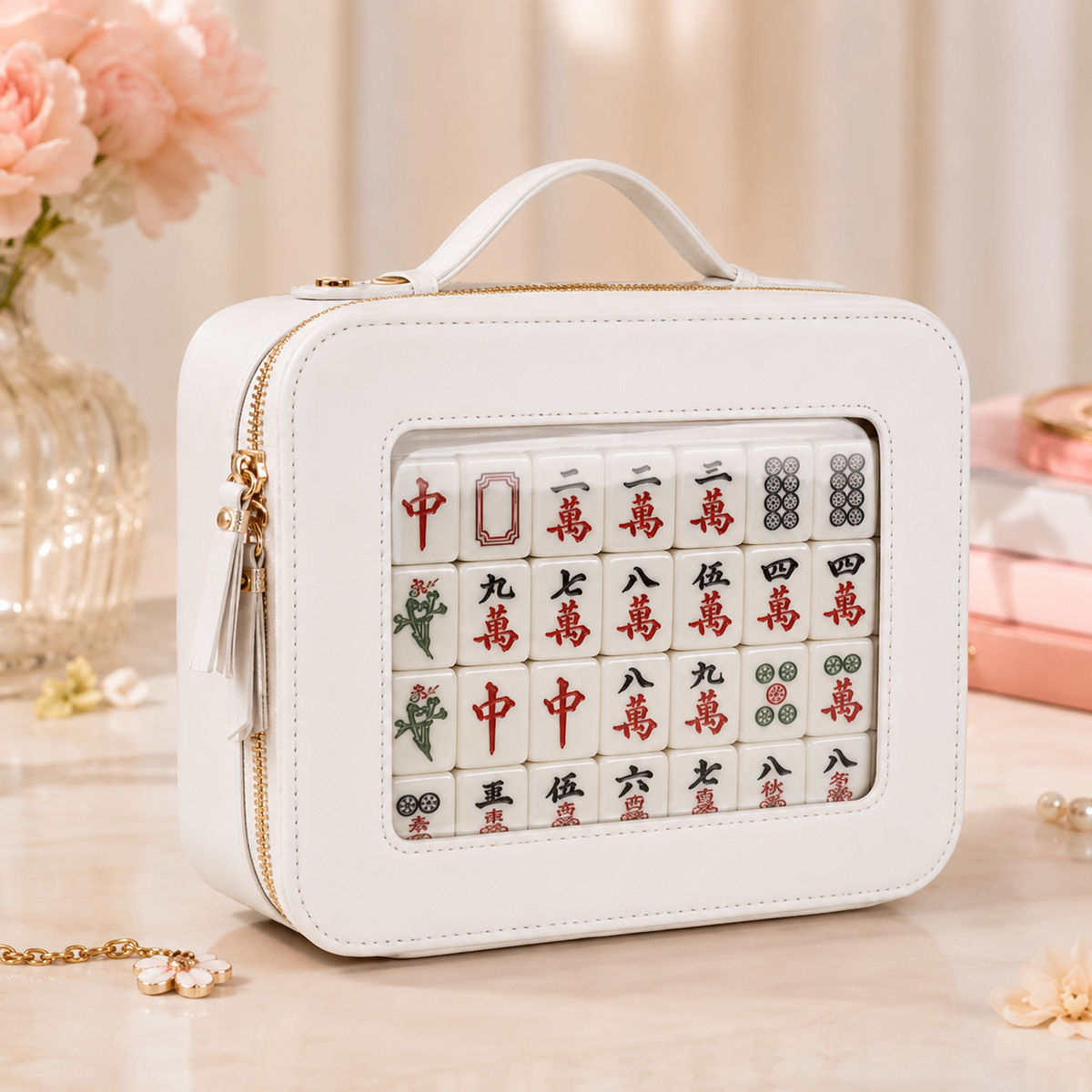
A mahjong travel bag for small tables is a compact carrying solution designed to hold a 160-tile acrylic American mahjong set, a small mat (typically under 36 inches square), and racks with pushers. We recommend bags with internal dividers or padded compartments to keep tiles from shifting during transport—loose tiles can crack or dent edges. Most compact travel bags measure 15–20 inches wide and weigh under 5 pounds when empty. Choose one with a handle or shoulder strap if you're walking or taking transit; a zippered main compartment is essential to prevent spills. At Mahstead, our travel bag collection ranges from soft-sided totes to rigid carrying cases—all sized for portability without sacrificing protection. ✨ Find your Mahstead set — free US shipping →
Why do small-table mahjong groups need a dedicated bag?
A dedicated bag prevents tile loss, protects acrylic from dings, and keeps your game mat from creasing. When you carry a set loose or in a shopping bag, tiles scatter in transit, jokers get lost, and mats wrinkle—all avoidable. A proper travel bag also signals respect for the game and keeps your tiles organized for quick setup at a friend's home or cafe. After weekly games for years, we've learned that a cracked tile ruins a hand mid-game and takes weeks to source as a replacement.
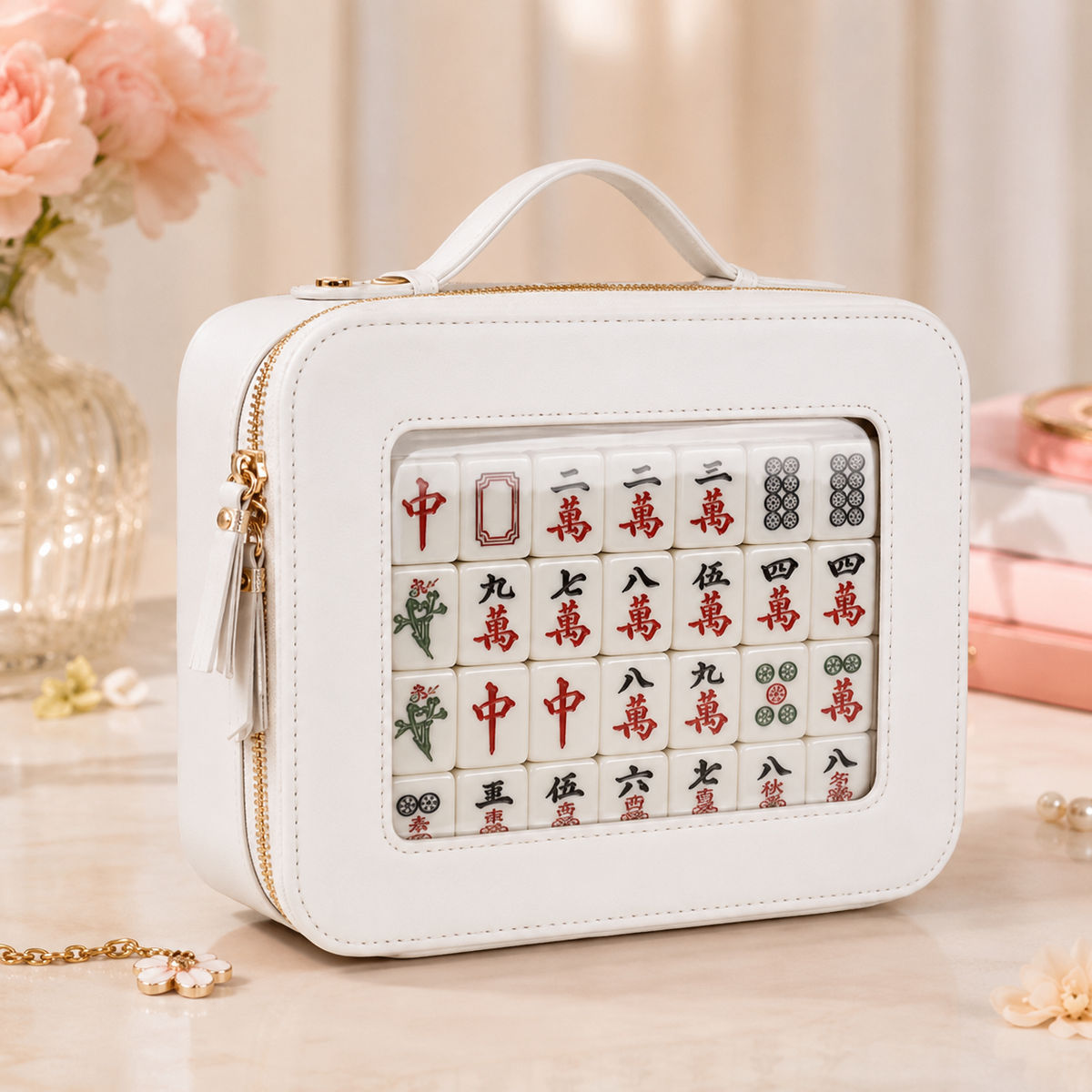
How do you match bag size to your playing space?
Measure your table's diagonal (small tables = 30–36 inches). A bag should hold your set (roughly 10 inches × 6 inches × 4 inches when cased) plus a mat no larger than 36 inches folded twice. If your table is under 4 feet, a compact bag (15–18 inches wide) works; if you play on a bridge table or card table, you'll need medium (18–24 inches). The travel bag collection is sized for apartment and small-space players—each product page shows interior dimensions in inches so you can confirm fit before ordering.
Space | Table Size | Bag Width | Fits | Best For |
Studio / small apartment | 30–36″ | 15–18″ | Set + mat folded 3× | Solo player, visits friends |
1-BR / small dining | 36–42″ | 18–22″ | Set + mat folded 2× + racks | Weekly 4-player group |
Standard table | 42–48″ | 22–26″ | Set + mat + racks + spare tiles | Monthly hosting |
🀄 Shop best-selling mahjong sets →
What materials protect tiles best during travel?
Acrylic tiles are durable but can stress-crack if a heavy bag shifts during braking or if tiles stack without padding. Padded nylon or canvas exterior walls resist punctures and water splash. Interior foam compartments or removable felt dividers keep tiles from colliding. Rigid cases (hard-sided) protect better than soft totes but take up more space in a closet. Soft-sided bags with reinforced stitching and a zipper stay lightweight and are easier to store. We favor bags with a dedicated tile tray that lifts out—it lets you organize tiles neatly and protects them from crushing under a mat or racks.
Do you need room for the mat and racks in the same bag?
Most small-table bags have a main compartment for tiles and secondary pockets for mats and racks. Mats fold to 12–18 inches; racks with pushers are flat and 10–12 inches long. If your bag is under 18 inches wide, you'll pack the mat separately or choose a bag with an exterior mat pocket or roll-sleeve. The best compact designs include a removable tile organizer tray that sits in the center, leaving space for a folded mat on one side and racks on the other. Check the product page's interior layout photo before ordering—some bags market themselves as "travel" but only fit the set, forcing you to carry the mat as a separate item.
🎁 See our most-loved mahjong sets & accessories →

What's the difference between a mahjong bag and a generic game-storage box?
A mahjong travel bag has a handle and is designed for repeated carrying; a storage box sits at home. Travel bags are lighter, have shoulder straps or top handles, and fold or compress for car storage. Boxes are heavier, often larger, and meant to be set down and left in place. If you're hosting at home and rarely move your set, a storage box works fine. If you rotate between players' homes or go to a club, a travel bag saves your back and keeps tiles safer during the move. Many players own both—a bag for transit and a box for home storage.
What should you check before ordering a travel bag online?
Before you buy:
Interior dimensions (compare to your mat folded twice + set box height)
Weight limit (if you're adding racks, dice, spare tiles, and snacks—bag + contents should stay under 8 pounds for comfort)
Zipper quality (metal zippers outlast plastic; check reviews for jamming)
Padding type (foam degrades after 2–3 years; felt dividers last longer)
Compartment count (at least one divided section for tile trays; one flat pocket for mat)
Strap type (handle only, shoulder strap, or both; test the strap width in your hand size)
Return policy (Mahstead offers a straightforward return process—confirm on the product page)
A well-chosen travel bag will carry your best-selling mahjong sets safely for years. Invest in a bag that matches your actual table size and transport habit—oversized bags leave tiles loose; undersized bags force you to leave the mat behind or damage it by forcing it into the case.
How to pack your mahjong set for travel: step-by-step
Remove jokers and blanks from the playing set (keep only 152 tiles + 8 jokers in play).
Place tile trays in order: Bams, Craks, Dots, Winds, Dragons, Flowers—use dividers to prevent sliding.
Fold your mat into thirds lengthwise, then fold in half or thirds crosswise; store in a flat pocket or wrap in a cloth.
Pack racks with pushers inside a small pouch or nest them face-down in a shallow compartment.
Add your card (the current-year National Mah Jongg League card) in a card slot or zip-lock bag to keep it flat and dry.
Zip the main compartment slowly and check that no tile trays have shifted; tap the bag gently to settle tiles.
Test the handle with the bag closed—if it pulls awkwardly, redistribute weight or remove spare tiles.
We recommend checking your set before every trip to make sure all 160 tiles and 8 jokers are accounted for, and that the bag itself shows no zipper wear or torn stitching.
Common mistakes that damage sets during travel
Overstuffing forces zippers and crushes racks. Leave at least 1 inch of space before zipping.
Stacking the mat on top of loose tiles creases both. Always use a divided tile tray or separate pocket.
Packing a damp mat inside an unventilated bag invites mildew and mold on tiles. Dry the mat completely first.
Carrying a bag by one handle loop can tear the loop away from the seam if the bag is heavy. Use both handles or a shoulder strap.
Forgetting to secure tile trays means tiles shift with every turn or bump. Most trays have clips or felt pads—use them.
Choosing a bag too large tempts you to overstuff it with books, snacks, or extra sets. Stick to one set per bag for safety.
✨ Find your Mahstead set — free US shipping →
FAQ
Can I fit a small mat and racks in a mahjong travel bag, or should I buy a separate one?
Most compact travel bags have a main compartment for tiles and a flat pocket or side sleeve for a folded mat. Racks fit in a small pouch or nest flat beside the tile tray. Check the product's interior dimensions before ordering—some bags squeeze mats but do so safely if you fold the mat three times.
What's the weight limit I should consider when choosing a travel bag?
A 160-tile acrylic set weighs about 3–4 pounds; a mat adds 1–2 pounds; racks add ½ pound. Total is roughly 5–7 pounds. If your bag plus contents stay under 8 pounds, carrying is comfortable for most players. Any heavier and shoulder fatigue becomes real during a 10-minute walk.
Do soft-sided bags protect tiles as well as hard cases?
Soft-sided bags with padded walls and interior foam compartments protect acrylic tiles well during normal transport (bumps, car stops, stacking in a closet). Hard cases offer more rigidity and are better if the bag is thrown into a trunk or stacked under other items. For apartment players and car travel, soft-sided is sufficient and easier to store.
How often should I replace a travel bag?
A well-made bag lasts 5–7 years with weekly use. Zippers fail first (usually 3–4 years), followed by stitching at stress points. If your zipper sticks or the strap tears, repair or replace the bag before the interior gets damaged. Check stitching and zippers twice a year.
Should I store my mahjong set in the travel bag at home, or use a separate storage box?
Use the travel bag only for transport. At home, store your set in a closet or cabinet with low humidity, away from direct sunlight. Long-term storage in a travel bag compresses foam and can cause tiles to warp. A dedicated storage box or open shelf keeps tiles flat and lets you spot missing tiles or damage at a glance.


View More
View More
View More
