
Mahjong Travel Bag: Choosing the Right Case for Your Set
Last updated: Nov 23, 2026
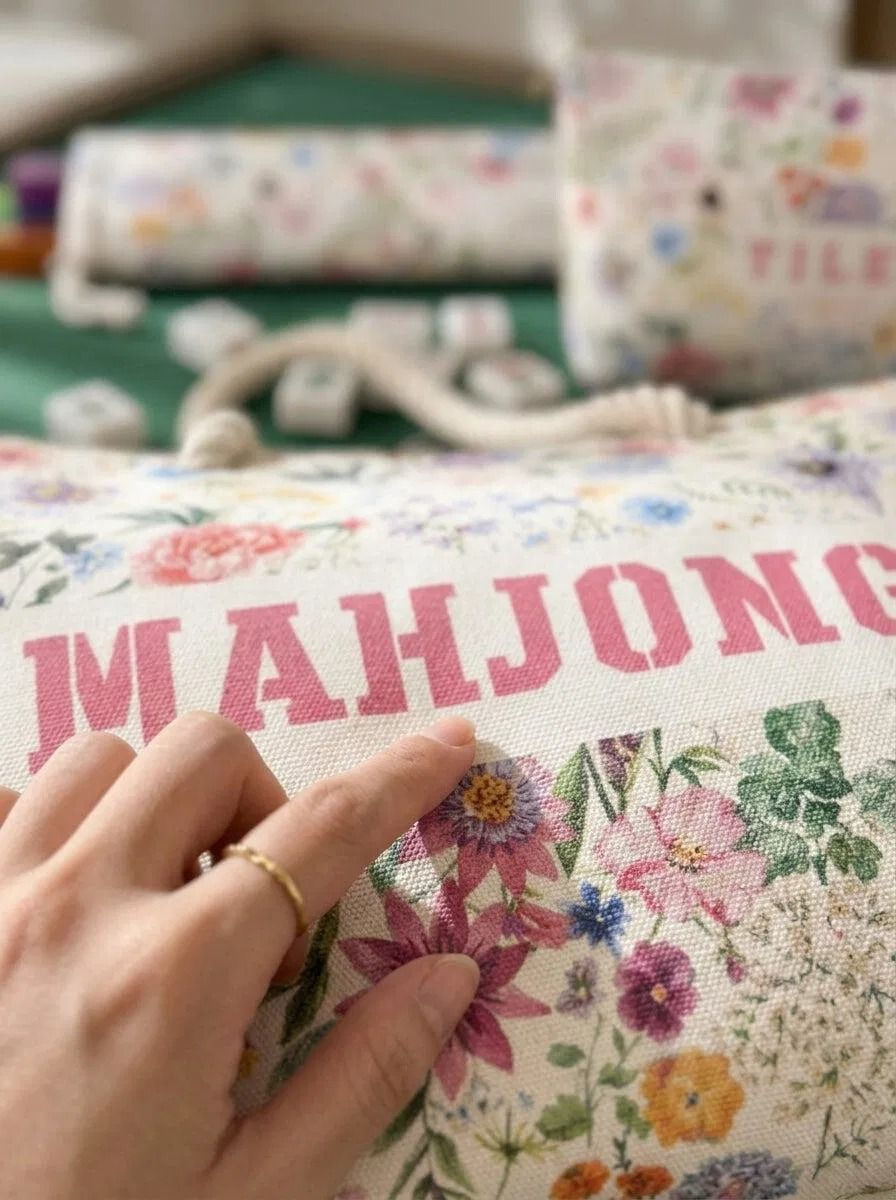
A mahjong travel bag is a protective carrier sized to hold a complete 160-tile American mahjong set, typically 14–18 inches across, plus room for mats, racks, dice, and cards. Soft nylon cases offer portability and durability for car travel; hard-shell carriers add crush protection for flights. Most include padded interiors, adjustable dividers, or rigid compartments to keep tiles from shifting. Prices vary based on material and interior organization—see current prices on the product page. Choose a soft case if you play weekly at homes or cafés nearby; pick a hard case if you fly to tournaments or vacations. Avoid bags without interior padding, as loose tiles rattle and can crack acrylic over time. Mahstead offers travel bags designed to fit our full 160-tile acrylic sets with room for mats and accessories.
What type of bag do I actually need?
We host four mahjong nights a month across Dallas—two at homes, two at community centers—and the type of bag you grab depends on how far you travel. For local car trips under an hour, a well-padded soft nylon bag works great: it weighs less, fits easily in the trunk, and the padding protects tiles from bumps on the road. For flights or long road trips, a hard-shell case is worth it. The rigid exterior absorbs impacts that soft bags can't; the interior clips or foam inserts lock tiles in place so they don't shift during takeoff or a pothole. Mid-range option: a semi-rigid bag with a sturdy frame and padded walls—good compromise for players who travel maybe twice a year.
🀄 Shop our travel bag collection →

How do I know if a bag will fit my set and accessories?
Interior dimensions are everything. An American mahjong set in a Mahstead acrylic case measures roughly 14–16 inches on its longest side, depending on the set design. You'll also want to carry a mat, rack with pushers, dice, and the current year's card. A good travel bag should have at least 16–18 inches of width and 12–14 inches of depth, plus vertical space for stacking. Before ordering, measure your set's box or use the product page photos to compare. Look for bags that list interior pocket counts: four pockets work for a set, mats, and small accessories; six or more let you organize dice, cards, and backup jokers separately. Bags without dividers risk tiles mixing with mats, which wastes setup time at the table.
Soft bag vs. hard case—what's the real difference?
Bag Type | Best For | Protection Level | Weight | Price Range |
Soft nylon with padding | Weekly car games within 30 min | Bumps, moisture | Light | Standard |
Semi-rigid frame | Monthly travel, occasional flights | Moderate drops, pressure | Medium | Mid-range |
Hard-shell carrier | Frequent flights, tournaments | Heavy impact, stacking | Heavier | Higher |
We've tested all three. Soft bags are fine for regular local play—our Thursday group drives 15 minutes to a community center every week and uses padded soft cases. The padding absorbs vibration from potholes, and a quality zipper keeps rain out. Hard cases shine when your set travels by plane or gets stacked in a car trunk with luggage on top. The rigid shell prevents the whole bag from compressing, which matters because even acrylic tiles can chip under sustained pressure. Semi-rigid is a middle path: costs less than full hard-shell but offers more structure than soft-only fabric. Check the product page for exact dimensions and material specs before buying.
✨ Find travel bags that fit Mahstead sets →

What should I look for inside the bag?
Interior organization keeps setup fast and tiles safe. Look for bags with padded dividers or compartments—they prevent tiles from rattling loose during transport. Elastic bands or clips to secure pockets are a plus; loose compartments shift during bumpy rides. A dedicated mesh or open pocket for mats is helpful, since rolled mats take up space differently than tiles. Check if the bag has a zippered pouch for small items: dice, chips, a spare joker or two, and your mahjong card fit neatly in a pocket rather than rolling around the main compartment. Avoid bags where tiles and mats go in the same unpadded space—moisture from mats can soak tiles, and friction can scratch acrylic finishes. If you're also carrying engraved American mahjong sets with custom artwork, interior padding is non-negotiable.
How do I pack my set to avoid damage in transit?
Start by laying tiles in their original tray or a padded compartment. Don't mix tiles with loose mats; roll mats separately and secure them with a velcro strap. If the bag doesn't have internal padding, wrap the tile tray in a soft cloth or yoga mat off-cut—this absorbs vibration. Place the wrapped tiles in the center of the bag, mats around the edges. Pack dice and cards in the zippered pocket so they don't roll around. For flights, place the bag in your carry-on if possible; checked luggage gets thrown, and hard-shell cases exist for this reason. If checking a soft bag, surround it with soft items (clothes, towels) to cushion it. We've had one cracked tile in five years of travel because we packed mats snugly around tiles and used a semi-rigid bag for a road trip to a tournament—that's the goal. Never put heavy items (books, canned goods) on top of your mahjong bag.
🎁 Explore our best-selling mahjong sets & accessories →
What to check before you buy
Size: Measure your set's box length, width, and height. Compare to the bag's stated interior dimensions—look for at least 2 inches of clearance lengthwise.
Material: Soft nylon with polyester lining works for weekly local play. Polycarbonate hard shells cost more but protect better for flights or tournaments.
Padding: Interior walls should be at least 0.5 inches thick. Flimsy bags collapse when stacked, and tiles shift inside.
Pockets: Count them. Fewer than three pockets means accessories (dice, cards, spare jokers) roll loose. More than six is overkill unless you carry backups.
Zippers: Smooth zippers are quieter and more reliable than cheap plastic pulls. Check product reviews for zip longevity.
Handle and strap: If you travel by plane, a padded handle or shoulder strap matters. You'll carry it one-handed through terminals.
Warranty or guarantee: Honest sellers stand behind bags. If the product page doesn't mention durability terms, email the seller before buying.
We reach for our travel bags and cases every other week, and the ones that last have reinforced zippers, padded interiors, and realistic weight limits listed upfront.

FAQ
Can I use a regular game or tool bag instead of a mahjong travel bag?
Mahjong bags are sized and padded specifically for tiles and mats. A generic bag may work if it's large enough and has interior dividers, but it won't have the right compartments or padding for acrylic sets. Custom mahjong bags cost only slightly more and protect your investment better.
What if my bag's padding gets wet during travel?
Damp padding can transfer moisture to tiles if left sealed. Remove your set immediately, unroll mats, and let everything air-dry separately in a warm room (not direct sun, which can warp mats). Avoid storing the bag in a damp basement; keep it in a climate-controlled closet.
How many sets can one travel bag hold?
One bag holds one standard 160-tile American set comfortably. A few oversized hard-shell carriers (check product specs) may fit two sets, but that's rare and adds significant weight. For multiple sets, use two bags or a rolling case.
Are hard-shell bags worth the extra cost if I only play locally?
Only if your car has rough roads, you carry the bag on planes once or twice a year, or your set sits in a warm trunk during summer. For weekly games within 30 minutes of home, a padded soft bag does the job and weighs less.
Can I carry a mahjong bag as a carry-on on a plane?
Yes, mahjong bags are small enough for carry-on if they fit the airline's size limits (typically 22 × 14 × 9 inches). Hard-shell cases with handles often fit within those bounds. Call your airline before booking to confirm.
What's the difference between a bag and a case?
"Bag" usually means soft-sided with padded fabric; "case" implies hard shell or semi-rigid frame. Both protect tiles, but cases offer more durability for air travel. Check product descriptions for exact construction.


View More
View More
View More
