
Mahjong Tournaments in Boston: Where to Play & How to Join
Last updated: Nov 23, 2026
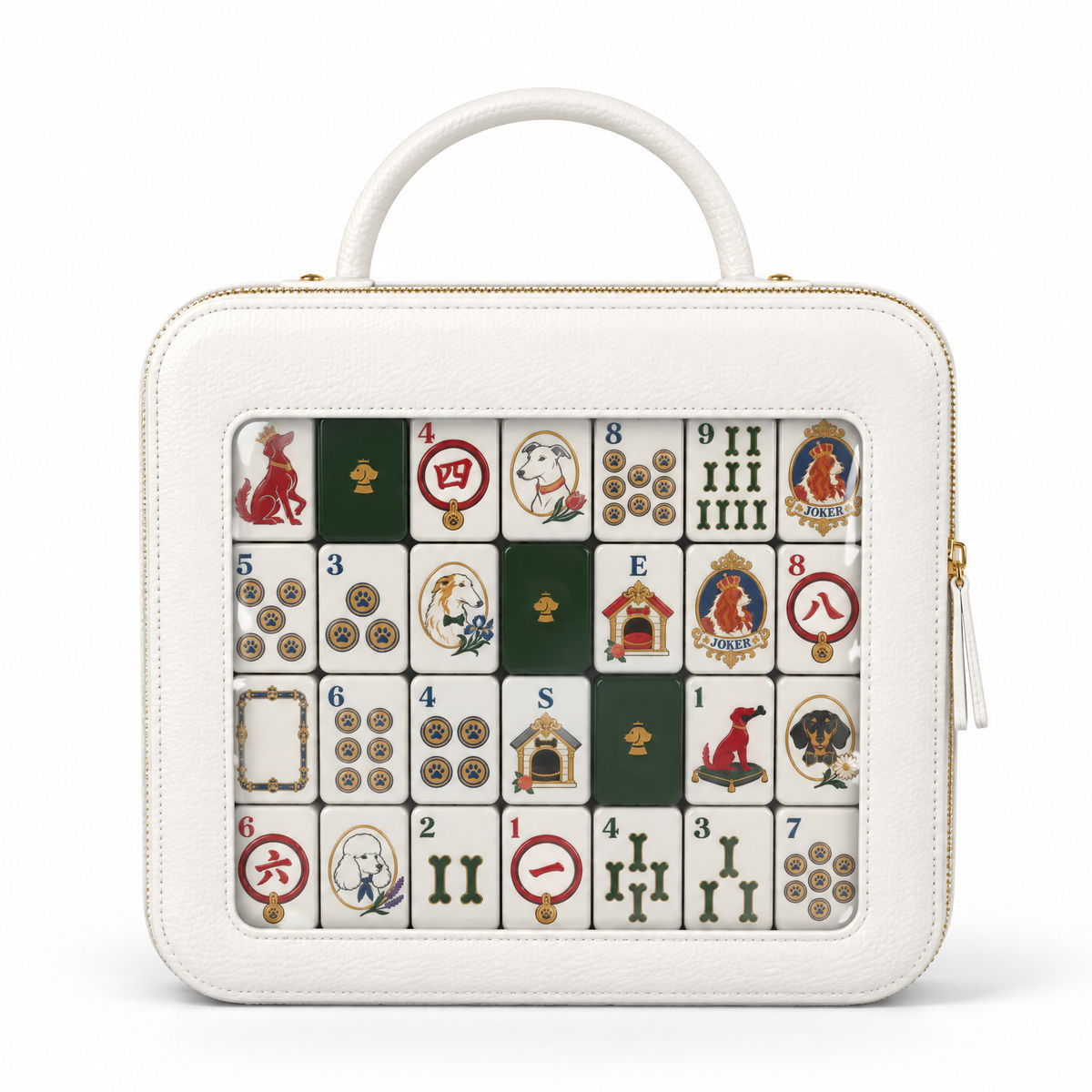
Boston's mahjong tournament scene centers on American mahjong (152-tile, four-player), with play organized through community centers, country clubs, synagogues, and independent meetup boards. Most tournaments run year-round during fall through spring; summer play slows. The National Mah Jongg League sanctions official tournaments that follow the current year's official card; you'll need to learn how to play American mahjong and bring your own set or rent one at the venue. Entry fees and tournament structures vary by organizer. Start by contacting local libraries, JCCs (Jewish Community Centers), community centers in neighborhoods like Newton, Brookline, and Cambridge, or searching Boston-area Meetup groups for "mahjong." Many clubs welcome newcomers; call ahead to confirm current schedules, as dates shift seasonally. You'll play better with a reliable 160-tile acrylic set and a quality mat at home to practice.
Where do Boston mahjong tournaments happen?
Boston mahjong tournaments take place at JCCs, country clubs, synagogues, community recreation departments, and senior centers across the metro area and suburbs. No single "headquarters" exists; instead, multiple organizers run events independently. Libraries often post flyers or maintain bulletin boards listing local clubs and upcoming tournaments. Country clubs in the area occasionally host tournaments on weekends; synagogues with Jewish populations often sponsor regular weekday and weekend play for members and guests. Call community centers in your neighborhood first—many have standing Monday or Thursday sessions that attract tournament-level players. Boston Meetup boards are reliable for finding informal groups that organize casual meetups, and many include competitive players seeking sanctioned tournament opponents.

How do I enter a Boston-area mahjong tournament?
Entry is straightforward: contact the tournament organizer directly (via Meetup, library bulletin board, or synagogue office) to confirm the date, location, start time, and entry fee. Ask whether the tournament follows the current year's National Mah Jongg League card and what format is used (Swiss, round-robin, or knockout). Inquire if sets are provided or if you must bring your own; many venues require players to bring personal sets. Request the skill level breakdown—tournaments often separate newcomers from advanced players. Confirm parking, arrival time (usually 30–60 minutes early for sign-in), and whether lunch or refreshments are included. Some tournaments require membership in a local club; others are open to anyone. Pay the entry fee at the door or in advance, depending on the organizer's policy. Arrive early to meet the director and clarify any house rules.
What's the difference between casual Boston clubs and sanctioned tournaments?
Casual weekly clubs meet at libraries, community centers, or homes for social play with friends—no entry fee, no official record, and often flexible rule interpretations. Sanctioned tournaments follow National Mah Jongg League rules strictly, use the official annual card, record wins and losses for rankings, charge entry fees (typically covering venue rental and organizer costs), and attract competitive players tracking seasonal results. Casual clubs welcome learners and treat mahjong as a social event; tournaments demand rule knowledge and card familiarity. Many Boston players start in casual clubs to build skill, then move to tournaments for the competitive element. Some venues host both: a casual session early in the day and a tournament-level game later. Beginners should start casual; learn the rules and Charleston first, then transition to tournaments once you read the card confidently.
🀄 Shop best-selling mahjong sets →

How do I prepare for my first Boston tournament?
Preparation begins at home. Master how to read the mahjong card—the League card changes yearly, so print the current year's version and study hand patterns for 30 minutes daily. Practice the Charleston ritual and tile-passing sequences; most Boston clubs use the standard three-pass Charleston, so drill it until it's automatic. Play weekly at a casual club to build confidence and learn local house variations. Invest in a quality mat and reliable set for home practice; tournaments run on standardized mats and tiles, so familiarity helps. Review American mahjong scoring to understand payout scales and how hands rank. Bring a notebook to your first tournament; jot down new hands, house rules, and player names. Hydrate, eat lightly beforehand, and arrive 45 minutes early to settle nerves and chat with other players.
Preparation Item | Why It Matters | How Long | Notes |
Current League card | Hands are only valid from the year's official card | 1 hour to study | Print or memorize key patterns |
Home practice set | Familiarity with tile speed and hand shapes | 2–4 weeks, 3–5 hours/week | Use the same tile size/material as tournament venue |
Charleston drills | Speed and muscle memory reduce errors | 2–3 weeks, 10 min/session | Practice with the same player count (4) |
Scoring review | Understand payouts and hand point values | 1 hour | Boston tournaments may use slightly different scoring; ask organizers |
Venue visit (optional) | Reduce first-day jitters | 1 visit | Call ahead to confirm public access |
What should you bring to a Boston mahjong tournament?
Bring your own 160-tile American mahjong set unless the tournament provides one—most Boston venues do not. Confirm with the organizer first. Pack your set in a protective bag; travel to tournament venues on public transit or in a car means tiles can shift or crack if not cushioned. Bring the current year's National Mah Jongg League card (printed or your own copy) and a pen for scoring. Wear comfortable clothing and bring water—tournament sessions run 3–4 hours with one break. Some venues provide snacks; bring a light lunch if unsure. Leave valuables at home; tournament halls are generally safe, but crowded environments attract theft. Bring cash or a phone-pay app for entry fees and any optional raffle. A small notebook helps you record hand patterns you encounter, new strategy tips from other players, and organizer contact info for future events.
🎁 See our most-loved mahjong sets & accessories →
What should you check before you buy a set for tournament play?
Tournament play demands tile durability and standardized sizing. American sets sold online vary in tile material (plastic, acrylic, resin, bamboo), thickness, and weight; tournaments expect 160-tile acrylic or resin sets that feel familiar to home clubs. Before buying, confirm the set includes exactly 152 playable tiles (108 suited tiles, 16 winds, 12 dragons, 8 flowers, 8 jokers) plus spares. Check that the tiles are uniform in size and weight—unbalanced tiles can jam in racks and slow play. Verify the set includes racks with pushers; many budget sets ship without them, forcing you to buy separately. Look for sets sold with a protective travel bag if you'll transport to tournaments frequently. Read reviews or ask Boston club players which sets they use at home; consistency across multiple sets helps you transition between venues. Mahstead's best-selling collection includes durable acrylic 160-tile sets with racks, pushers, and bags suited to tournament environments.

FAQ
Are there NMJL-sanctioned tournaments in Boston every month?
Frequency varies by season. Fall and winter typically host 2–4 tournaments monthly across the metro area and suburbs; summer slows to occasional weekend play. Contact local clubs for a calendar.
Do I need NMJL membership to enter a Boston tournament?
Most Boston tournaments do not require League membership, but some venues require local club membership. Ask the organizer before registering.
What's the typical entry fee for a Boston mahjong tournament?
Entry fees vary by organizer and format, typically ranging based on venue costs and prize pools. Confirm the exact fee when you register.
Can I rent a mahjong set at a Boston tournament venue if I don't own one?
Some venues offer rental sets; most do not. Contact the organizer in advance. If rentals aren't available, borrow from a Boston club member or order a portable set beforehand.
Is American mahjong the only variant played in Boston tournaments?
American mahjong (152-tile, four-player, National Mah Jongg League rules) dominates Boston. Casual games may include Riichi or Chinese variants, but sanctioned tournaments strictly follow American rules and the annual League card.
How long does a typical Boston mahjong tournament round last?
A single round runs 45 minutes to 1 hour, depending on player speed and organizer policy. A full tournament session usually includes 4–6 rounds with breaks, totaling 3–4 hours.
What happens if I don't know a hand during a tournament?
Ask the director or a seasoned player to clarify before tiles are discarded. Mistakes caught immediately can be corrected; disputes after the hand closes follow organizer house rules. Knowing how to read the card prevents most confusion. ✨ Find your Mahstead set — free US shipping →


View More
View More
View More
