
Mahjong Tiles Materials Compared: Acrylic vs. Bone & Bamboo
Last updated: Nov 23, 2026
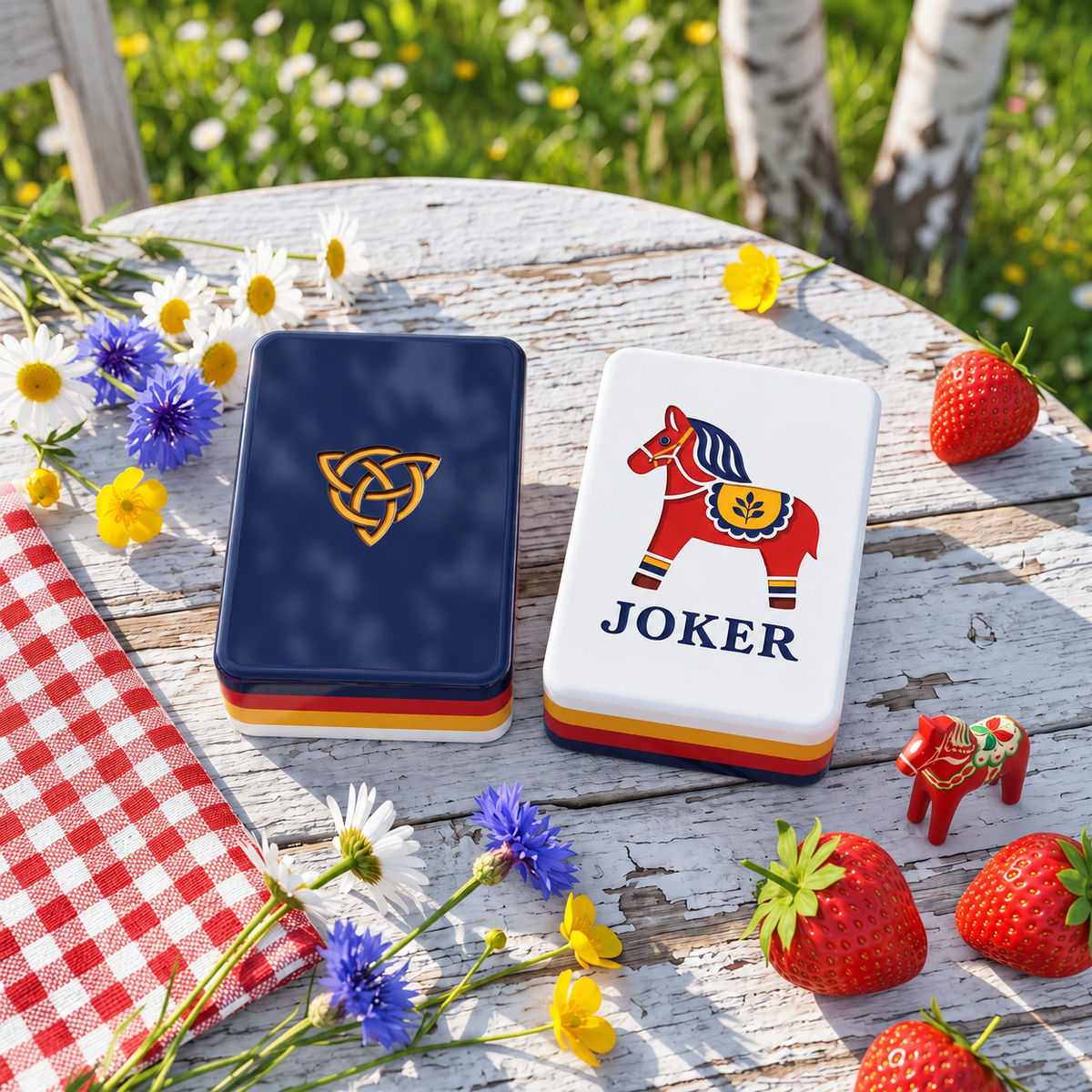
American mahjong tiles come in four main materials: acrylic (durable, affordable, bright colors, easiest to engrave), bone and bamboo (traditional weight and warmth, higher cost, fragile), resin (lightweight, budget-friendly, less tactile), and vintage bakelite (rare, collector-grade). Acrylic dominates because it survives weekly play, resists fading, and takes custom engraving cleanly. Bone and bamboo appeal to purists who value authenticity and hand-feel—tiles click softly, feel warm—but crack under pressure and cost significantly more. Resin bridges cost and durability for casual players. Our engraved acrylic sets from our best-selling collection are molded in Dallas and ship free across the US. Choose based on play frequency, budget, and whether aesthetics or longevity matter more to your group.
Which material survives a weekly game without cracking?
Acrylic wins hands down. A 160-tile acrylic set endures years of weekly shuffles, discards, stacking, and rack clicks without crazing, chipping, or fading. Bone and bamboo, while beautiful, craze (develop fine stress fractures) within months if shuffled hard or stored in humidity swings. Resin tiles resist cracking but dull faster and don't hold engravings as crisply. Bakelite, the brown vintage material from mid-20th-century sets, hardens over time and becomes brittle. For games played more than twice monthly, acrylic is the only material that won't demand replacement tiles within two years.

What does "feel" really mean, and does it matter?
Feel combines weight, sound, and temperature when you hold a tile. Bone and bamboo tiles are heavier (around 3–5 grams each), click softly when discarded, and warm in your hand—many players say this mimics the ritual of older games. Acrylic tiles are lighter (roughly 2–3 grams), click crisply (some prefer this, others find it harsh), and stay neutral in temperature. Resin falls between: lighter than bone but warmer than acrylic. If you're playing casually with friends, feel matters little; if you're a serious player or hosting players who've grown up with traditional sets, bone or bamboo feel can justify the cost. Test both at a local library or community center game before buying.
How much does material affect the price?
Here's a concrete comparison based on what players typically pay:
Material | Typical set cost basis | Durability (years, weekly play) | Best for | Why it costs what it costs |
Acrylic | Lowest | 5+ | Casual to serious weekly players | Molds quickly, no hand-finishing, engraves cleanly |
Resin | Low to mid | 2–3 | Budget-conscious casual groups | Faster to pour than acrylic, less detail in finish |
Bone & bamboo | Mid to high | 1–2 (if lucky) | Collectors, once-monthly games | Hand-carved, rare sourcing, labor-intensive finishing |
Bakelite vintage | High (secondhand) | Unpredictable | Museum-minded collectors | Scarcity, historical cachet, condition gamble |
Acrylic sets from our collection cost less upfront because manufacturing is efficient; you pay once and play for years. Bone requires hand-finishing and careful handling, so replacement tiles run higher per unit. Resin is cheap to produce but degrades faster, making it false economy for a group that plays weekly.
🀄 Shop best-selling mahjong sets →
Can you really see engravings on every material?
Not equally. Acrylic holds laser engravings crisply: numbers, flowers, player names, and clan logos stay legible for years because the material is uniform and doesn't dull. Bone and bamboo engravings are hand-routed or painted; paint fades and routed lines fill with oil or dirt over time—they're beautiful when new but age visibly. Resin engraving is possible but shallow; details blur as the surface scuffs. Bakelite takes engraving well if you find a skilled engraver, but it's rare in modern sets. If you want your set personalized—names on racks, a date, a family crest—acrylic is the only material where that investment stays sharp for decades.

What should you check before ordering?
Before you buy, ask yourself these five questions:
Play frequency: Weekly? Choose acrylic. Monthly or less? Bone or resin work if budget allows. Daily? Acrylic only.
Storage conditions: Dry, temperature-stable room? Bone is safer. Hot car, basement humidity, or sun exposure? Acrylic is non-negotiable.
Who's playing: Serious players who've handled vintage sets? They'll notice and appreciate bone weight and click. Casual group? Acrylic feels fine to everyone.
Budget flexibility: Can you replace tiles? Bone sets are sunk cost; cracks mean buying singles or a new set. Acrylic tiles are cheaper to replace but rarely need it.
Aesthetic priority: Do you want a showpiece that matches your decor (bone looks stunning on a display shelf), or a workhorse that vanishes into weekly routine (acrylic disappears—nobody thinks about it, just plays)?
Acrylic ticks all five boxes for most groups. Bone makes sense if you play rarely and value visual drama. Resin is the compromise for budget but short on durability.
🎁 See our most-loved mahjong sets & accessories →
How do engraved sets differ from standard production?
All Mahstead sets are custom-engraved in our Dallas workshop before shipping. Standard production—the tiles you'll find in most big-box retailers—uses printed or stamped imagery that can fade or chip. Engravings are carved or laser-marked into the tile surface itself, so they're permanent. This matters because printed imagery on budget resin or bone sets often looks fuzzy under raking light and wears within a season of hard play. With acrylic engraving, the mark is fused into the material; it cannot separate or fade. If you're buying a set to host the same group weekly for years, the durability of engraved imagery (available on our mahjong titles collection) justifies the investment over generic mass-produced sets.
Why does humidity matter for bone and bamboo?
Bone and bamboo are hygroscopic—they absorb and release moisture as humidity changes. In a dry winter climate, tiles shrink slightly; in humid summers, they swell. These micro-expansions cause stress and cracking, especially at seams where tiles were glued or finished. Acrylic is inert; humidity doesn't affect it. If your game room swings from 30% humidity (winter heating) to 70% (summer or basement), bone tiles will develop surface crazing within a season. Acrylic stays stable across that entire range. This is why we use acrylic in our designs for players who game year-round in changing climates.
A comparison table for your decision:
Scenario | Best material | Why |
Game room, stable 45–55% humidity, played 2×/month | Bone or acrylic | Humidity won't stress bone; play frequency is low |
Basement or humid climate, played weekly | Acrylic only | Humidity + frequency = bone fails fast |
Dry home, played 1×/month, display valued | Bone with case | Low stress; humidity controlled; looks beautiful |
Travel, outdoor events, beginner group | Acrylic | No breakage risk, lightweight, forgiving |
Collector, museum-style showcase | Bakelite vintage | Bought secondhand; handled minimally |
✨ Find your Mahstead set — free US shipping →
Your choice of material is a bet on how you'll play. Acrylic says "I'm serious about this and I play often." Bone says "I value tradition and I'm careful." Resin says "I want to try mahjong without overcommitting." Once you pick a material, pair it with a protective mahjong bag or case if you transport it, and a mat if you want to preserve the playing surface and keep tiles from shifting during reshuffles.

FAQ
Can I mix tiles from different material sets in one game?
No. In American mahjong, all 152 playing tiles plus 8 jokers must come from the same set. Mixing materials creates weight and size inconsistencies that break the flow of shuffling and stealing. Always use one material per game.
Do engraved acrylic tiles cost more than plain ones?
Yes, but the difference is modest because engraving is efficient in acrylic. Plain acrylic tiles save money upfront but offer no personalization; if you're building a set to keep for years, engraving (player names, a date, a pattern) adds lifetime value and makes the set unmistakably yours at the table.
If I buy a bone set, can I replace cracked tiles?
Theoretically yes, but replacements are expensive and hard to match (aging and finish vary). It's often cheaper to buy a new set. Acrylic allows single-tile replacement at much lower cost because production is standardized.
How do I know if a set's engravings will last?
Laser engravings on acrylic last indefinitely. Hand-routed bone engravings fade over years of handling. Ask the seller: "Is this laser-engraved or hand-routed?" Laser = permanent. Hand-routed = beautiful now, fades later.
What material do professional tournament players use?
American mahjong tournaments follow National Mah Jongg League rules and allow any material, but acrylic dominates because it's durable and consistent. Serious players value reliability over aesthetics; they want tiles that won't crack mid-tournament and won't distract from strategy.


View More
View More
View More
