
Mahjong Tile Sizes Explained: Standard & Custom Options
Last updated: Nov 23, 2026
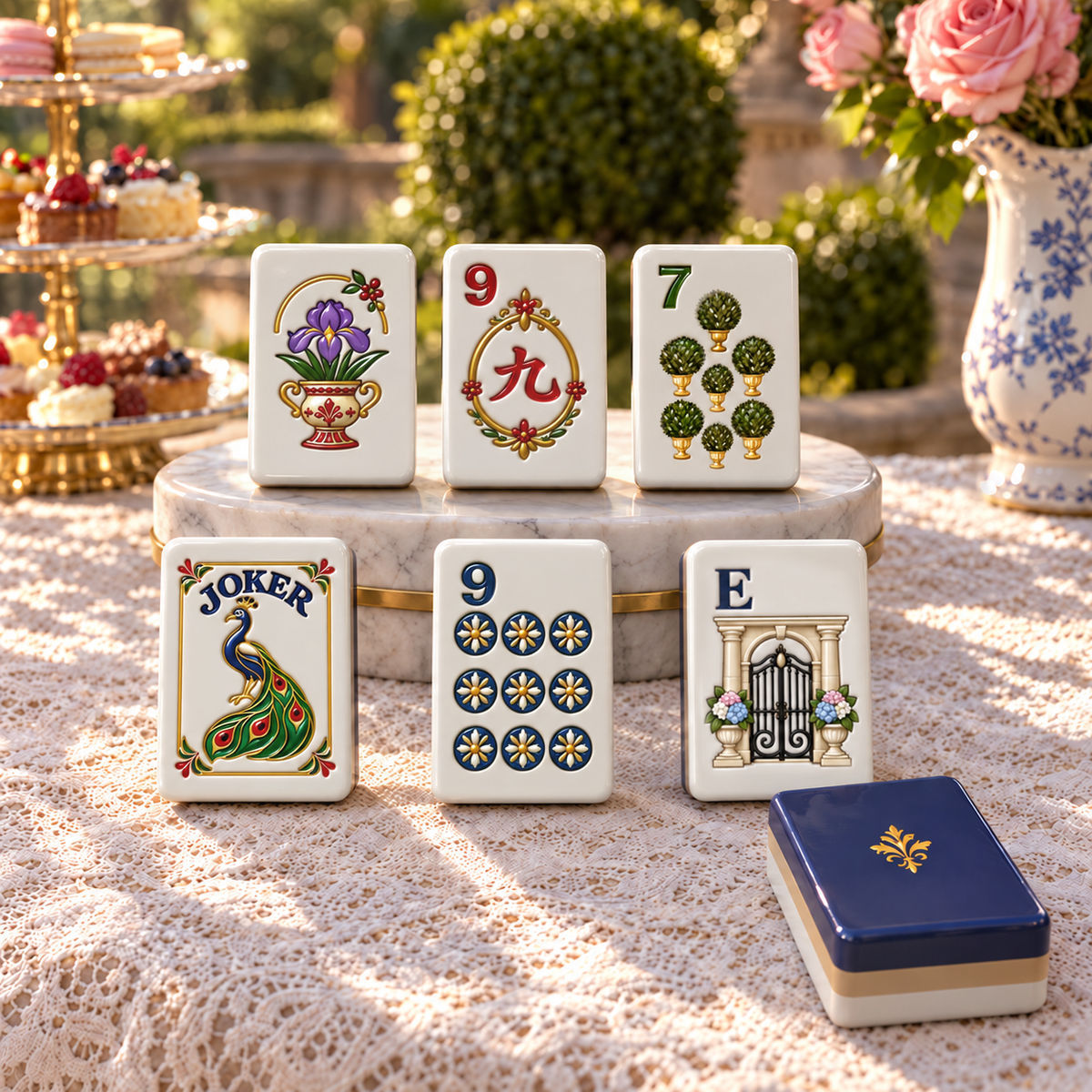
Standard American mahjong tiles measure approximately 0.5 inches wide by 0.75 inches tall (12 mm × 19 mm) in acrylic, the most common modern material. Plastic tiles run slightly smaller; bamboo and bone hand-cut tiles vary widely. A full 152-tile American set fits on a standard dining table and inside a carry bag when organized. Tile size affects grip comfort, table real estate, and readability of symbols—especially important for players with vision challenges or arthritis. Larger tiles cost more to produce and ship; smaller tiles suit travel. Our engraved American mahjong sets in acrylic maintain the standard 0.5-inch width, balancing durability, precision engraving, and usability across decades of weekly games.
Why does tile size matter for gameplay?
Tile size affects how fast you draw, whether you can read symbols at a glance, and how comfortably you hold a hand of 14 tiles. Half-inch tiles let four players see the discard wall clearly without leaning over. Smaller tiles save table space but force squinting; larger tiles (0.6+ inches) demand more real estate and heavier shipping. We've found 0.5-inch acrylic strikes the balance: large enough to read engraved symbols under room light, small enough to fit a standard mahjong mat without crowding. Players with arthritis or limited dexterity often prefer slightly thicker tiles (acrylic over thin plastic) because they're easier to grip and push with racks and pushers.

How do material and thickness affect size perception?
Acrylic tiles feel substantial and stack neatly; plastic tiles are lighter but thinner, making them harder to handle during the Charleston or when building the wall. Bamboo and bone tiles, traditional in Hong Kong and Chinese mahjong, range from 0.4 to 0.6 inches wide depending on hand carving—inconsistency that adds charm but slows shuffling. Thickness matters: a 0.25-inch-thick tile is easier to push and flip than a flimsy 0.15-inch plastic tile. When you store 152 tiles in a bag or case, thicker acrylic takes up marginally more space but remains portable. Acrylic also resists staining from food and drinks during long Friday nights—a practical advantage over porous bone.
What's the difference between American, Chinese, and Hong Kong tile sizes?
American mahjong standard is 0.5" × 0.75" acrylic. Chinese mahjong tiles are often slightly smaller (0.4"–0.5" wide) and made of bamboo or wood with inlaid bone backs; they're lighter and click distinctively when shuffled. Hong Kong tiles are similar but sometimes narrower (0.35"–0.45") to fit hand-carved details. Riichi (Japanese) tiles mimic Hong Kong dimensions. The variant you play determines what size feels "right"—switching from American to Hong Kong mahjong means relearning hand comfort and wall speed. If you host multiple variants weekly, keeping both tile sizes on hand prevents confusion and honors each game's tradition. American players new to Hong Kong rules often struggle with smaller tiles initially; a few sessions adjust muscle memory.

How do you measure your table before buying a set?
Measure your play surface diagonally from corner to corner; a 48-inch square or 60-inch round table comfortably fits four players with a 0.5-inch tile set. Mark the discard wall area (center 12 inches) and each player's hand space (14–16 inches per side). If your table is smaller than 42 inches, tiles may overlap during wall building. Place a test hand of tiles on the table to confirm sightlines. Pair measurements with a mahjong mat—its stitched zones guide tile placement and reduce shifting during play. Our mats are sized for standard 0.5-inch tiles; a mat prevents tiles from sliding and defines the discard pond clearly, cutting disputes over which tile was played when.
🀄 Shop best-selling mahjong sets →
What tile size works best for travel and storage?
Smaller tiles (0.4 inches or less) fit compact cases; standard 0.5-inch acrylic tiles require a 12" × 8" × 4" case minimum. A carry bag with compartments holds 152 tiles plus racks, pushers, and a score pad without bulging. If you travel weekly to tournaments or friends' homes, acrylic tiles pack safely without chipping because acrylic resists impact better than plastic. Bamboo tiles are lighter for airline carryon but more fragile. Our best-selling sets pair standard 0.5-inch tiles with optional matching bags, so you transport everything as one compact unit. Test your preferred case by loading tiles and shaking it gently—if tiles rattle loudly, padding is too thin.
Scenario | Tile Size | Material | Why | Storage Impact |
Weekly home game | 0.5" | Acrylic | Reads easily, standard feel | Fits standard bag |
Travel tournaments | 0.4"–0.5" | Acrylic | Durable, light enough | Compact case |
Collectible/display | 0.5"–0.6" | Bamboo or bone | Hand-carved beauty | Display box or shelf |
New players/large hands | 0.55"–0.6" | Acrylic | Easier grip, wider symbols | Larger table needed |
Low-vision players | 0.5"+ with deep engraving | Acrylic | Contrast and tactile feel | Standard bag |
🎁 See our most-loved mahjong sets & accessories →
What to check before you buy
Before ordering, confirm the tile count (always 152 for play, plus spare jokers or blanks) and material. Acrylic tiles should feel smooth, not sticky or dimpled. Ask whether engraving is recessed (holds dirt over time; requires cleaning) or raised (stays cleaner). Check case dimensions against your table setup. If you're new to mahjong, 0.5-inch acrylic is the safest choice—it's the industry standard, readable, durable, and fits all common mats and bags. Avoid novelty tiles under 0.4 inches unless you have small hands or limited table space; they slow the game and frustrate experienced players. Request photos or samples if you're unsure about engraving depth or symbol clarity.
✨ Find your Mahstead set — free US shipping →

FAQ
Can I use tiles of different sizes in one set?
No. Tiles of different sizes feel uncomfortable in hand, slow shuffling, and create uneven stacks during wall building. Always use one size per game; if you own multiple variants, store them separately.
Do engraved tiles play differently than printed tiles?
Engraved tiles grip slightly better because recessed symbols add micro-texture; they're also more durable for decades of weekly play. Printed tiles are cheaper but symbols fade and peel with age and moisture.
What's the standard size for American mahjong played in tournaments?
Tournament-standard tiles are 0.5 inches wide by 0.75 inches tall in acrylic. Most National Mah Jongg League clubs and organized play use this size to ensure fairness and consistency.
Are vintage mahjong tiles smaller than modern ones?
Yes. Vintage bone and bamboo tiles (1970s–1990s) often run 0.4–0.45 inches wide because hand carving was less precise. Modern acrylic manufacturing holds tighter tolerances at 0.5 inches.
How do I know if a tile is too small for my hands?
If your fingers overlap when holding three tiles side by side, the tiles are too small. Test by holding a sample tile or measuring your hand span against product photos before ordering.


View More
View More
View More
