
Classical Chinese Mahjong Lessons Online: Guide & Tips
Last updated: Nov 23, 2026
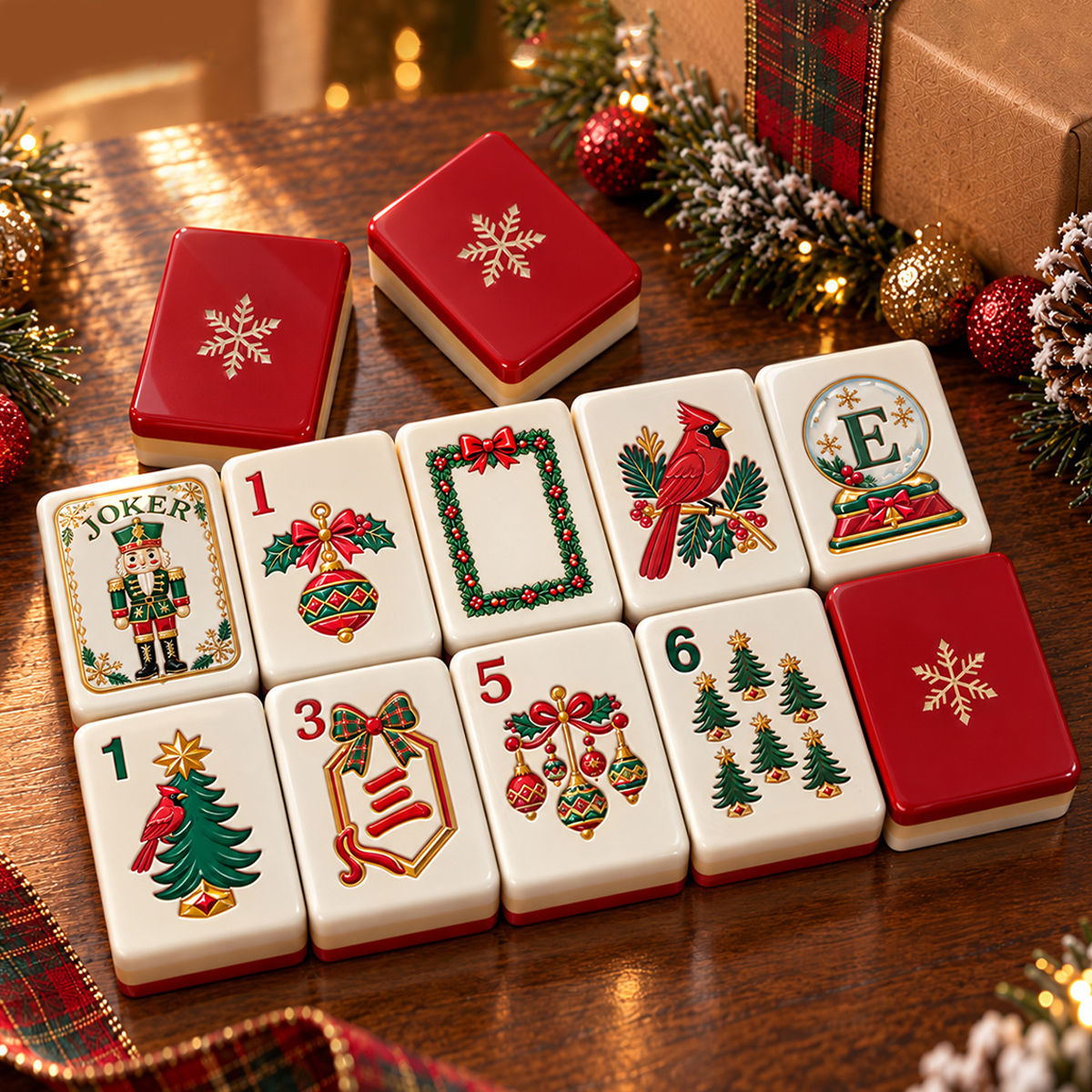
Classical Chinese mahjong lessons are available through live video platforms (Zoom, WeChat, YouTube) via independent teachers, community organizations, and international mahjong societies. Unlike American mahjong, classical Chinese play includes sequences (chows: three consecutive numbers in one suit), has no jokers in standard play, uses 144 tiles (one copy of each tile, no duplicates or dragons in the basic version), and follows simpler hand-completion rules without a reference card. Lessons typically run 60–90 minutes per session and cost varies by instructor; many offer beginner packages or hourly rates. To find them, search "[your region] classical Chinese mahjong lessons," check local Chinese cultural centers, temples, or university continuing-education boards. Before enrolling, confirm the instructor teaches the variant you want (Cantonese, Taiwanese, or mainland rules differ), verify they use video that shows tile details clearly, and ask whether they recommend practice tiles or provide digital hand simulators. Our best-selling sets work for offline practice once you've learned the foundation online. --- 🀄 Shop best-selling mahjong sets →
How is classical Chinese mahjong different from what I'm learning online?
Classical Chinese mahjong allows chows—sequences of three consecutive numbers in the same suit (e.g., 2–3–4 Bamboo)—which American mahjong forbids. Chinese variants discard the dragon/flower tiles entirely or use them as bonuses. Scoring is additive and lower than American play; hands win with fewer points. The hand-completion rules are more flexible: you can win with the last tile drawn, the last tile discarded, or even a robbed kong. Most online lessons teach either Cantonese (Hong Kong style), Taiwanese, or mainland variants, each with subtly different point values and winning conditions. Ask your instructor which variant they teach before starting.

Where do I actually find a qualified classical Chinese mahjong teacher?
Search YouTube for "classical Chinese mahjong tutorial" or "[your region] 麻將 lessons" (use the Chinese characters). Check local Chinese cultural associations, community centers, temples, or university extension programs—many now offer Zoom sessions. Facebook groups and WeChat communities organized by region often list active teachers. Reddit communities like r/Mahjong connect learners with instructors. For international options, search "online mahjong academy" or look for teachers on platforms like Wyzant or Care.com who specialize in games. Always ask for a trial lesson or sample video before committing.
🎁 See our most-loved mahjong sets & accessories →
What's the actual time commitment for online classical Chinese mahjong lessons?
Most beginner courses run one to three months at one or two sessions per week. Each live session is 60–90 minutes. Initial lessons cover tile types, hand patterns, and basic scoring; weeks two and three introduce strategy and live play. Intermediate students practice faster play and advanced hands. Expect 2–3 hours of solo review per week (memorizing hands, recording games, playing against AI simulators if your teacher recommends them). Many students practice offline with physical tiles between sessions, which reinforces muscle memory and tile recognition that online video alone cannot build.
How does scoring work in classical Chinese mahjong compared to American?
Scoring Element | Classical Chinese | American |
Base hand value | 2–8 points (or zero in some variants) | 20–240 points per hand |
Doubled for melds | Points double per kong, pung, or bonus | Each exposed meld ×2 multiplier |
Winning bonus | Small flat bonus (1–4 points) | Varies by pattern on annual card |
Final tally | Loser pays winner 1–3× hand points | Winner takes fixed pot based on hand |
Speed | 15–30 minutes per hand | 8–12 minutes per hand |
Classical Chinese scoring emphasizes quick, simple math; American scoring requires the official card and careful point tracking. Chinese variants allow bonus tiles (flowers, seasons in some regions) that add fixed points instantly.
Should I practice on an app, with physical tiles, or both during online lessons?
Both—in this order: Start with the app or digital simulator your teacher recommends (or MahjongSoul, a free platform many teachers reference). Apps let you pause, review tile combinations, and test hands without the speed pressure of live play. After 2–3 weeks, buy a physical 144-tile classical Chinese set (smaller and lighter than American sets, and without jokers or extraneous tiles) and practice shuffling, tile display, and hand-building offline. By week four, combine both: use the app to drill new hands, then play physical tiles with a friend or the teacher's study group. Physical play builds the hand-eye coordination and speed that online lessons alone cannot teach. Many teachers record your games on video for review; watching a recording of your physical-tile play catches habits that apps hide.
✨ Find your Mahstead set — free US shipping →

What's the difference between learning Cantonese, Taiwanese, and mainland Chinese mahjong online?
Cantonese (Hong Kong) mahjong is the fastest and most popular internationally. It includes 13 bonus tiles (flowers and seasons), simpler hand patterns, and emphasis on speed. Lessons usually assume no prior knowledge and teach visually. Taiwanese mahjong is slower, uses point multipliers, and rewards defensive play; lessons often include Taiwanese speakers or bilingual teachers. Mainland mahjong has regional variants (Shanghai, Sichuan, etc.); each has different tile sets, hand types, and scoring. Choose based on where you have friends who play: if you want to join a Cantonese game night, learn Cantonese first. Most online teachers specialize in one variant; don't assume they can teach all three equally well. Ask during your trial lesson whether they play other variants and can adapt if you move or travel.
What equipment should I have before my first online lesson?
Item | Why it matters | Notes |
Video setup | Instructor must see your hands and tiles clearly | Use a phone stand angled down 45°; good lighting on tile faces. |
Notebook + pen | Record hand patterns, scoring shortcuts, variant rules. | Many teachers send a PDF guide; still write by hand to encode memory. |
Classical Chinese tile set | Practice between sessions; builds muscle memory. | 144 tiles (no jokers, no flowers if mainland). Tiles 1.25"+ for video clarity. |
Tile rack or stand | Displays tiles neatly during video calls; shows instructor your reads. | Optional but recommended. Affordable, folds for storage. |
Muting button ready | Zoom/WeChat etiquette; mute when not speaking. | Reduces background noise, speeds up lessons. |
Before your first session, test your camera angle, lighting, and audio. Tile companies make sets specifically for online play (larger, flatter tiles with high contrast). If you live outside China or a major Chinese city, order early; some sets take 2–3 weeks to arrive.
What mistakes do beginners make in online classical Chinese mahjong lessons?
Mistake 1: Skipping the Charleston equivalent. Many classical variants have no pre-game tile pass, but Cantonese play includes a quick draw-and-discard warm-up. Watch your teacher's version closely; don't assume it mirrors American play.
Mistake 2: Confusing hand patterns across variants. Cantonese "all pungs" looks different from mainland "all pungs." One variant wins with a pair + four melds; another wins with 14 tiles forming five melds. Take notes on which variant your lesson covers.
Mistake 3: Rushing to live play too soon. Spend at least one week drilling hand recognition and tile math before joining a game. Watching others play is not the same as playing; you learn speed and decision-making only by playing.
Mistake 4: Not recording lessons. Ask your teacher whether you can record the Zoom session (some platforms allow it). Replay key moments 2x speed to compress learning time.
Mistake 5: Playing with unsuitable tiles offline. Standard American sets have 160 tiles and jokers; classical play uses 144, no jokers. Practicing with the wrong set builds wrong habits.
What to check before you buy or book
Teacher credentials: Ask how long they've played, whether they've taught before, and whether they can provide references or a free trial segment (15–20 minutes).
Variant clarity: Confirm in writing which variant they teach. Get a one-paragraph description of their rules and hand types.
Equipment: Will your teacher provide a digital hand simulator, a PDF hand guide, or video recordings of lessons? If you must buy your own set, ask what tile size and material they recommend.
Schedule and refund: Clarify lesson length, frequency, and whether you can miss a session without losing fees.
Tile visibility: Before paying, have your teacher show you a practice hand on video in your actual video-call quality. Poor camera setup wastes both your time and money.
🎁 See our most-loved mahjong sets & accessories →

FAQ
Can I learn classical Chinese mahjong if I already play American mahjong?
Yes, the core skill (tile recognition, hand memory, position-based play) transfers. But you must unlearn chow rules, re-memorize hand patterns, and accept faster play and lower scores. Most American players pick up classical play in 4–6 weeks of weekly lessons.
What tile material works best for online lessons visible on camera?
Acrylic or resin tiles 1.25 inches or larger with high-contrast colors (bright red, green, black, white). Bamboo tiles can look muddy on video. Matte finishes photograph better than glossy; test your setup with a sample tile before ordering a full set.
Do I need jokers or blank tiles for classical Chinese mahjong?
No. Classical Chinese play uses exactly 144 tiles—no jokers, no blanks, no extra tiles. Buying an American set (152+ tiles) means you'll have unused pieces that create confusion during setup.
How much does a typical online classical Chinese mahjong lesson cost?
Costs vary by instructor and region; contact teachers directly for quotes. Some offer intro packages cheaper than per-session rates. Community centers may charge less than private tutors.
Can I practice classical Chinese mahjong alone between lessons?
Yes, using a digital simulator (MahjongSoul is free; others available), studying hand-pattern flashcards, and shuffling and arranging physical tiles by hand. Solo drill is essential; lessons alone won't build speed or pattern recognition.
Is classical Chinese mahjong harder than American mahjong?
Difficulty differs. American mahjong requires memorizing the annual card; classical requires learning hand patterns and adapting to faster pace. Most players say classical is easier to learn but harder to master.


View More
View More
View More
