
Mahjong Teachers in South Carolina: Finding Instructors & Starting Play
Last updated: Nov 23, 2026
South Carolina mahjong instruction exists primarily through informal networks rather than formal studios. Community centers, libraries, and country clubs in Charleston, Columbia, and Greenville host or can recommend weekly players who teach. Many groups meet at synagogues with open-door beginner sessions, typically free or donation-based. Ask your library or senior center for "mahjong groups" and check Meetup for local game nights. If no local teacher is available, buy a best-selling American mahjong set with the current year's National Mah Jongg League card, watch instructional videos from established players, and host your own first game—experienced friends often join in and teach alongside you.
Where do South Carolina mahjong teachers gather?
In South Carolina, mahjong groups cluster around three hubs. Charleston's downtown libraries and country clubs host regular players; the Lowcountry has deep mahjong roots, so ask at any community center bulletin board. Columbia's parks and recreation department, plus local synagogues, often run beginner sessions or can connect you with active players. Greenville's libraries and senior centers advertise weekly game slots. Start by calling ahead rather than showing up—groups move venues and times seasonally. Many teachers prefer structured one-on-one introductions over walk-in visitors, and respecting that makes it easier to join.

What should you ask a potential teacher or group?
Before committing to a group, ask five key questions. First, do they teach American mahjong (the most common US variant) or another style like Chinese or Hong Kong? Second, what's their pace—beginner-friendly or competitive? Third, do they use the current year's National Mah Jongg League card, and will they provide one or should you bring it? Fourth, is there a cost per session or annual fee? Fifth, can a complete beginner join the next meeting, or do you need several private lessons first? A good teacher will answer all five clearly. Many South Carolina groups are welcoming because they want fresh players; if someone seems annoyed by beginner questions, look elsewhere.
How do you learn American mahjong rules before meeting a group?
American mahjong has specific rules that differ sharply from Chinese variants. Read our guide on how to play American mahjong to understand the Charleston (pre-game tile pass), exposed melds (pungs, kongs, quints, sextets), the role of jokers, and how hands come only from the current year's card. Buy a set with a card included—they're bundled together. Spend 20 minutes learning the four suits and winds, then 30 minutes on how to read a card layout. Watch one instructional video. You don't need to memorize scoring before your first session; teachers will walk you through scoring after you win a hand. What matters is understanding tile names, how the Charleston works, and that you can't call a sequence (chow) in American mahjong—only groupings of three or four identical tiles. That single rule separates American from nearly every other mahjong variant and prevents confusion at the table.
🀄 Shop best-selling mahjong sets →
What's the fastest way to start if no local teacher is available?
Host your own first game. Buy a best-selling mahjong set and the current year's card. Invite three friends—they don't need experience. Spend 30 minutes teaching the tile names and Charleston. Play one practice round where everyone keeps hands face-up and you narrate what's happening. By round two, players understand the flow. Experienced players in your social circle often know mahjong or are curious; they'll learn faster and may teach you details you missed. The community-around-the-table model is how most South Carolina groups started. You become the de facto teacher within weeks when friends invite their own friends. This also avoids the awkwardness of joining an established group as a complete beginner with no context.

What equipment should you have before attending a session?
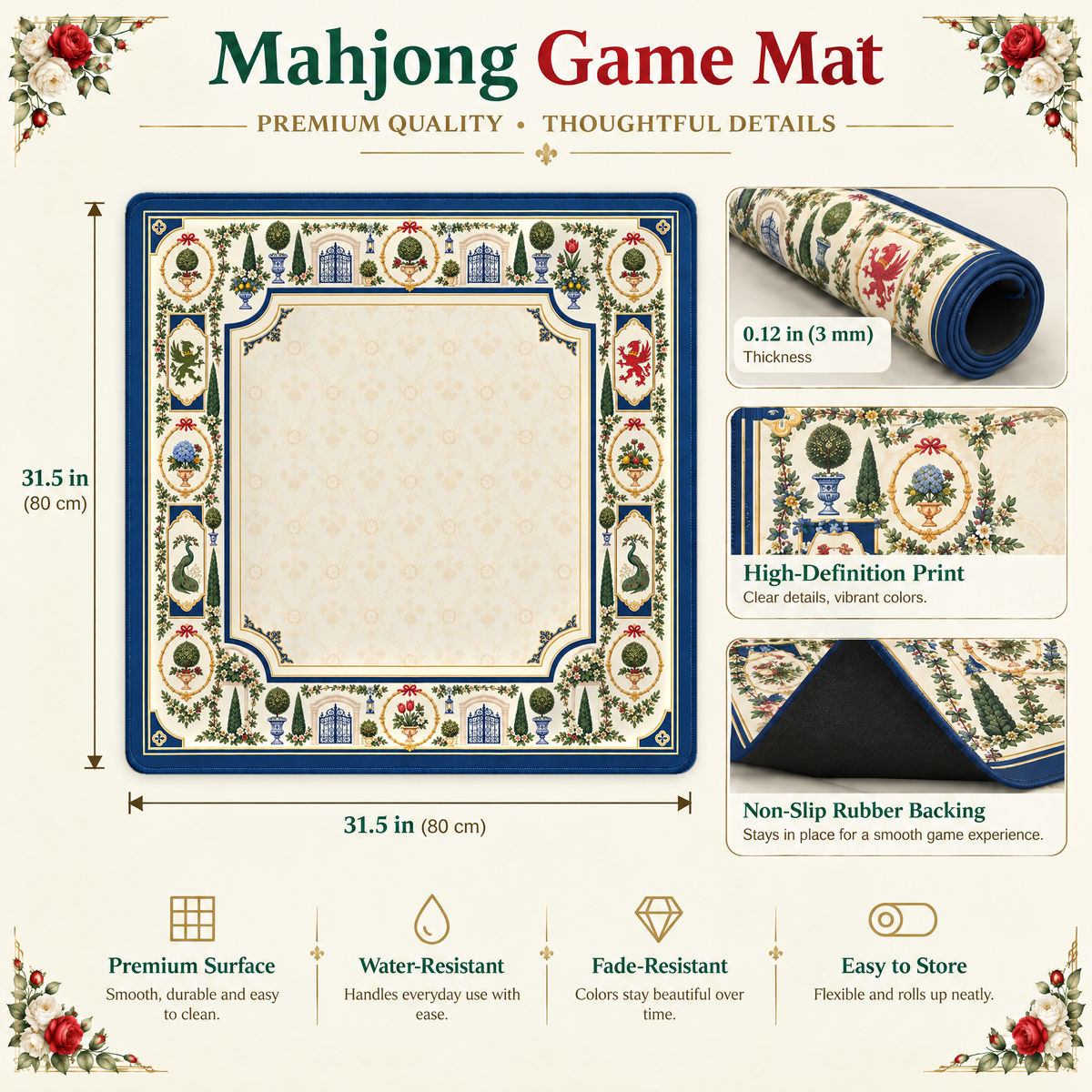
Bring a fully assembled set with all 152 playing tiles and 8 jokers, the current year's card, and a notepad. Many South Carolina venues provide communal sets, but bringing your own ensures you're comfortable with the tiles and can practice at home. A good set includes a sturdy mat or cloth to define the play area—this keeps tiles from sliding during the game. A mahjong mat protects tiles and speeds setup. Some players bring racks with pushers to organize their hand and speed play. Neither is mandatory for a first session, but a mat is worth having if you'll play weekly. Avoid bringing damaged tiles or missing cards—a teacher will notice and may ask you to use the venue's set instead, which undercuts your authority as a player.
Item | Absolute Must | Optional First Game | Why It Matters |
Full set (152 tiles + 8 jokers) | ✓ | ✓ | Play is impossible without all tiles |
Current year's card | ✓ | ✓ | Hands are called from the card only |
Mat or cloth | No | No | Protects tiles; speeds up play |
Racks with pushers | No | No | Organizes hand; reduces table clutter |
Notepad | No | ✓ | Tracks scoring until you memorize it |
🎁 See our most-loved mahjong sets & accessories →
How do you avoid common beginner mistakes that annoy experienced players?
New players often break three unwritten rules. First, never add extra tiles or jokers to the game—a 152-tile set is exact, and adding tiles breaks hand logic and scoring. Second, never call a chow (a sequence like 5-6-7 Dots); in American mahjong, only identical-tile groupings can be exposed. Third, never assume you understand scoring after one game—ask the teacher to score your hand slowly the first five times you win. Fourth, don't hoard your card or refuse to share it; it's a reference for everyone. Fifth, silence your phone and commit two hours—stopping mid-game frustrates the table. Sixth, don't blame luck if you lose; mahjong is partly chance, partly strategy, and a good loser is invited back. Most teachers forgive these mistakes once; repeat offenders don't get second invitations.
✨ Find your Mahstead set — free US shipping →
What to check before you buy
Set completeness: Verify your set includes exactly 152 playing tiles and 8 jokers. Count the four suits (Bams, Craks, Dots, Winds) to confirm nothing is missing. A spare cloth or bag is helpful but not essential for play.
Card currency: The National Mah Jongg League releases a new card every spring. Bring the current 2026 card to every game—old cards won't match the hands players are calling, and you'll be unable to win. Sets sold with a card always include the current year.
Tile legibility: Test that your tiles are easy to read in table lighting. Worn or faint markings slow play and frustrate everyone. Mahstead's engraved sets are designed for clarity and durability through hundreds of games.
Storage and transport: If you'll carry your set to group games weekly, choose a set with a bag or case. Mahstead's travel bags protect tiles during transport and make setup faster at your venue.

FAQ
Are there mahjong classes in Charleston or Columbia?
Classes are rare; groups are the norm. Call your local library or parks department and ask for active mahjong meetups. Country clubs and synagogues are your best bets for structured beginner instruction.
Can I learn American mahjong online before joining a group?
Yes. Watch one instructional video, read the rules for 30 minutes, and host a practice game at home. Most teachers welcome pre-trained beginners because they learn the group's local rules faster.
What if I make a mistake during my first game?
Ask for a correction politely and move on. Experienced players expect one beginner error per game and will gently correct it. Repeated mistakes are when annoyance sets in—so take notes.
Should I buy my own set or use the venue's?
Buy your own if you'll play weekly; it lets you practice at home and feel confident at the table. If you're unsure about commitment, ask the teacher if you can borrow a set first.
How much does an American mahjong set cost?
Price varies by tile material and design. See current pricing on best-selling mahjong sets. Sets include all 160 tiles and free US shipping.
What's the difference between a 152-tile and 160-tile set?
American mahjong uses exactly 152 tiles and 8 jokers per game. A 160-tile set includes the 152 playing tiles plus spare jokers and blanks for replacement if tiles crack or are lost—they never go into play.
Do I need a mat, rack, or case before my first game?
No. A mat is your first upgrade after three games because it protects tiles and speeds play. Racks and cases come later if you love the game.


View More
View More
View More
