
Mahjong Table Under $300: Best Mats & Playing Surfaces
Last updated: Nov 23, 2026
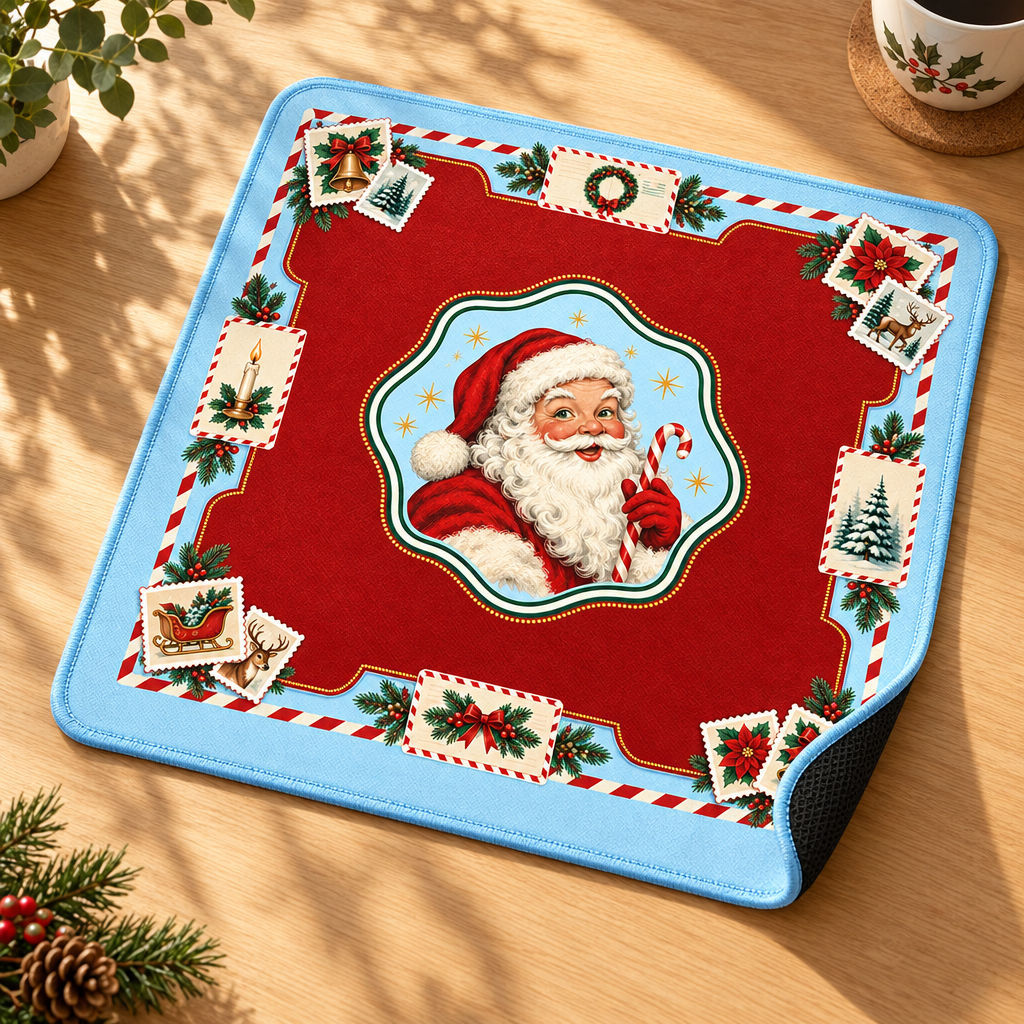
When we host weekly games, we need a mat that protects the tiles, stays in place, and lasts years of shuffling. A mahjong mat is a cloth or felt surface sized to fit a standard dining or card table—typically 36–48 inches square—and features printed or embroidered racks for each player's hand, often with a built-in divider or score layout. You can find mats from budget-friendly to premium in our mahjong mats collection; most solid options fall well within the range you're considering, with prices varying by material (microfiber vs. felt), embroidery detail, and whether racks have pushers. The key is matching size to your table, checking thickness (thinner = easier storage, thicker = better grip), and deciding if you want personalization. Avoid thin vinyl that slides during play or undersized mats that leave tile stacks exposed to edges.
When we set up for Thursday night, the mat is the first thing down. It signals "serious game" to everyone walking in, and it keeps the tiles corralled so nobody's scattered Bams end up on the floor. But which mat under your budget actually works, and what separates a mat that feels cheap after three months from one that stays flat and stays put for years?
We've played on borrowed folding tables with yoga mats, on grandmother's good dining table with a bedsheet, and on proper surfaces with pockets and embroidery. The difference is night and day. Here's what we learned, and what you should know before ordering.
What size mat fits your table?
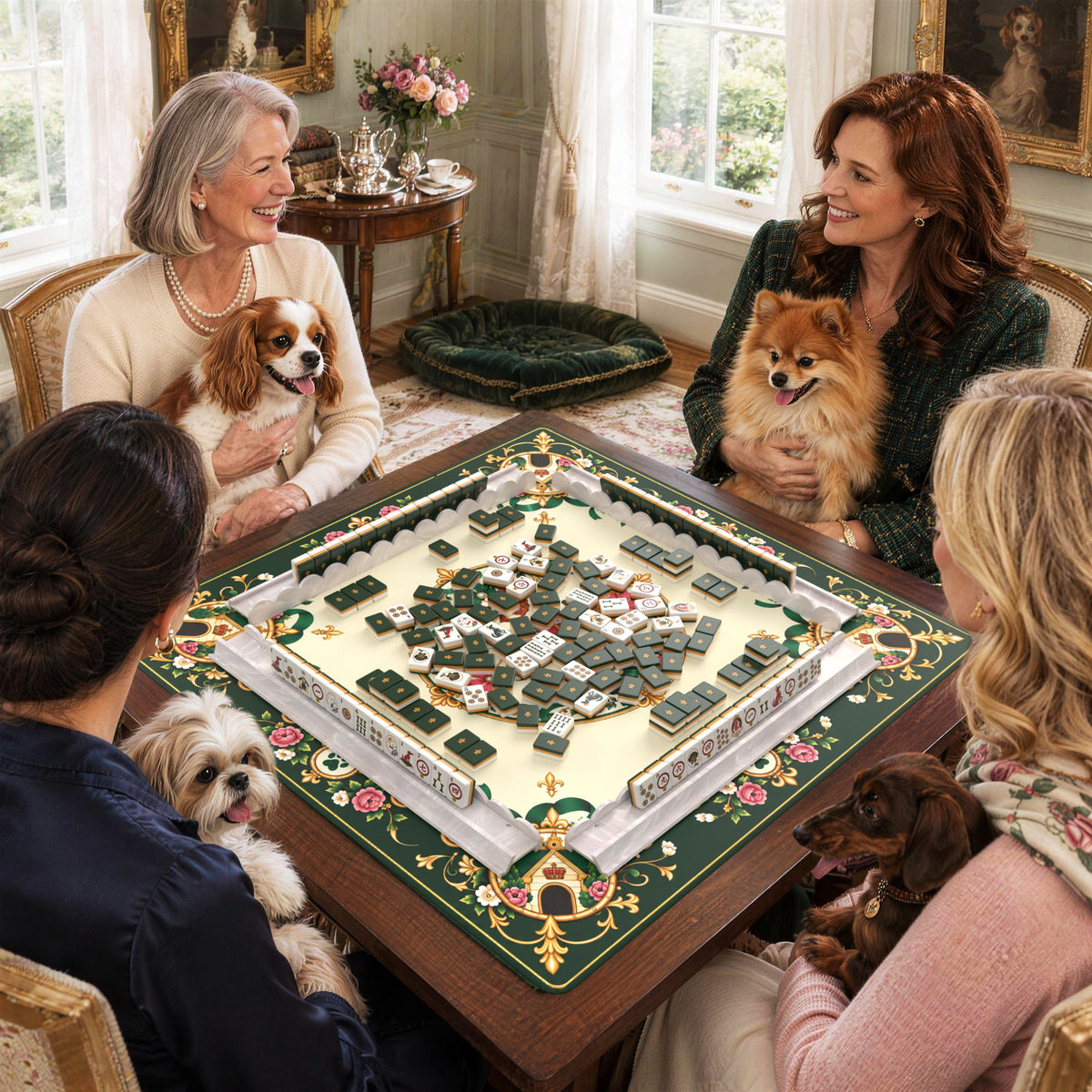
Most home mahjong sessions happen on a standard 36–40-inch square dining or card table. A mat measuring 36 inches square fits snugly with a little overhang; 48 inches offers breathing room for player arms and the discard pile zone. Measure your table before ordering—too small and tile racks hang off the edge, too large and it drapes onto laps. Check the product description for finished dimensions; some mats shrink slightly after washing. A 36-inch mat works for intimate four-player setups on smaller tables; 42–48 inches is more forgiving for casual play and lets everyone set down a drink without hitting tiles.
Do you need embroidered racks or a simple playing surface?
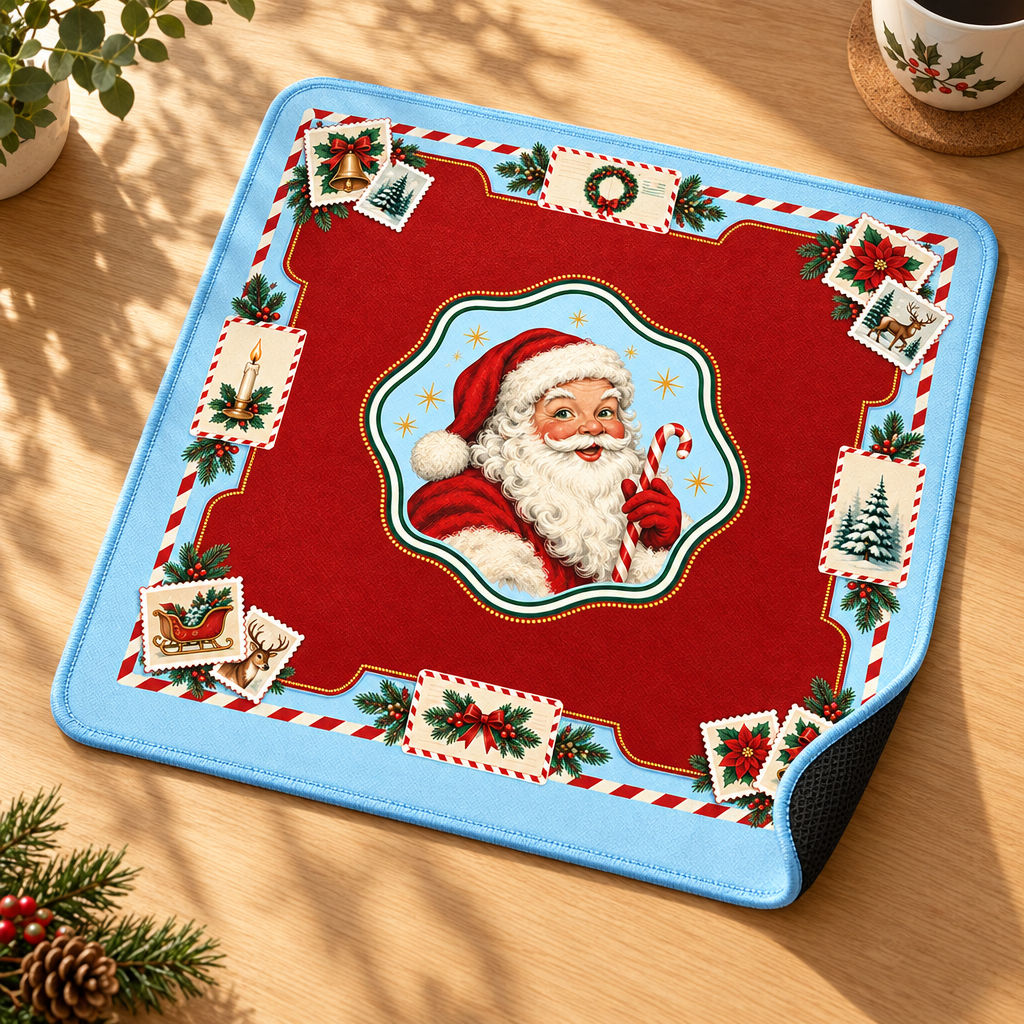
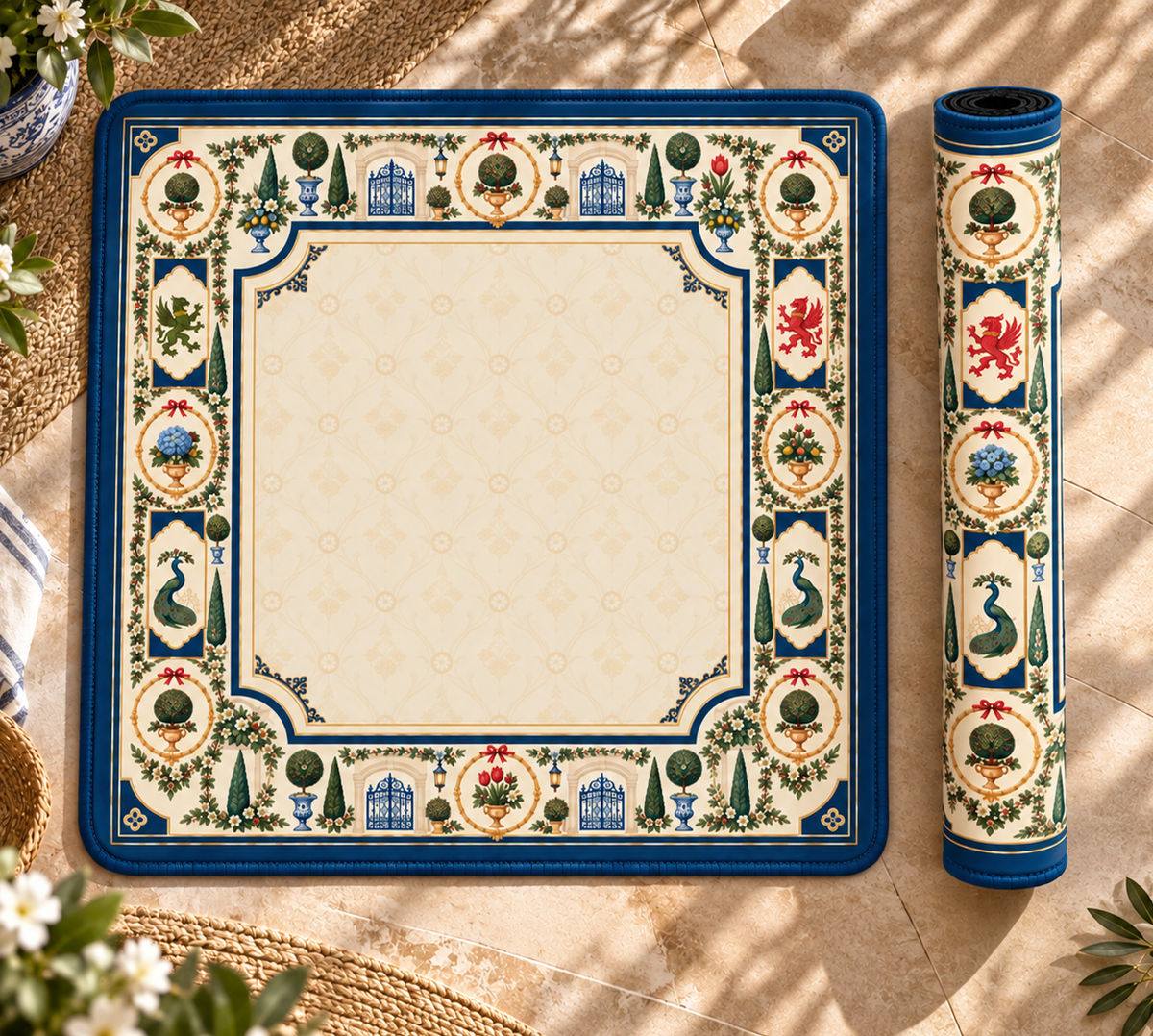
Some mats come with printed or embroidered player stations—four divided zones where each player's hand sits. These are helpful for beginners and keep chaos at bay during fast shuffles. Others are blank playing surfaces with just a border or central design, letting you arrange racks however you want. If you host mixed-skill games, racks keep the hand organized; if you use separate mahjong racks with pushers, a blank mat is simpler and cheaper. Embroidered stations add durability because the design won't wash out, but they also limit flexibility—if your usual fourth doesn't show and you shift three-player mode, fixed stations feel awkward.
🀄 Shop best-selling mahjong sets →
What's the real difference between felt, microfiber, and rubber backing?
Material matters because it determines grip, longevity, and how the tiles sound and slide. Felt is soft and traditional; it absorbs spills a bit and feels luxe but can pill after heavy play. Microfiber is stain-resistant, wipes clean in seconds, and doesn't fade—it's a workhorse for weekly games. Rubber backing (usually neoprene) anchors the mat to the table so it doesn't shift when someone draws a tile with enthusiasm. The best mats combine microfiber top with solid rubber backing; they don't slide, they handle a spilled drink without staining, and they roll up tight for storage. A mat with flimsy backing or no backing will bunch up during shuffling, and you'll spend half the game straightening it. Check the product description for backing material and weight; heavier usually means it'll stay put.
Mat Type | Best For | Feel | Durability | Maintenance | Storage |
Felt | Show games, occasional play | Soft, traditional | 2–3 years | Spot-clean only | Rolls well |
Microfiber | Weekly games, easy cleanup | Sleek, modern | 4–5 years | Wipes clean | Compact |
Felt + rubber backing | Every game | Balanced | 3–4 years | Gentle wash | Rolls small |
Microfiber + rubber backing | High-traffic weeks | Grips table | 5+ years | Machine wash safe | Space-efficient |
Should you buy a mat or a table cover?
A mat is a flat, portable surface you lay over your existing table. A table cover is typically thicker, often padded, and designed to protect the table while creating a playing surface—it's more furniture than accessory. If you already have a good table and want flexibility (using it for dinner most days, mahjong once a week), a mat makes sense: you roll it up and tuck it in a closet. A table cover is for a dedicated mahjong setup or a table you don't mind reserving. Mats are lighter, cheaper, and easier to wash; covers are quieter to shuffle on and offer more cushioning. For most home players, a mat is the practical choice. Learn more about mat vs. table cover if you're torn between the two.
What should you check before ordering?
Before clicking "buy," ask yourself these questions:
Finished size: Does the product page list finished dimensions, or just the table it "fits"? Measure your table. A mat listed as "36 inches" may be 35.5 after hemming.
Backing grip: Does it say "non-slip rubber backing" or "grips table"? If not mentioned, it may slide.
Washability: Can it go in the machine, or hand-wash only? Weekly players need easy cleanup.
Personalization: Do you want initials or a family name embroidered? Lead time can add 2–3 weeks, so order early.
Return policy: Can you return it if it's too small or the color doesn't match your room? Check before you order.
Shipping timeline: Free shipping across the US is standard; confirm the expected arrival date so you're not caught without a mat before game night.
Most mats under your budget ship quickly if not personalized. Embroidered or custom options may take longer, so plan ahead if you're hosting a tournament or a special game.
🎁 See our most-loved mahjong sets & accessories →
Real player tips: avoiding the cheap-mat trap
We've made these mistakes so you don't have to. A mat that's "affordable" but thin will wrinkle under tile weight and slide when someone leans on a corner. Thin vinyl sounds cheap when tiles shuffle—literally—and feels like you're playing on a shower curtain. Always check reviews or ask the seller if they've hosted weekly games; tournament players and casual hosts have very different needs. If the product page doesn't show the backing, don't assume it has one. A mat with no backing is half the price but requires you to tape it down or use non-slip pads under the corners—not ideal when you want to fold it up quickly.
Size creep is another trap: a mat that's "close enough" to your table will bug you by game three. Tiles stack at the edge, discards have nowhere safe to go, and you're always adjusting. Spend the extra five minutes measuring; it's worth it.
If you're buying for a group gift or a family set-up, consider Mahstead's best-selling collection where you can bundle a mat with a quality set and racks with pushers for a complete, coordinated game night. Our mats are designed to pair with 160-tile acrylic sets, and many feature custom designs or engraved details that add personality without the premium price tag of bespoke production.
✨ Find your Mahstead set — free US shipping →
FAQ
Can a mat go in the washing machine?
Most microfiber mats with non-slip backing can be machine-washed on gentle and air-dried. Always check the product care label first; felt and embroidered designs may need hand-washing to prevent wear.
What size mat do I need for a 40-inch table?
A 40–42-inch mat will fit snugly with minimal overhang. If you want extra room for arms and drinks, go up to 48 inches; it will drape slightly but stay on the table.
Is a mat with built-in racks worth it, or should I buy separate racks?
Built-in racks are great for beginners and keep organization simple. If you use mahjong racks with pushers, a blank mat gives you more flexibility to rearrange for three-player games or different table sizes.
Why does my mat slide during shuffling?
The backing is either missing, thin, or not actually non-slip rubber. A mat without a solid rubber backing will shift on a glossy table. Non-slip pads under the corners help, but a mat designed with rubberized backing is the permanent fix.
How do I know if a mat is really going to last a year of weekly games?
Check the material (microfiber + rubber backing lasts longer than felt alone), read if the seller mentions "heavy-duty" or "tournament-grade," and ask if the seams are reinforced. A mat that costs less than others in its size class may have thinner backing or cheaper stitching that fails after 50 shuffles.
Can I use a regular tablecloth instead of a mahjong mat?
You can, but it's not ideal. A tablecloth won't grip the table, tiles slip during draws, and embroidered or printed racks don't exist on regular cloth. A proper mat anchors tiles and organizes hands so the game flows smoothly.


View More
View More
View More
