
Mahjong Table Setup for Four: Space, Seating & Gear
Last updated: Nov 23, 2026
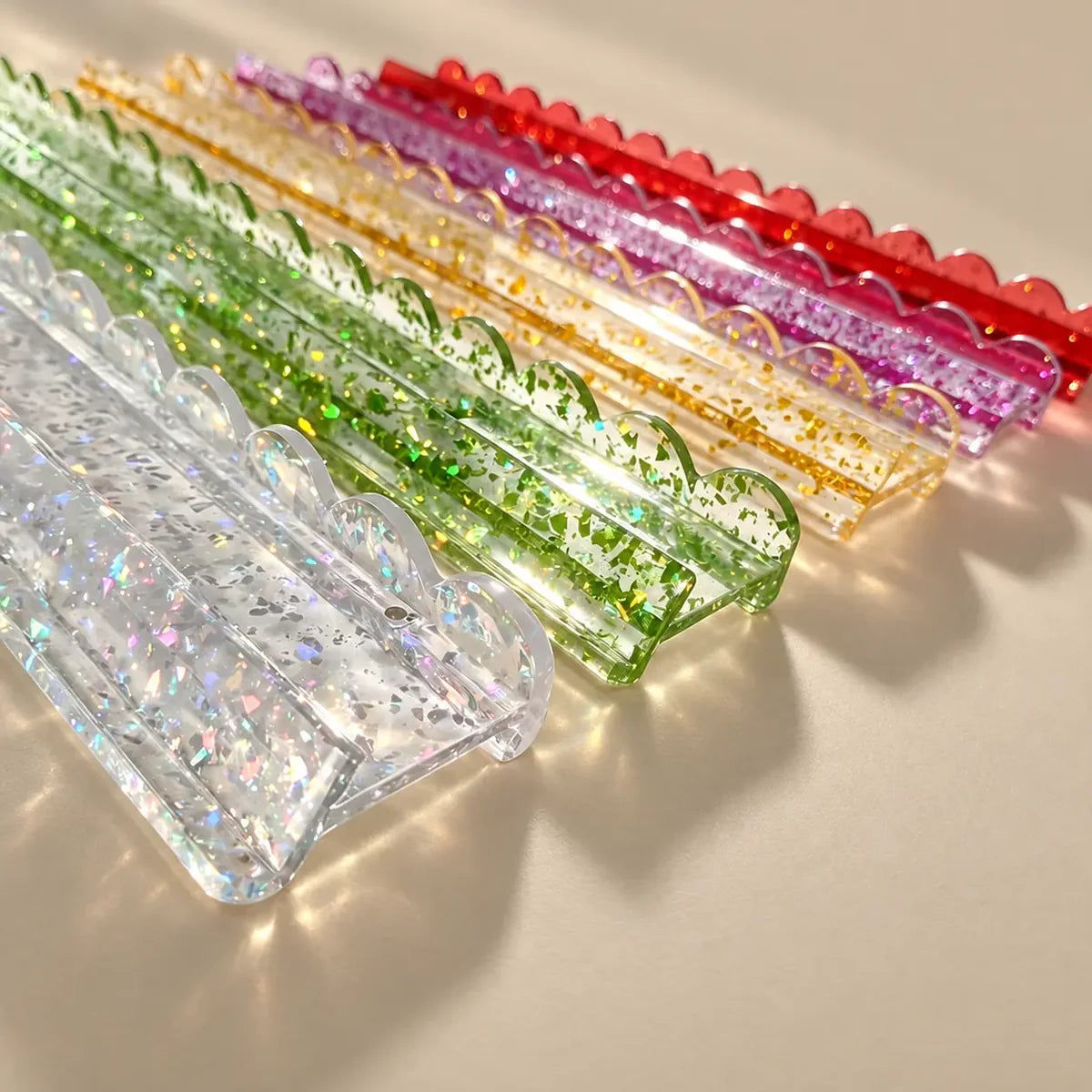
A proper four-player mahjong table sits four players equidistant around a square or round surface—ideally 36 to 48 inches wide—with each player owning one side. Place a mat or cover on the tabletop; sit players North, East, South, West in wind order (East starts the game). Each seat needs a rack with pushers, a wall of 38 tiles stacked in two rows, and a clear line of sight to the center tile pile. A 160-tile American mahjong set includes everything: tiles, jokers, and extra pieces. The setup takes five minutes; the table must stay clear except for tiles in hand, your rack, and the current discard row. Avoid crowding the center—maintain 8–12 inches from the wall to the middle pile—and never mix the spare tiles into play. From our best-selling collection, engraved acrylic sets hold up through seasons of weekly games.
How big should the table be for four players?
A 36-inch square or round table is the minimum; 40–48 inches is ideal. Each player needs 12–16 inches of edge space to set down their rack, hold their card, and access the discard pile without reaching. A narrow or short table forces players to crowd the center and blocks sight lines. If you're using a round table, all four players sit equidistant; a square table seats one player per side, cleanly aligned with the winds. Too small and tile-moving becomes awkward and slow; too large and discards land too far away to call clearly. Most of us play on a standard dining table (36–42 inches) or a dedicated mahjong table.

What's the correct seating order and wind positions?
Players sit North, East, South, West around the table in wind order. East always opens (rolls the dice to determine the dealer), and play rotates counterclockwise. Each seat is fixed for the entire hand; you don't rotate seats mid-hand. Before the game starts, agree who sits where—use compass positions or table corners consistently. The National Mah Jongg League card uses the hand notation in wind order, so knowing your seat position matters when you call a hand. If you're hosting, place wind labels or a printed card at each seat for clarity, especially if players are new or rotate between games.
What spacing do the tiles need in the center?
The center of the table holds the live tile wall (the pile from which players draw): 38 tiles per player, stacked in two rows of 18 plus 2 (the loose tile and the dead wall's extra). Leave a clear 8–12 inch circle in the middle so all four players can see which tiles are being drawn and which are dead. The discard row radiates outward from each player's side—typically a 3×3 grid or loose row of the last nine discards visible to all players. If the center is too cramped, players can't see the drawn tiles, play slows, and disputes arise over what was called. If discards sprawl too far, someone has to lean over to reach them. Test your spacing with an empty set first; adjust before dealing.
Which equipment is essential for a smooth four-player game?
Item | Why it matters | Notes ---|---|--- Mahjong set (160 tiles) | Holds all tiles, jokers, spares | Acrylic or bamboo; ensure it fits your case Racks with pushers (four sets) | Keeps hand organized, hides tiles | One per player; pushers help slide tiles smoothly Mat or table cover | Protects surface, defines play area | 36–48 inches; non-slip backing helps tiles stay put Dice (one pair) | Determines draws and dealer order | Usually included with sets; easy to lose Card holder (one per player) | Displays the current hand-call reference card | Optional but saves table clutter and reading errors
Each player must have a personal rack and pushers; you can't share or alternate. A mat is not strictly required but protects your table and gives the tiles grip so they don't scatter during shuffling or when stacking the wall. Use our mahjong racks with pushers collection to match your set and keep play fluid.
🀄 Shop best-selling mahjong sets →
What's the step-by-step setup checklist?
Clean and clear the table. Remove cups, phones, papers. Wipe the surface if sticky.
Lay down the mat (if using one), centered and flat. Smooth out wrinkles.
Seat the four players at compass points (North, East, South, West). Agree who's East (dealer).
Give each player a rack and pushers. Check that pushers move smoothly.
Shuffle all 152 tiles face-down in the center. Mix thoroughly—at least 30 seconds.
East rolls two dice to determine who starts building the wall. The chosen player rolls again to pick a spot in the shuffled pile.
Build the wall: Each player counts out 38 tiles in a two-row stack in front of them, starting from the break point. The walls form a square in the center.
Draw the hand: East draws 14 tiles (two rows of seven); other players draw 13 each (two rows of 6 or 7). Place tiles in your rack from left to right.
Set card holders at each seat so the hand-call card is visible.
East discards first and announces the tile clearly.
All four players must then draw and discard in turn—no skipping turns. If a discard can be called (e.g., completing a pung or a hand), the calling player announces it immediately. Play stops until the hand is verified or the call is waived.

What are the most common setup mistakes to avoid?
Mistake | What happens | How to fix it ---|---|--- Table too small | Tiles crowd the center; discards collide. | Use 40+ inches minimum; test with an empty set first. Uneven spacing | One player can't see the wall or reach discards. | Measure 12–16 inches per seat edge before play. Spare tiles mixed into the wall | Hand becomes invalid; confusion on Kong draws. | Keep spare jokers and blanks off the table in a labeled bag. Racks not level | Tiles slide or flip. Hand visibility breaks. | Adjust rack angle; ensure all four racks slope the same way. Discard pile too centralized | Players can't see which tile was just played. | Lay out discards in a visible row or radial pattern; refresh after each discard. No card holders | Players hold the reference card; blocks view of table. | Give each player a small stand or prop the card on their lap. East doesn't roll to break the wall | Wall break is random or forgotten. | Make East roll two dice; add rolls to 1–38; count to that tile.
The most costly mistake is mixing spares into play. If a player draws a spare joker meant for the next game, the hand is invalidated and the game restarts. Keep spare tiles in their packet and set them aside before dealing.
🎁 See our most-loved mahjong sets & accessories →
How do racks and mats improve the experience?
Racks with pushers hide your hand from opponents and organize tiles into a clean two-row display. The pushers (small slide-sticks) let you draw tiles with one hand without accidentally exposing tiles. On a small table, a rack becomes essential—without it, your tiles sprawl across the edge, taking up space the discard pile needs. A mahjong mat or table cover defines the play surface, grips acrylic tiles so they don't slip during shuffling, and protects your table from scratches and spills. A non-slip mat backing keeps the wall of tiles stable when players draw. If you move your game between locations, a mat rolls up and travels easily; a table cover can be stored in a closet. Both are optional but transform casual play into a structured, professional-feeling game. For a host who plays weekly, they reduce setup time and tile loss.
What's the difference between a mat, a cover, and just a bare table?
A mat is a fitted or semi-fitted layer (typically 36–48 inches square) with a non-slip backing and often a grid pattern for tile alignment. A table cover or tablecloth is a flat fabric or vinyl sheet draped over the table. A bare table is just wood or laminate. The mat grips acrylic tiles and prevents them from sliding during the shuffle; the cover protects the table surface but offers less grip; a bare table is fine if your tiles are heavier (bone and bamboo) or if you don't mind tiles shifting. On a polished dining table, even a simple acrylic set can slide. Most of us use a mat because it speeds play and reduces frustration. If your table is scarred or you want to preserve it, a cover alone works; if tile control and professional feel matter, add a mat.
✨ Find your Mahstead set — free US shipping →
How should you store tiles and gear between games?
After play, return all 152 tiles to the set case immediately. Do not leave tiles loose or mixed with the spares. Wipe down mahjong racks with a dry cloth to remove dust and tile flecks. Store the mat rolled or flat in a closet (avoid folding, which creases the surface). If you transport gear, use a bag or case designed for mahjong sets; hard cases protect tiles during travel, soft bags are lighter for casual moves. Label spare jokers and blanks so they don't accidentally enter the next game. Dice are easy to lose; store them in a small envelope or pouch inside the set. A damp cloth kept in a sealed bag can clean tiles between games without damaging them. Acrylic tiles are durable and rarely require deep cleaning unless they sit unused for months.
What to check before you buy
Table size: Measure your table width and depth. Aim for 36 inches minimum; 40–48 is better.
Tile set completeness: Verify it's a 160-tile set with 8 jokers and spare tiles. Confirm tiles are acrylic, bamboo, or bone (your preference for weight and durability).
Rack compatibility: Buy racks that match your set's tile size (usually standard 1-inch wide tiles). Test that pushers glide smoothly; stiff pushers frustrate play.
Mat fit: Confirm the mat size matches or exceeds your table. Opt for non-slip backing if your table is smooth or polished.
Spare storage: Ensure your set case has a separate compartment or packet for spares so they don't mix with the playing 152.
Portability: If you move games between homes or host in different spaces, confirm your case fits your car trunk and your mat rolls compactly.

FAQ
Can I play mahjong on any table?
Any table 36+ inches wide works, but uneven or slippery surfaces slow play and cause tile mishaps. A level, slightly textured surface (or one with a mat) is ideal for comfort and speed.
Do I need a mat if I have a wooden table?
A mat prevents tile sliding and protects the wood from scratches. If your tiles are heavy (bone and bamboo) and the table is level, play works without one—but a mat improves control and table care.
How many racks do I need?
Four racks minimum—one per player. Never share or take turns with one rack during a game. Extra racks are useful for teaching or if one breaks.
What happens if the table is too small?
Discards crowd the center, tiles collide during the draw, sight lines break, and disputes arise over which tile was called. Upgrade to 40+ inches or find a different surface.
Can I set up mahjong on a card table?
Yes, if it's 36+ inches square and level. Card tables are often smaller (30–36 inches), so test with your actual set first. The taller, wider, and more stable, the better.
How long does it take to set up a game?
Five minutes once you know the steps: shuffle, build the wall, draw hands, and start. Beginners may take 10 minutes the first few times.
Should I use a tablecloth or a mat?
A mat grips tiles and offers a grid for alignment; a tablecloth protects the table but doesn't grip as well. For serious play, layer both or use a mat alone. A bare table works only if your tiles are very heavy.
What's the best way to shuffle tiles?
Mix all 152 tiles face-down in the center for 30+ seconds, using both hands to spread and turn them. Avoid stacking; keep tiles flat and dispersed. Thorough shuffling prevents patterns and ensures fairness.


View More
View More
View More
